Honeywell STUW750 and STUW751 wireless universal I/O transmitters: what they add to a wireless network
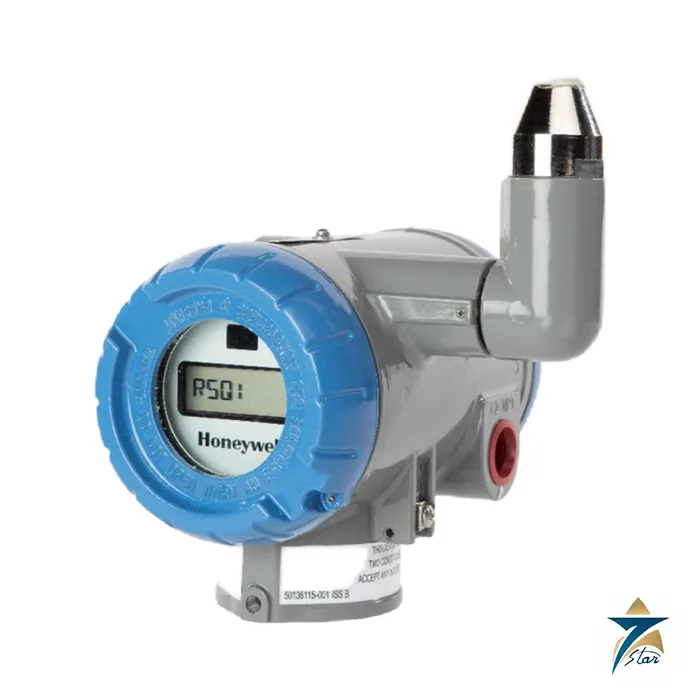
The STUW750 is the Honeywell SmartLine Wireless universal I/O transmitter. Where other wireless transmitters are built around one sensor type, the STUW750 gives you three universal input channels that can each be set to thermocouple, millivolt, 4-20 mA, discrete contact or two-wire resistance. It brings existing analogue transmitters, switches and thermocouples onto an ISA100.11a-ready 2.4 GHz network without running signal cable back to a marshalling cabinet. The sibling model STUW751 keeps two universal channels and uses the third for a dedicated digital output, so a plant can both read field signals and drive a simple on/off device remotely. Seven Star LLC supplies the STUW750 family in Oman and the GCC as an independent supplier in Muscat.
Compare the two models side by side:
| Model |
Input channels |
Digital output |
Channel capability |
| STUW750 |
3 |
Not available |
Up to 3 channels of T/C or mV; up to 3 of high-level analogue input; up to 3 of discrete input or 2-wire resistance |
| STUW751 |
2 + 1 dedicated |
Yes (channel 3) |
Up to 2 channels of T/C or mV; up to 2 of high-level analogue input; up to 2 of discrete or 2-wire resistance; plus 1 digital output |
STUW750 technical specifications
| Parameter |
Specification |
| Manufacturer / part number |
Honeywell / STUW750 (and STUW751 with digital output) |
| Input types per channel |
Thermocouple, millivolt, 4-20 mA / 0-20 mA high-level analogue, discrete input, 2-wire resistance |
| Accuracy |
±0.10 % of range for T/C, mV and high-level analogue; ±0.30 % of range for 2-wire and discrete resistance measurement |
| Temperature effect |
±0.01 % of full scale per °C (T/C, mV, analogue); ±0.015 % per °C (resistance) |
| Stability |
±0.10 % of URL per year |
| 4-20 mA input loop resistance |
50 ohms maximum (10 ohm resistor plus signal diode) |
| Discrete output (STUW751) |
30 V AC/DC maximum, 0.5 A maximum load; battery life about 1 year at 50 % duty cycle |
| Discrete input |
Single SPST dry contact; ON up to 200 ohm, OFF at least 300 ohm; thresholds configurable |
| Cold junction accuracy |
±0.5 °C |
| Wireless |
2.4 GHz ISM, DSSS, IEEE 802.15.4, 250 kbps; nominal 350 m range with 4 dBi integral antenna |
| Power |
Two 3.6 V lithium thionyl chloride D cells or 24 VDC option |
| Housing / weight |
NEMA 4X, IP66/IP67; about 4.1 kg (9 lb); stainless steel housing adds about 3.6 kg |
The datasheet lists the thermocouple types B, E, J, K, N, R, S and T, millivolt spans of 0 to 10, 50 or 100 mV and resistance spans of 0 to 100, 200, 500 or 1,000 ohm.
How the STUW750 reads a 4-20 mA transmitter without cabling to the control room
A high-level analogue channel wired to an existing 4-20 mA transmitter turns that wired instrument into a wireless tag. The channel presents a maximum loop resistance of 50 ohms, which includes a 10 ohm sense resistor and a signal diode, so check the loop voltage budget of the host instrument before you connect it. The existing transmitter still needs its own power; the STUW750 only reads the current. This is a pragmatic route for old gauges, level instruments and analysers that are too costly to rewire or replace, yet whose data operations or reliability teams want in the DCS or historian.
The same channel can alternatively read a thermocouple or millivolt signal, so a single STUW750 might monitor one 4-20 mA flow indication, a thermocouple on a nearby bearing and a contact on a pump status relay. The mix is set from the OneWireless interface using the device descriptor file.
Digital output on the STUW751 and its limits
The STUW751 drives an external relay or device through a dedicated output rated for 30 V AC or DC and a load of up to 0.5 A. Because the transmitter is battery powered, the datasheet notes a battery life of about one year with the output operating at a 50 percent duty cycle. Use the output for simple remote functions such as an annunciator, a valve command via an interposing relay or a beacon, not for safety-critical actions. Wireless links involve latency, and the device is intended for monitoring and non-critical control tasks.
STUW750 selection checklist
- Signal inventory. List each signal: sensor type, range, loop-powered or active, and whether the host supplies power.
- Channel count. The STUW750 has three universal channels; use the STUW751 if one output is needed, remembering that it reduces inputs to two.
- Accuracy. ±0.10 % of range on the main analogue and thermocouple channels, ±0.30 % on resistance.
- Update rate. Half-second, 1, 5, 10 and 30 seconds, plus 1, 15, 30 and 60 minutes. Slower rates give longer battery life.
- Antenna. Integral 4 dBi, or remote 8 dBi / 14 dBi options with up to two 10 m cables and a surge arrester.
- Environment. Aluminum housing with epoxy-polyester paint or a stainless steel housing, with conduit entries of 1/2 inch NPT or M20.
Installation, commissioning and care of the STUW750
- Mount on a 2 inch pipe or a wall bracket with the antenna vertical and clear of metal.
- Wire each channel to TB1 or TB2 according to the connection diagram; ground and shield cables correctly and keep them away from power conductors.
- Provision the device locally by infrared or over the air, then configure each channel in the OneWireless interface.
- Confirm the scaling by injecting a known signal with a loop calibrator before connecting live instruments.
- Log the battery date and treat the STUW751 output as a high-consumption load when planning battery replacement.
Related wireless models
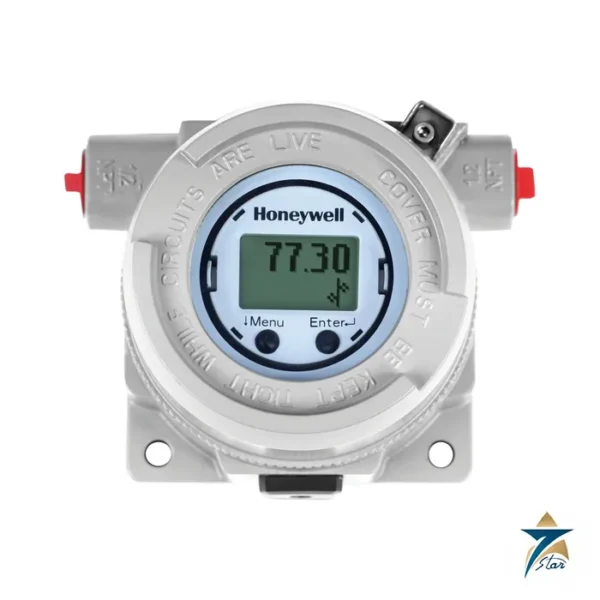
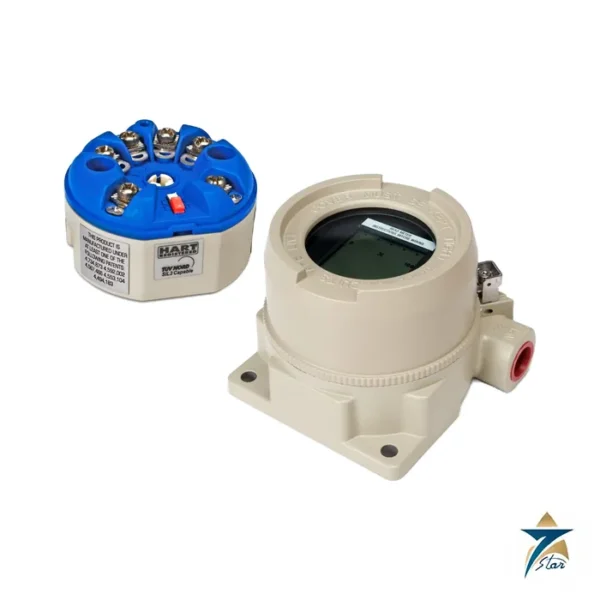
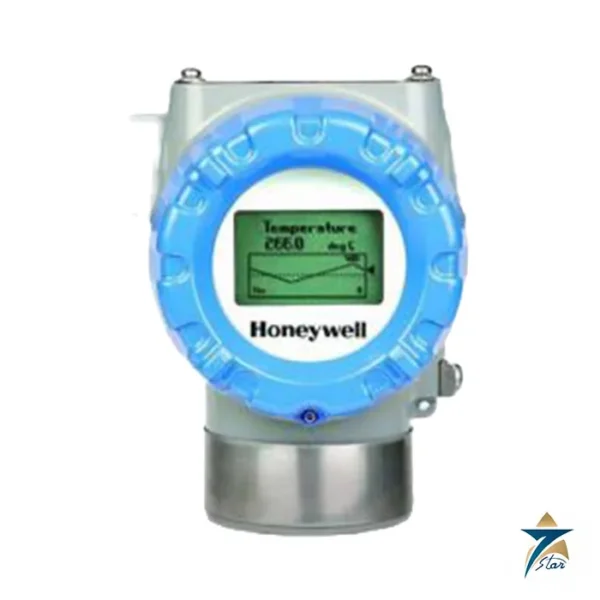
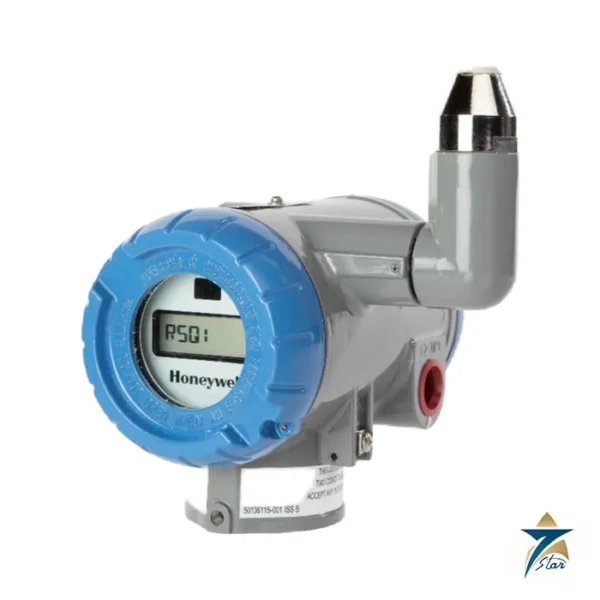
The STUW750 sits beside the STIW400 temperature transmitter, which adds RTD and multi-point thermocouple capability, the STGW800 gauge pressure series, the STAW84L absolute pressure model, the STDW800 differential pressure series and the STFW828 flange level transmitter. All use the same batteries and antennas and join the same Honeywell OneWireless network, which can also carry XYR 6000 devices from earlier projects.
Typical STUW750 applications in Oman and the GCC
The STUW750 is useful in brownfield retrofits at gas plants, power stations and desalination units where only some signals are needed from an old instrument population. Examples include bringing a legacy flow indicator or a pump discharge pressure gauge with 4-20 mA output onto the DCS, collecting thermocouple readings from a heater for a performance study, and monitoring open or closed contacts on remote valves and pump panels. For mobile or temporary projects such as shutdown monitoring, the device can be installed and commissioned in hours. Pick stainless housing in salt-laden coastal atmospheres and shade the unit from direct summer sun.
Information to send with an STUW750 RFQ
- Model, STUW750 or STUW751, and the channel list with signal types and ranges.
- Loop details for any 4-20 mA signals, including the loop supply voltage.
- Digital output load (voltage and current) when the STUW751 is required.
- Housing material, hazardous-area classification and approval scheme.
- OneWireless release, antenna option, destination country, power source, tag text and quantity.
Documents and quotation for the STUW750
A datasheet covering both the STUW750 and STUW751 is attached on this page.
Send us the signal list and we will confirm availability and lead time for the quotation.
Other Models in the Honeywell Smartline Wireless Range
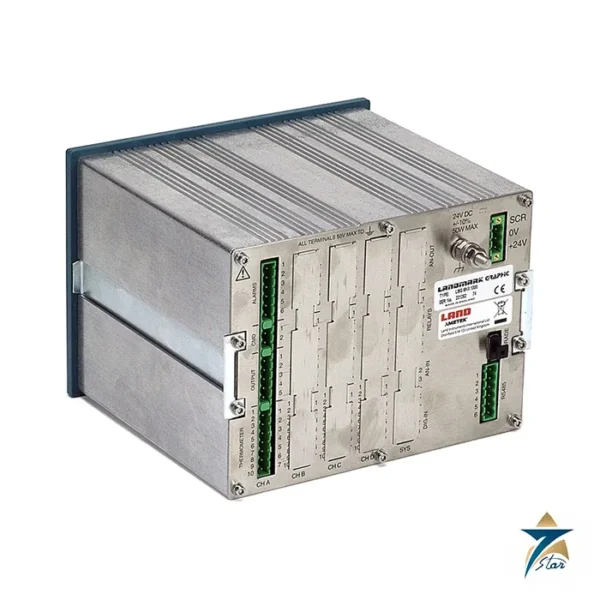
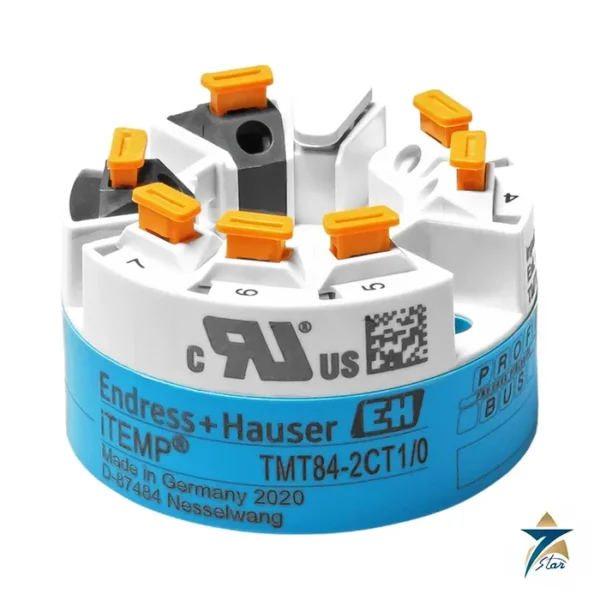
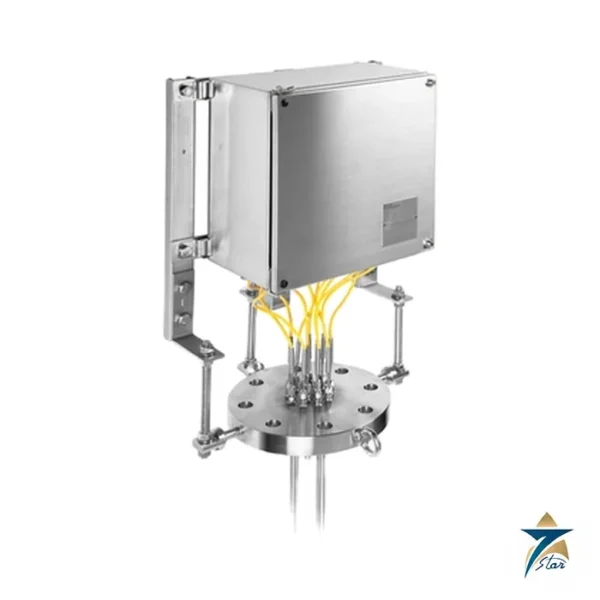
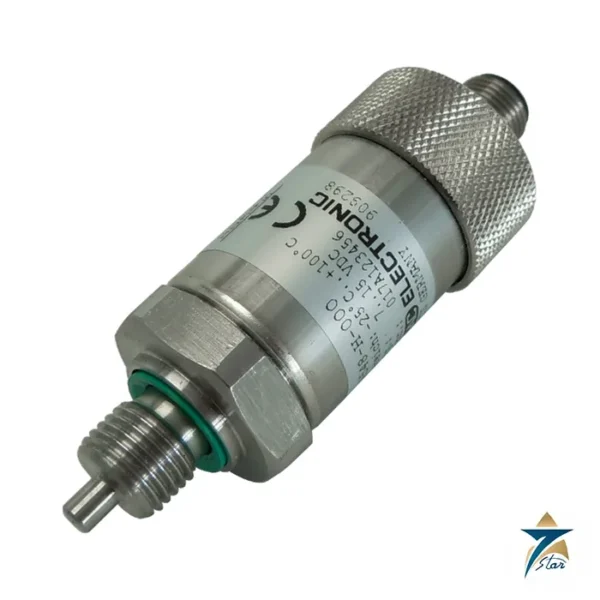
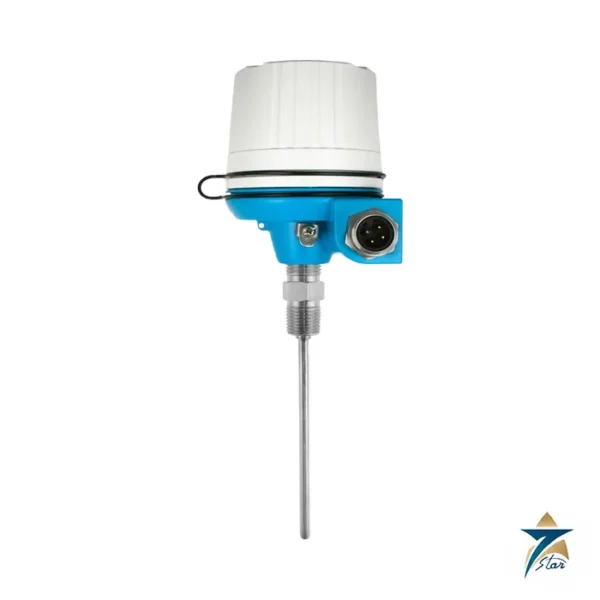
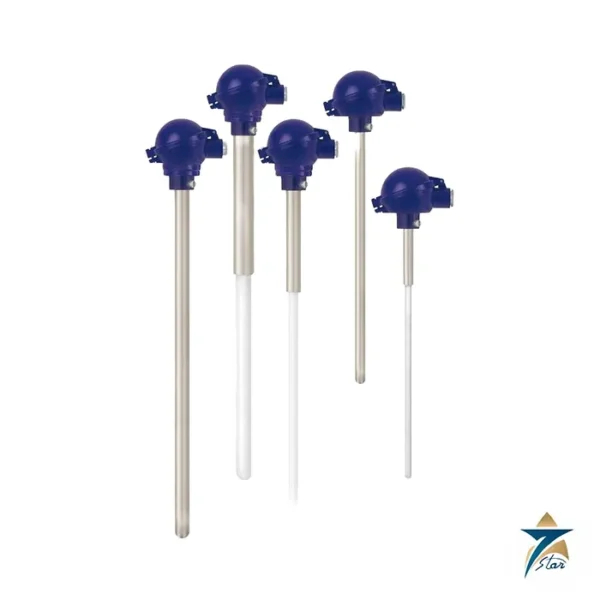
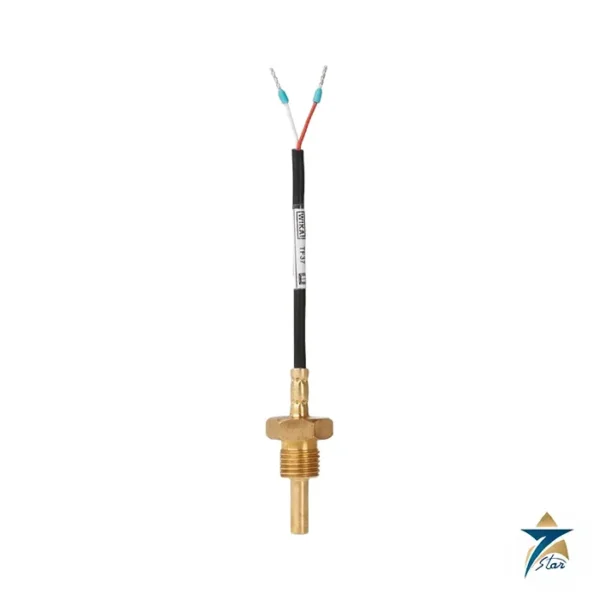
Seven Star LLC supplies models from the Honeywell Smartline Wireless range in Oman and the GCC. Compare the related models below and request a quote for the one that matches your application.




















Reviews
There are no reviews yet.