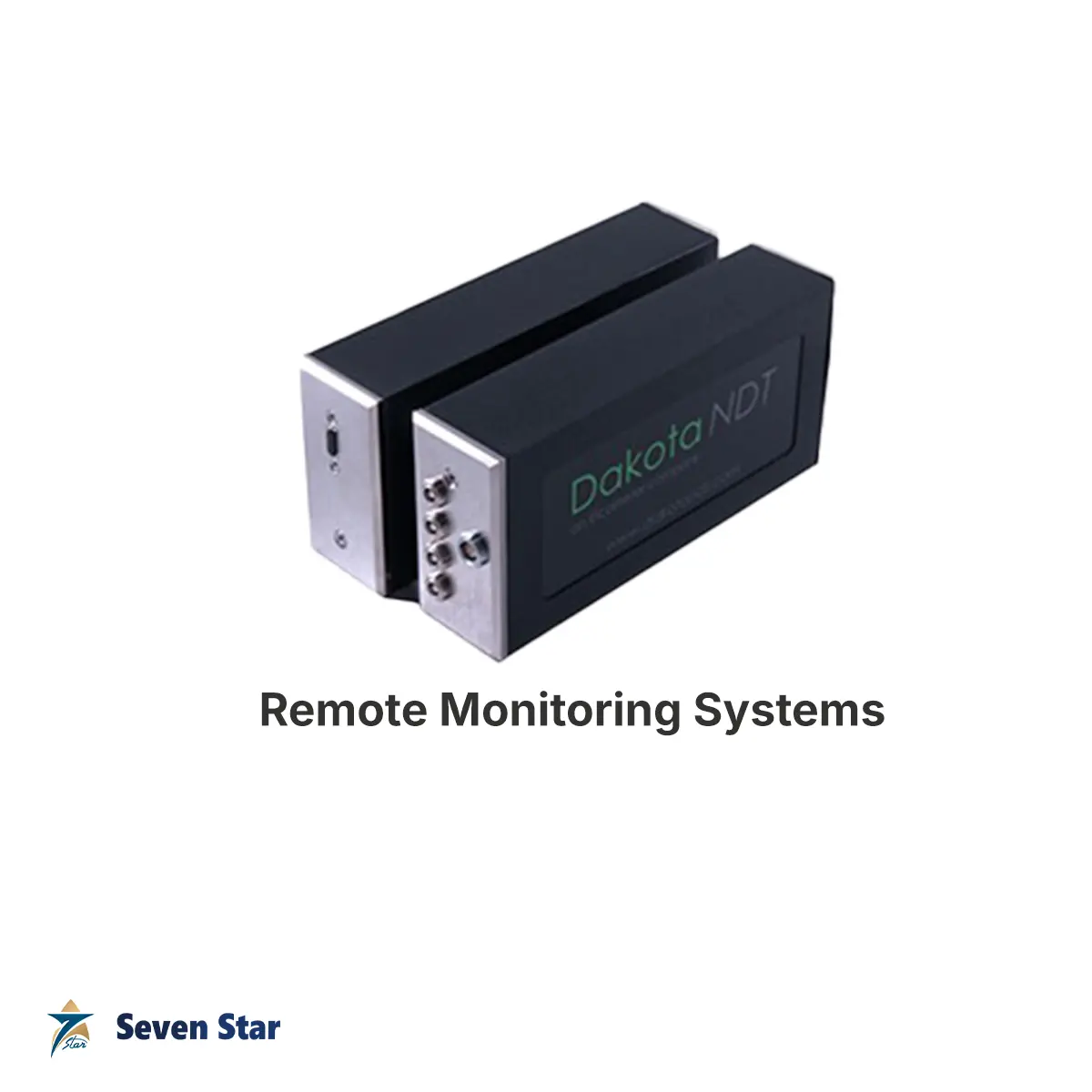
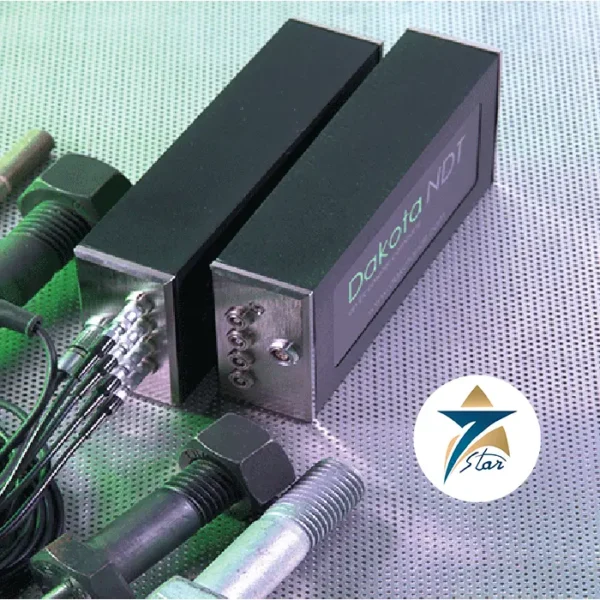
Remote ultrasonic bolt monitoring systems

Remote Monitoring Systems

Remote monitoring systems enable continuous, real-time tracking of bolt load, axial stress, and structural behavior across critical installations. Instead of performing periodic ultrasonic measurements, these systems use permanently installed sensors to capture bolt condition over time—detecting load loss, vibration-related loosening, thermal expansion effects, and early-stage structural degradation.

Such systems are deployed in environments where a single bolt failure can trigger catastrophic downtime or safety hazards. Applications include offshore platforms, wind turbines, high-pressure vessels, refineries, rotating equipment, subsea structures, and turbine casings. Remote monitoring provides automated data acquisition, long-term trend analysis, and integration with SCADA, DCS, or reliability software—transforming traditional bolt inspection into a predictive maintenance workflow.

Frequently Asked Questions

How do remote monitoring systems improve the efficiency of industrial asset management?
Remote monitoring systems provide continuous, real-time data on asset health, significantly reducing the need for costly and hazardous manual inspections. This proactive approach enables predictive maintenance strategies, minimizing unscheduled downtime and optimizing operational efficiency.
What types of NDT sensors can be integrated into your remote monitoring platforms?
Our platforms are highly versatile, supporting a wide array of NDT sensors including ultrasonic thickness gauges, acoustic emission sensors, and corrosion monitoring probes. This multi-sensor integration allows for comprehensive structural health monitoring across diverse industrial applications.
Are the data transmissions from remote monitoring systems secure and reliable in industrial environments?
Yes, our systems utilize robust, encrypted wireless protocols such as cellular, Wi-Fi, or proprietary mesh networks to ensure secure data transmission. They are designed with redundancy features to maintain reliable communication even in environments with significant electromagnetic interference.
Can remote monitoring systems provide real-time alerts for critical structural changes or corrosion?
The associated software platforms feature customizable alarm thresholds based on specific engineering parameters. If a sensor detects wall loss or structural anomalies exceeding these limits, the system instantly generates automated alerts via email or SMS to designated maintenance personnel.
What is the expected lifespan of battery-operated remote monitoring sensors in the field?
Through the implementation of advanced power management algorithms and low-power communication protocols, our field sensors can operate for several years on a single battery pack. The exact lifespan varies based on the programmed measurement frequency and specific environmental conditions.