Honeywell STDW800 SmartLine wireless differential pressure transmitter: four models explained
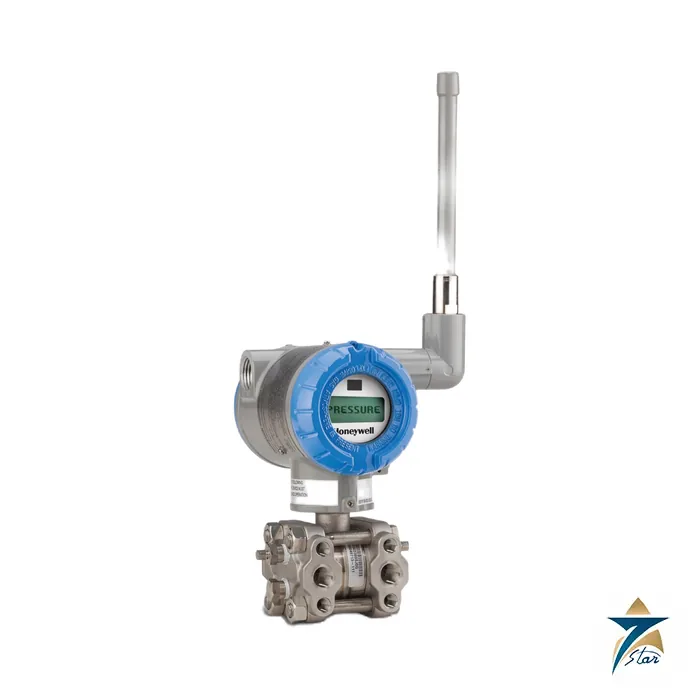
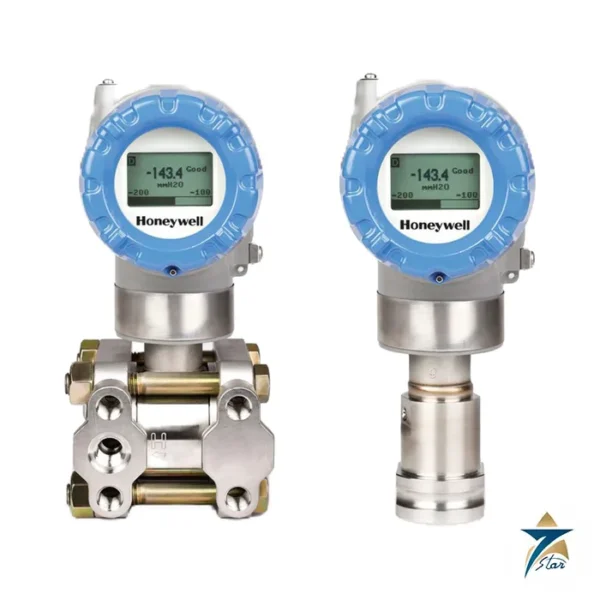
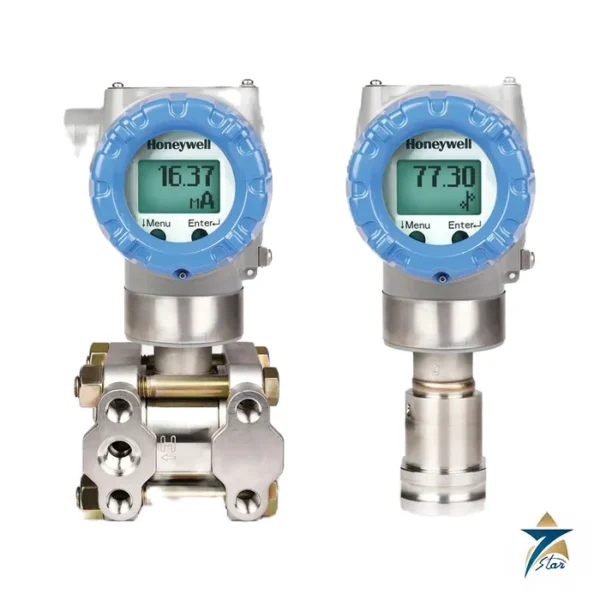
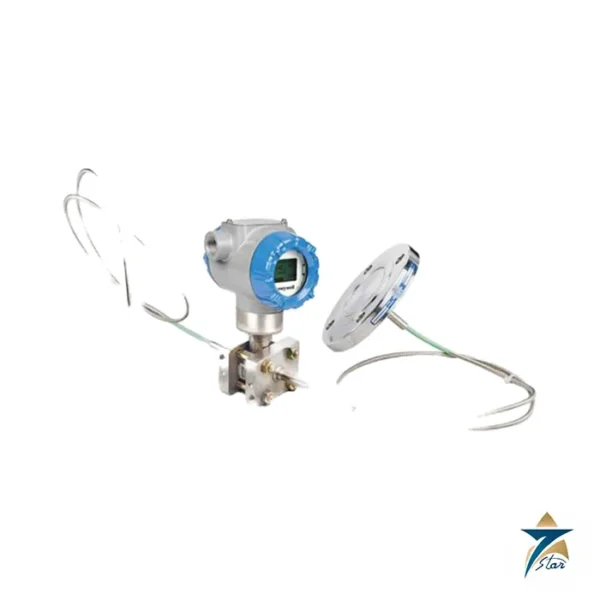
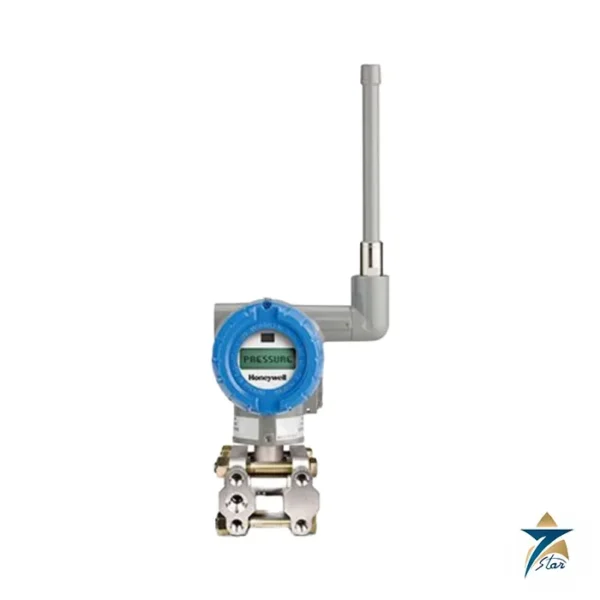
The STDW800 series is the wireless differential pressure transmitter family in the Honeywell SmartLine range. Differential pressure is the workhorse measurement behind orifice and venturi flow, filter and strainer fouling, heat-exchanger pressure drop, and hydrostatic level in closed vessels. The STDW800 gives you that measurement without signal cable: the same pressure-sensing meter body as the wired ST 800 and ST 700 families is combined with an ISA100.11a-ready radio and a battery pack. Seven Star LLC supplies STDW800 models in Oman and the GCC as an independent supplier in Muscat.
The datasheet covers four ranges under the STDW800 heading. Choosing between them is the main decision:
| Model |
Upper range limit |
Minimum span |
Reference accuracy (of span) |
Static pressure limit / MAWP |
| STDW810 |
0 to 10 inH2O (0 to 25 mbar) |
0.1 inH2O |
±0.0375 % |
50 psi (3.45 bar) |
| STDW820 |
0 to 400 inH2O (0 to 1,000 mbar) |
1 inH2O |
±0.0375 % |
4,500 psi (310.2 bar) |
| STDW830 |
0 to 100 psi (0 to 7,000 mbar) |
1 psi |
±0.065 % |
4,500 psi (310.2 bar) |
| STDW870 |
0 to 3,000 psi (0 to 210,000 mbar) |
30 psi |
±0.125 % |
4,500 psi (310.2 bar) |
The 4,500 psi static pressure limit is standard on the STDW820, STDW830 and STDW870; the datasheet lists an optional 6,000 psi (413.7 bar) rating on those three. The static pressure limit is de-rated to 3,000 psi at temperatures from –26 to –40 °C.
STDW800 technical specifications
| Parameter |
Specification |
| Manufacturer / part number |
Honeywell / STDW800 series (STDW810, STDW820, STDW830, STDW870) |
| Measured variable |
Differential pressure with piezoresistive sensor and static pressure compensation |
| Zero static pressure effect |
±0.075 % of span (per datasheet table for the ranges above) |
| Combined zero and span static pressure effect |
±0.15 % of span |
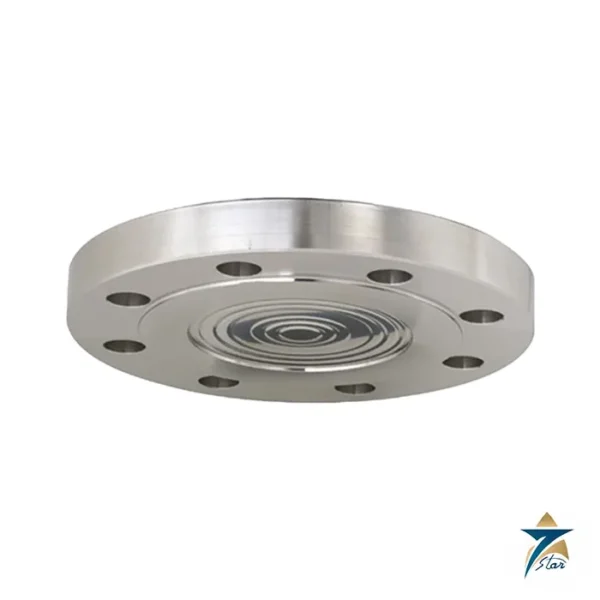
| Barrier diaphragm |
316L stainless steel or Hastelloy C-276 |
| Process head |
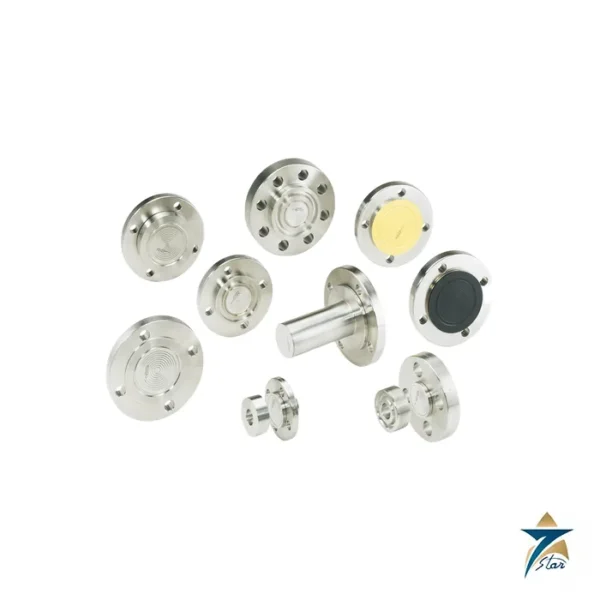
316 stainless steel; head gaskets glass-filled PTFE (standard) |
| Fill fluid |
Silicone DC 200 oil, CTFE (fluorinated oil) or NEOBEE M-20 |
| Process connection |
1/4 inch NPT, 1/2 inch NPT with adapter; DIN 19213 heads |
| Wireless link |
2.4 GHz ISM, DSSS, IEEE 802.15.4; ISA100 Wireless ready |
| Antenna / range |
4 dBi integral, 8 dBi or 14 dBi remote options; nominal 350 m line of sight |
| Power |
Two 3.6 V lithium thionyl chloride D cells or 24 VDC option |
| Weight / housing |
About 5 kg (11 lb); NEMA 4X, IP66/IP67; vibration 4 g (15 to 200 Hz), shock 40 g |
Reference conditions are 25 °C, zero static pressure, 10 to 55 % relative humidity and 316L stainless barrier diaphragm. Accuracy for spans below the reference point follows the formula in the datasheet.
How the STDW800 senses differential pressure without wires
Both sides of the process head carry a barrier diaphragm that transfers pressure through fill fluid to a silicon sensing element. The datasheet quotes distinct static-pressure effects for zero and for span, which tells you how much the reading can move when line pressure changes while the differential stays constant. The result is a differential signal that stays usable when line pressure is far higher than the measured difference, within those stated effects.
The radio layer works as in the rest of the SmartLine Wireless range. The transmitter publishes the value at half-second to sixty-minute intervals, acknowledges every packet and can run either as a mesh node or a star node on the OneWireless network. For flow control from an orifice plate, the star configuration with a fast publish rate is the sensible starting point, while for filter monitoring a one-minute or slower rate extends battery life with no loss of insight.
STDW800 in a flow, level and filter-monitoring layout
- Orifice and venturi flow. Pair the STDW820 with a primary element for the common 400 inH2O span; the root of the DP gives the flow. A square-root extraction is applied in the host system or in a flow computer.
- Level in pressurised vessels. A DP transmitter compares the bottom pressure with the vapour space. The STDW820 or STDW830 usually fits, with wet or dry legs sized to the application.
- Filter and strainer fouling. The STDW830 with a 100 psi range handles pump discharge strainers and cartridge filters where drop rises slowly.
- High-pressure service. The STDW870 covers 0 to 3,000 psi for hydraulic and injection duties, at lower accuracy than the low-span ranges.
- Draft and low-differential duty. The STDW810 at 10 inH2O suits furnace draft, ventilation and clean-room checks, within its 50 psi static limit.
Selecting an STDW800: ranges, materials and options
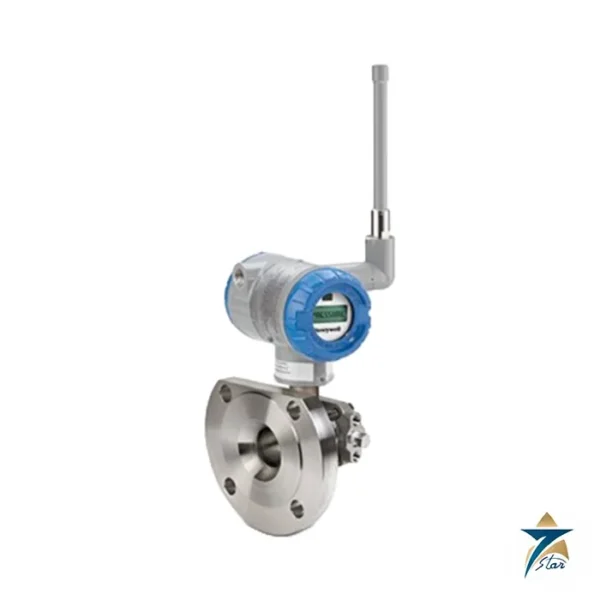
Begin with the span, then the static pressure the transmitter will see on both sides. If the line pressure exceeds 50 psi, the STDW810 is excluded regardless of its low differential span. Then choose the wetted parts. The 316L stainless steel diaphragm covers most clean services; Hastelloy C-276 is available for chloride-rich seawater and chemical dosing duties. The vent and drain arrangement (single-ended or dual-ended, side or centre vent) should match the manifold you plan to use, and the head and bolting materials should match the corrosion and NACE requirements of the plant specification. Sibling wireless models you may need are the STGW800 for gauge pressure, the STAW84L for absolute pressure and the STFW828 for flange-mounted level.
Installing and commissioning the STDW800
- Fit a three- or five-valve manifold so the process isolation, equalising and vent functions are available for zeroing without removing the transmitter.
- Mount the transmitter with the antenna vertical and clear of metalwork, using the 2 inch pipe bracket or a wall mount.
- Zero with the equalising valve open, then check the static pressure effect at operating line pressure where the application demands the best accuracy.
- Join the network by local infrared provisioning or over the air. A custom configuration option allows the tag and range to be preloaded at the factory.
- Replace batteries with approved lithium thionyl chloride cells in the intrinsically safe compartment, observing the hot-work and area rules at the site.
Typical STDW800 applications in Oman and the GCC
Gas-processing plants use wireless DP transmitters on compressor suction strainers, amine-contactor level checks and fuel-gas filter packages. Power plants and desalination units use them to watch seawater intake screens, cartridge filters and heat-exchanger fouling where manual readings were previously the only data. Refineries and petrochemical sites use them for temporary monitoring on units that cannot take a shutdown. Because DP transmitters are fitted with small-bore impulse lines, plan heat tracing or insulation where cold nights or high ambient heat could change fluid density in the legs, and shade the housing from direct sun.
Information to send with an STDW800 RFQ
- Model (STDW810, STDW820, STDW830 or STDW870) and calibrated range with units.
- Static pressure, process fluid, minimum and maximum temperature.
- Diaphragm, head, gasket and fill-fluid selections, and any NACE requirement.
- Vent and drain arrangement, manifold type if required.
- Hazardous-area classification and approval scheme.
- OneWireless release, antenna option, destination country, power source, tag text and quantity.
Documents and quotation for the STDW800
A datasheet for the STDW800 series is attached on this page, covering ranges, performance, static pressure limits and the model selection guide.
Send the exact model and the application data and we will confirm availability, lead time and any other documents for the quotation.
Other Models in the Honeywell Smartline Wireless Range
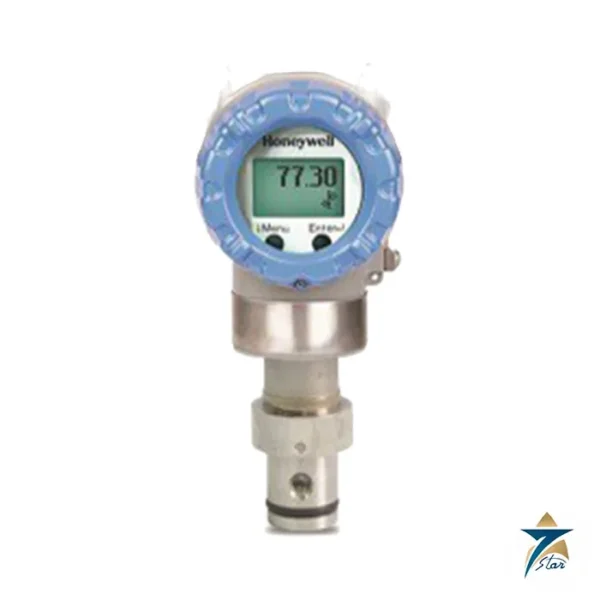
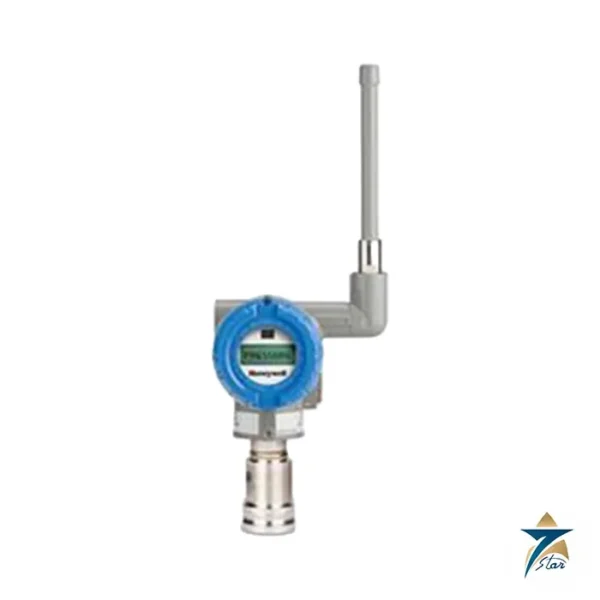
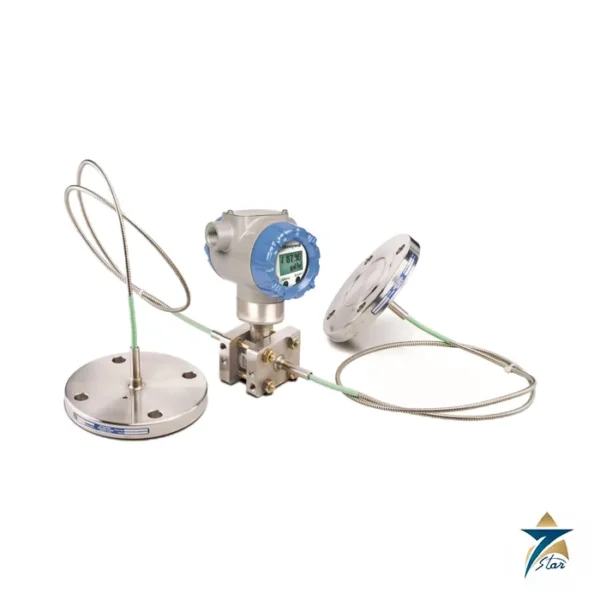
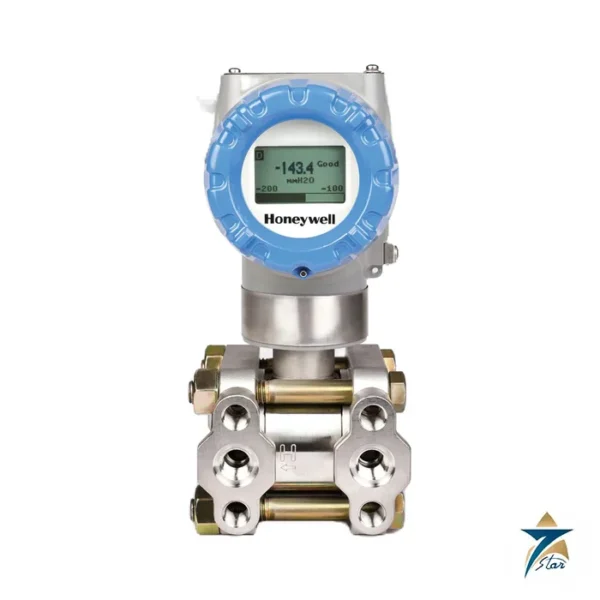
Seven Star LLC supplies models from the Honeywell Smartline Wireless range in Oman and the GCC. Compare the related models below and request a quote for the one that matches your application.


















Reviews
There are no reviews yet.