- Vibration Monitoring
- PLC & I/O Cards
- Industrial Communications
- Automation Accessories
- Controllers & Data Acquisition
- AC Drives
- Isolator & Barrier
- Industrial Computers
- Encoders
- Safety Switches & Guard Locking
- Automation Software
- HMI Displays
- Motor Soft Starters
- Robotics
- Servo Drives
- CCTV & Security
- Pneumatic Cylinders
- Machine Vision
Category guide
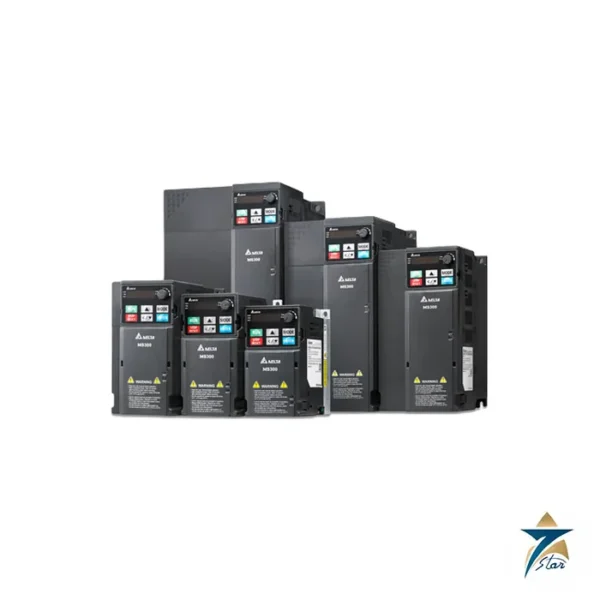
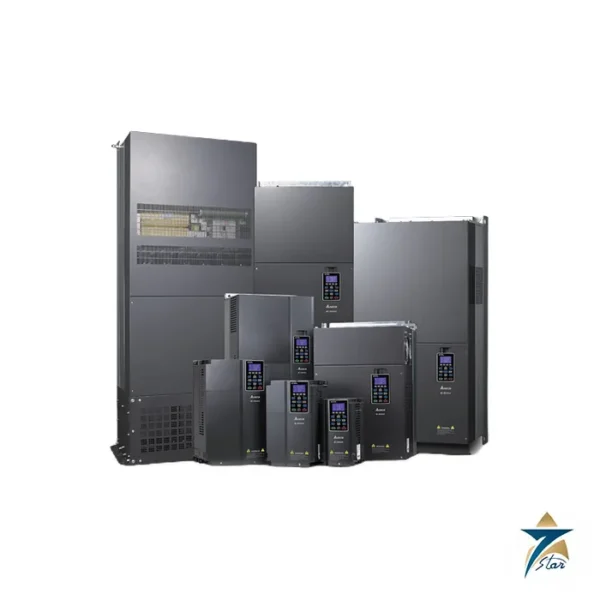
About AC Drives
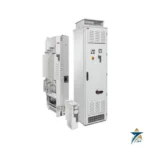
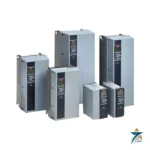
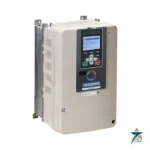
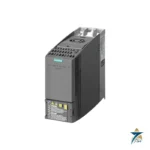
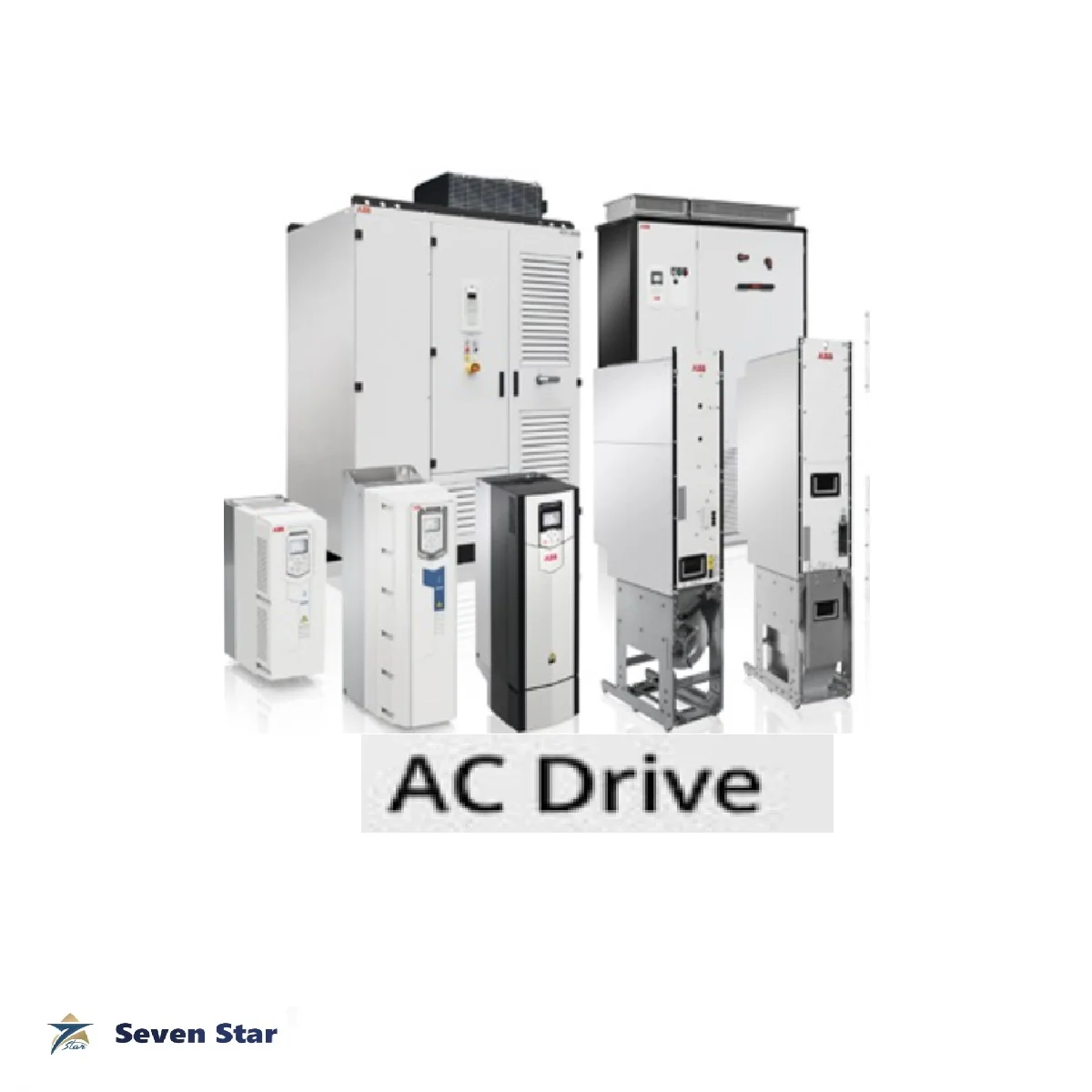
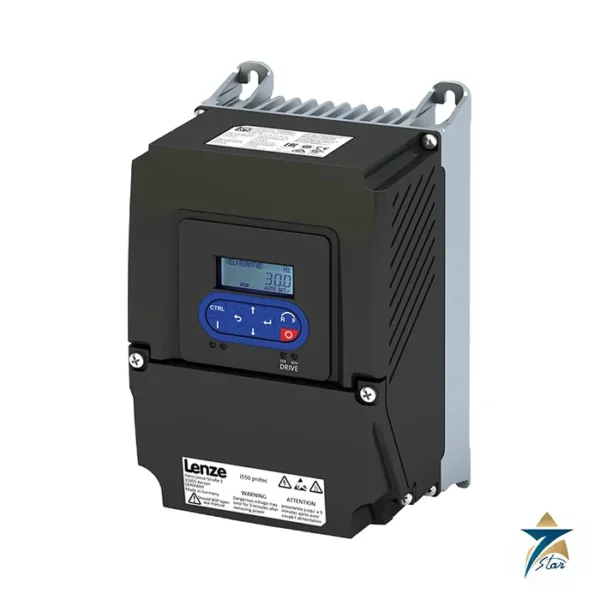
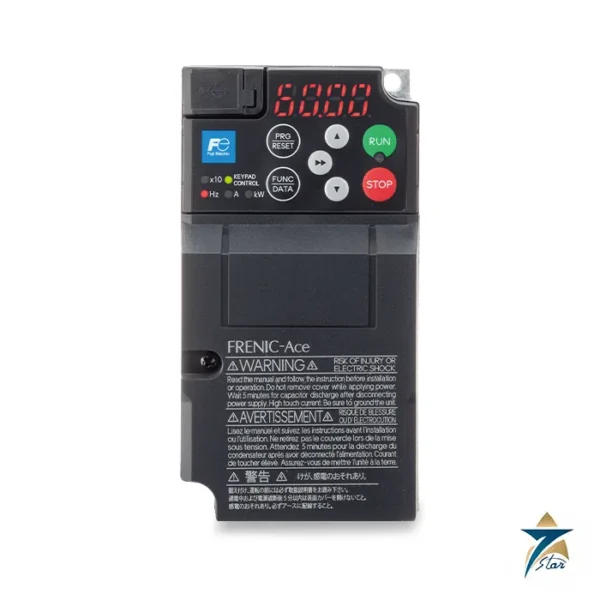
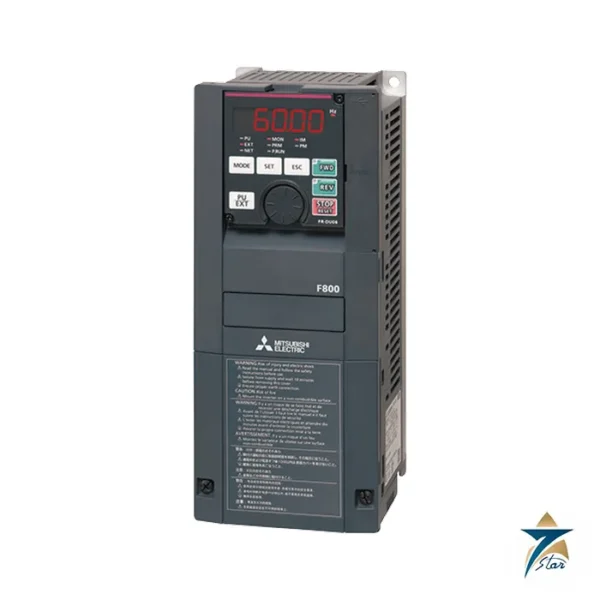
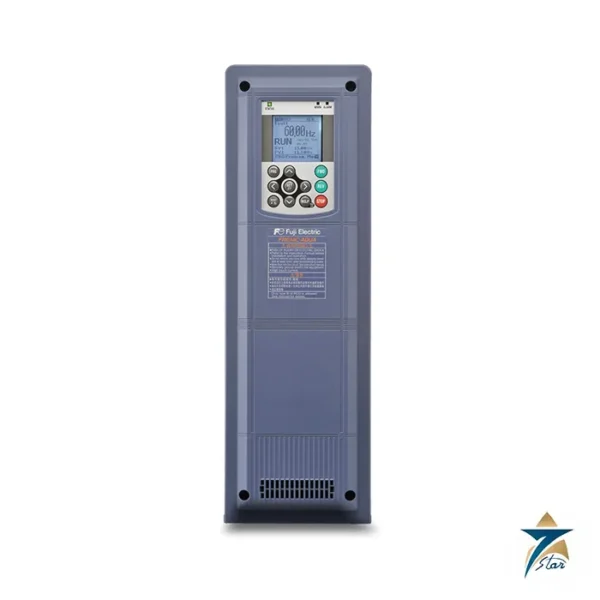
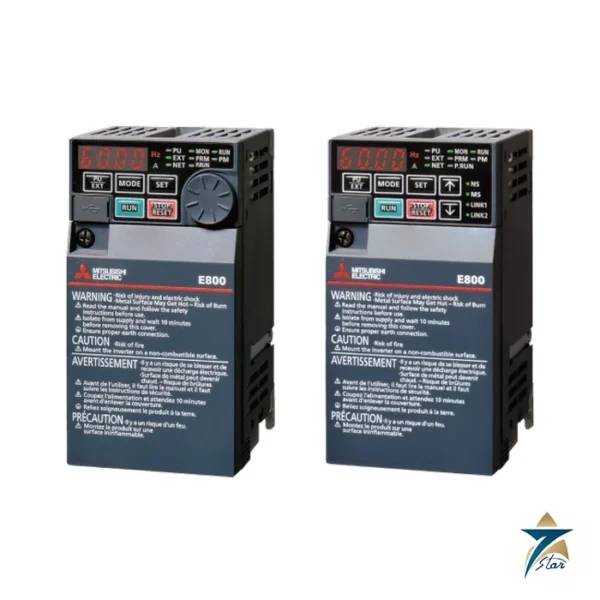
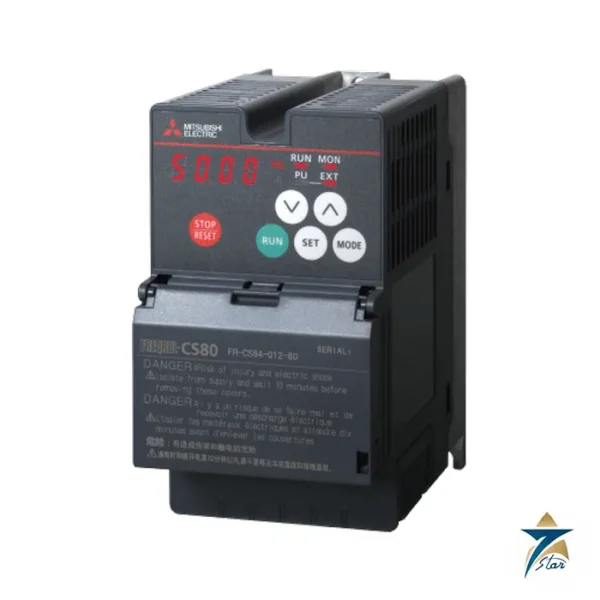
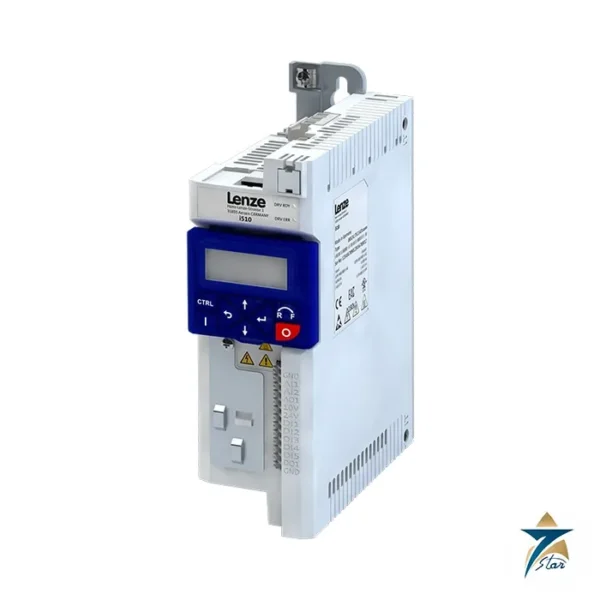
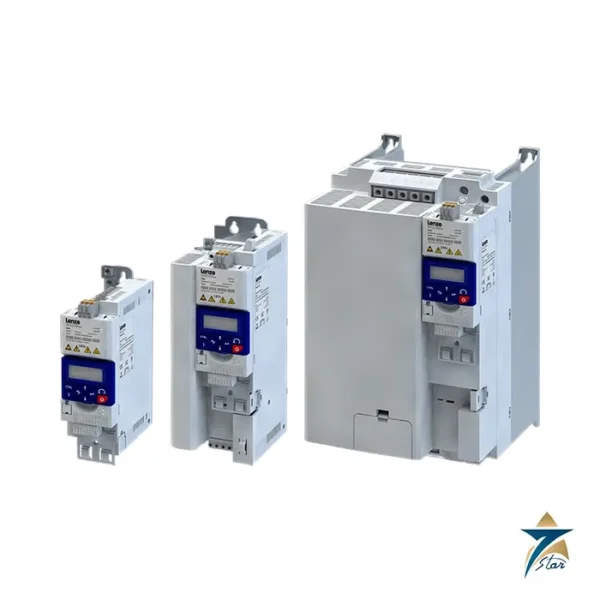
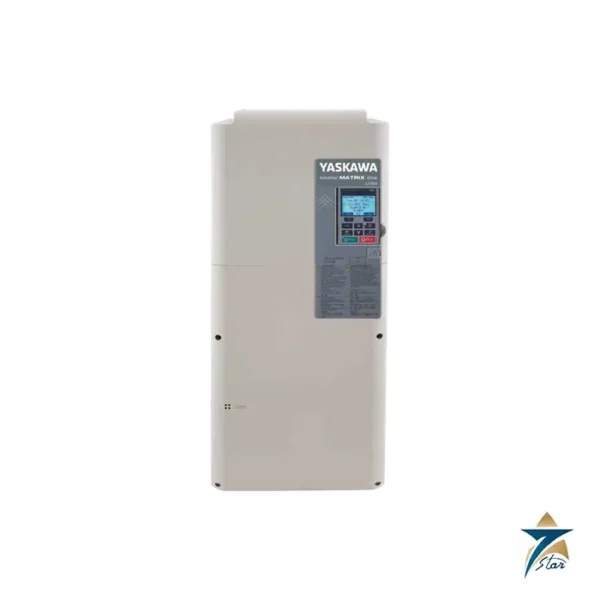
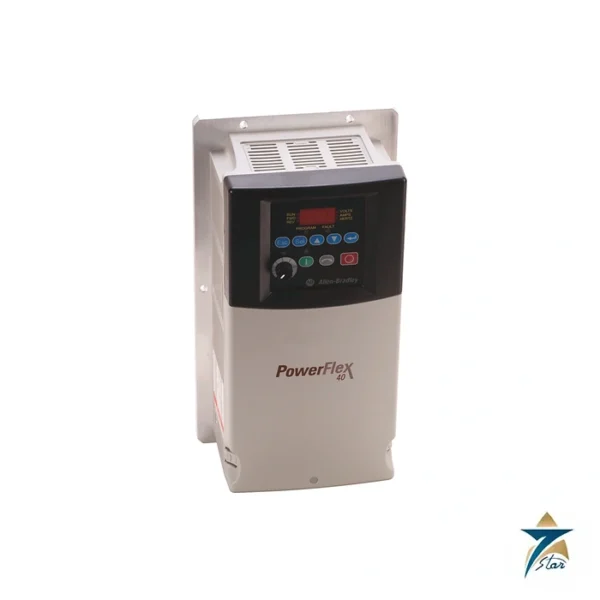
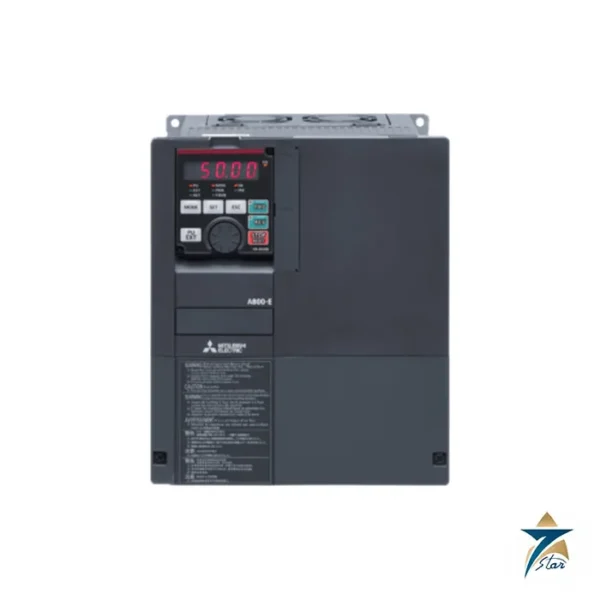
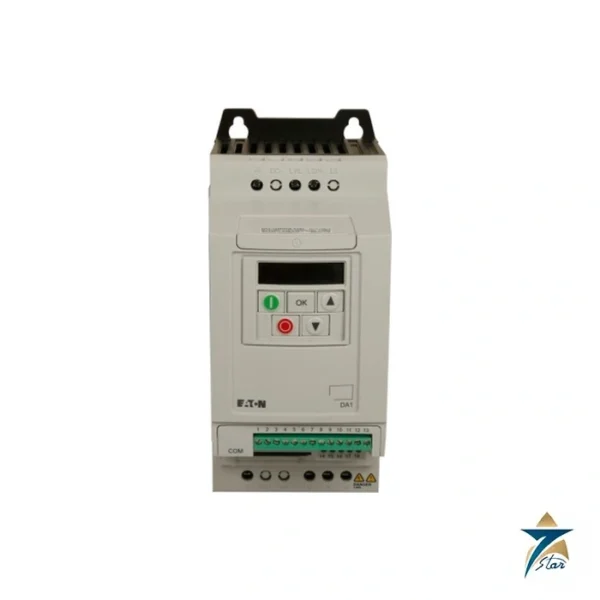
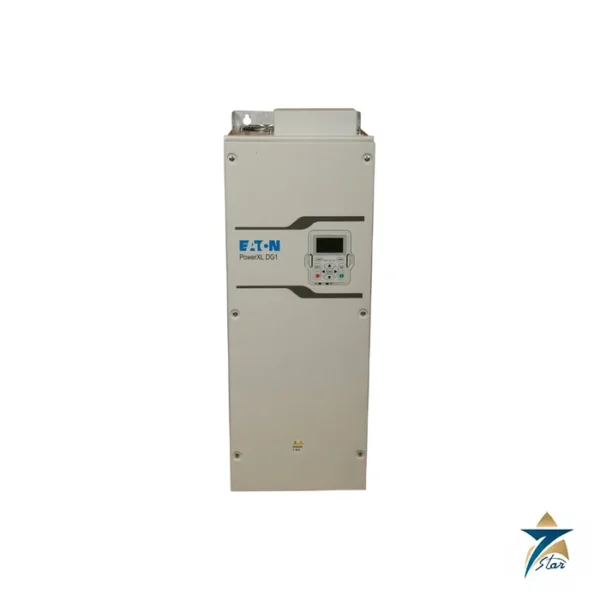
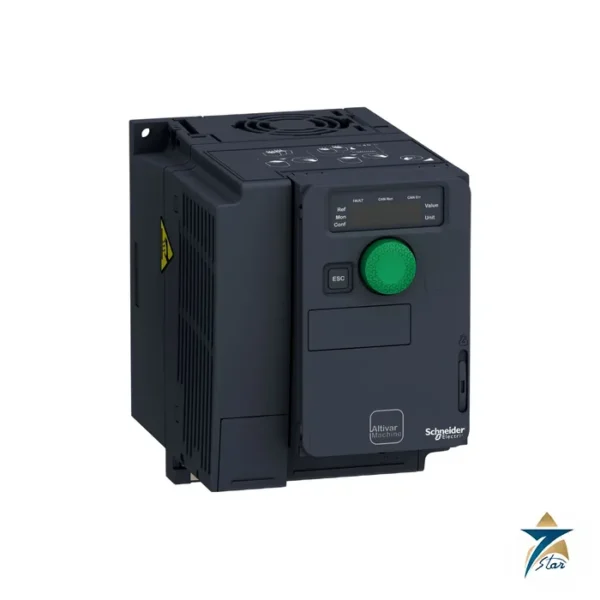
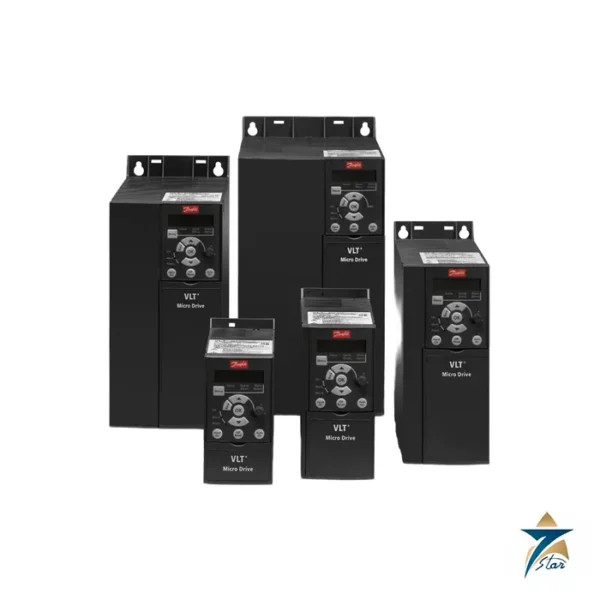
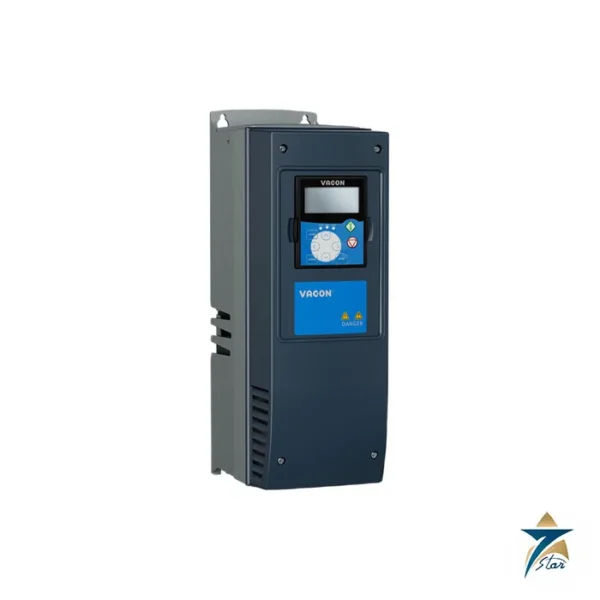
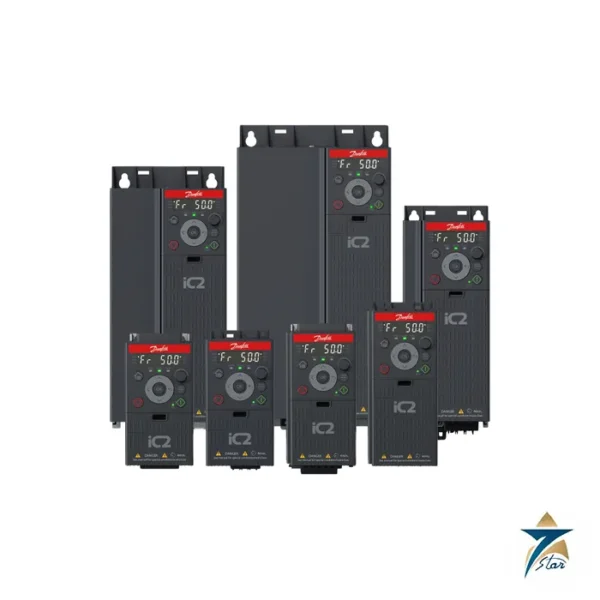
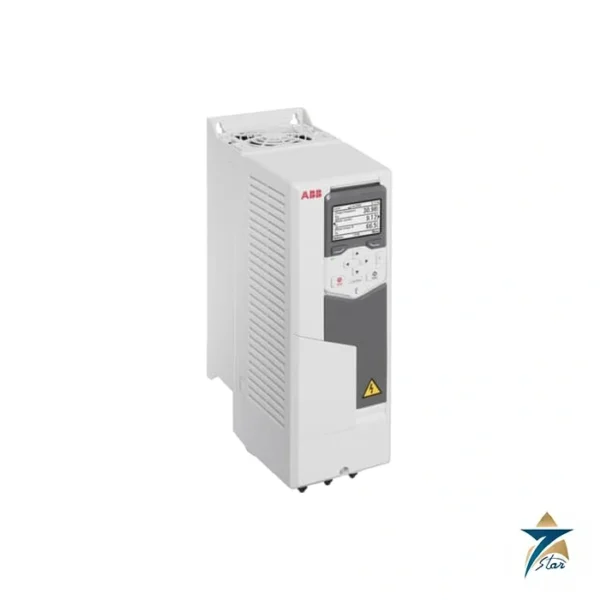
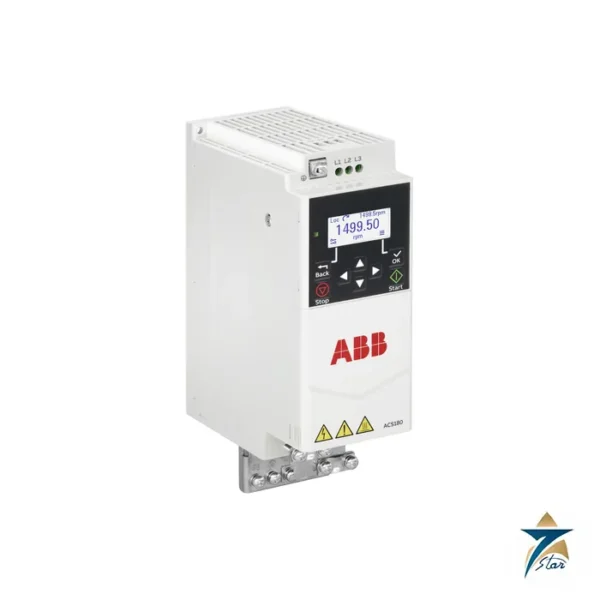
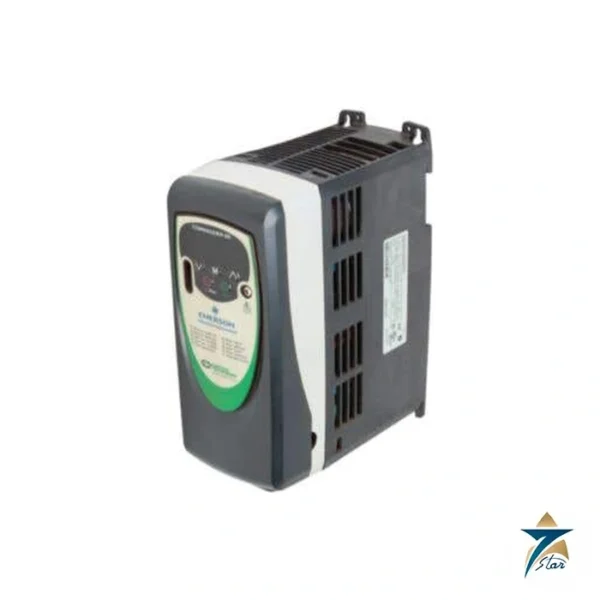
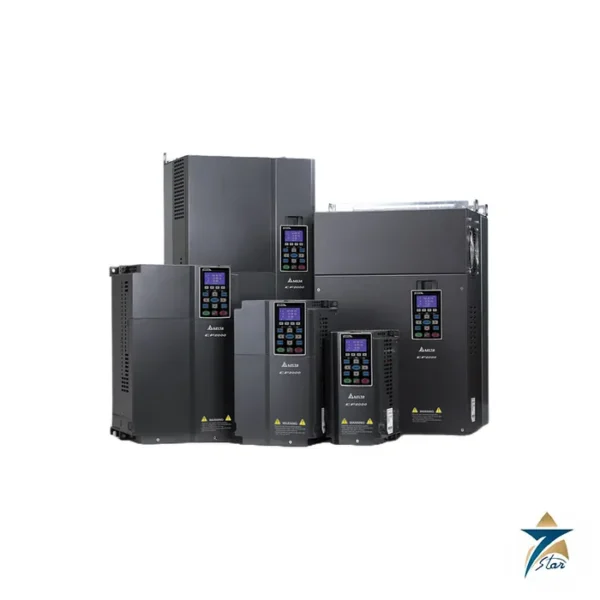
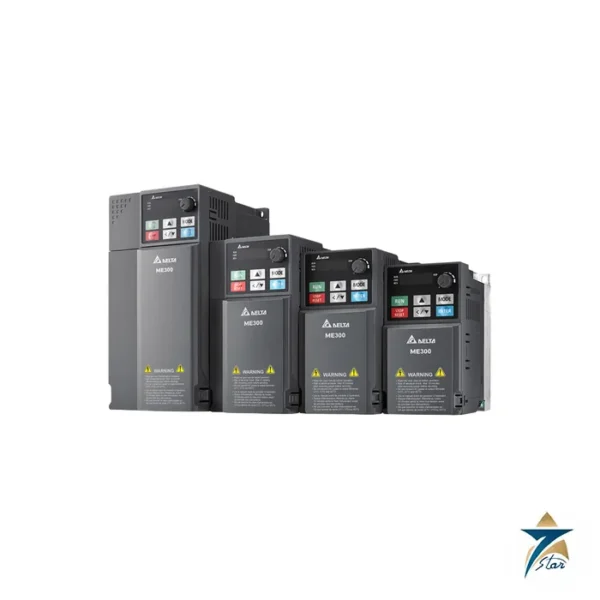
AC drives, also called variable frequency drives (VFDs) or frequency inverters, control the speed and torque of AC motors by varying the frequency and voltage supplied to them. Seven Star LLC supplies industrial AC drives to plants and panel builders in Oman, including Schneider Electric Altivar, ABB ACS355 and ACS580, Danfoss VLT AutomationDrive, Allen-Bradley PowerFlex and Siemens SINAMICS units. Drives from Control Techniques, Yaskawa, LS Electric, WEG and NORD Drivesystems are listed as well.
Types of AC drive in this category
The listing follows the way manufacturers split their own ranges. Compact machinery drives such as the ABB ACS355 and Schneider Electric Altivar 320 go inside machine panels and run conveyors, mixers and small pumps. General purpose and process drives such as the ABB ACS580, Danfoss VLT AutomationDrive FC 302 and Allen-Bradley PowerFlex 755 cover larger motors and offer more I/O, fieldbus options and control modes. The Siemens SINAMICS G120X is built for pump and fan duty in water and HVAC systems. The NORD NORDAC FLEX is a decentralized inverter mounted on or near the motor. The Var-Spe K2 is a hydrostatic speed variator, a hydraulic alternative to an electronic drive.
How to select a variable frequency drive
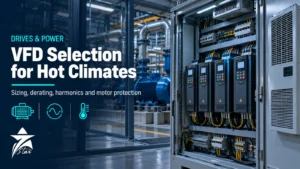
Size a drive by motor full-load current, not by kilowatts alone, and check the overload class against the load. Pumps and fans have a variable torque characteristic and can use a normal-duty rating. Conveyors, crushers, extruders and hoists need constant torque and a heavy-duty rating. Then confirm the supply voltage and number of phases, the enclosure rating for the location, the EMC filter category, and the ambient temperature, since drives are derated in hot plant rooms, a common condition in the GCC. Long motor cables may call for an output reactor or sine filter, and a motor that was not designed for inverter duty should be checked for winding insulation and bearing currents. Braking resistors, safe torque off (STO) and the fieldbus interface, PROFIBUS, PROFINET, EtherNet/IP or Modbus, are usually options in the type code.
Data needed for a drive quotation
Send the drive type code if you are replacing an existing unit. For a new application send motor nameplate data (power, voltage, full-load current, speed), supply voltage, load type, required enclosure rating, control method, fieldbus, and any options such as a keypad, brake chopper or filter.
What to include in your inquiry
These details let us quote the right item the first time.
- Motor power (kW) and rated current
- Supply voltage and number of phases
- Application (pump, fan, conveyor, compressor)
- Communication option
- Enclosure rating and ambient temperature
Missing some of them? Send what you have. A nameplate photo or an old part number is enough to start.
Top brands in AC Drives
All brands →











Related categories
- Vibration Monitoring161
- PLC & I/O Cards105
- Industrial Communications99
- Automation Accessories74
- Controllers & Data Acquisition63
- Isolator & Barrier19
- Industrial Computers15
- Safety Switches & Guard Locking14
- Encoders14
- Automation Software9
- HMI Displays8
- Motor Soft Starters8
- Servo Drives5
- CCTV & Security4
- Robotics4
- Pneumatic Cylinders2