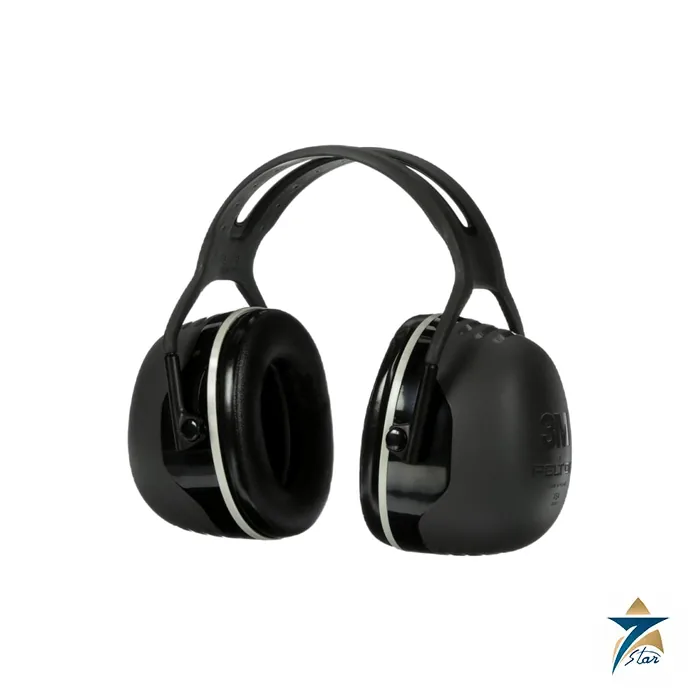
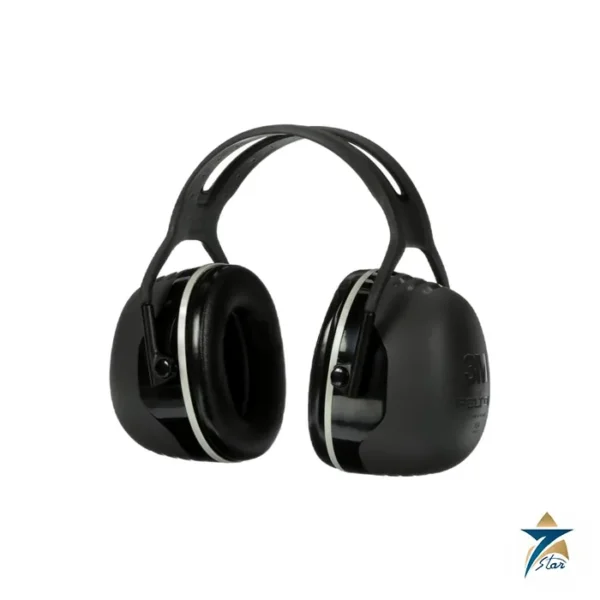
3M Peltor X5A Over-the-Head Earmuffs, NRR 31 dB Supplied by Seven Star LLC

Hearing Protection

Hearing protection in this category currently consists of one product, the 3M Peltor X5A over-the-head earmuff, a passive earmuff for high-noise work areas such as compressor houses, turbine enclosures and fabrication shops. Seven Star LLC supplies it to plants, workshops and contractors in Oman and the GCC. The range is growing, and other earmuff versions, helmet-mounted models and earplugs can be sourced on request.
Read more about Hearing Protection

Category guide

About Hearing Protection

1 product 1 brand

Hearing protection in this category currently consists of one product, the 3M Peltor X5A over-the-head earmuff, a passive earmuff for high-noise work areas such as compressor houses, turbine enclosures and fabrication shops. Seven Star LLC supplies it to plants, workshops and contractors in Oman and the GCC. The range is growing, and other earmuff versions, helmet-mounted models and earplugs can be sourced on request.

Where passive earmuffs are used

Earmuffs enclose the whole ear with a cushioned cup and attenuate noise without electronics. They are simple to put on, easy for a supervisor to see, and practical for people who enter and leave noisy areas many times a shift. Typical places are generator rooms, pump stations, workshops and grinding or blasting areas. Over-the-head models carry the cups on a headband. Where a helmet is worn, helmet-mounted or behind-the-neck versions are the usual alternative.

Choosing the right hearing protection

Start from the measured noise level at the work position. The protector should bring the level at the ear under the site action limit, but not far below it, because over-protection makes people miss alarms, radio calls and warnings from colleagues. Attenuation is stated as NRR on products rated for the United States and as SNR under European EN 352, and the two numbers are not directly comparable. Fit affects the result: thick spectacle frames, hair or a hood under the cushion reduce the seal. Cushions and inserts harden with use and are replaced periodically as hygiene kits.

For a quotation, send the model or part number, the quantity and the noise level if you want the selection checked against the manufacturer’s data.

What to include in your inquiry

These details let us quote the right item the first time.

  • Product reference
  • Size
  • Standard required on site
  • Quantity

Missing some of them? Send what you have. A nameplate photo or an old part number is enough to start.

Brands in Hearing Protection

All brands →

Related categories

Request a Quote for Hearing Protection

Looking for a specific model, part number or brand in Hearing Protection? Send us your requirements and quantities. Seven Star LLC sources genuine industrial equipment for customers across Oman and the GCC and replies with a formal quotation.

Free, no-obligation quotation · takes about 1 minute

Other enquiries: [email protected] · WhatsApp

Frequently Asked Questions

What does the NRR on an earmuff tell me?
The Noise Reduction Rating is a single-number attenuation value measured under laboratory conditions with a United States test method. It lets you compare products, but the protection achieved at work is usually lower because of fit, spectacles and time not worn. Your hearing conservation procedure will say how to apply the rating to the measured noise level.
Earmuffs or earplugs: which is better?
Both protect when worn correctly all the time. Earmuffs are easier to fit consistently and to check, and suit intermittent exposure. Earplugs are lighter, cooler in hot weather and compatible with helmets, glasses and face shields, but depend more on correct insertion. In very high noise the two are sometimes worn together under the site procedure.
Can over-the-head earmuffs be worn with a hard hat?
The headband of an over-the-head earmuff sits where the helmet shell goes, so the two normally do not combine. For work that requires a helmet, manufacturers offer helmet-mounted cups that clip into the slots of the helmet, and behind-the-neck versions. Tell us the helmet make and model and we check which attachment the manufacturer lists for it.
Do safety glasses reduce the protection of earmuffs?
They can. The temples of the glasses pass under the cushion and open a small gap, which lowers attenuation, more so with thick frames. Thin, flat temples keep the loss small. The same applies to hair, hoods and respirator straps under the cushion. Check that the cushion seals all the way round the ear each time the earmuff is put on.
How often should earmuff cushions be replaced?
Cushions and foam inserts age with sweat, heat and compression. They harden or crack and no longer seal. Manufacturers supply replacement cushions and inserts as hygiene kits and recommend changing them at regular intervals, more often with daily use in hot conditions. Inspect the cushions before use and replace them when they are stiff, deformed or damaged.