- Vibration Monitoring
- PLC & I/O Cards
- Industrial Communications
- Automation Accessories
- Controllers & Data Acquisition
- AC Drives
- Isolator & Barrier
- Industrial Computers
- Encoders
- Safety Switches & Guard Locking
- Automation Software
- HMI Displays
- Motor Soft Starters
- Servo Drives
- CCTV & Security
- Robotics
- Pneumatic Cylinders
- Machine Vision






Category guide
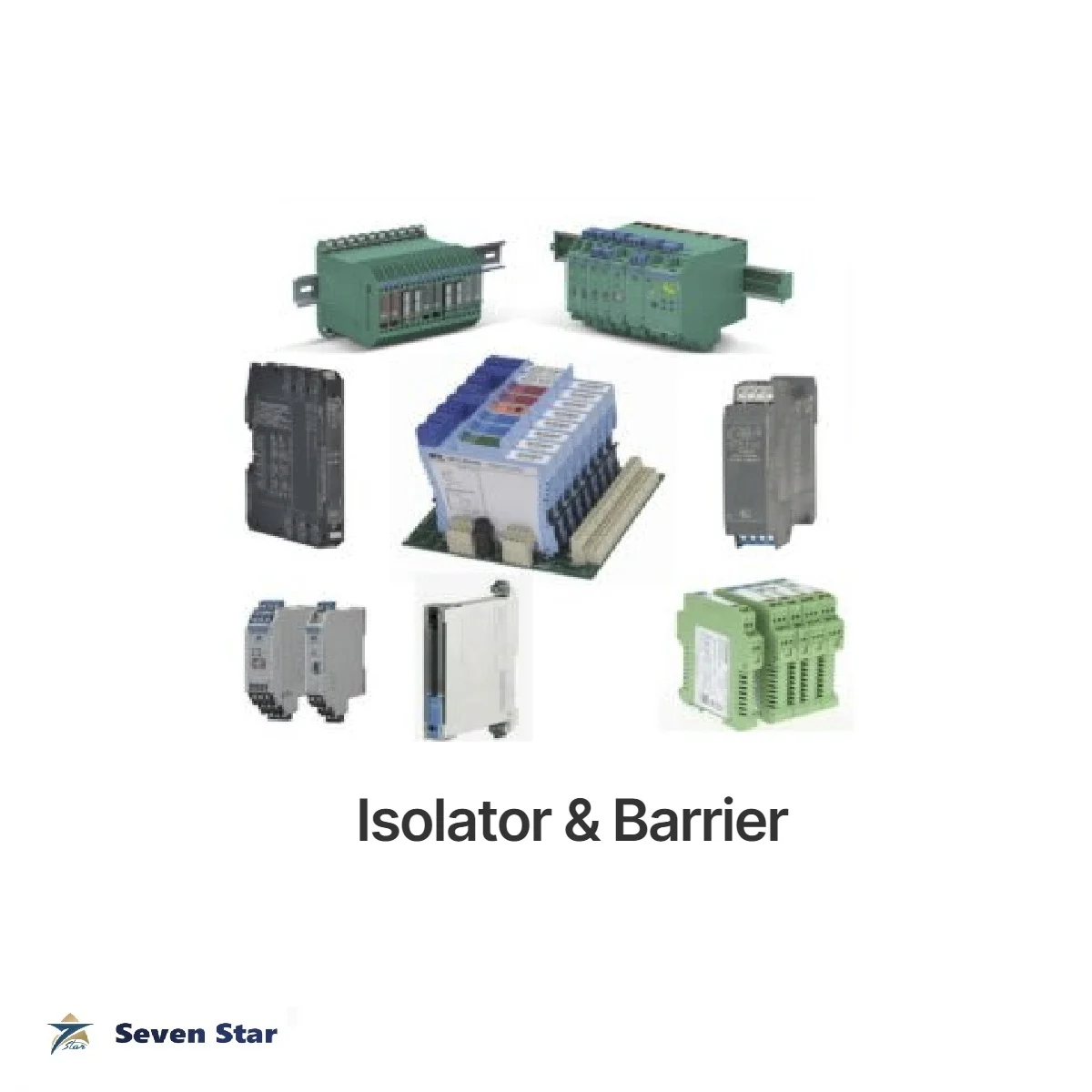
About Isolator & Barrier
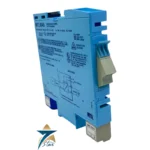
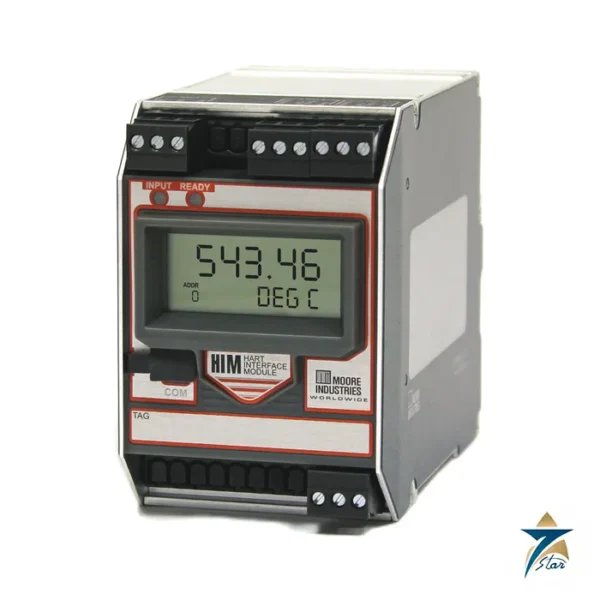
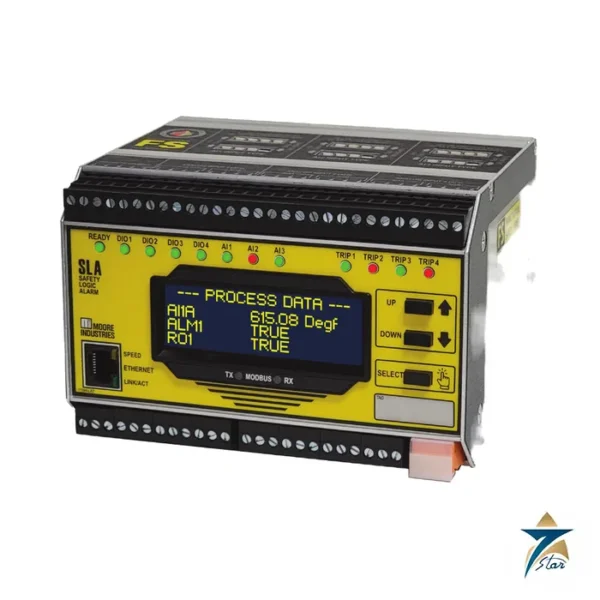
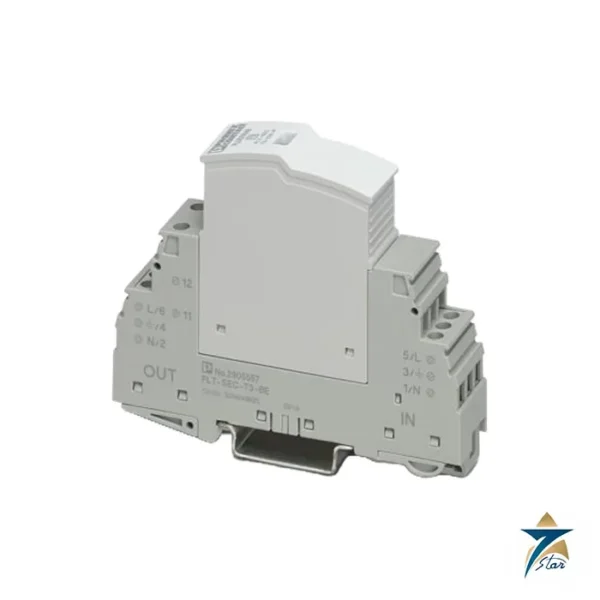
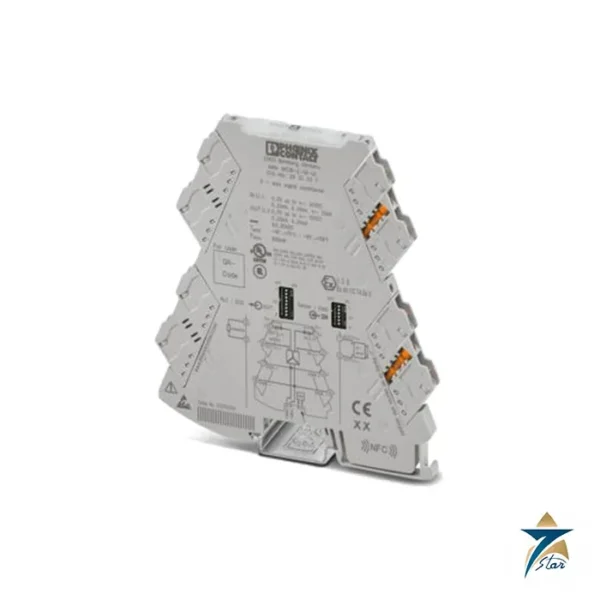
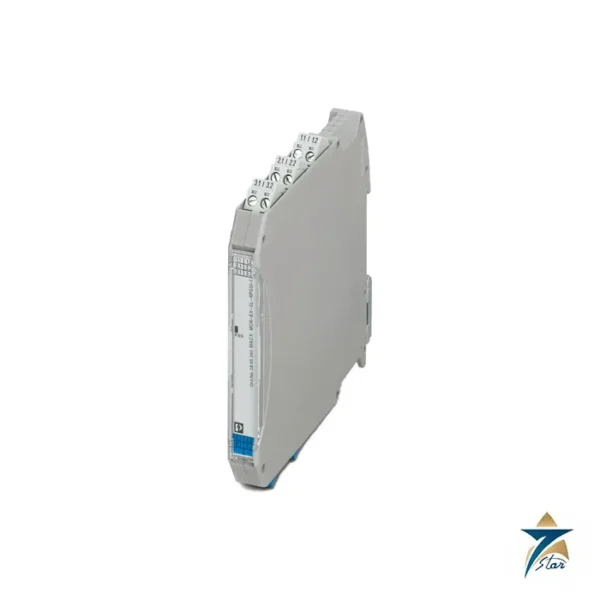
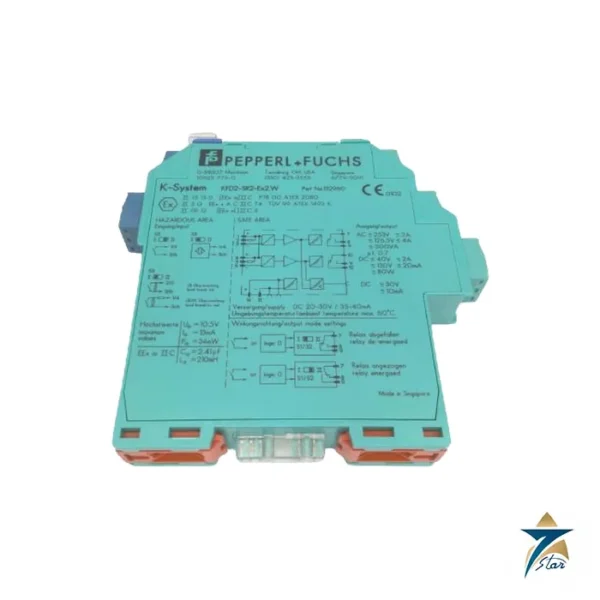
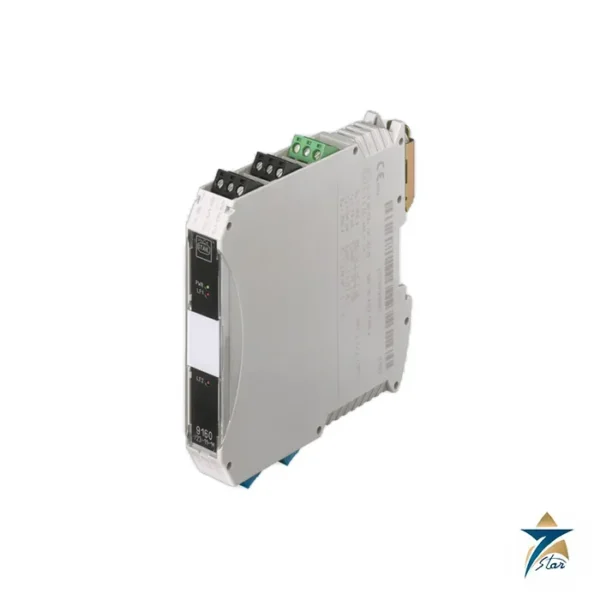
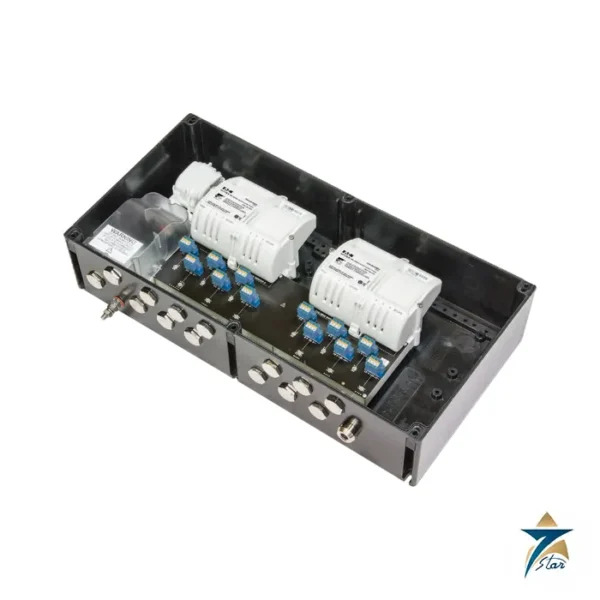
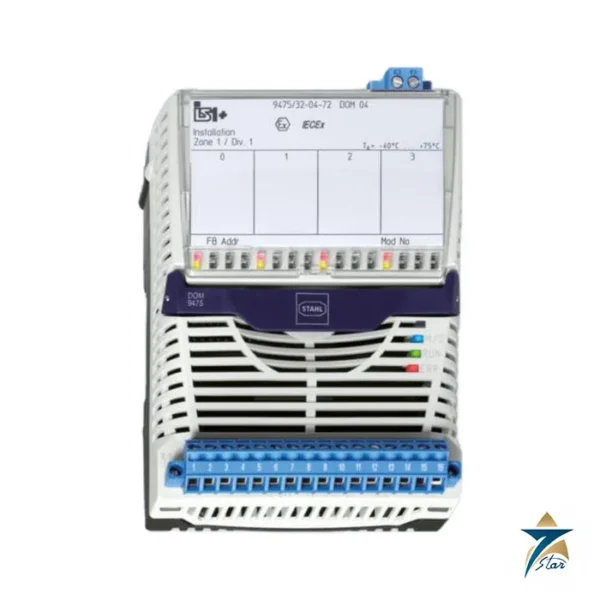
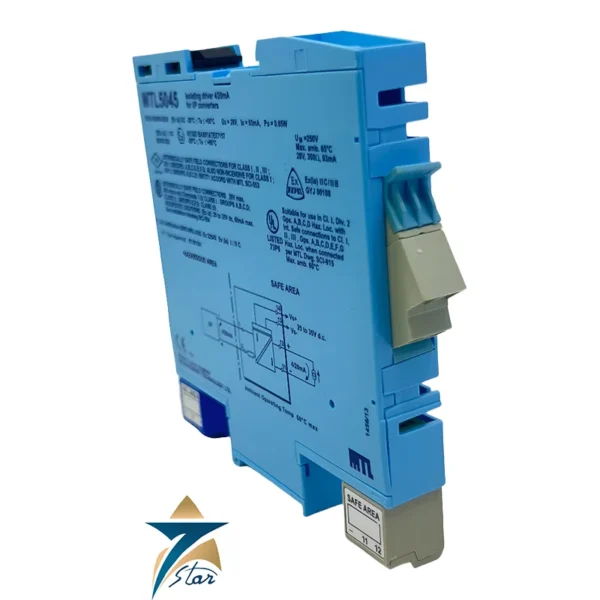
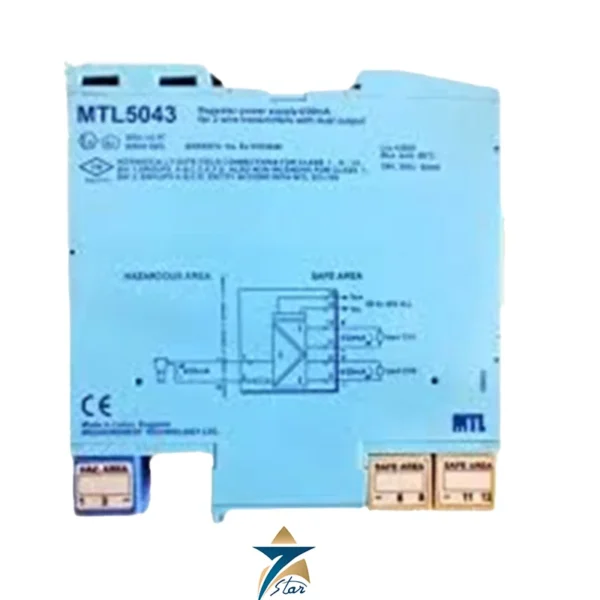
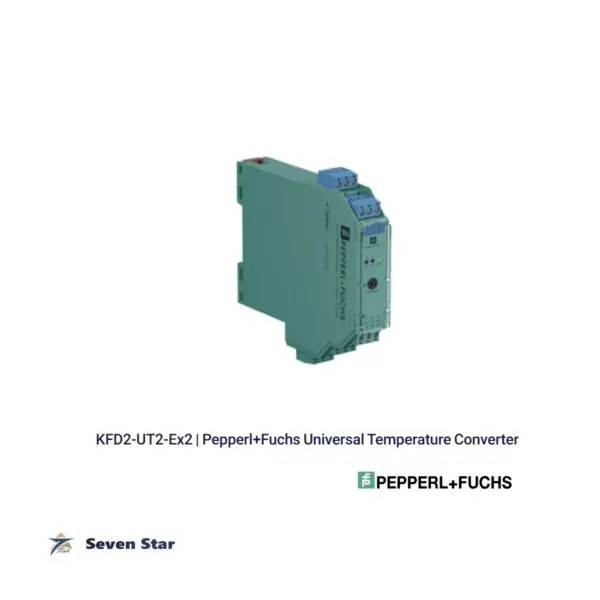
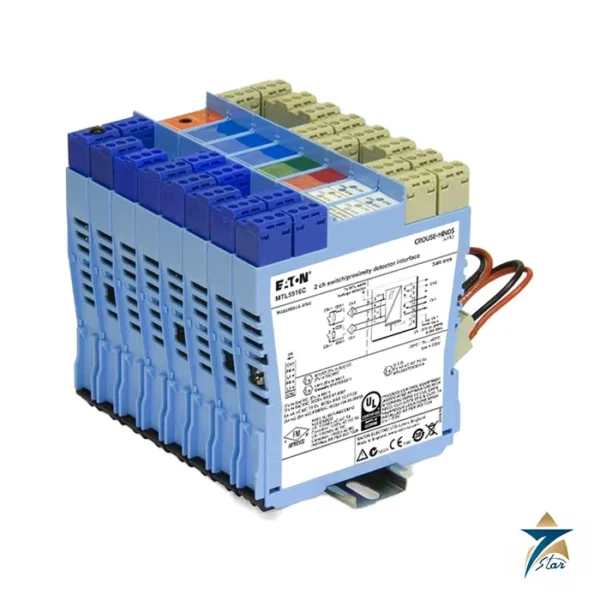
Isolators and barriers are the interface modules between field instruments and the control system. Intrinsically safe isolators limit the energy sent into a hazardous area, and signal isolators and converters separate, convert and repeat signals in the safe area. Seven Star LLC supplies these modules to instrument engineers in Oman, with MTL isolating barriers and repeater power supplies, Pepperl+Fuchs K-System and H-System modules, R. STAHL Ex i modules, PR electronics universal converters, Moore Industries signal isolators and Phoenix Contact surge protection.
Types of isolator barrier in this category
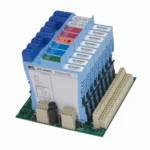
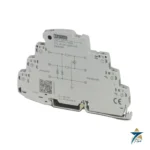
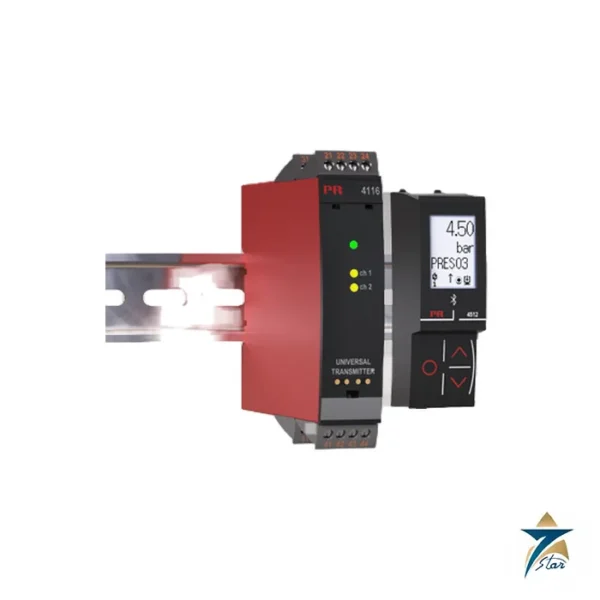
Most items are galvanic isolators, which combine energy limitation with electrical separation between the field circuit, the control system and the power supply. By function they divide into repeater power supplies that feed a two-wire transmitter and repeat its 4-20 mA signal, often passing HART through, temperature converters that take thermocouple or RTD inputs and give a linear current output, digital output modules that drive solenoids and alarms in the hazardous area, and fieldbus barriers that feed intrinsically safe spurs on a fieldbus segment. Universal converters such as the PR electronics 4116 and 9116B accept many input types and are set up by configuration. Surge protectors divert lightning and switching transients and are fitted on long outdoor cable runs.
Zener barrier or galvanic isolator, and other selection points
A Zener barrier is a passive shunt-diode device that needs a dedicated intrinsic safety earth. A galvanic isolator needs no such earth and keeps the field loop floating, which is why it has become the usual choice in new plants across the GCC. Selection then follows the loop: signal type, number of channels, hazardous-area gas group, and the entity parameters. The Uo, Io and Po of the isolator must not exceed the Ui, Ii and Pi of the field device, and the cable capacitance and inductance must stay within Co and Lo. For loops in a safety instrumented function, check the module’s SIL capability in its functional safety manual. The mounting system matters too: DIN-rail modules and termination-board modules are not interchangeable.
What to send for a signal barrier quotation
Send the full model number. Without one, give the signal type, the field device and its hazardous-area marking, the number of channels, supply voltage and mounting style.
What to include in your inquiry
These details let us quote the right item the first time.
- Full part number or order code
- Hardware and firmware revision, when replacing a part
- Control system or PLC family it must work with
- New installation or replacement of an obsolete part
- Quantity and required delivery date
Missing some of them? Send what you have. A nameplate photo or an old part number is enough to start.
Brands in Isolator & Barrier
All brands →





Related categories
- Vibration Monitoring159
- PLC & I/O Cards100
- Industrial Communications97
- Automation Accessories61
- Controllers & Data Acquisition59
- AC Drives52
- Industrial Computers15
- Encoders12
- Safety Switches & Guard Locking9
- Automation Software9
- HMI Displays8
- Motor Soft Starters6
- Servo Drives4
- CCTV & Security2
- Robotics2
- Pneumatic Cylinders1