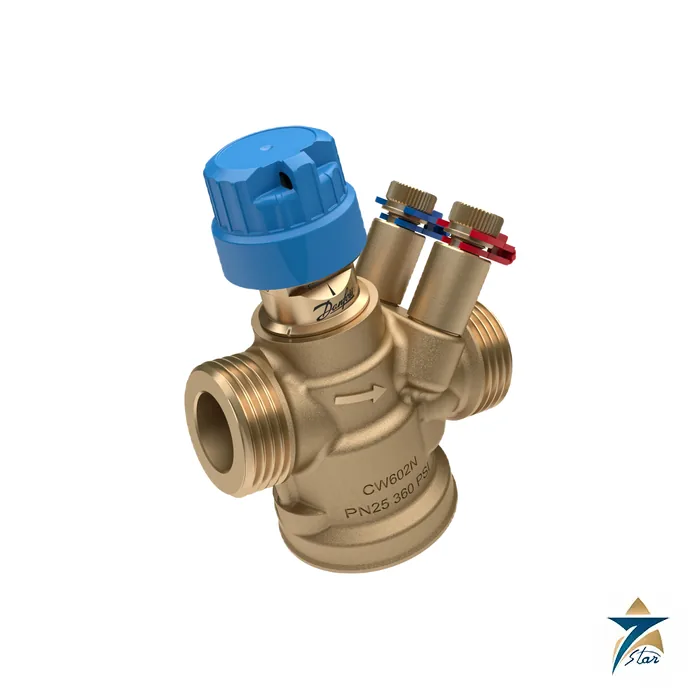
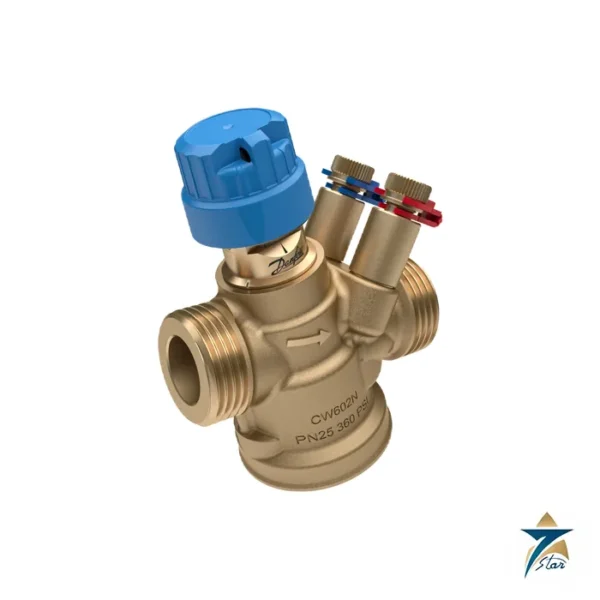
Danfoss AB-QM Pressure Independent Control Valve (PICV) DN 15-250 Supplied by Seven Star LLC

Pressure Independent Control Valves

A pressure independent control valve (PICV) combines a differential pressure regulator, a flow limiter and a modulating control valve in one body, so the flow through a terminal unit stays at its set value while pressure elsewhere in the network changes. Seven Star LLC supplies PICVs in Oman from Belimo, Danfoss, Siemens, Frese and IMI TA. Six valve series are listed, from small threaded valves for fan coil units to flanged valves for air handling units and plant rooms. The range is growing.
Read more about Pressure Independent Control Valves

Category guide

About Pressure Independent Control Valves

6 products 5 brands

A pressure independent control valve (PICV) combines a differential pressure regulator, a flow limiter and a modulating control valve in one body, so the flow through a terminal unit stays at its set value while pressure elsewhere in the network changes. Seven Star LLC supplies PICVs in Oman from Belimo, Danfoss, Siemens, Frese and IMI TA.

Six valve series are listed, from small threaded valves for fan coil units to flanged valves for air handling units and plant rooms. The range is growing.

PICV types listed: mechanical, electronic and energy valves

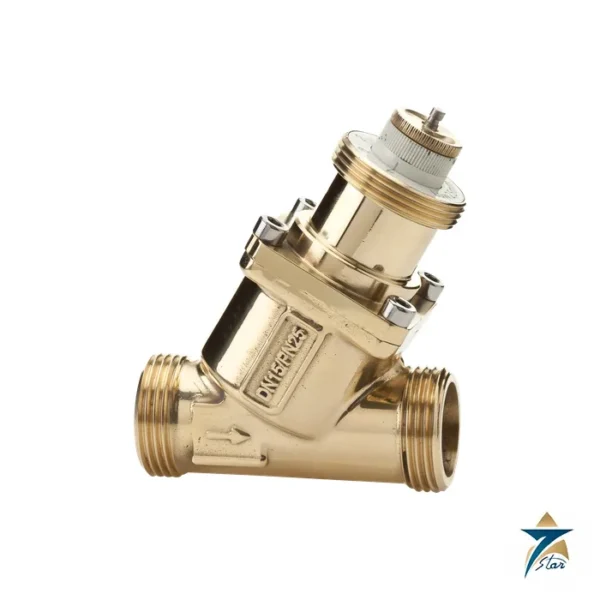
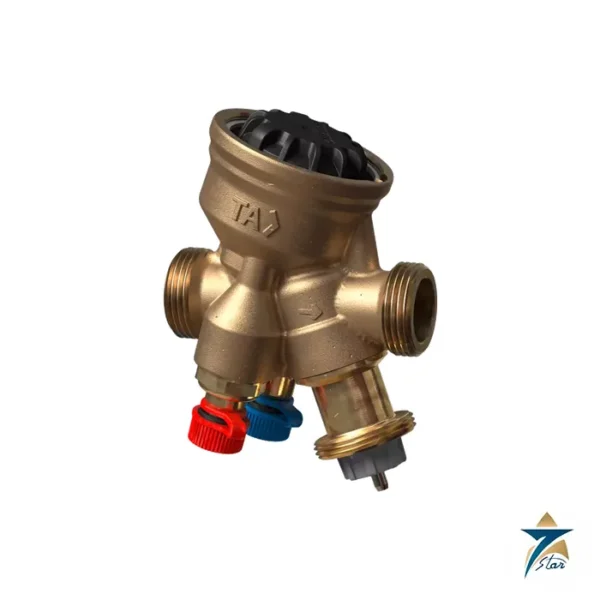
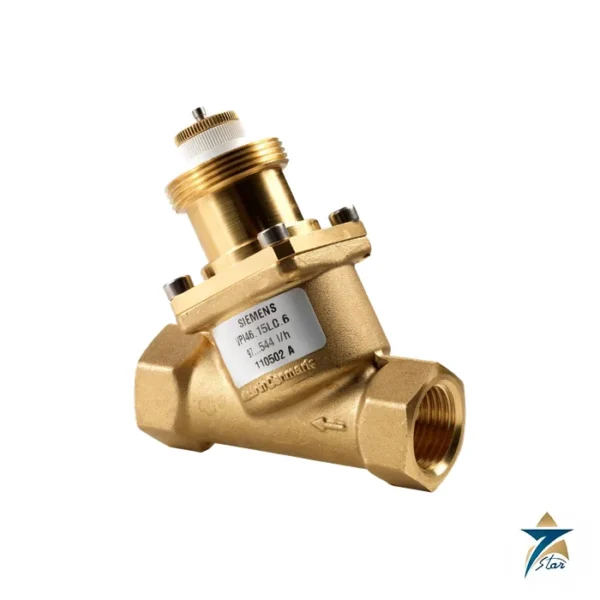
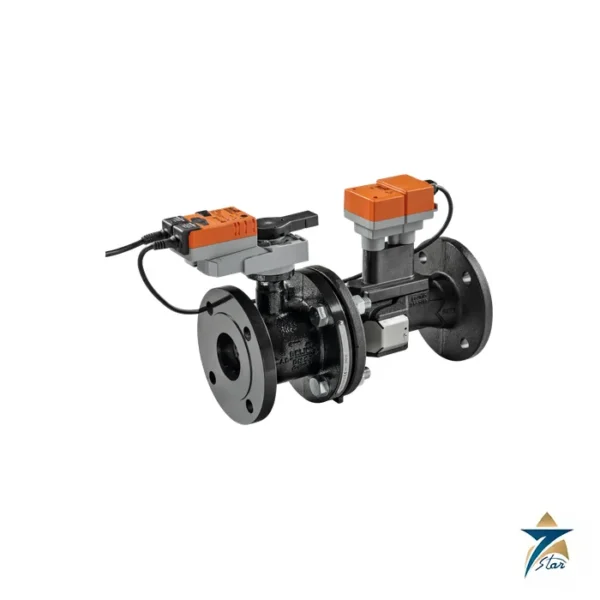
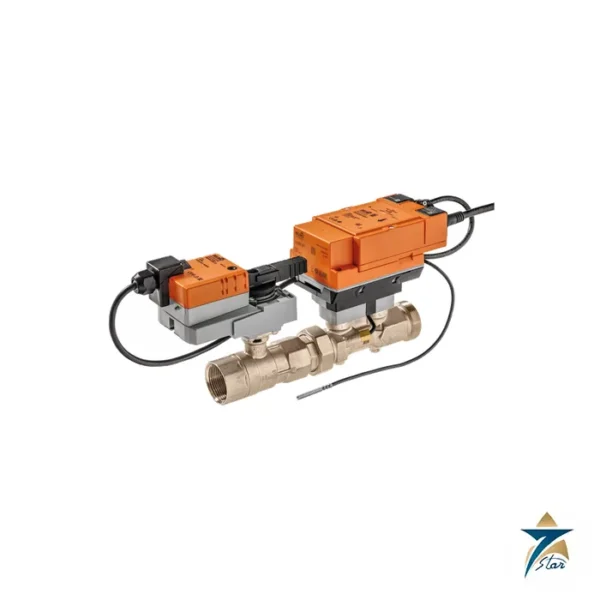
The Danfoss AB-QM, Frese OPTIMA Compact, Siemens VPI46 and IMI TA-COMPACT-P are mechanical pressure independent valves. A built-in differential pressure regulator holds a constant pressure across the control seat, and the maximum flow is preset on the valve. The Belimo EPIV works differently: it measures flow with a built-in sensor and the actuator corrects the valve position electronically to hold the flow set point. The Belimo Energy Valve adds a thermal energy meter with supply and return temperature measurement, so it can report energy use as well as control flow.

Selecting a PICV for chilled water systems

Selection is based on design flow, not on a Kv calculation as with a conventional valve. Choose the valve size whose flow range contains the design flow, ideally away from the bottom of its setting range. Check that the pump provides at least the minimum differential pressure the valve needs to regulate, and that the maximum differential pressure in the system is within the valve’s limit. Then match the actuator: on-off thermal actuators for simple fan coil control, modulating or bus actuators for air handling units. In buildings across the GCC, where chilled water runs for most of the year, stable flow and a healthy temperature difference at the chillers are the main reasons consultants specify PICVs.

What to send for a PICV or FCU valve kit quotation

Send the valve schedule with design flow per unit, pipe size and connection type, system pressure rating, the control signal and voltage of the actuators, and quantities. If you need complete fan coil unit valve kits, list the other parts wanted, such as isolation valves, strainer, test points and flexible hoses, and the specified brand. We check each selection against the manufacturer documentation.

What to include in your inquiry

These details let us quote the right item the first time.

  • Valve type and size (DN / NPS)
  • Pressure class and end connection
  • Body and trim material
  • Fluid, flow rate, inlet and outlet pressure, temperature
  • Actuator type and fail position
  • Accessories: positioner, limit switches, solenoid

Missing some of them? Send what you have. A nameplate photo or an old part number is enough to start.


Request a Quote for Pressure Independent Control Valves

Looking for a specific model, part number or brand in Pressure Independent Control Valves? Send us your requirements and quantities. Seven Star LLC sources genuine industrial equipment for customers across Oman and the GCC and replies with a formal quotation.

Free, no-obligation quotation · takes about 1 minute

Other enquiries: [email protected] · WhatsApp

Frequently Asked Questions

What is the advantage of a PICV over a balancing valve plus a two-way control valve?
The conventional arrangement uses a manual balancing valve to fix design flow and a separate two-way valve for control. It is balanced for one condition only, and flow drifts when other valves in the system close. A PICV does both jobs and holds its flow at part load too. It also removes the need for proportional balancing of branches during system start-up.
Why does a PICV need a minimum differential pressure?
The built-in regulator can only hold a constant pressure across the control seat when there is more pressure available than it needs to absorb. Below the start-up differential pressure given in the datasheet, the valve behaves like an ordinary fixed orifice valve and flow falls with pressure. The pump head must therefore cover this minimum at the most remote unit.
What is the difference between a mechanical and an electronic pressure independent valve?
A mechanical PICV uses a diaphragm and spring to keep the pressure across the control element constant. An electronic one measures the actual flow with a sensor and drives the actuator to the flow set point, which also makes flow data available to the building management system. Electronic valves suit larger sizes and energy monitoring; mechanical valves are the usual choice for fan coil units.
How is the flow through a PICV verified on site?
Many mechanical PICVs have pressure test points. Measuring the differential pressure across the valve confirms that it is above the minimum needed for regulation; if it is, the flow equals the preset value from the manufacturer's setting table. Some models allow a direct flow measurement. Electronic valves report measured flow through their signal or bus connection.
Can a PICV of one brand replace another brand specified in the project?
Technically an equivalent can usually be found, since flow range, connection size, pressure rating and actuator signal can be compared directly from datasheets. Approval is a different matter: the consultant's specification and vendor list decide what is acceptable. Send the specified model and schedule. We can propose the equivalent series for comparison, and you submit it for approval.