- Vibration Monitoring
- PLC & I/O Cards
- Industrial Communications
- Automation Accessories
- Controllers & Data Acquisition
- AC Drives
- Isolator & Barrier
- Industrial Computers
- Encoders
- Safety Switches & Guard Locking
- Automation Software
- HMI Displays
- Motor Soft Starters
- Servo Drives
- CCTV & Security
- Robotics
- Pneumatic Cylinders
- Machine Vision


Category guide
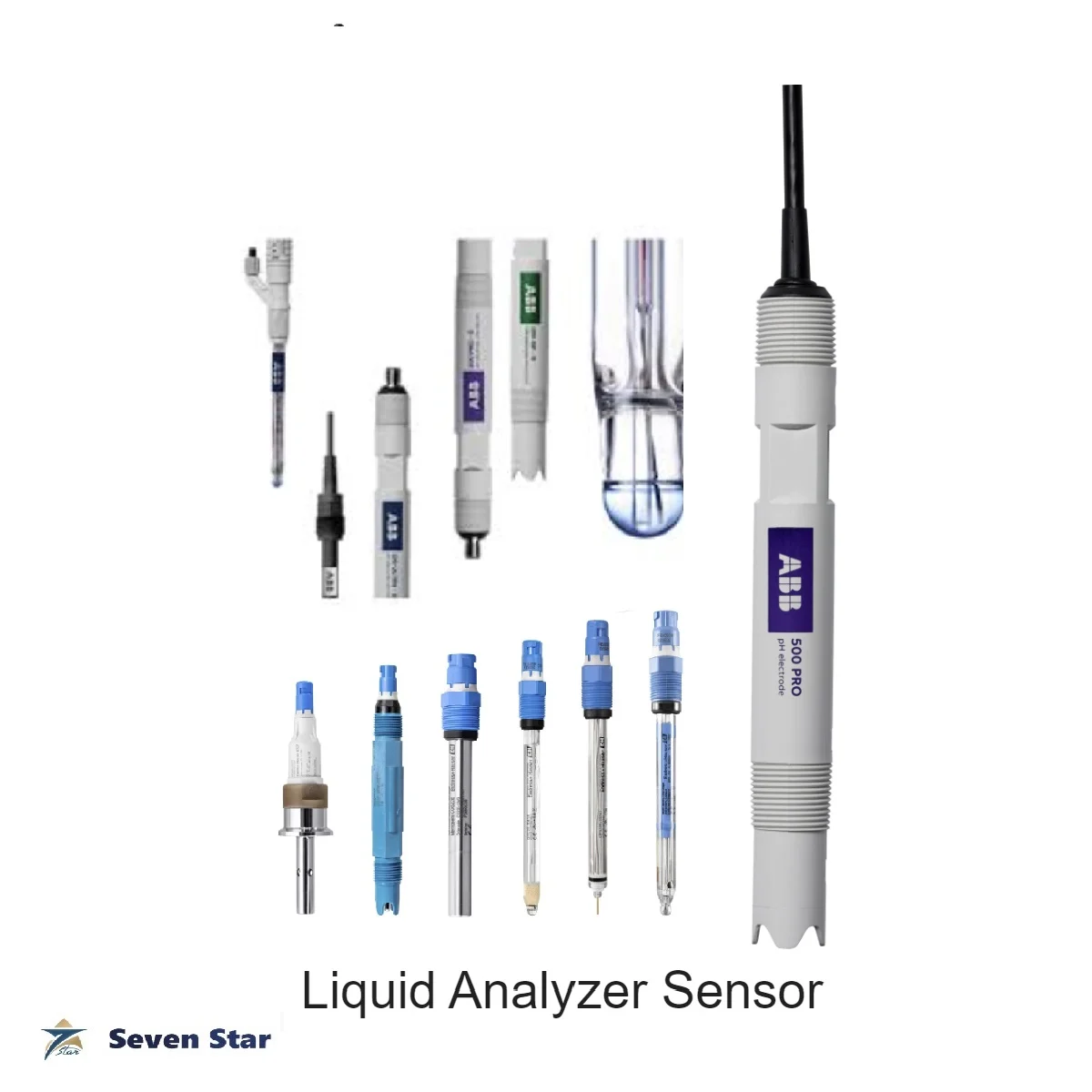
About Liquid Analysis Sensors
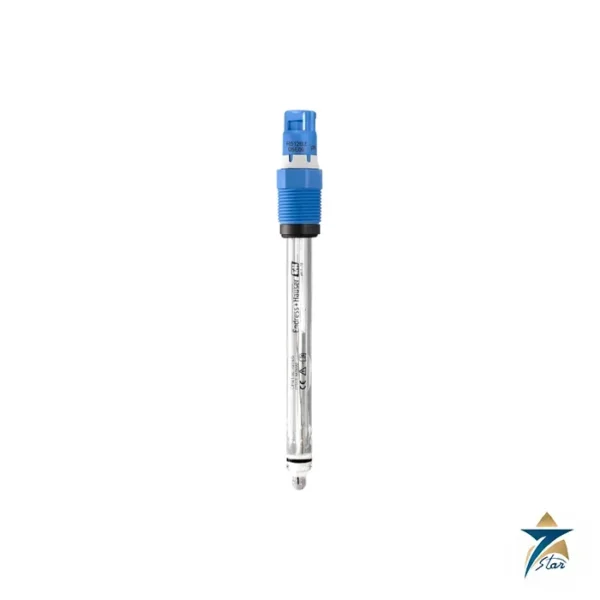
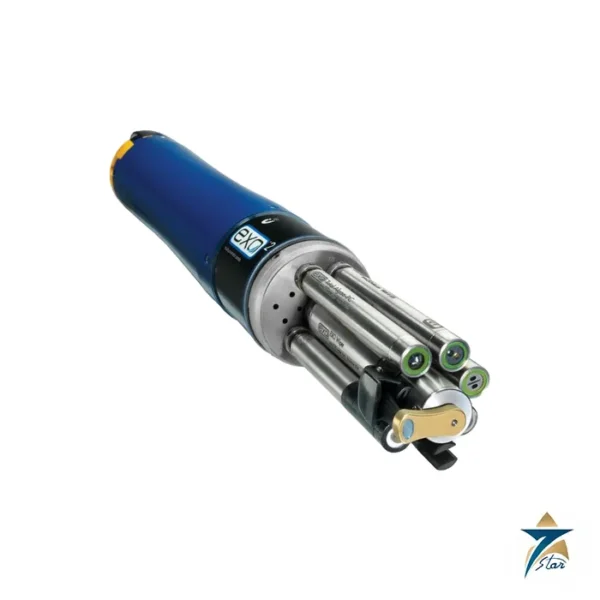
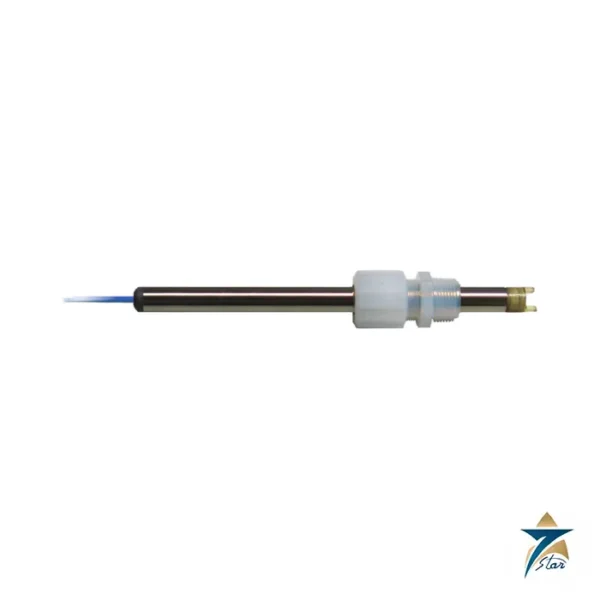
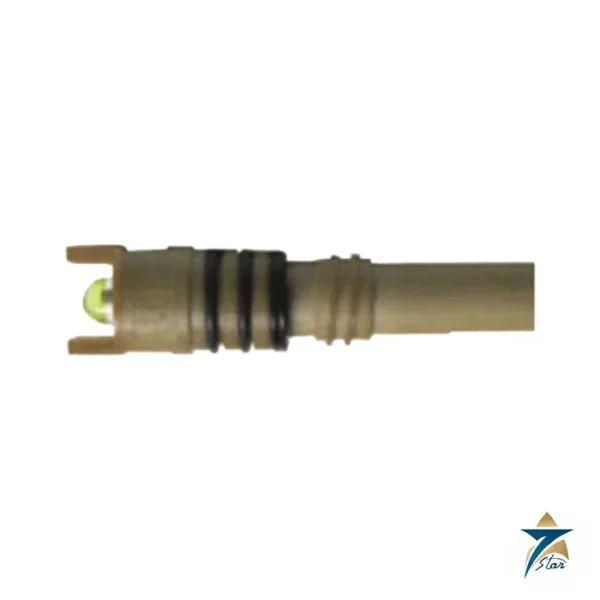
Liquid analysis sensors are the measuring elements that sit in the water or process liquid: pH and ORP electrodes, conductivity cells, dissolved oxygen sensors and chlorine sensors. More than half of the sensors listed here are from ABB, alongside JUMO, Hach, Rosemount and Endress+Hauser. Seven Star LLC supplies these analytical sensors, in in-line, immersion and retractable versions, to water treatment, power and process plants in Oman and the GCC.
Analytical sensor types in this category
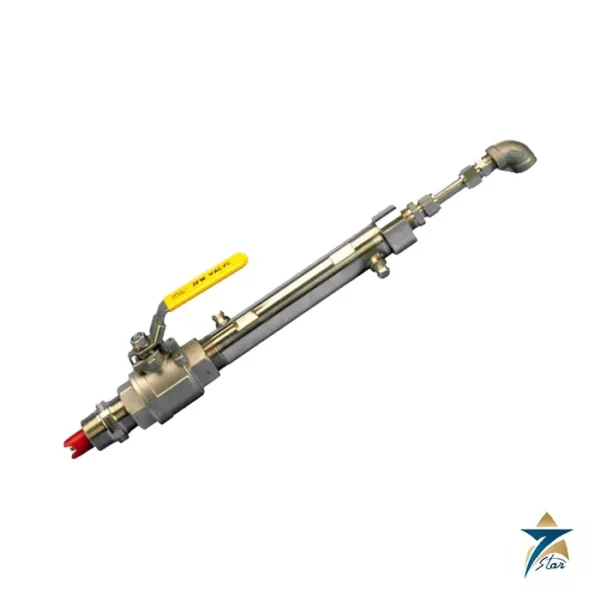
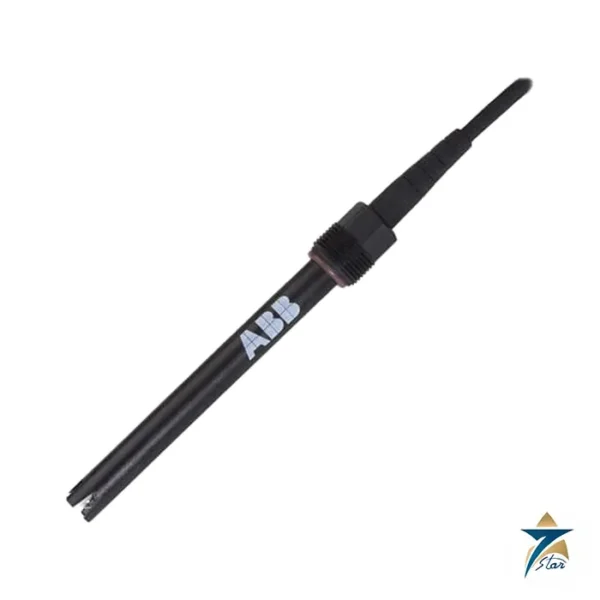
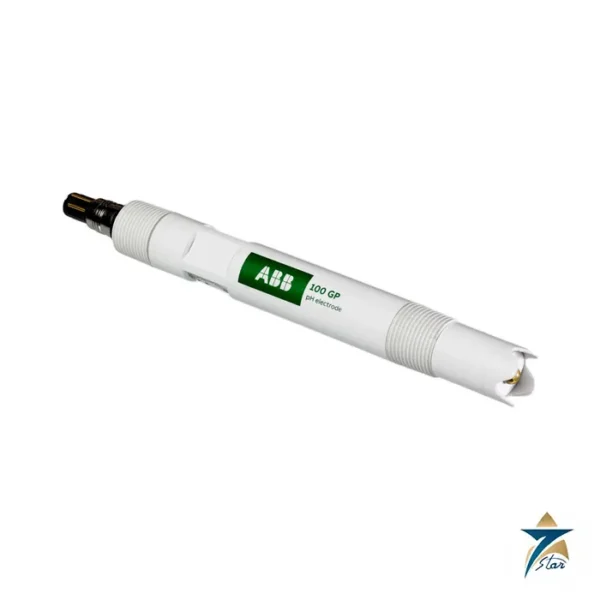
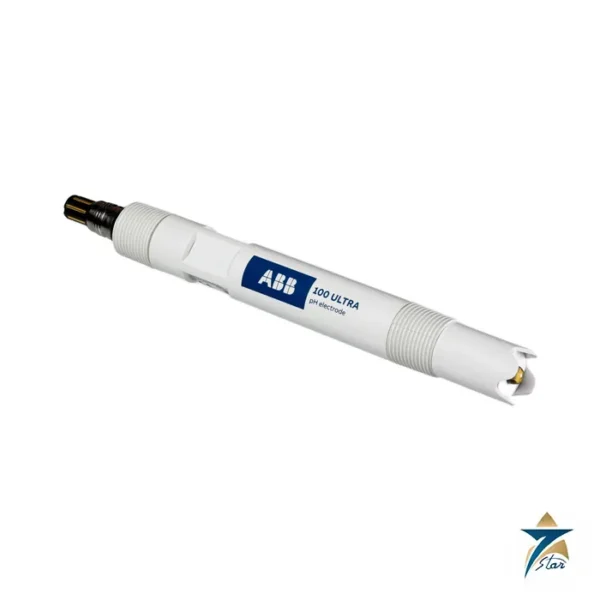
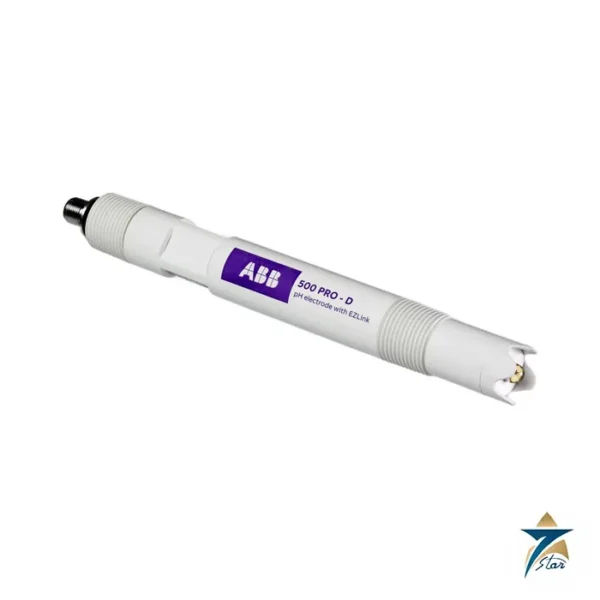
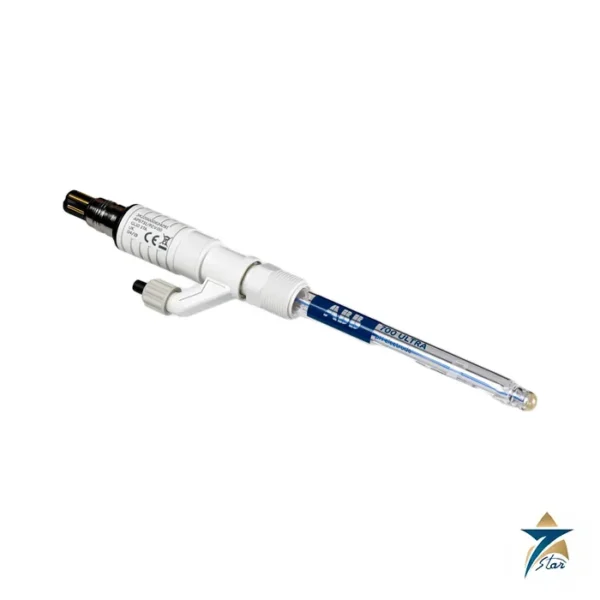
pH and ORP sensors. Combination electrodes with glass or metal measuring elements, in general-purpose, high-temperature and fouling-resistant versions, including hot-tap retractable assemblies that can be withdrawn from a pressurized line.
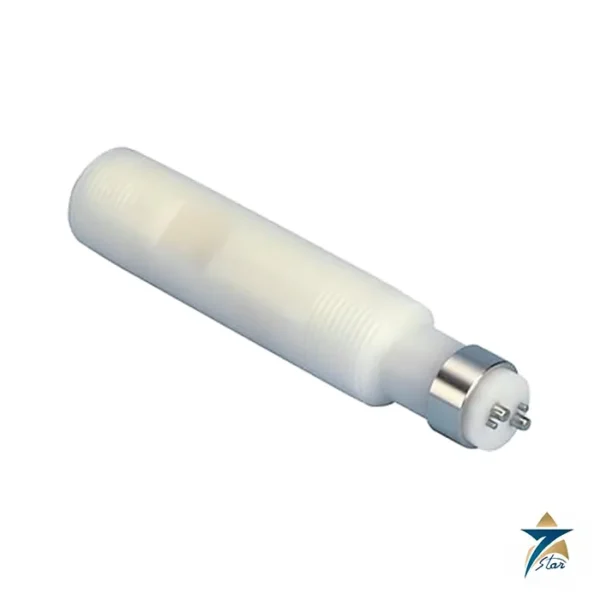
Conductivity sensors. Contacting cells with stainless steel or carbon electrodes for clean and low-conductivity water, and toroidal (electrodeless) sensors for dirty, corrosive or highly conductive liquids. Insertion, dip-type, in-line and hot-tap mounting styles are listed.
Dissolved oxygen and chlorine sensors. Optical (luminescent) dissolved oxygen probes and free chlorine sensors for drinking water and cooling water. Items from Teledyne, GESTRA and Xylem complete the group.
Selecting an in-line analytical sensor
Four things decide the choice. The first is the liquid itself: its pH range, conductivity, solids, oils and any chemicals that attack glass or the reference junction. The second is temperature and pressure at the measuring point, which set the body material and the mounting style. The third is how the sensor will be removed for cleaning and calibration. A retractable hot-tap assembly allows this without stopping the process, while a simple insertion sensor needs the line isolated. The fourth is the transmitter. Its input must suit the sensor signal, the temperature compensation element and, for conductivity, the cell constant.
What to send for a sensor quotation
Send the parameter and range, the liquid, temperature and pressure, the process connection and insertion length, the cable length and the model of the transmitter the sensor will connect to. For a like-for-like replacement the full model code from the sensor label is the best reference. We check it against the manufacturer documentation and propose the manufacturer’s successor if the model has been discontinued.
What to include in your inquiry
These details let us quote the right item the first time.
- Parameter (pH, conductivity, dissolved oxygen, chlorine, turbidity)
- Measuring range
- Process pressure and temperature
- Installation: inline, immersion or flow-through
- Transmitter model the sensor must work with
- Cable length
Missing some of them? Send what you have. A nameplate photo or an old part number is enough to start.