- Vibration Monitoring
- Industrial Communications
- PLC & I/O Cards
- Automation Accessories
- AC Drives
- Controllers & Data Acquisition
- Industrial Computers
- Encoders
- Safety Switches & Guard Locking
- Isolator & Barrier
- Motor Soft Starters
- CCTV & Security
- HMI Displays
- Automation Software
- Servo Drives
- Pneumatic Cylinders
- Robotics
- Machine Vision
Electrical & Power
Industrial & Hazardous Area Lighting
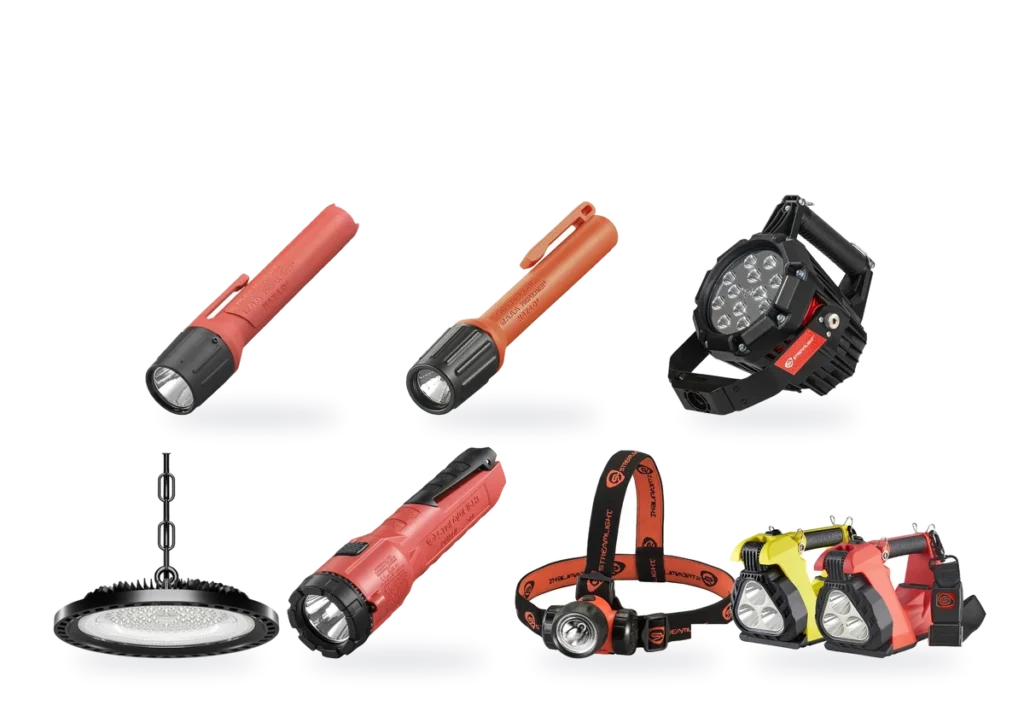
Industrial lighting covers fixed lights for workshops and warehouses and portable lights for inspection, maintenance and emergencies, including lights certified for hazardous areas where flammable gas or dust may be present. Seven Star LLC, an independent supplier in Muscat, supplies Streamlight portable lighting and Liper LED high bay lights to oil and gas, utilities and industrial customers in Oman and the GCC.
Read the full category guide- 5 products
- 2 brands

Category guide
About Industrial & Hazardous Area Lighting
Industrial lighting covers fixed lights for workshops and warehouses and portable lights for inspection, maintenance and emergencies, including lights certified for hazardous areas where flammable gas or dust may be present. Seven Star LLC, an independent supplier in Muscat, supplies Streamlight portable lighting and Liper LED high bay lights to oil and gas, utilities and industrial customers in Oman and the GCC.
Types of lighting in this category
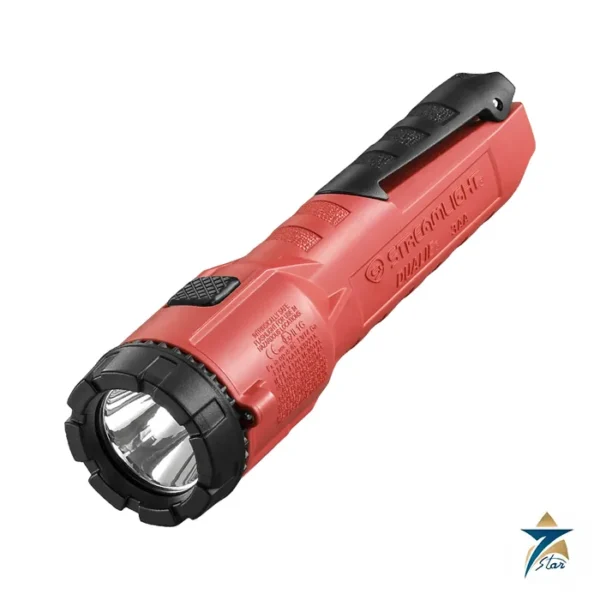
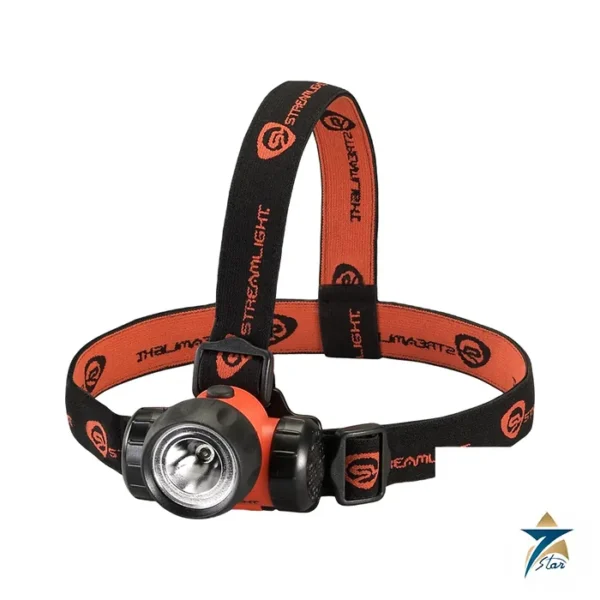
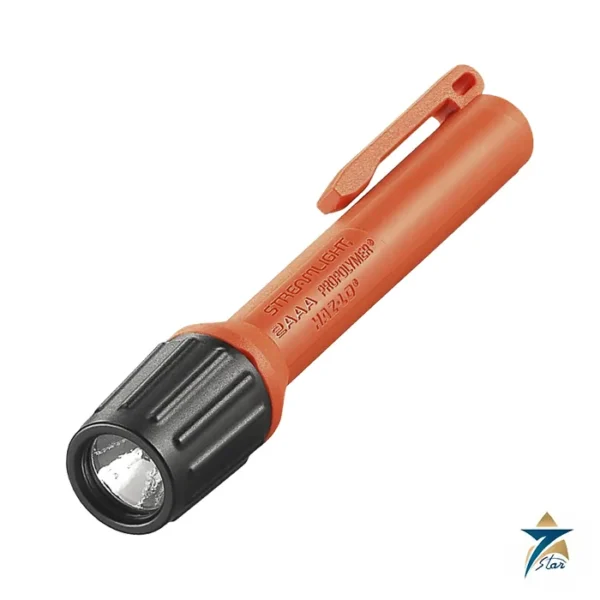
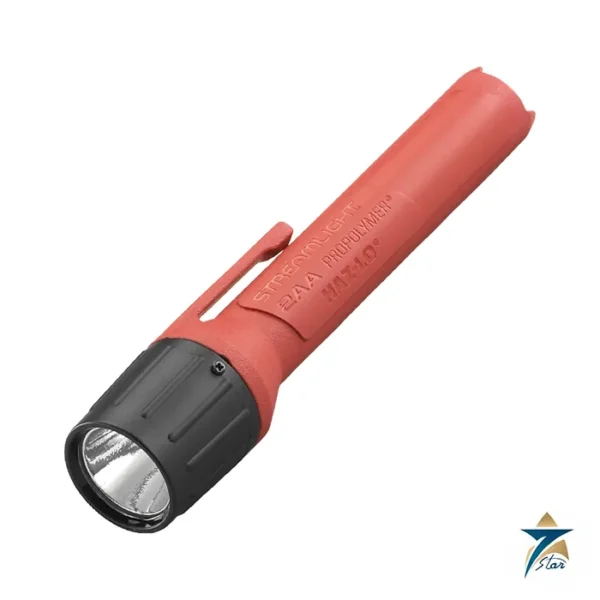
Streamlight ATEX-certified lights include the ProPolymer HAZ-LO flashlights, Dualie dual-beam lights, Survivor right-angle lights, Stylus penlights and Enduro Pro headlamps, with versions approved for Zone 0, Zone 1 or Zone 2 gas atmospheres. Rechargeable lanterns such as the Vulcan 180 and Vulcan LED serve fire teams and plant operators. For general work, the Super Siege and E-Flood LiteBox lanterns, the Syclone magnetic work light and the Portable Scene Light III tripod light give area lighting during shutdowns and emergencies. Liper LED high bay lights provide fixed lighting for warehouses and workshops.
How to select a light for hazardous areas
Check the zone classification of the area (Zone 0, 1 or 2 for gas; Zone 20, 21 or 22 for dust), the gas group and temperature class, and confirm the light’s certificate covers all three. Then choose the form: handheld, right-angle for hands-free use on a helmet or vest, headlamp, or lantern. Consider battery type and whether rechargeable lights can be charged in the work area, beam pattern (spot or flood), run time and light output.
Data needed for a quotation
Send the model, or the hazardous area classification, light type, battery preference and quantity.
What to include in your inquiry
These details let us quote the right item the first time.
- Manufacturer part number or catalogue reference
- Rated current and voltage
- Breaking capacity and number of poles
- Trip unit and accessories
- Quantity
Missing some of them? Send what you have. A nameplate photo or an old part number is enough to start.