- Vibration Monitoring
- PLC & I/O Cards
- Industrial Communications
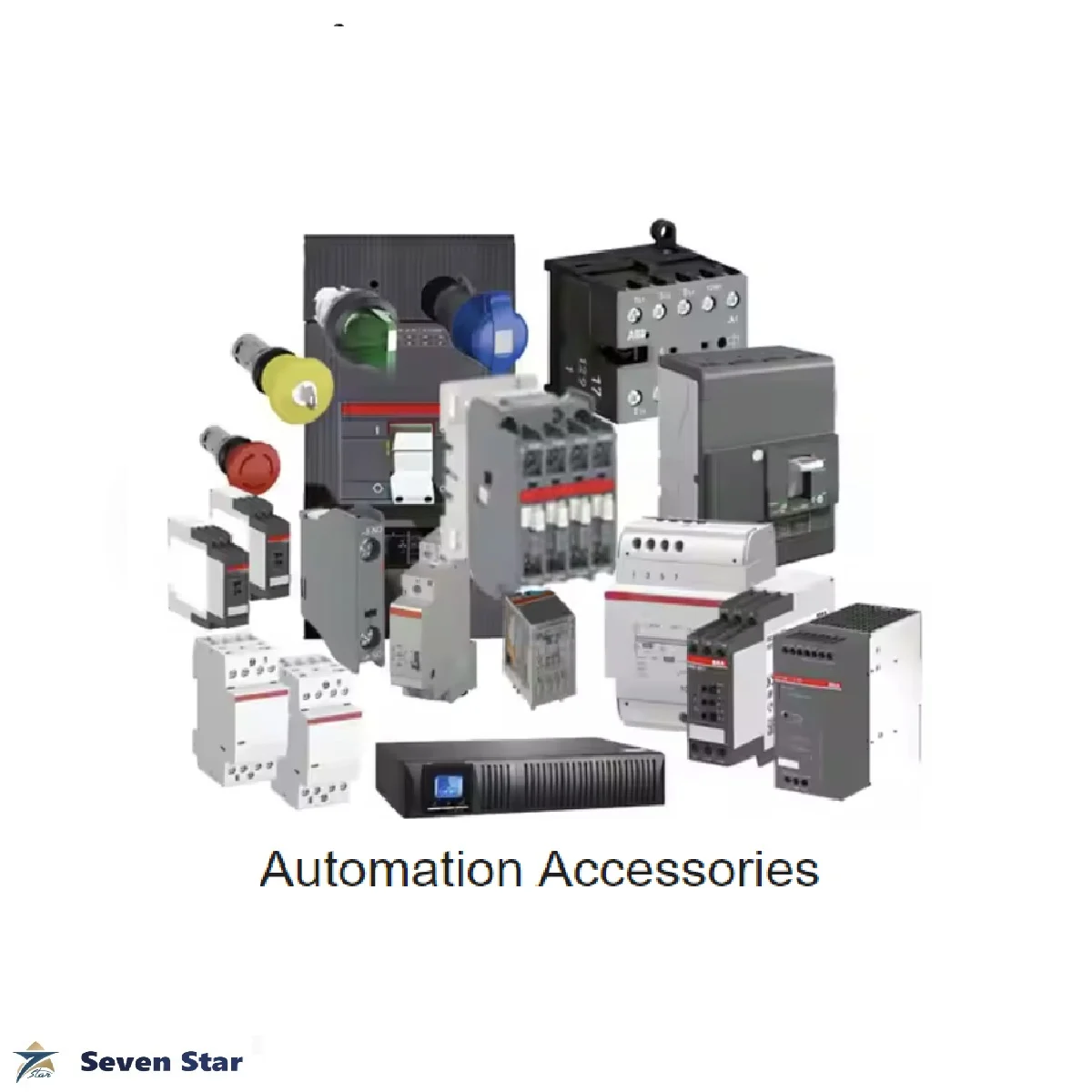
- Automation Accessories
- Controllers & Data Acquisition
- AC Drives
- Isolator & Barrier
- Industrial Computers
- Encoders
- Safety Switches & Guard Locking
- Automation Software
- HMI Displays
- Motor Soft Starters
- Robotics
- Servo Drives
- CCTV & Security
- Pneumatic Cylinders
- Machine Vision
Category guide
About Automation Accessories
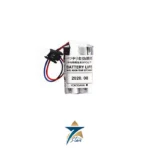
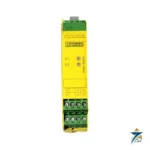
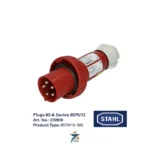
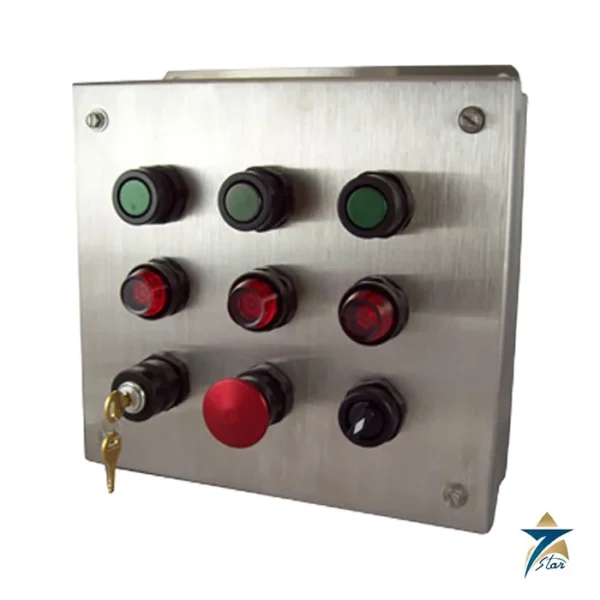
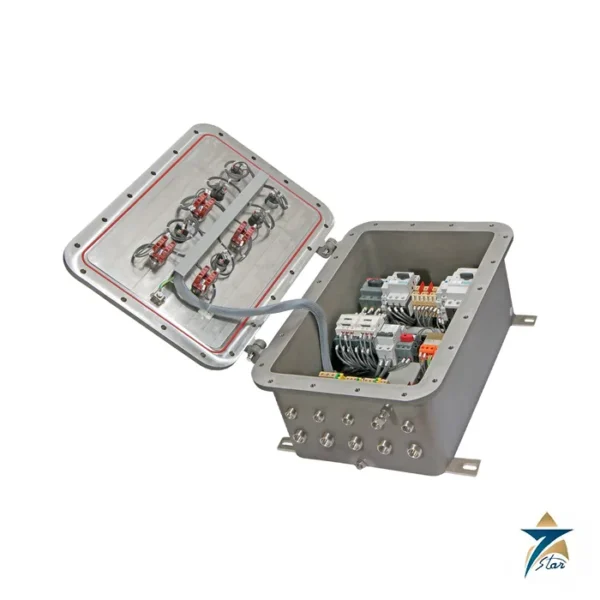
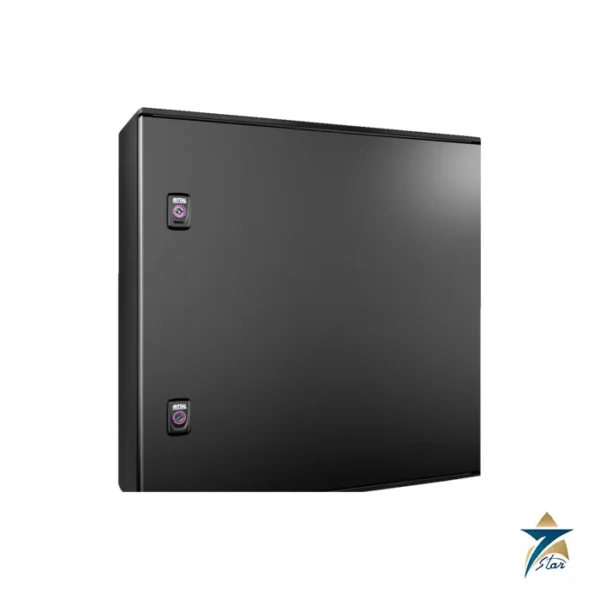
Automation accessories are the smaller components that complete a control system: local control stations, signaling devices, safety relays, backup batteries, system cables and similar parts. Seven Star LLC supplies these to panel builders and maintenance teams in Oman. The category lists Cooper Crouse-Hinds explosionproof pushbutton stations, Schneider Electric Harmony control stations, Pilz PNOZ safety relays, MEDC Ex beacons, and backup batteries and system cables for Siemens and Yokogawa controllers, along with Ex components from BARTEC and R. STAHL.
What the automation accessories category contains
- Local control and signaling: pushbutton and control stations for safe and hazardous areas, LED beacons and indicator lights.
- Machine safety: safety relays for emergency stop and safety gate circuits.
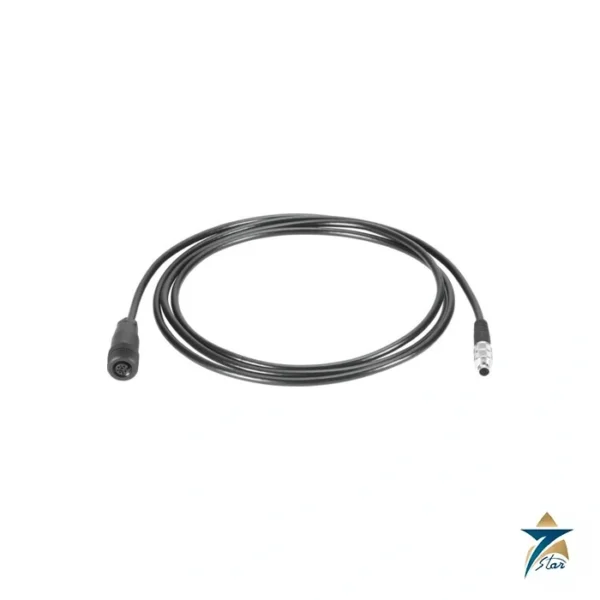
- Control system spares: CPU backup batteries, bus cables and small modules for Siemens, Yokogawa and ABB systems.
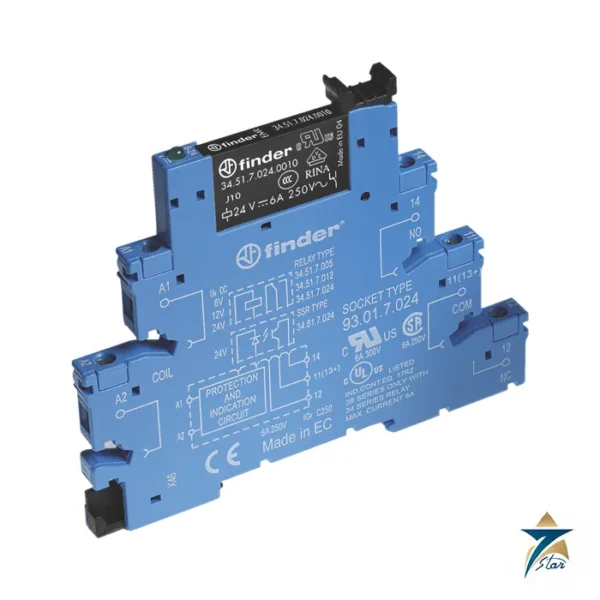
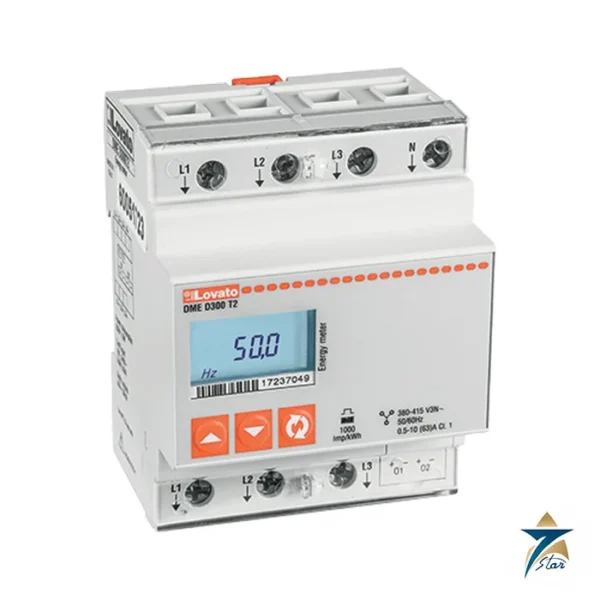
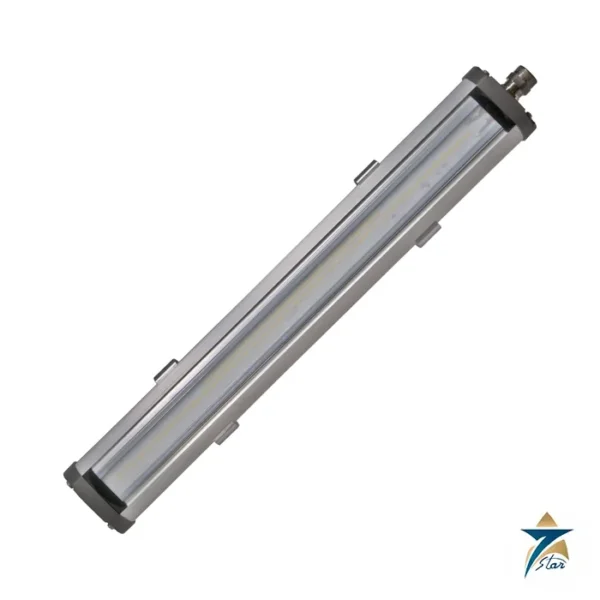
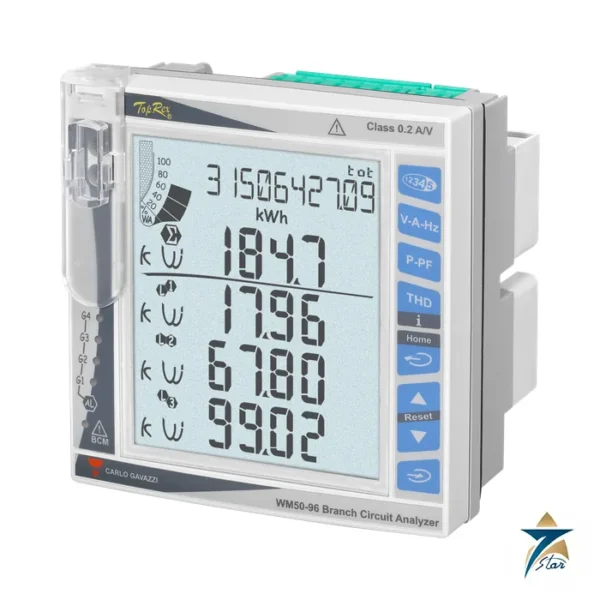
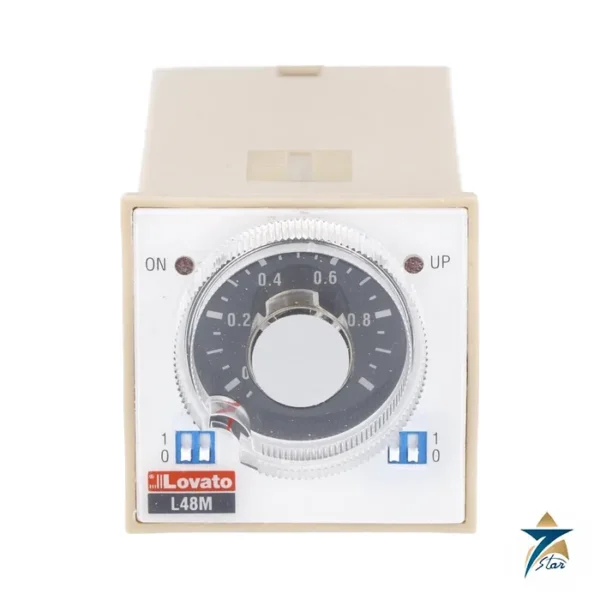
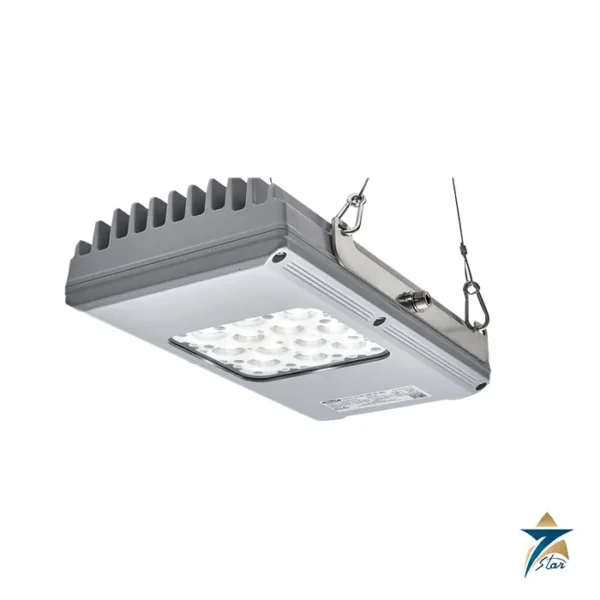
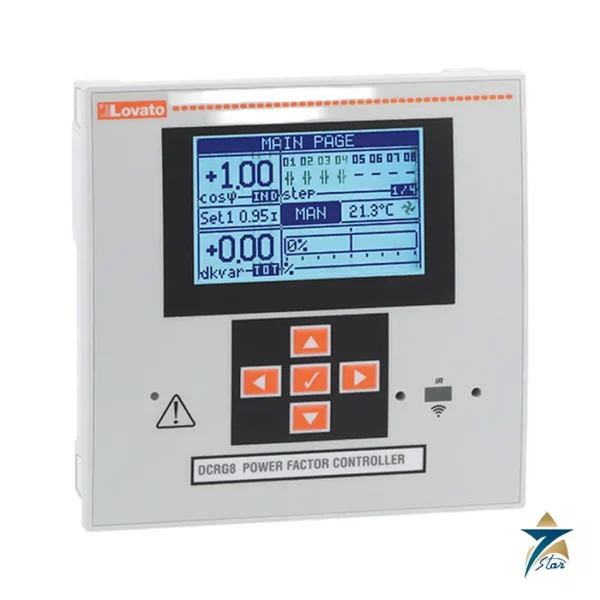
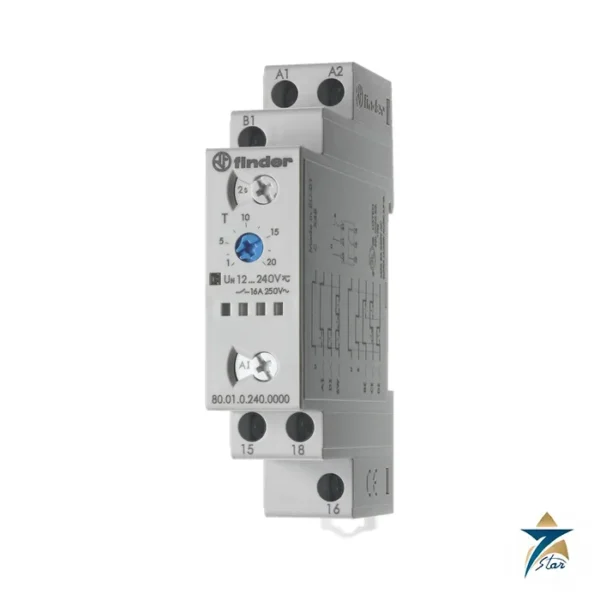
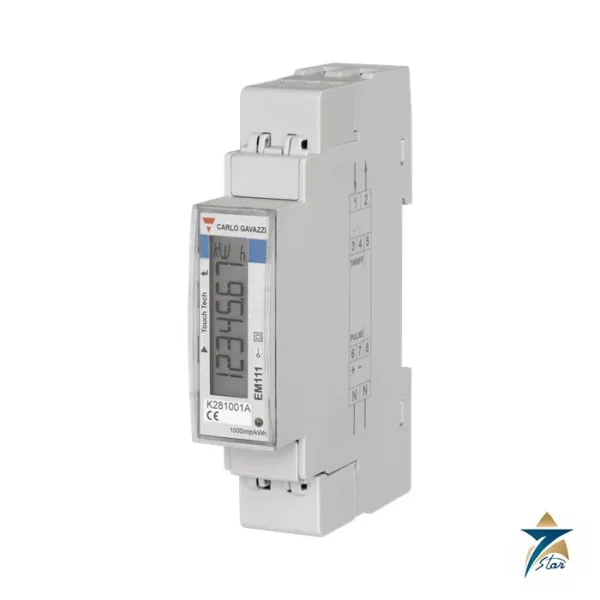
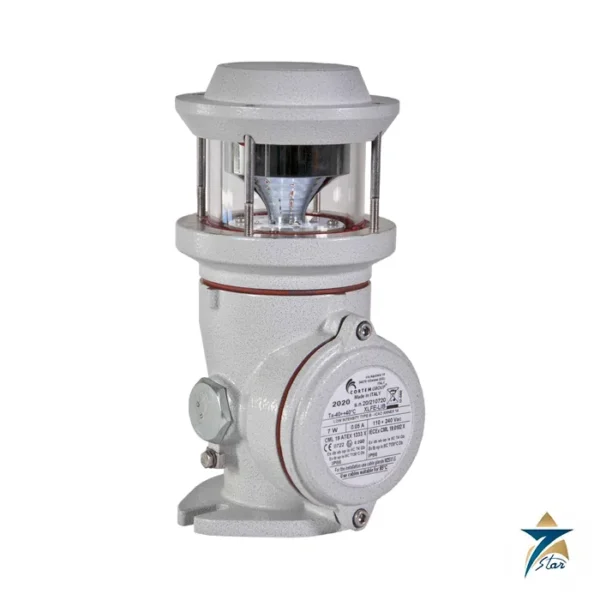
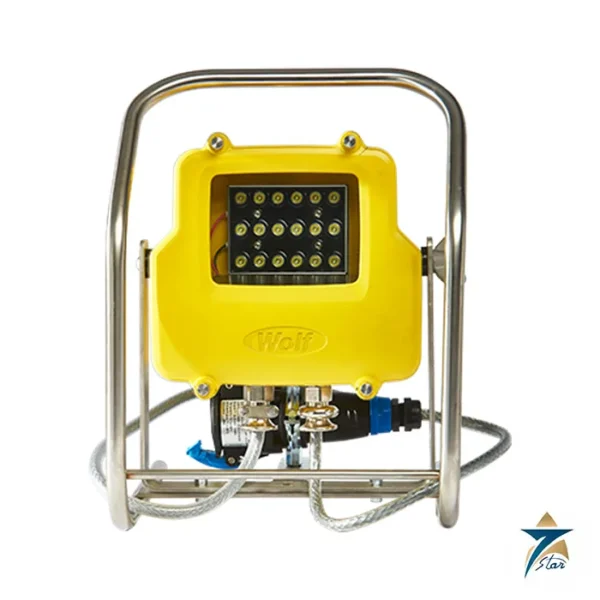
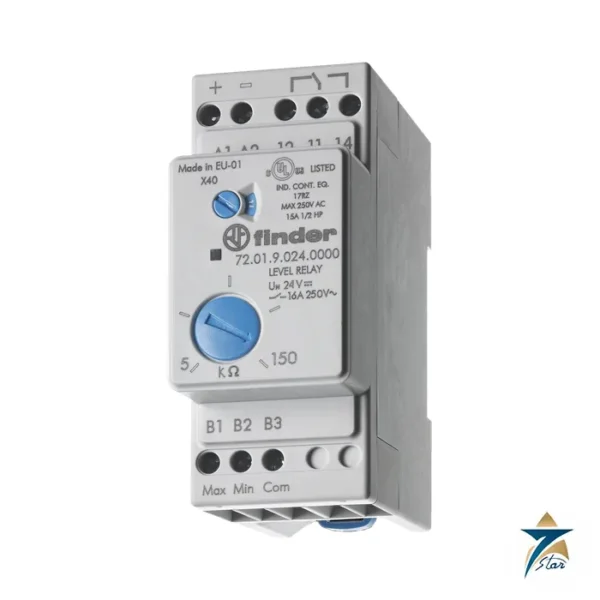
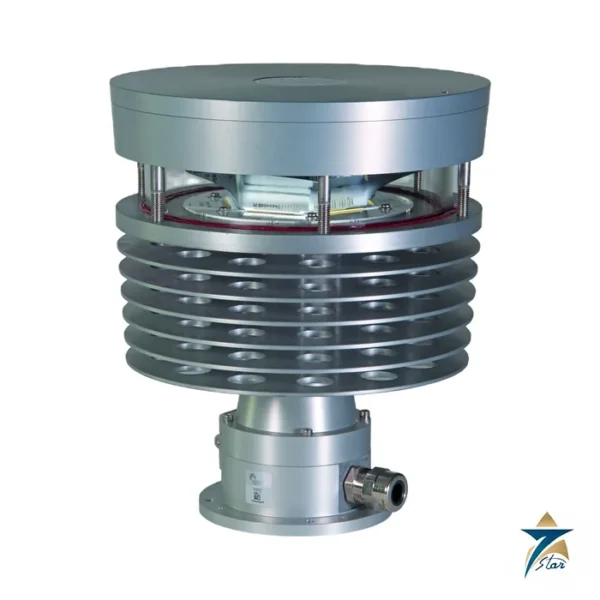
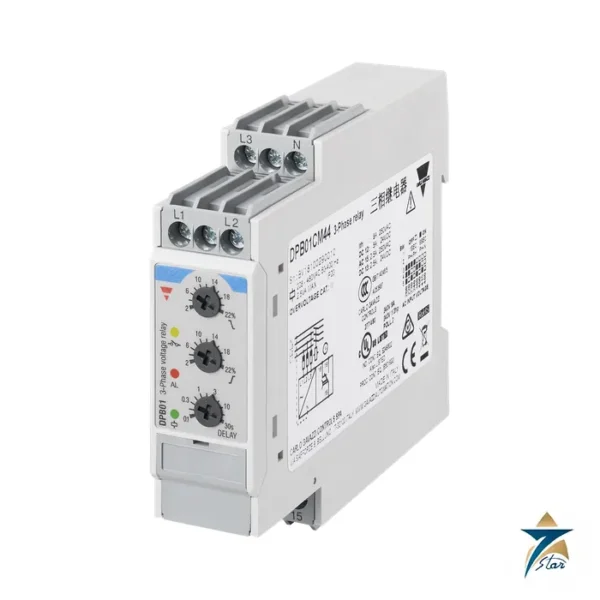
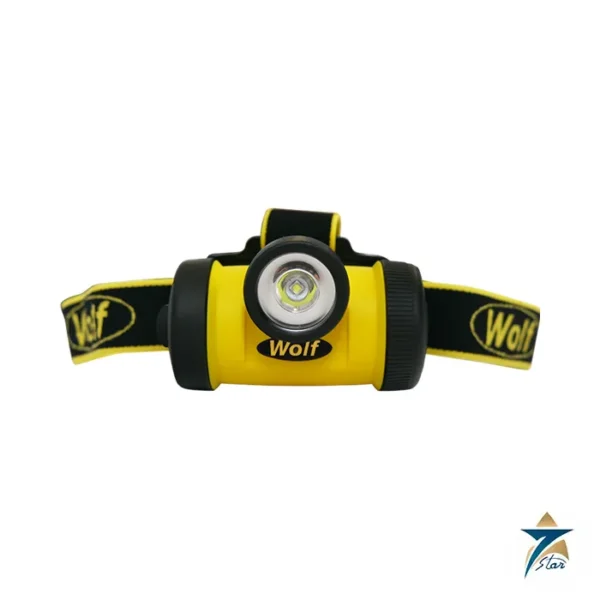
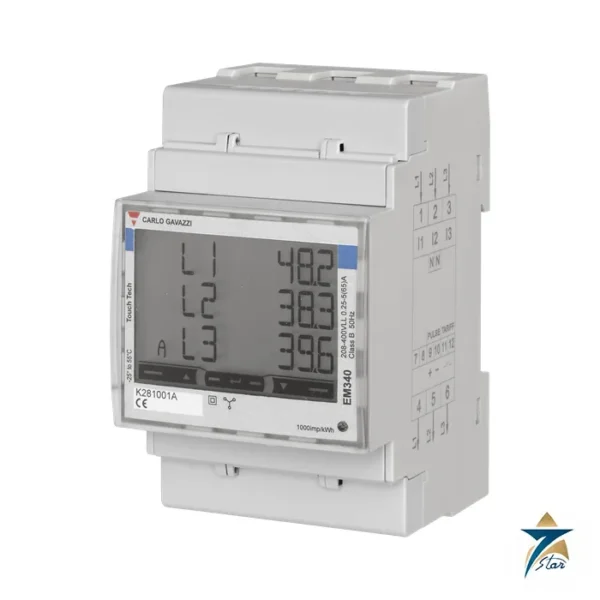
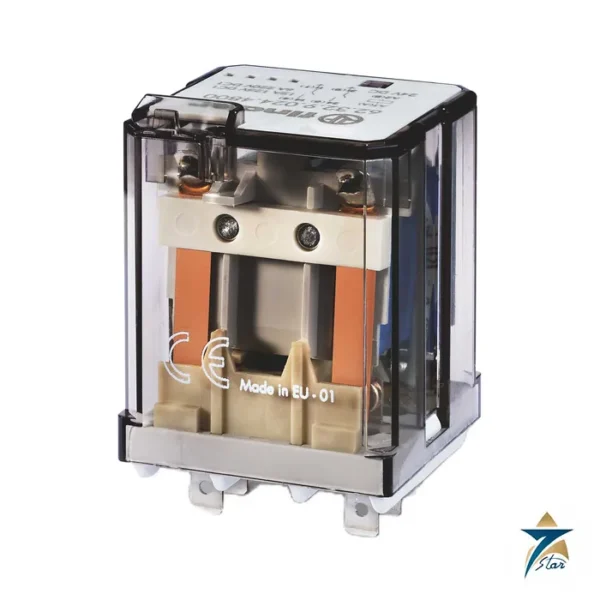
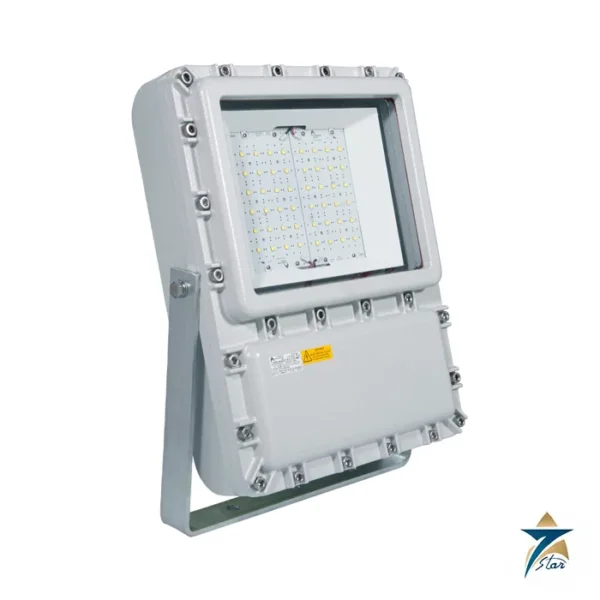
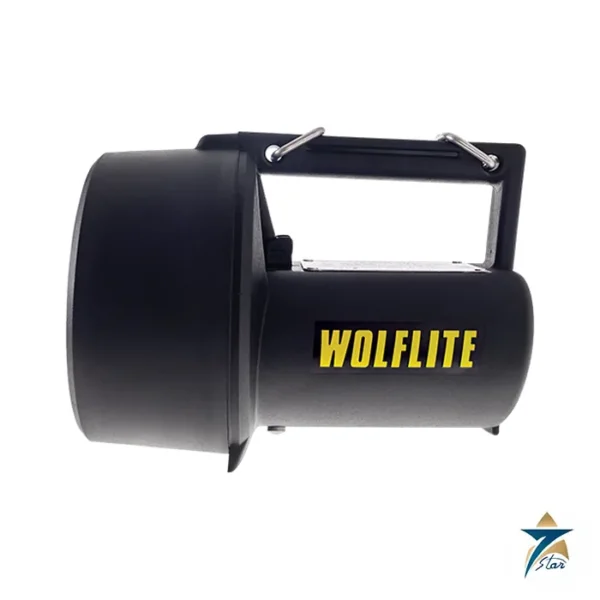
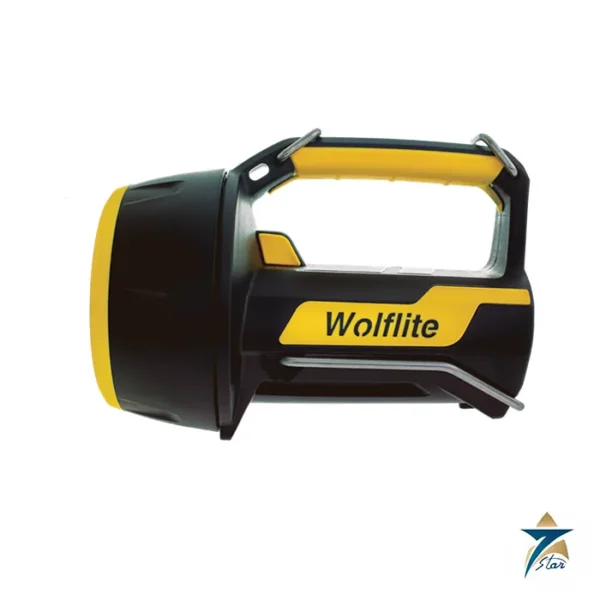
- Hazardous-area lighting and electrical measurement: Ex floodlights and LED fixtures from Wolf Safety and Cortem, Finder relays and surge protection devices, and energy meters and analyzers from Carlo Gavazzi and Lovato.
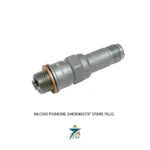
- Miscellaneous plant spares: items that belong to a control or machinery package but fit no other category, such as a Nuovo Pignone spark plug or a LANXESS Macrolex solvent dye.
Hazardous-area ratings for control stations and beacons
Control stations and signaling devices mounted in classified areas must carry a marking that suits the zone, gas group and temperature class of the location. Two certification systems appear in this category. North American explosionproof equipment is classified by Class, Division and Group under NEC rules. IEC-based equipment is marked under ATEX or IECEx with a protection type such as Ex d (flameproof), Ex e (increased safety) or Ex i (intrinsic safety). Most sites in the GCC specify IECEx or ATEX, so confirm which system your project accepts before choosing. Cable entry thread, enclosure material and the ingress protection rating should be stated as well, since they vary within one series.
Selecting safety relays and backup batteries
A safety relay is chosen by its function (emergency stop, gate monitoring or two-hand control), the number of safety contacts, supply voltage, reset mode and the performance level or SIL the circuit must reach. Backup batteries look generic but are not: use the controller manufacturer’s part number, because voltage, connector and holder differ between CPU types. For every item in this category the complete manufacturer part number is the most reliable basis for an inquiry, and we check it against the manufacturer documentation before quoting.
What to include in your inquiry
These details let us quote the right item the first time.
- Full part number or order code
- Hardware and firmware revision, when replacing a part
- Control system or PLC family it must work with
- New installation or replacement of an obsolete part
- Quantity and required delivery date
Missing some of them? Send what you have. A nameplate photo or an old part number is enough to start.
Top brands in Automation Accessories
All brands →










Related categories
- Vibration Monitoring161
- PLC & I/O Cards105
- Industrial Communications99
- Controllers & Data Acquisition63
- AC Drives57
- Isolator & Barrier19
- Industrial Computers15
- Safety Switches & Guard Locking14
- Encoders14
- Automation Software9
- HMI Displays8
- Motor Soft Starters8
- Servo Drives5
- Robotics5
- CCTV & Security4
- Pneumatic Cylinders2