


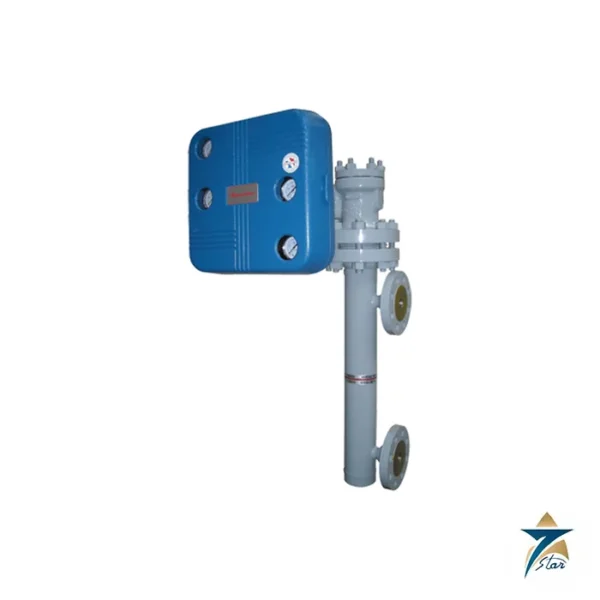

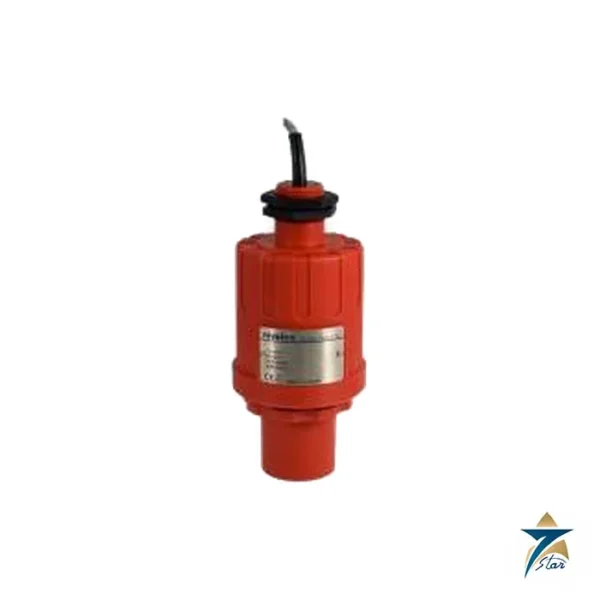
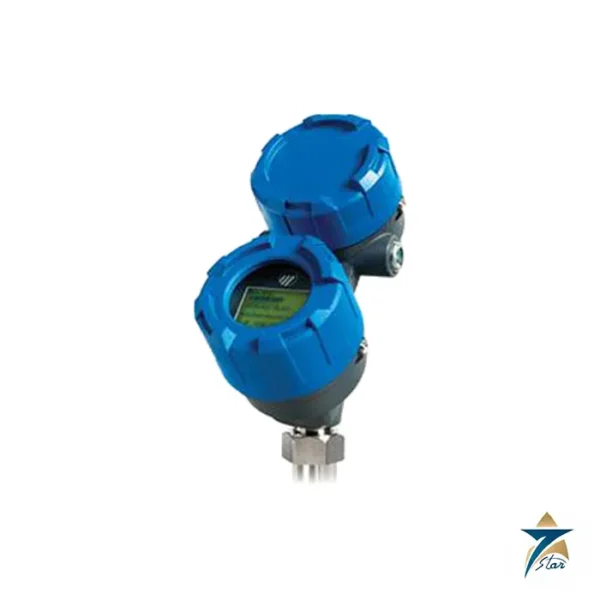
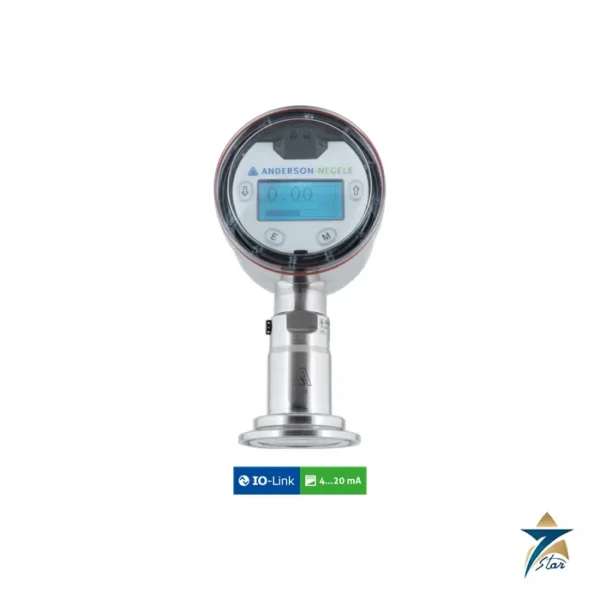
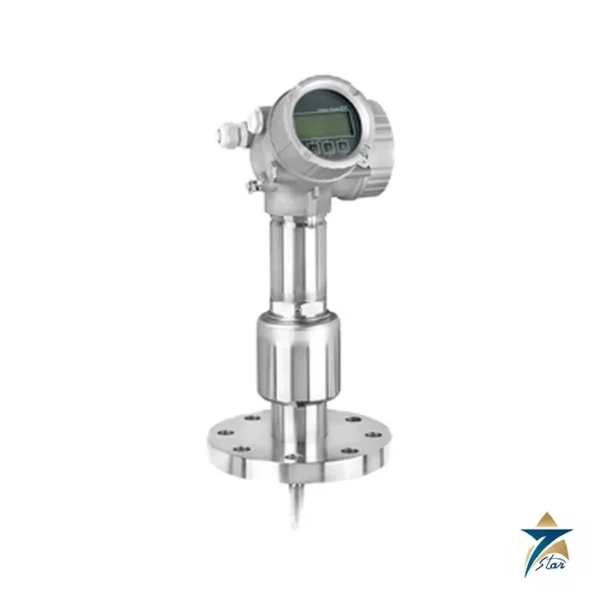
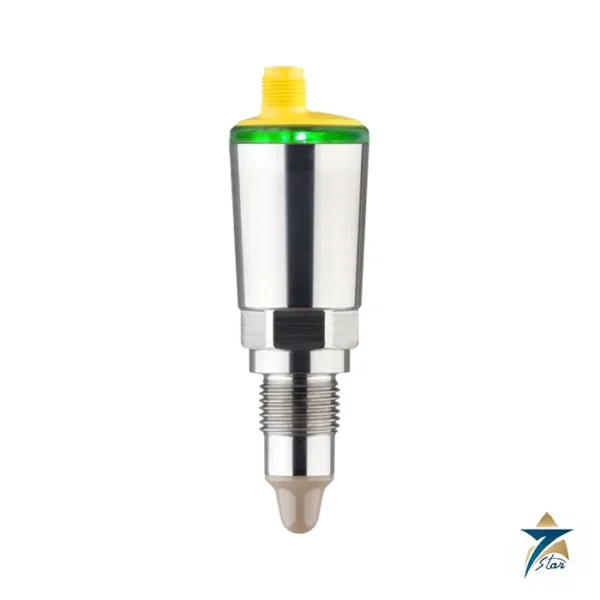
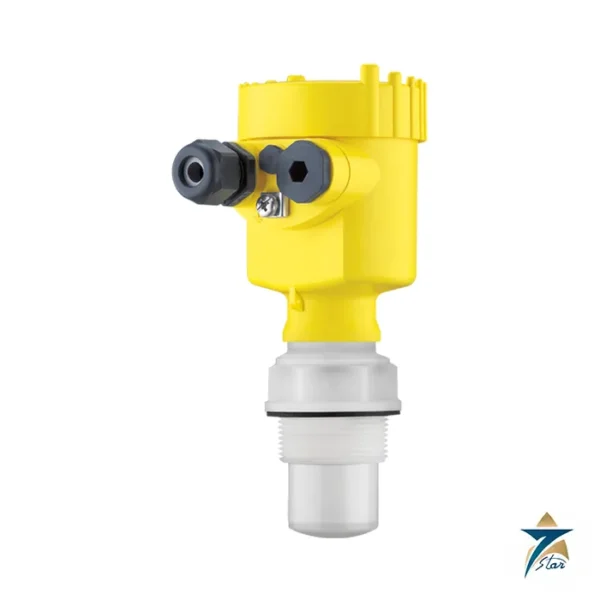
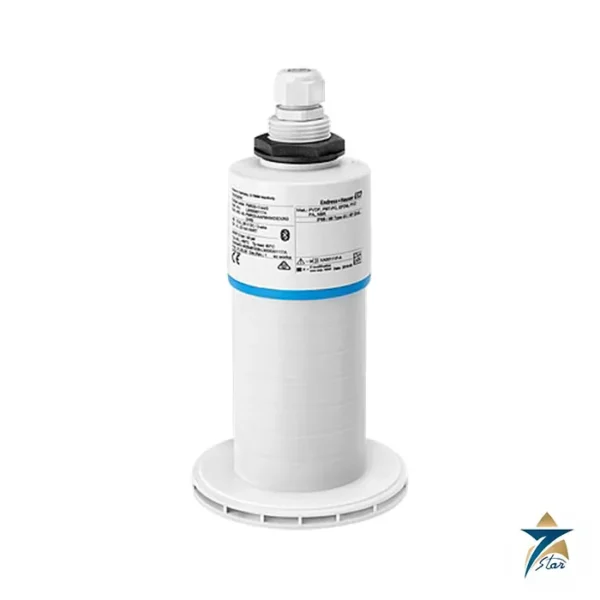


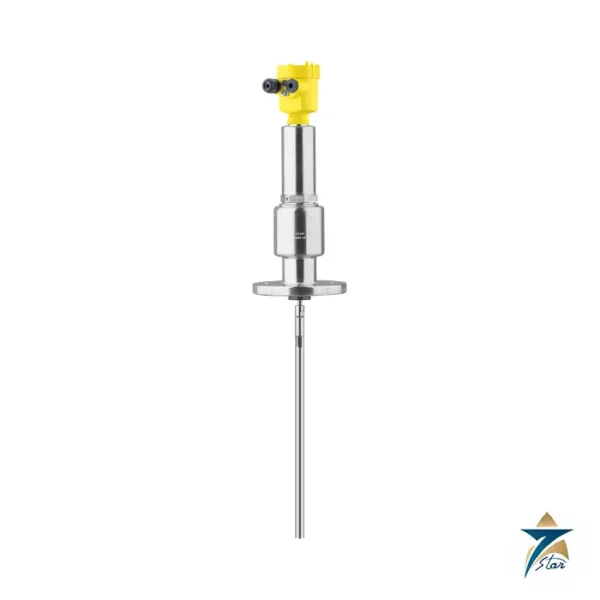

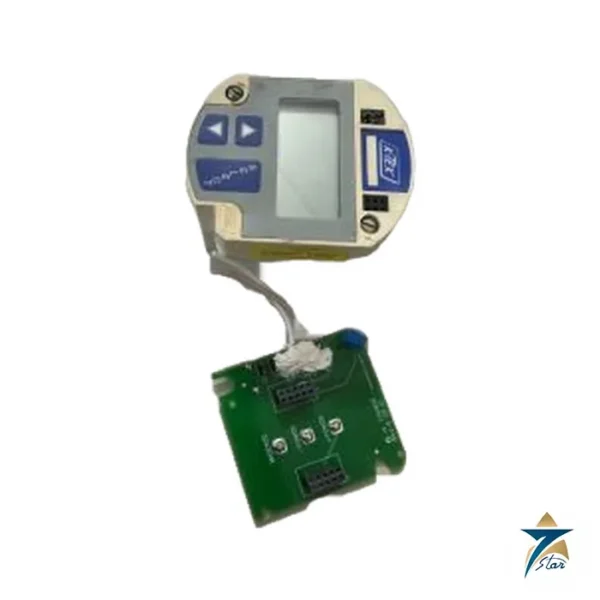

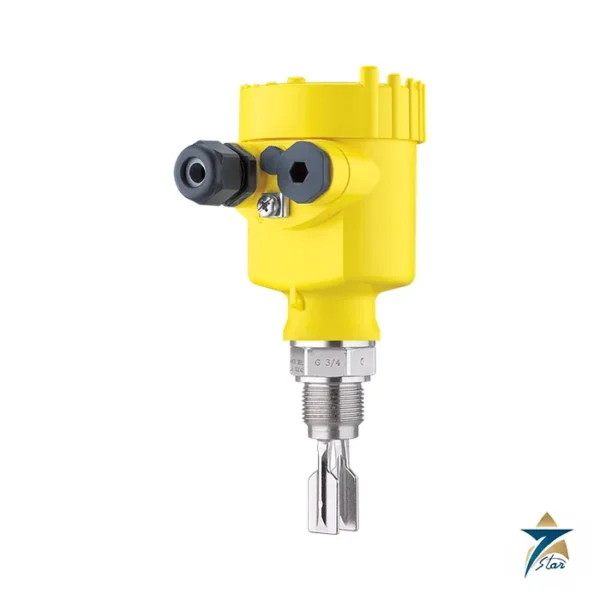


Keeping tank, silo, and vessel levels within safe limits is essential to both process efficiency and environmental safety, and Seven Star LLC supplies a comprehensive range of level transmitters to industrial customers across Oman and the GCC. Our Level Transmitter range includes VEGA VEGAPULS and VEGAPOINT radar and capacitive level instruments, Endress+Hauser Levelflex guided-wave radar and Micropilot non-contact radar transmitters, ABB level transmitters and switches, and additional level instrumentation from Emerson, Magnetrol, Anderson-Negele, and KROHNE.
Guided-wave and non-contact radar technologies now dominate modern level measurement because they are unaffected by changes in density, dielectric constant, or vapor space conditions that once made older methods unreliable, while capacitive point switches provide simple, robust high/low alarm points for silos and bulk-solid vessels. These instruments protect against tank overfill, dry-running pumps, and inventory-management errors across oil and gas storage, water treatment, and process manufacturing.
Seven Star LLC’s engineers help customers across Oman select the right level technology, process connection, and output signal for their tank, vessel, or silo application, backed by genuine manufacturer hardware and calibration support.
Free, no-obligation quotation · takes about 1 minute
Other enquiries: [email protected] · WhatsApp
