- Vibration Monitoring
- PLC & I/O Cards
- Industrial Communications
- Automation Accessories
- Controllers & Data Acquisition
- AC Drives
- Isolator & Barrier
- Industrial Computers
- Encoders
- Safety Switches & Guard Locking
- Automation Software
- HMI Displays
- Motor Soft Starters
- Servo Drives
- CCTV & Security
- Robotics
- Pneumatic Cylinders
- Machine Vision


Category guide
About Filtration Elements
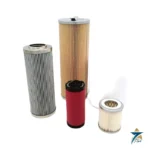
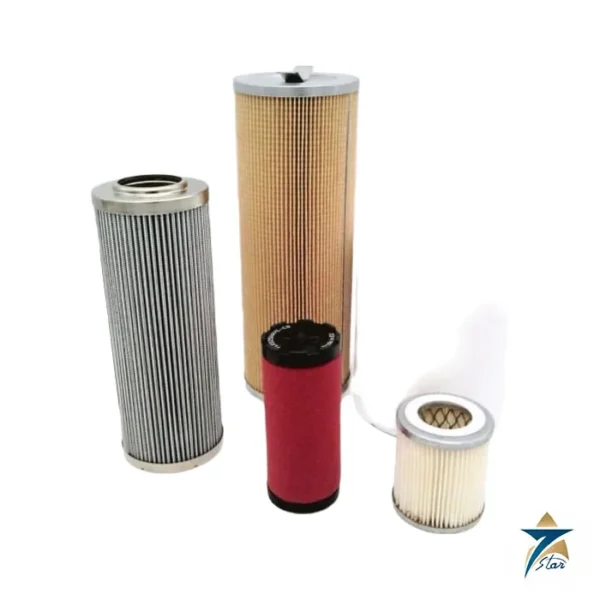
Filter elements are the replaceable part of a filter: the cartridge, coalescer or membrane module that does the separating and is changed when it is spent. Seven Star LLC supplies filtration elements in Oman from Pall, Scinor, 3M, Parker and Bosch Rexroth.
More than ten products are listed, covering high flow and depth filter cartridges, gas filter elements, coalescers, a hydraulic element, and ultrafiltration and membrane bioreactor modules. The listing is growing, and other part numbers from these manufacturers can be sourced on request.
Types of filter elements listed
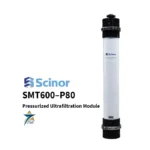
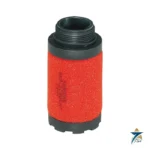
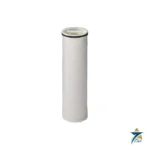
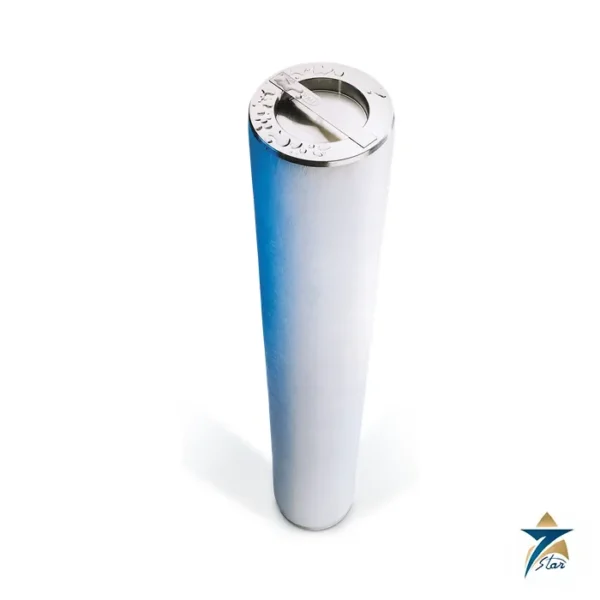
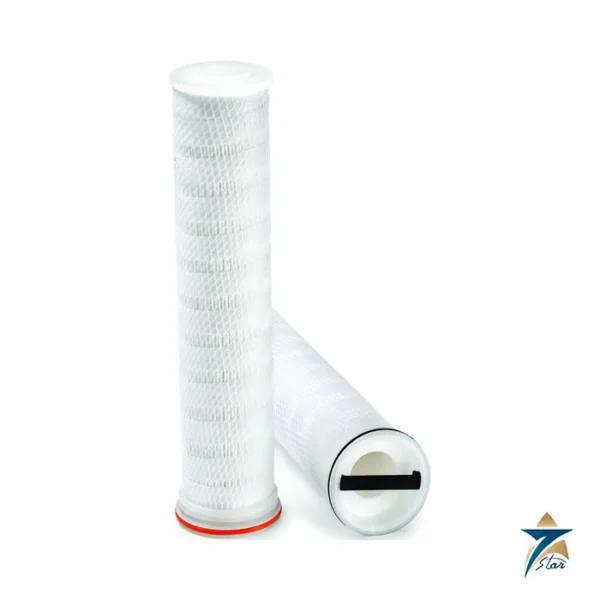
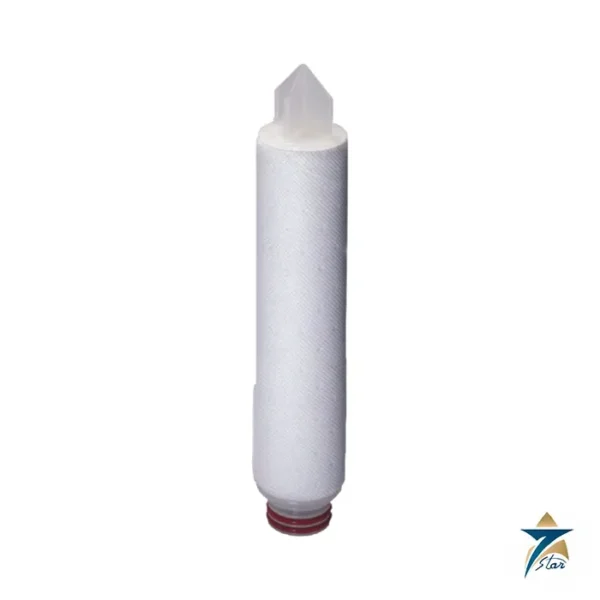
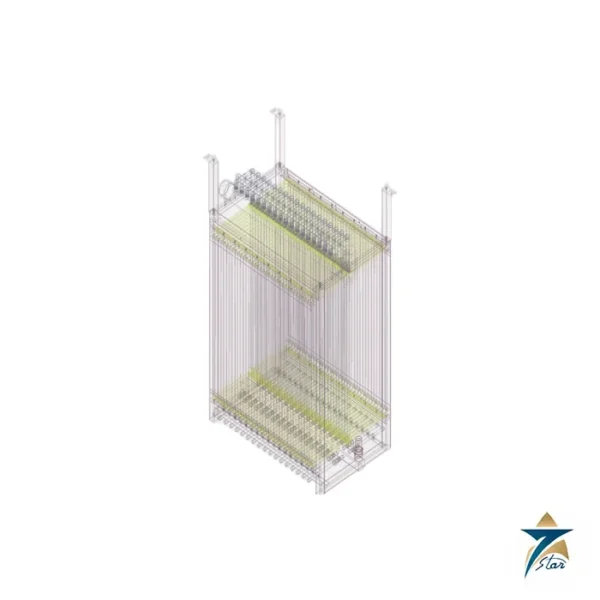
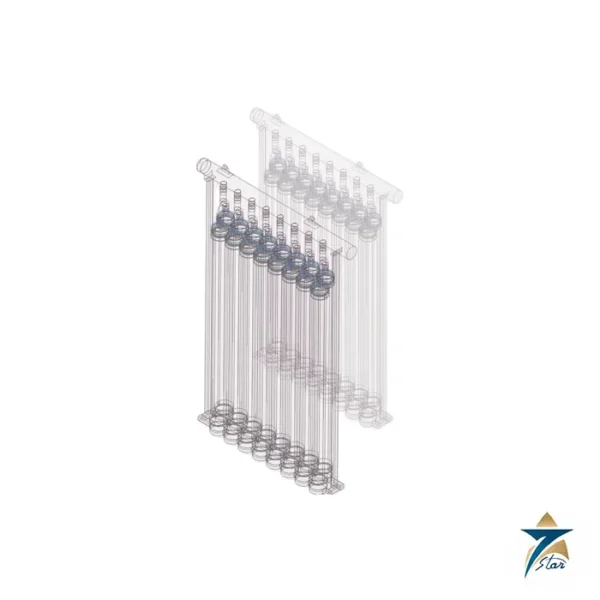
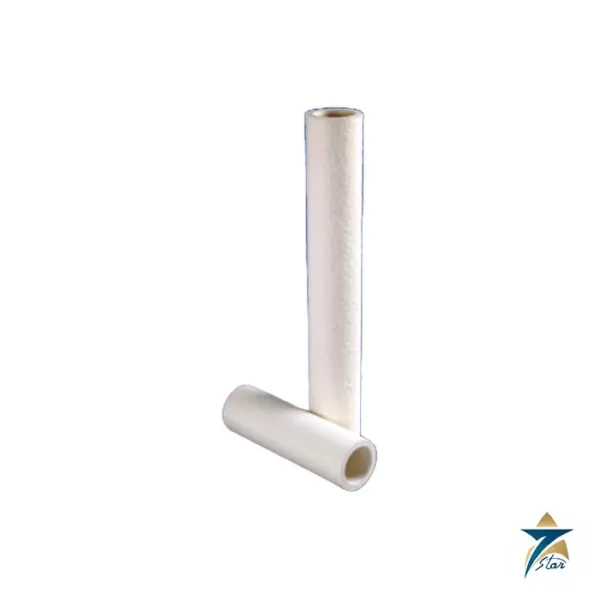
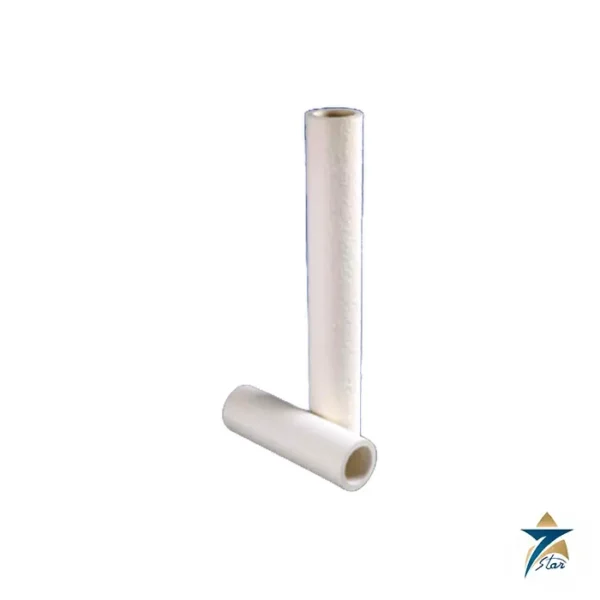
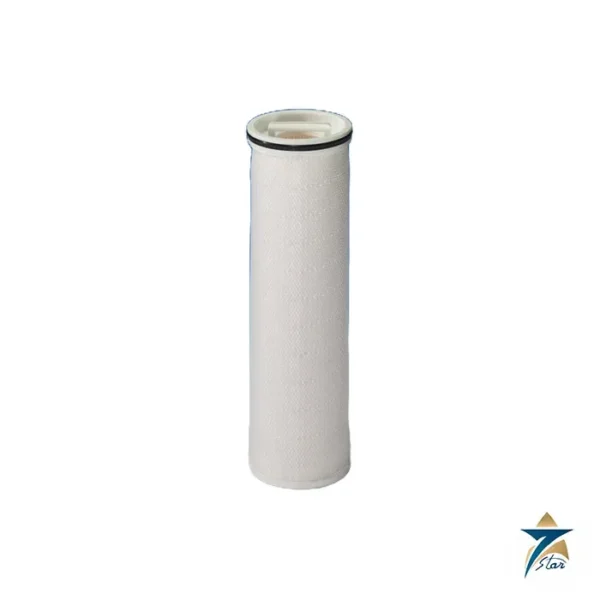
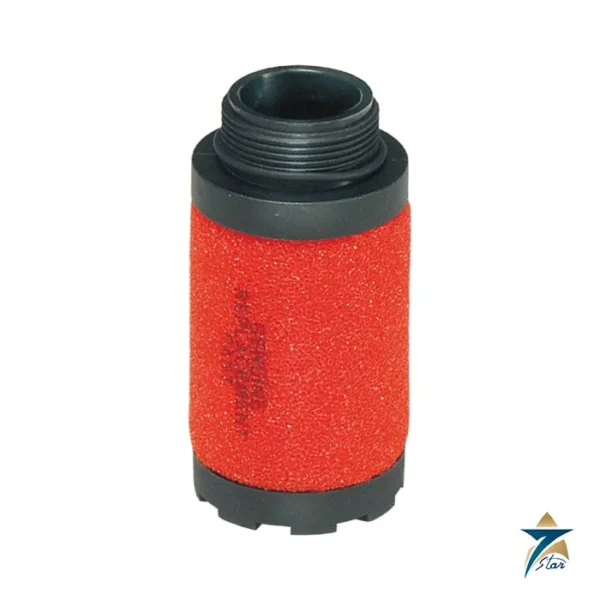
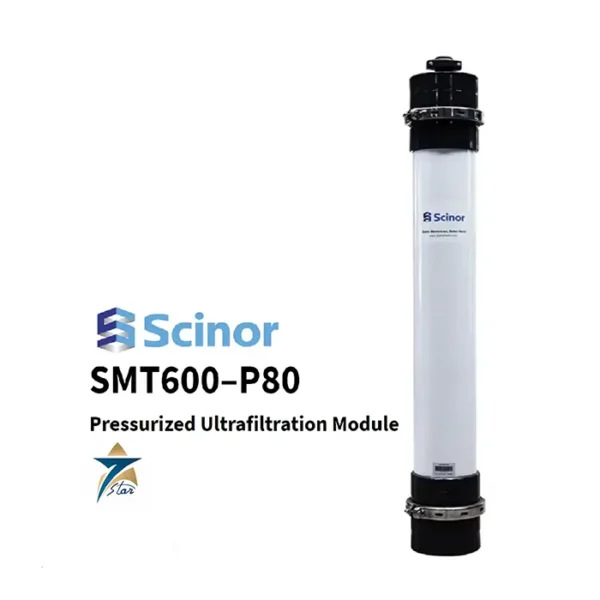
Pall Ultipleat High Flow cartridges are large-diameter pleated elements designed to carry a high flow per cartridge, which keeps the number of elements and the size of the housing down on water and process liquid duties. The 3M elements are a high flow cartridge and a depth filter cartridge. Pall Profile coreless elements are depth filters listed here for gas filtration; in a coreless design the support core stays in the housing and only the media is discarded. Pall Medallion elements are liquid/liquid coalescers that separate two immiscible liquids, for example water from a hydrocarbon stream. The Parker element is a coalescing filter element for removing liquid aerosol from a gas stream. The Bosch Rexroth element is a hydraulic filter element identified by its material number. Scinor SMT600 modules are membrane modules for water treatment, listed as pressurized and submerged ultrafiltration versions and as a membrane bioreactor (MBR) module.
Matching a replacement filter element
An element has to match the housing and the duty. Check the outside diameter, length and end cap or connection style first, then the removal rating and how it is defined, the media and hardware materials, the seal material and the maximum differential pressure. Flow direction matters too: some elements work from the outside in, others from the inside out. For hydraulic elements, the rating is normally given as a beta ratio under ISO 16889, and fluid cleanliness is expressed as an ISO 4406 code.
Where these elements are used
In gas plants and refineries across the GCC, coalescers and gas elements protect compressors, burners and amine or glycol units from liquids and solids. High flow cartridges serve as prefilters ahead of reverse osmosis and on injection water. Ultrafiltration modules remove suspended solids and microorganisms from surface water, seawater and treated effluent.
What to send for an element quotation
Send the element part number and the housing model. If the number is unknown, give dimensions, end cap style, rating, media, seal material, fluid, flow and temperature, with a photo of the old element.
What to include in your inquiry
These details let us quote the right item the first time.
- Fluid to be filtered
- Flow rate
- Filtration rating (micron)
- Housing or element part number
- Operating pressure and temperature
- Material
Missing some of them? Send what you have. A nameplate photo or an old part number is enough to start.