- Vibration Monitoring
- PLC & I/O Cards
- Industrial Communications
- Automation Accessories
- Controllers & Data Acquisition
- AC Drives
- Isolator & Barrier
- Industrial Computers
- Encoders
- Safety Switches & Guard Locking
- Automation Software
- HMI Displays
- Motor Soft Starters
- Servo Drives
- CCTV & Security
- Robotics
- Pneumatic Cylinders
- Machine Vision





Category guide
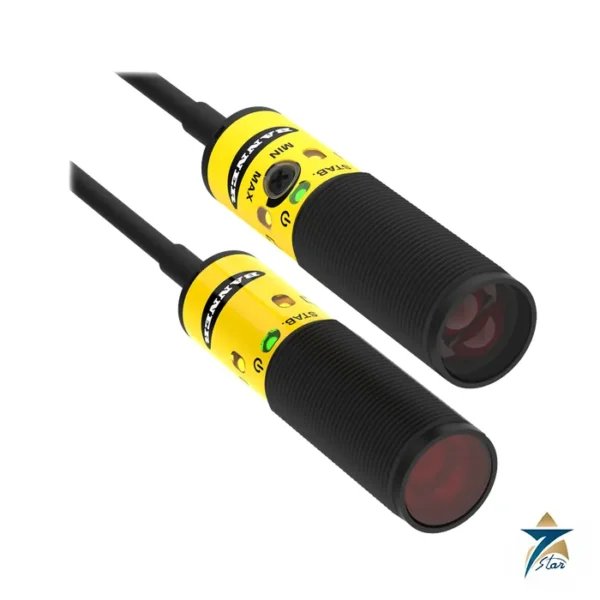
About Sensors & Transmitters
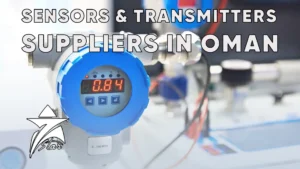
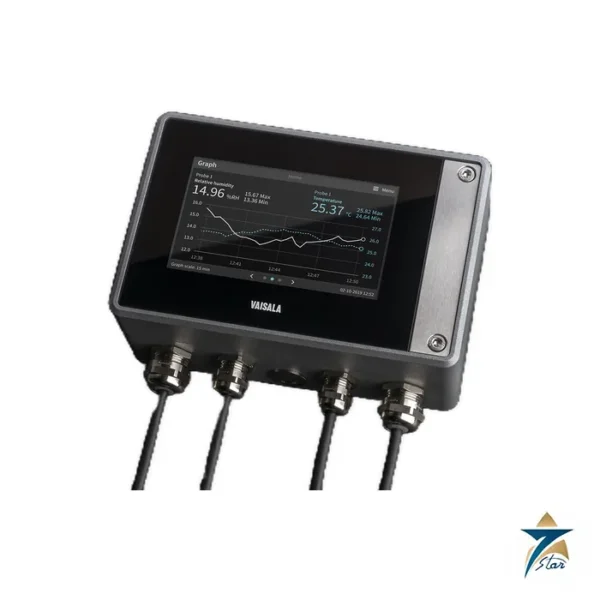
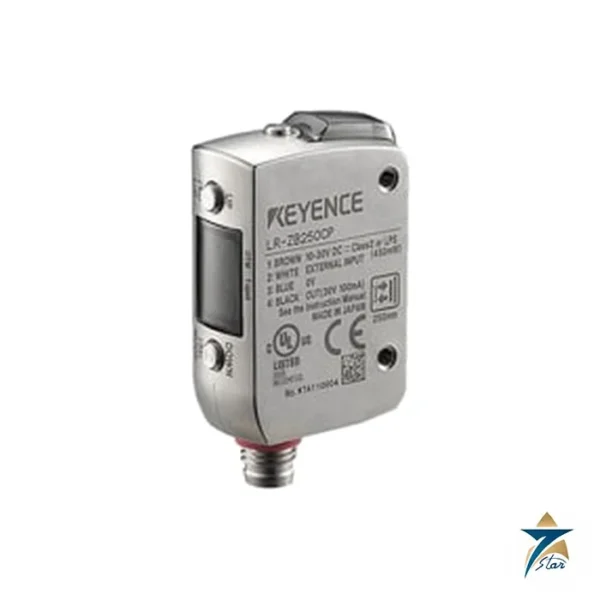
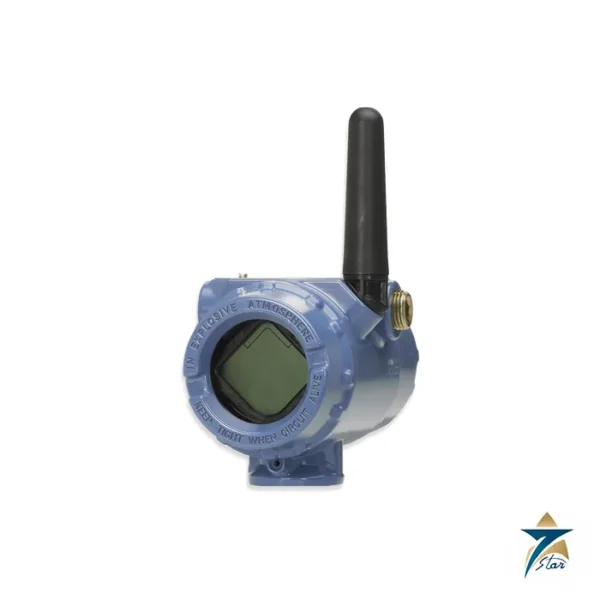
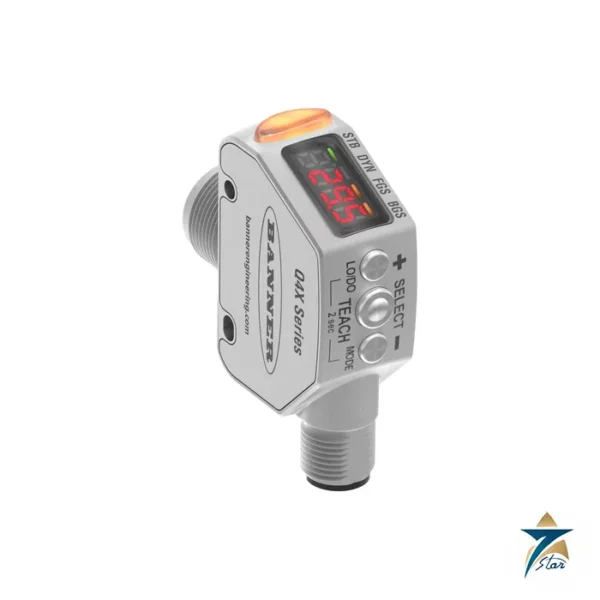
Sensors & Transmitters is our category for field instruments that measure level, pressure and temperature and send the value to a control system. It holds transmitters, switches, gauges, probes and related accessories from Endress+Hauser, ABB, Rosemount, WIKA and VEGA, with other makers alongside. Seven Star LLC supplies these measurement instruments from Muscat to engineers and buyers in Oman and the GCC.
Level, pressure and temperature instrumentation
Level Instrumentation covers continuous level transmitters and point level switches: guided wave radar and non-contacting radar from Endress+Hauser, VEGA, Rosemount and Magnetrol, displacer transmitters and controllers from Masoneilan, vibrating fork switches, magnetic level gauges and ultrasonic transmitters.
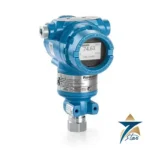
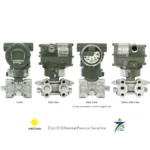
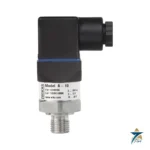
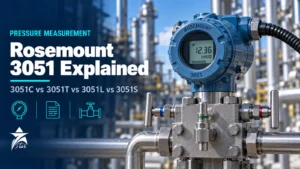
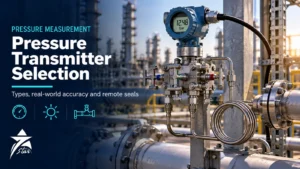
Pressure Instrumentation covers gauge, absolute and differential pressure transmitters from Rosemount, Yokogawa, Endress+Hauser and Honeywell, pressure gauges and differential gauges from WIKA and others, pressure switches and compact transducers.
Temperature Instrumentation covers RTD probes and thermometer assemblies from JUMO, WIKA and ABB, head-mount and field-mount temperature transmitters from Rosemount and Siemens, safety temperature limiters and calibration equipment.
Points that apply to every sensor and transmitter
Whatever the measured variable, the same questions come up. The wetted materials must resist the process fluid, and for sour service the material requirements of NACE MR0175 / ISO 15156 normally apply. The output must suit the control system: 4-20 mA with HART is the common choice, with FOUNDATION Fieldbus, PROFIBUS PA or wireless as alternatives. In classified areas the instrument needs intrinsically safe or flameproof protection with ATEX or IECEx certification. Loops that are part of a safety instrumented function need a device with a SIL capability statement under IEC 61508.
What to send for a quotation
The most direct route is the complete model code from the nameplate or datasheet. Without it, send the process fluid, operating and design pressure and temperature, measuring range, process connection, output signal, area classification and required certificates. We check the code against the manufacturer documentation and propose the manufacturer’s successor when a model is obsolete.
What to include in your inquiry
These details let us quote the right item the first time.
- Measured variable and range
- Medium, pressure and temperature
- Process connection and material
- Output signal or protocol
- Model code or nameplate photo of the existing device
- Hazardous-area approval, if required
Missing some of them? Send what you have. A nameplate photo or an old part number is enough to start.