- Vibration Monitoring
- PLC & I/O Cards
- Industrial Communications
- Automation Accessories
- Controllers & Data Acquisition
- AC Drives
- Isolator & Barrier
- Industrial Computers
- Encoders
- Safety Switches & Guard Locking
- Automation Software
- HMI Displays
- Motor Soft Starters
- Servo Drives
- CCTV & Security
- Robotics
- Pneumatic Cylinders
- Machine Vision
Category guide
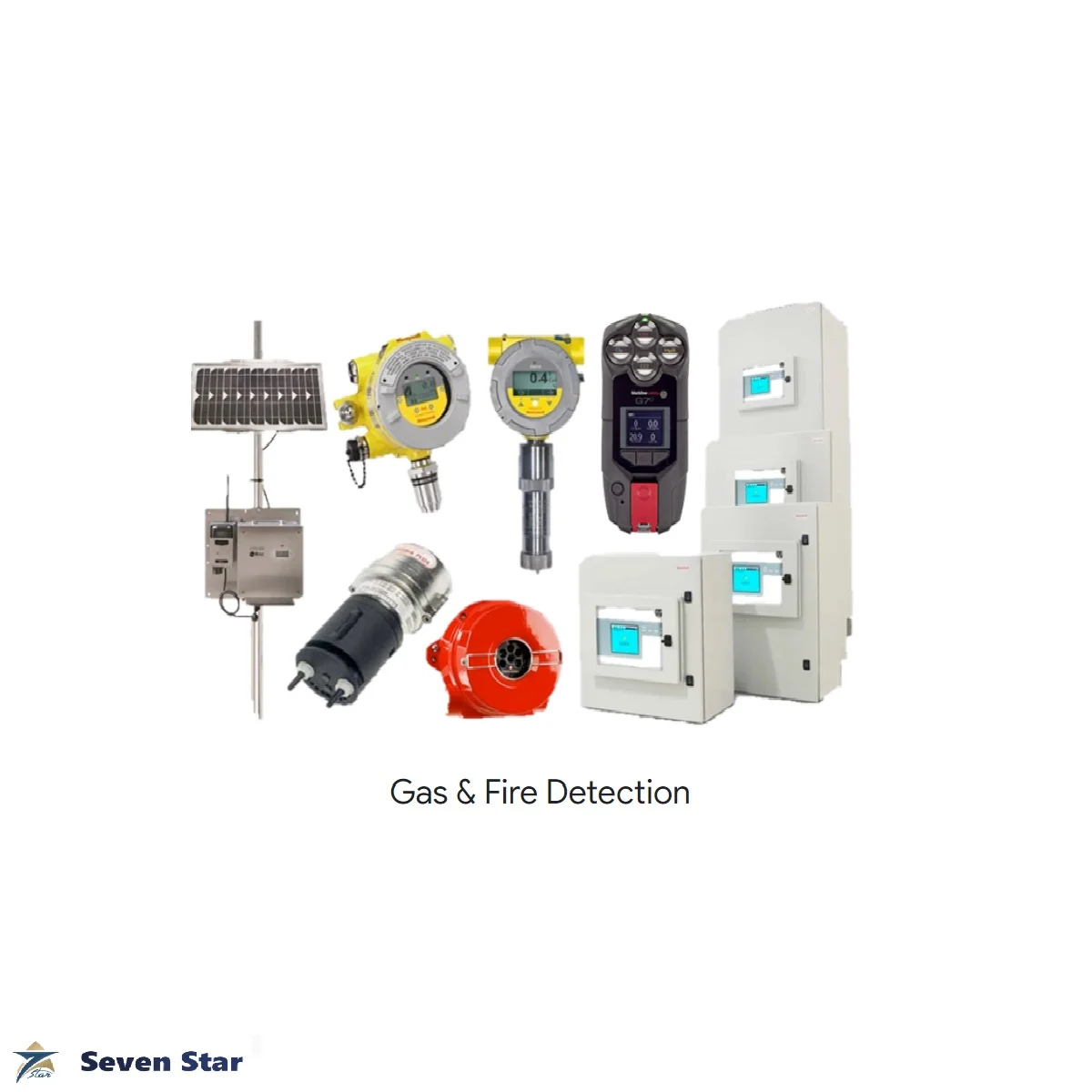
About Fire & Gas Detectors
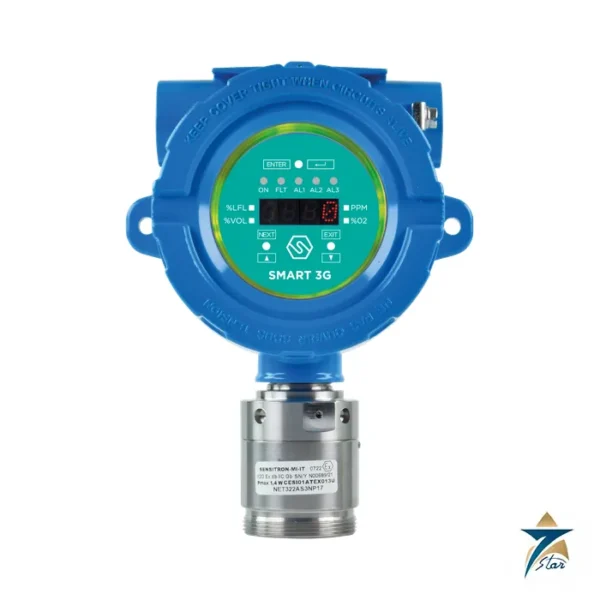
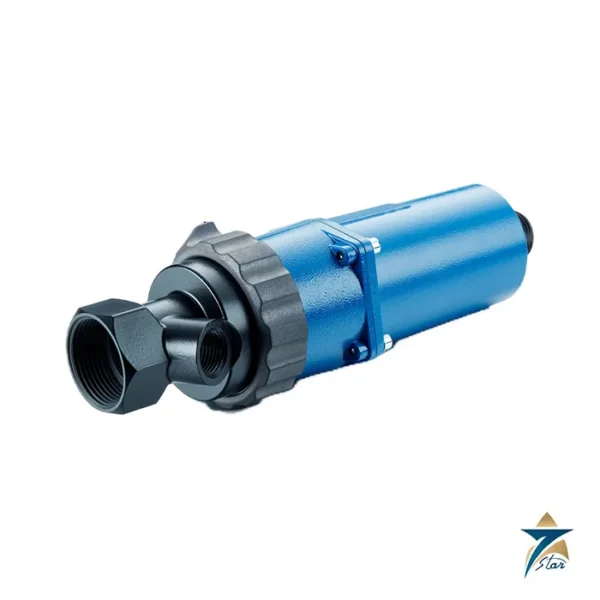
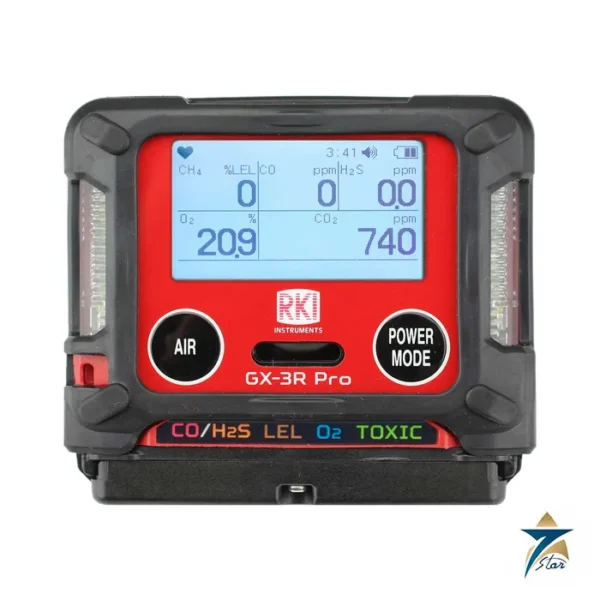
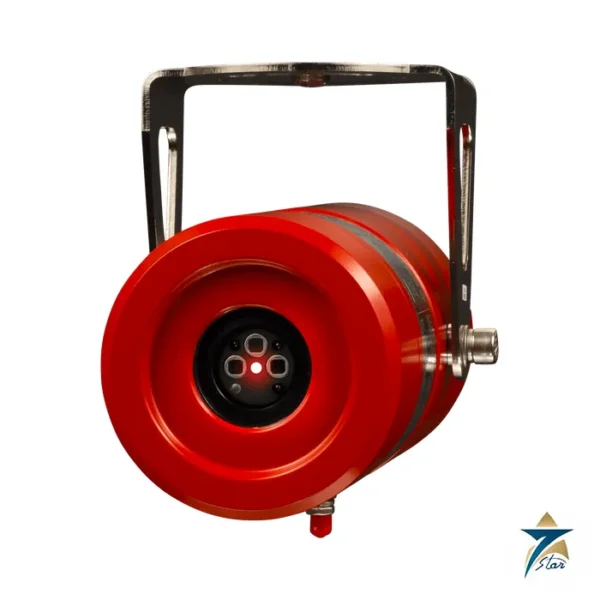
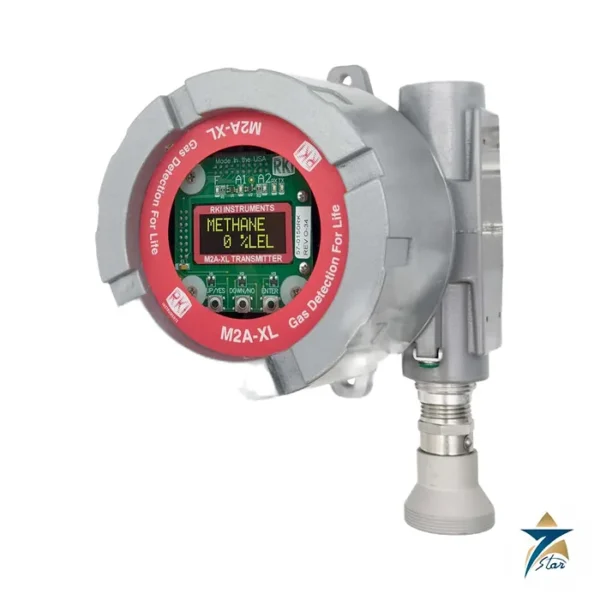
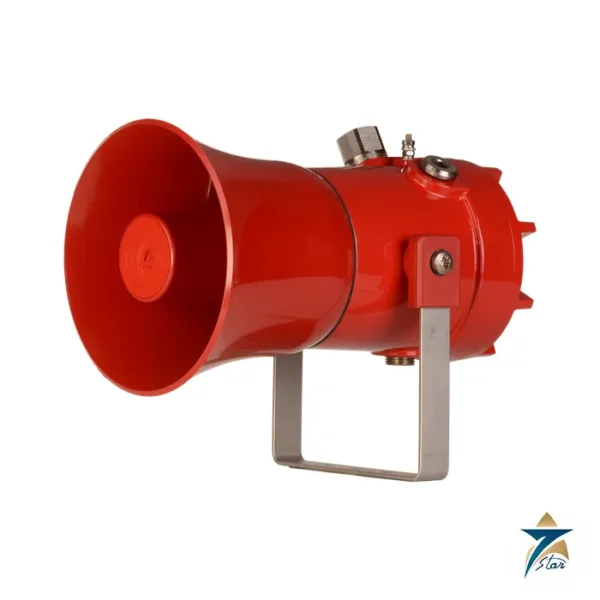
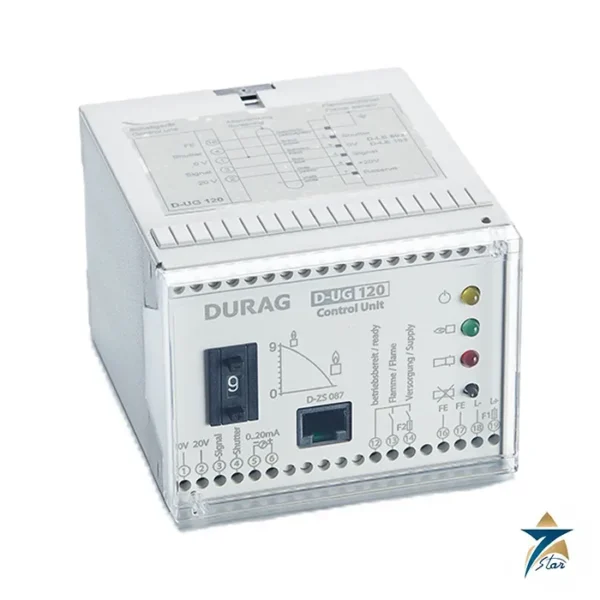
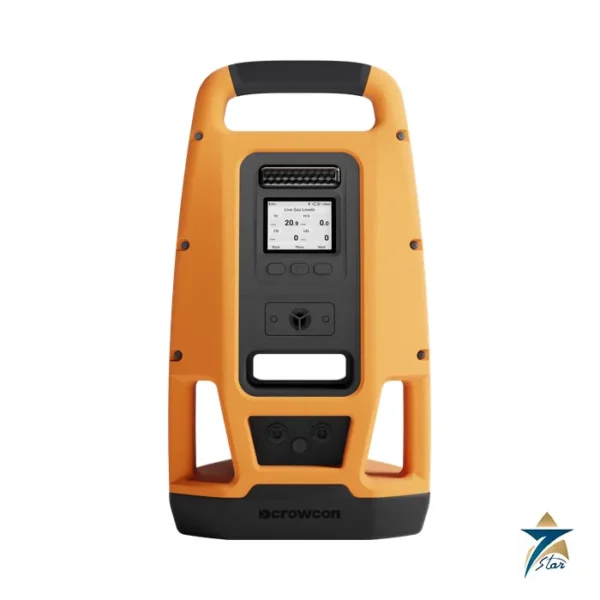
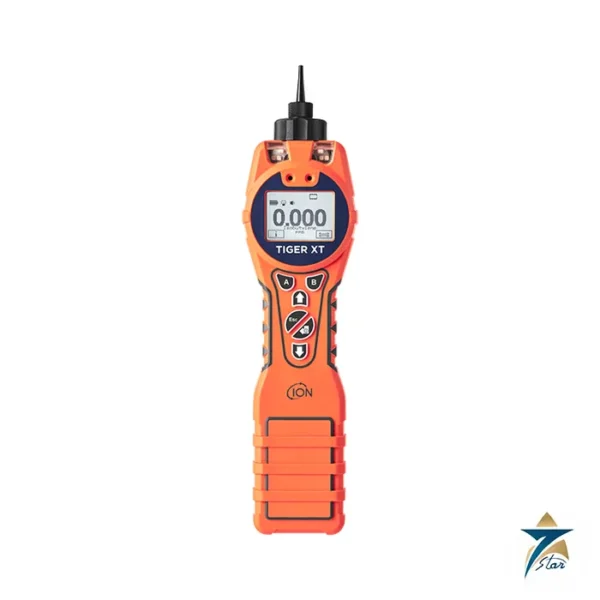
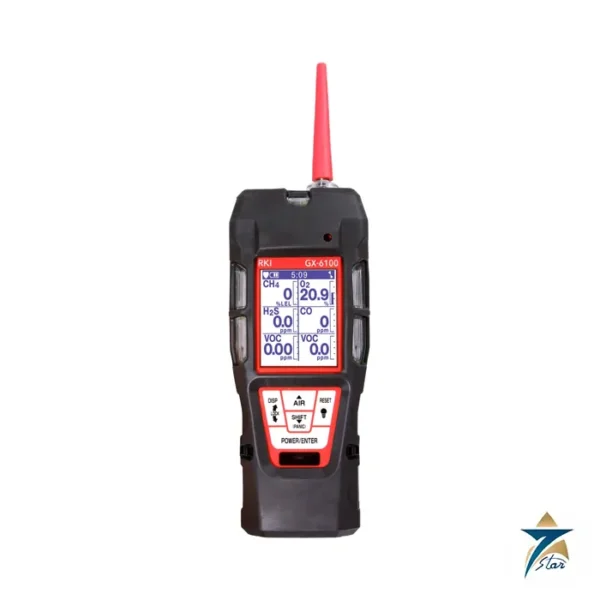
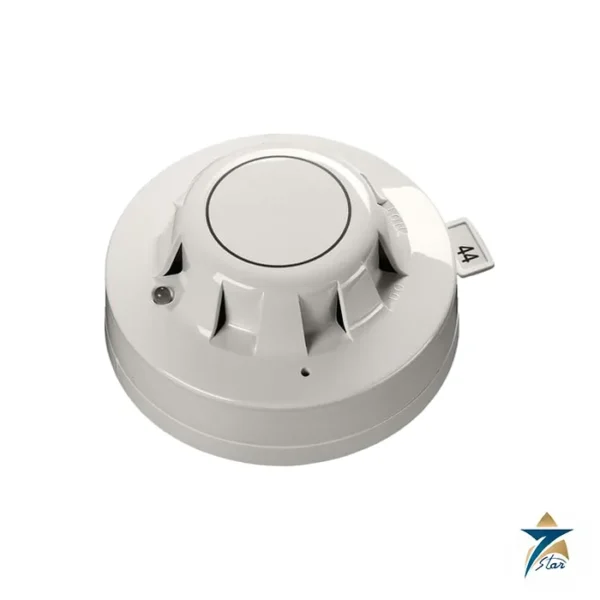
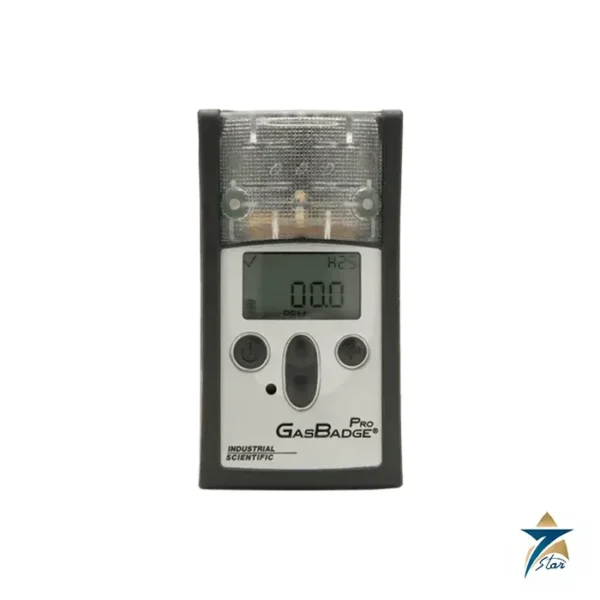
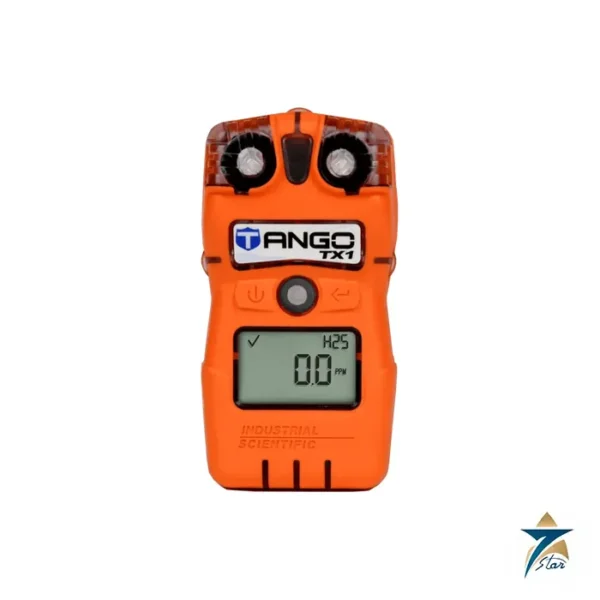
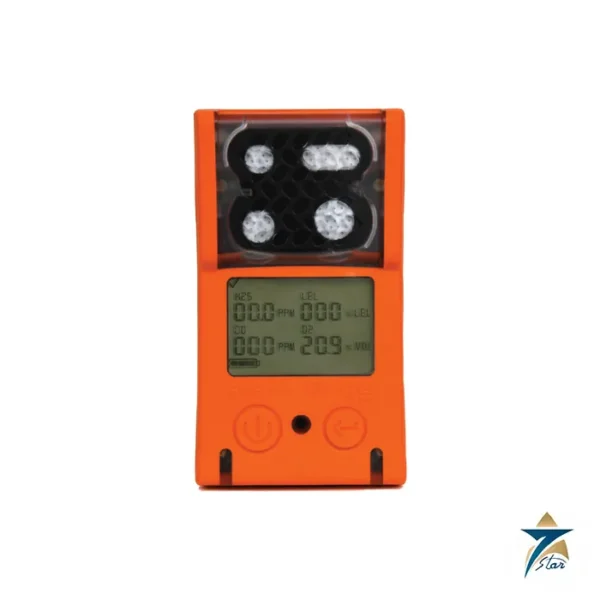
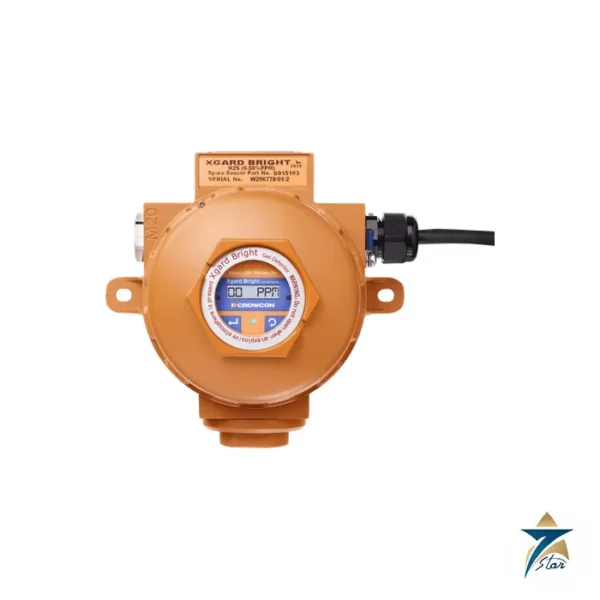
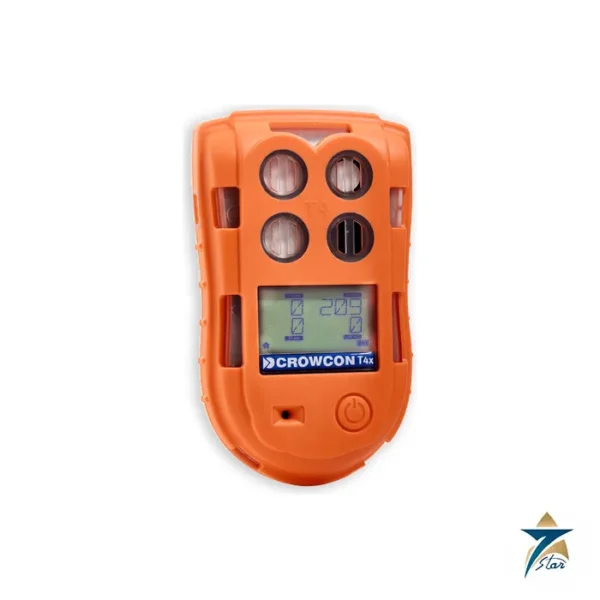
Fire & Gas Detectors covers the field devices of a fire and gas system: fixed and portable gas detectors, flame detectors, aspirating smoke detectors and the explosion-protected sounders and beacons that announce an alarm. Seven Star LLC supplies them from Muscat, Oman. Brands in the listing include Dräger, Honeywell, Xtralis, Det-Tronics, General Monitors and MSA Safety. Spare sensors, filters and accessories for these detectors are listed alongside the instruments.
Gas detector, flame detector and smoke detector types
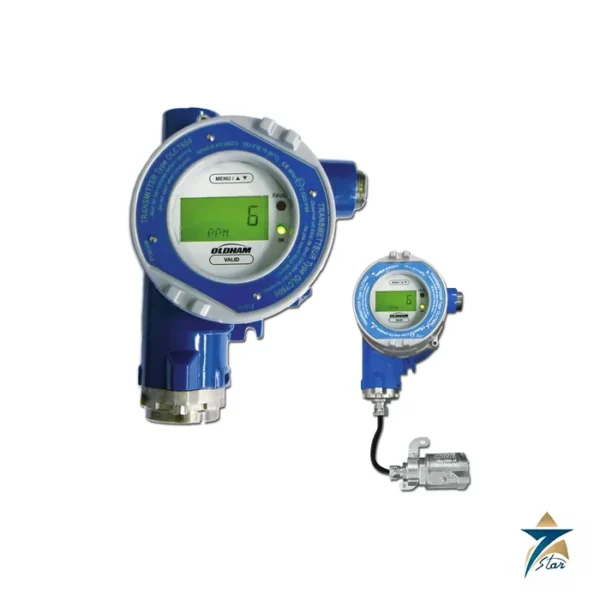
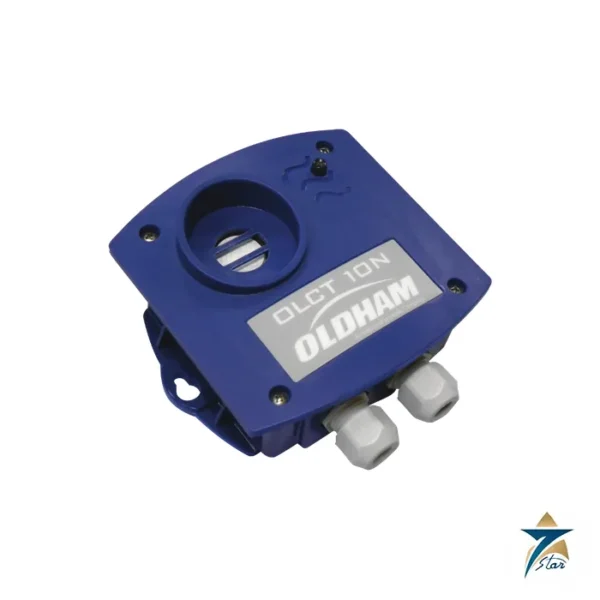
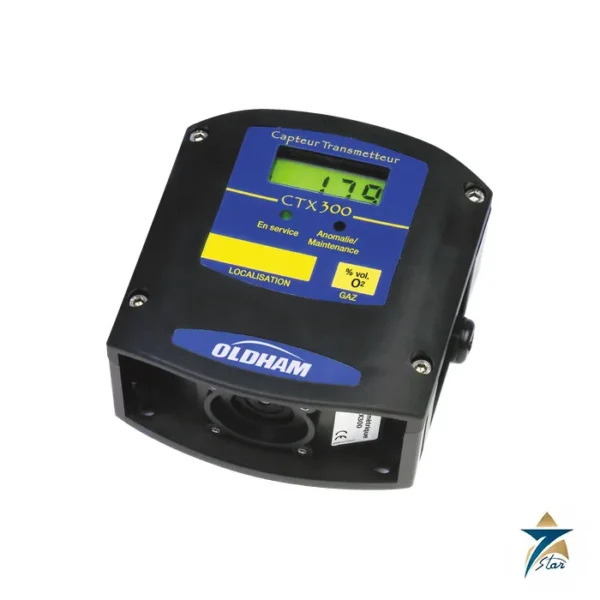
- Fixed point gas detectors: catalytic bead or infrared sensors for flammable gas, electrochemical cells for toxic gas and oxygen
- Open path gas detectors: an infrared beam between transmitter and receiver that covers a fence line or a row of equipment
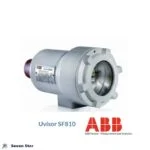
- Flame detectors: UV, UV/IR and triple IR optical types
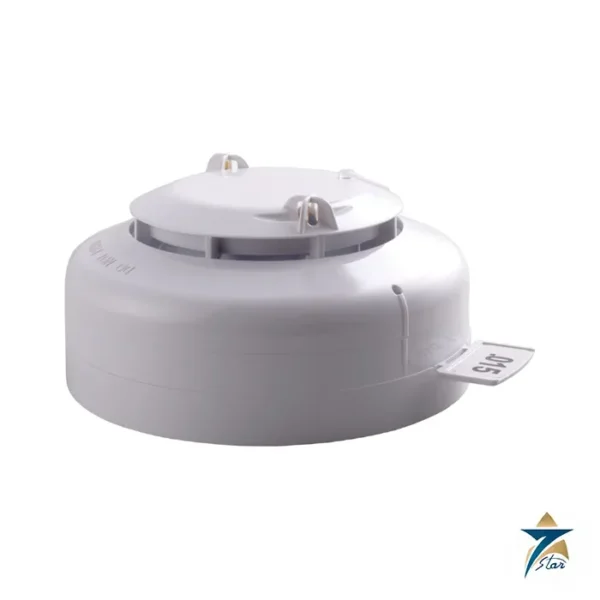
- Aspirating smoke detectors: air is drawn through sampling pipes to a detection chamber, for control rooms, switchgear rooms and data halls
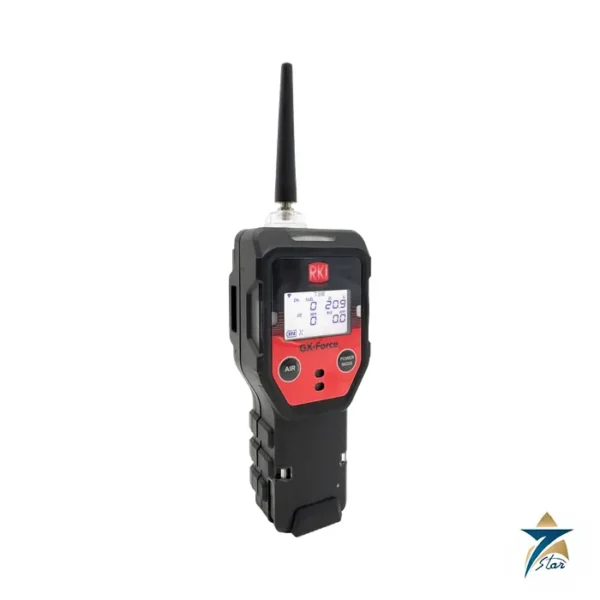
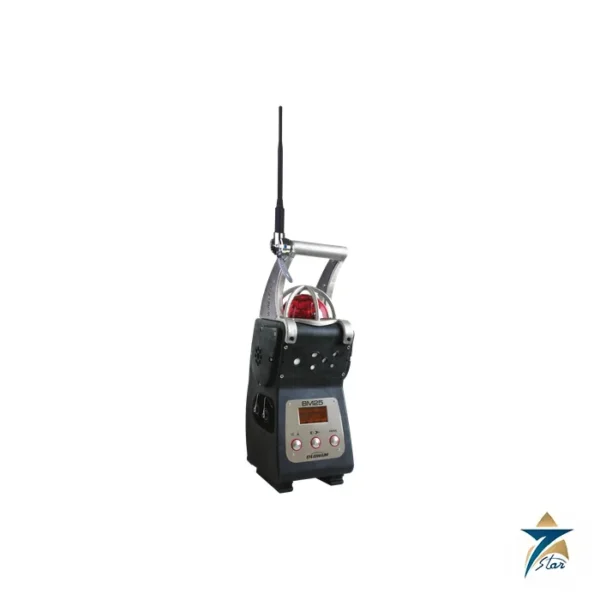
- Portable single gas and multi gas detectors: personal monitors for confined space entry and area checks
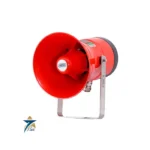
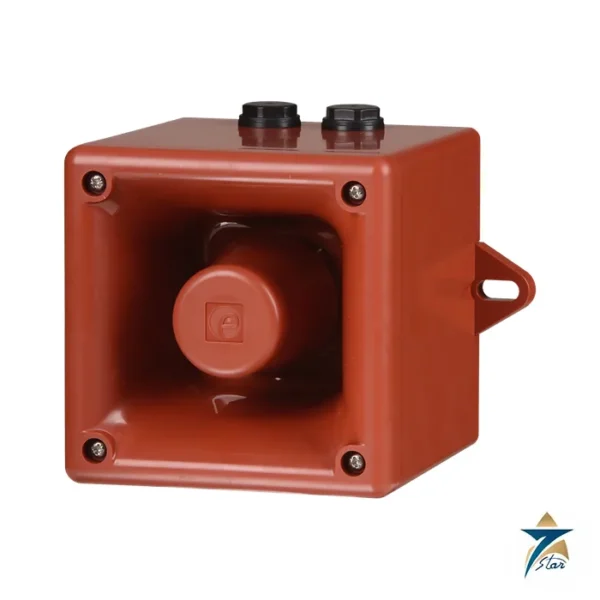
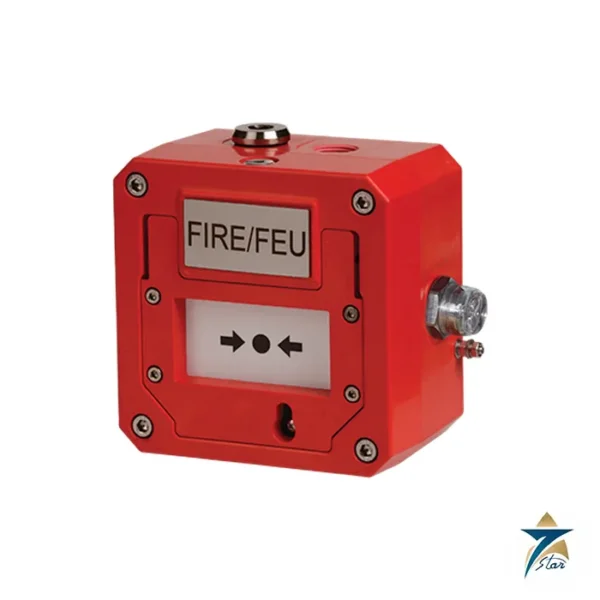
- Alarm sounders and beacons for hazardous areas
Certification and standards for fire and gas detectors
Detectors used in classified areas need ATEX or IECEx certification, with the protection concept, gas group and temperature class matching the area classification. The performance of flammable gas detectors is covered by IEC 60079-29-1. Flame detectors and aspirating smoke detectors for fire alarm systems are covered by EN 54-10 and EN 54-20. Devices that form part of a safety instrumented function are usually required with a SIL capability assessment to IEC 61508. Many projects in the GCC ask for FM or UL approvals as well, so name the approvals in the inquiry.
What to send for a detector quotation
Give the target gas and measuring range, the sensor technology, the output (4-20 mA, HART, relays or Modbus), the required approvals, the housing material and the cable entry thread. For a flame detector, add the fuel and the distance to be covered. For a replacement, the complete part number from the label is the best starting point. We check it against the manufacturer documentation and propose the manufacturer’s successor when the model is obsolete.
What to include in your inquiry
These details let us quote the right item the first time.
- Hazard to detect (flammable gas, toxic gas, flame, smoke)
- Detection principle, if specified
- Output: 4-20 mA, relay, HART, Modbus
- Area classification and approvals required
- Existing controller model, for compatibility
- Quantity and spares
Missing some of them? Send what you have. A nameplate photo or an old part number is enough to start.