- Vibration Monitoring
- Industrial Communications
- PLC & I/O Cards
- Automation Accessories
- AC Drives
- Controllers & Data Acquisition
- Industrial Computers
- Encoders
- Safety Switches & Guard Locking
- Isolator & Barrier
- Motor Soft Starters
- CCTV & Security
- HMI Displays
- Automation Software
- Servo Drives
- Pneumatic Cylinders
- Robotics
- Machine Vision
Non-Destructive Testing (NDT)
Penetrant & Magnetic Particle Testing
Liquid penetrant and magnetic particle testing find surface cracks in welds, castings, forgings and machined parts. They are among the most widely used NDT methods because they are fast, low cost and easy to apply on site. Seven Star LLC, an independent supplier in Muscat, supplies Magnaflux penetrant and magnetic particle products to inspection companies, fabricators and maintenance teams in Oman and the GCC.
Read the full category guide- 2 products
- 1 brand
Category guide
About Penetrant & Magnetic Particle Testing
Liquid penetrant and magnetic particle testing find surface cracks in welds, castings, forgings and machined parts. They are among the most widely used NDT methods because they are fast, low cost and easy to apply on site. Seven Star LLC, an independent supplier in Muscat, supplies Magnaflux penetrant and magnetic particle products to inspection companies, fabricators and maintenance teams in Oman and the GCC.
Products in this category
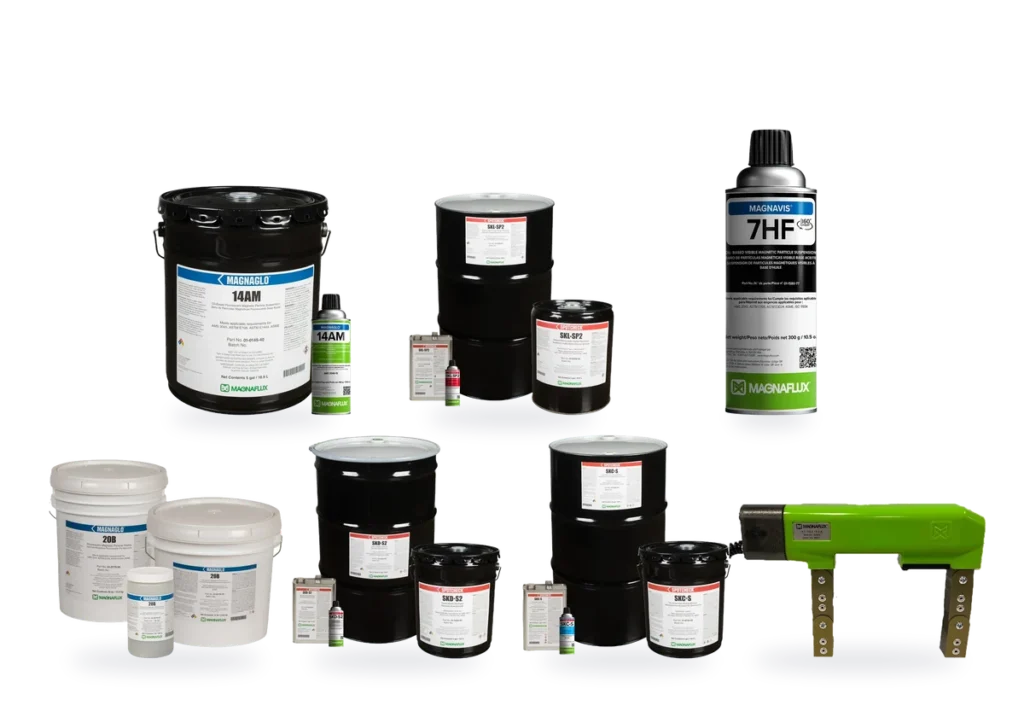
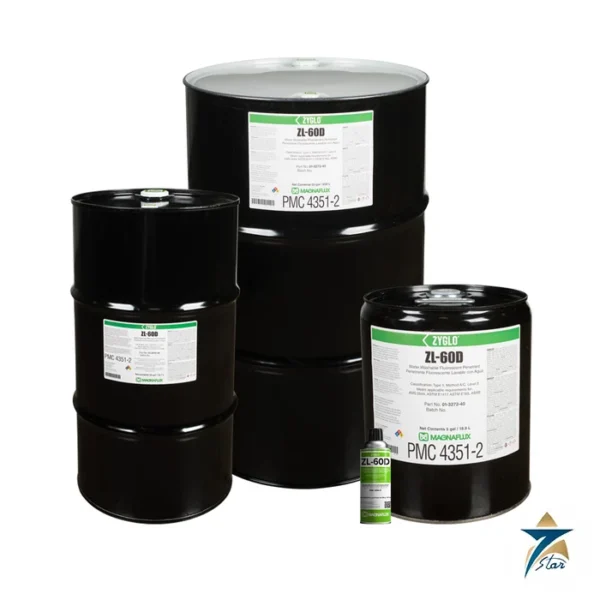
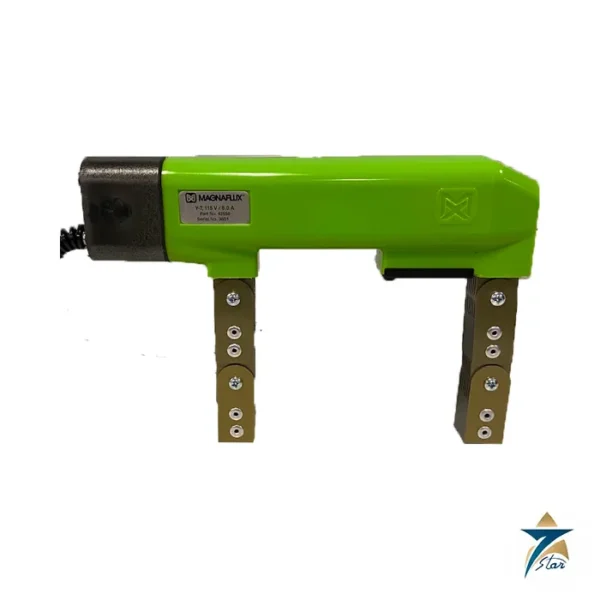
Visible red dye penetrants such as the Magnaflux Spotcheck SKL-SP2 kits suit field inspection under normal light, used with the SKC-S cleaner and SKD-S2 developer. Fluorescent penetrants such as the ZL-60D and ZL-67 give higher sensitivity (Level 2 and Level 3) when inspected under UV-A light, with developers such as ZP-9F. For ferromagnetic materials, Magnaflux 7HF visible magnetic particles, 14AM fluorescent particles and 20B premix suspensions show cracks when the part is magnetised, for example with the Y-7 AC/DC electromagnetic yoke.
How to choose a method and products
Magnetic particle testing works only on ferromagnetic steels and finds surface and slightly subsurface cracks. Penetrant testing works on non-porous metals and many other materials but only finds defects open to the surface. Choose sensitivity by the defects that must be found and the specification (for example ASTM E1417, ASME V or AMS 2644 for penetrant). Visible methods need no darkened area; fluorescent methods are more sensitive but need UV-A lighting. Use cleaners, penetrants and developers from the same family.
Data needed for a quotation
Send the product codes, can or bulk sizes and quantities, or the material, specification and inspection conditions.
What to include in your inquiry
These details let us quote the right item the first time.
- Material and thickness range
- Application (corrosion survey, weld inspection, bolt tension)
- Instrument model, when ordering probes or accessories
- Transducer frequency and type
- Standards the inspection must follow
Missing some of them? Send what you have. A nameplate photo or an old part number is enough to start.