Sanitary clean steam valves, separators, steam traps and hygienic process fittings

Clean Steam

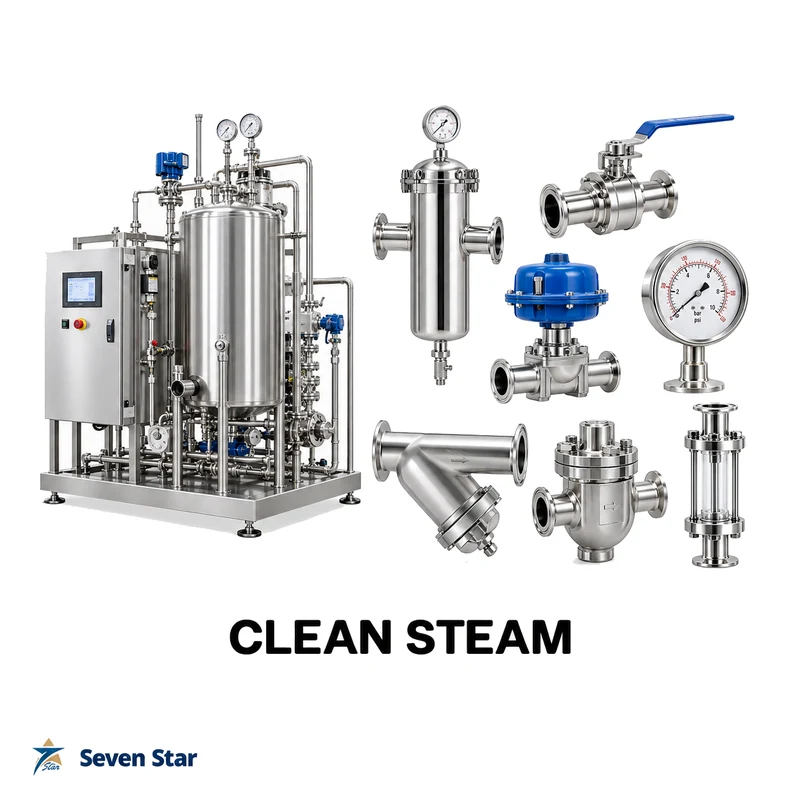
Clean steam is raised from purified water and distributed in stainless steel so that it carries no boiler treatment chemicals, rust or oil to the point of use. This category lists the stainless steel equipment for such systems, almost entirely from Spirax Sarco, with one Yarway steam trap. Seven Star LLC supplies it to pharmaceutical, healthcare, food and beverage sites in Oman. Thirteen products are listed: a clean steam generator, steam traps, a separator, a filter, an air vent and sanitary valves.
Read more about Clean Steam

Category guide

About Clean Steam

13 products 2 brands

Clean steam is raised from purified water and distributed in stainless steel so that it carries no boiler treatment chemicals, rust or oil to the point of use. This category lists the stainless steel equipment for such systems, almost entirely from Spirax Sarco, with one Yarway steam trap. Seven Star LLC supplies it to pharmaceutical, healthcare, food and beverage sites in Oman.

Thirteen products are listed: a clean steam generator, steam traps, a separator, a filter, an air vent and sanitary valves.

Clean steam equipment in the listing

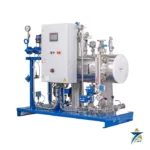
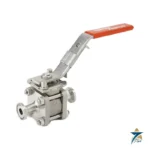
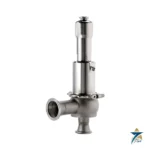
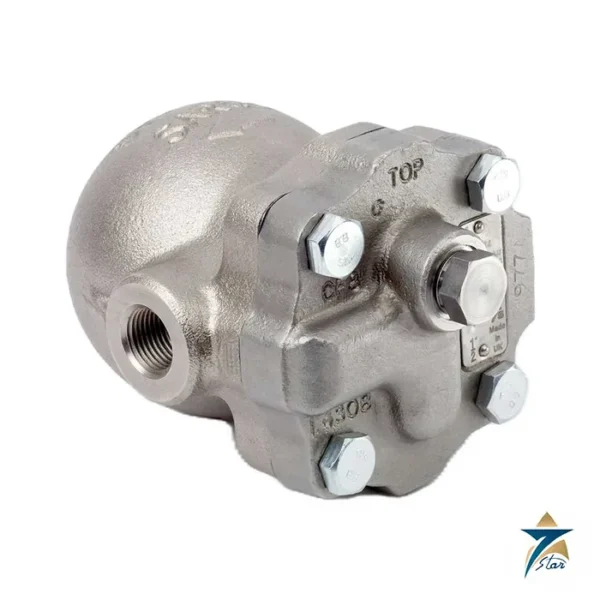
The Spirax Sarco CSG-HS is a packaged clean steam generator. Downstream, the CS10 separator removes entrained water droplets and the CSF16 filter removes fine particles before the steam reaches the process. Condensate is drained by thermostatic traps designed for clean steam, such as the BT6-B and BTM7, or by the FTS14 ball float trap, and the AVM7 air vent releases air and other non-condensable gases. Pressure and flow are managed by the SRV66 sanitary pressure reducing valve, the STERI-TROL control valve and the M70i sanitary ball valve, with the SVL488 safety valve providing overpressure protection. The Yarway Series 751/761 is a repairable trap for drip and tracer duty on conventional steam lines.

Why materials and drainability matter in clean steam systems

Everything in contact with clean steam is normally austenitic stainless steel, commonly 316L, with a controlled internal surface finish and sanitary clamp or tube weld connections. Components are designed to drain fully so that no condensate is left standing between sterilization cycles. Elastomers and seals are selected for compliance with food and pharmaceutical requirements. Steam quality for sterilizers is commonly assessed against EN 285 for dryness, superheat and non-condensable gases.

Where clean steam is used

Typical duties are sterilization in place of vessels and pipework, autoclaves and sterilizers, humidification of clean rooms and direct steam injection in food production. Hospitals and pharmaceutical plants across the GCC use the same kind of equipment for sterile utilities.

Data to include in a clean steam inquiry

Give the steam pressure and temperature, the condensate load or steam flow, line size, connection type (sanitary clamp, tube weld or flanged), required surface finish and the documents needed, for example material certificates and surface finish records. For a replacement, the product name and size from the nameplate allow us to check the item against the manufacturer documentation.

What to include in your inquiry

These details let us quote the right item the first time.

  • Valve type and size (DN / NPS)
  • Pressure class and end connection
  • Body and trim material
  • Fluid, flow rate, inlet and outlet pressure, temperature
  • Actuator type and fail position
  • Accessories: positioner, limit switches, solenoid

Missing some of them? Send what you have. A nameplate photo or an old part number is enough to start.

Request a Quote for Clean Steam

Looking for a specific model, part number or brand in Clean Steam? Send us your requirements and quantities. Seven Star LLC sources genuine industrial equipment for customers across Oman and the GCC and replies with a formal quotation.

Free, no-obligation quotation · takes about 1 minute

Other enquiries: [email protected] · WhatsApp

Frequently Asked Questions

What is the difference between filtered steam, clean steam and pure steam?
Filtered steam is ordinary plant steam passed through a fine filter to remove particles; it may still carry boiler chemicals. Clean steam is generated in a dedicated generator from treated or purified water. Pure steam is the pharmaceutical grade, whose condensate must meet the pharmacopoeia requirements for water for injection. The required grade is set by your process and quality department, and it determines the equipment.
Why are thermostatic steam traps used on clean steam lines?
Balanced pressure thermostatic traps open when condensate cools slightly below steam temperature, discharge air freely at start-up, and are self-draining with very little internal volume. Those properties suit sterilization duties, where trapped condensate or air would create a cold spot. For process loads with heavy, continuous condensate, such as heat exchangers, a stainless steel ball float trap is usually the better fit.
Can a standard carbon steel steam trap be used on a clean steam system?
No. Carbon steel and cast iron corrode in contact with clean steam and its condensate, which are aggressive because they are made from purified water, and the corrosion products contaminate the system. Standard traps also have crevices and pockets that hold condensate. Clean steam lines need stainless steel components designed to be self-draining, with suitable surface finish and seal materials.
Which documents are usually requested for clean steam components?
Buyers usually request material certificates to EN 10204 3.1 for wetted parts, a surface finish statement, and declarations for elastomers, such as FDA or USP Class VI compliance where applicable. We provide the manufacturer's datasheet and the certificates the manufacturer issues, on request. List them in the inquiry, since documentation packages are normally ordered with the product.
What does a clean steam separator do, and where is it fitted?
A separator removes water droplets carried along with the steam, so the steam arriving at the sterilizer or process is dry. Wet steam carries less heat, can leave wet loads in sterilizers and erodes valves. The separator is fitted upstream of control valves and points of use, and it needs its own steam trap to drain the collected water.