- Vibration Monitoring
- Industrial Communications
- PLC & I/O Cards
- Automation Accessories
- Controllers & Data Acquisition
- AC Drives
- Industrial Computers
- Encoders
- Isolator & Barrier
- Safety Switches & Guard Locking
- Automation Software
- HMI Displays
- Motor Soft Starters
- Servo Drives
- CCTV & Security
- Robotics
- Pneumatic Cylinders
- Machine Vision


Category guide
About HVAC & Combustion
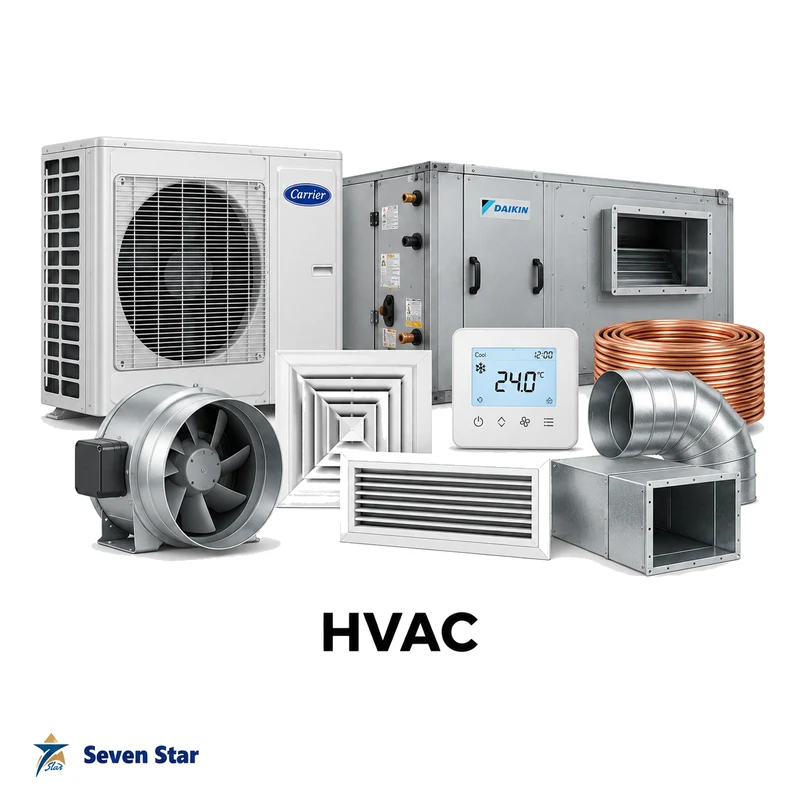
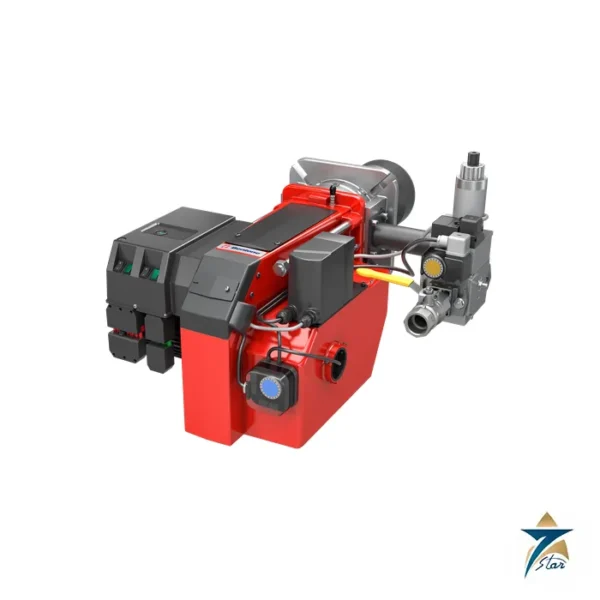
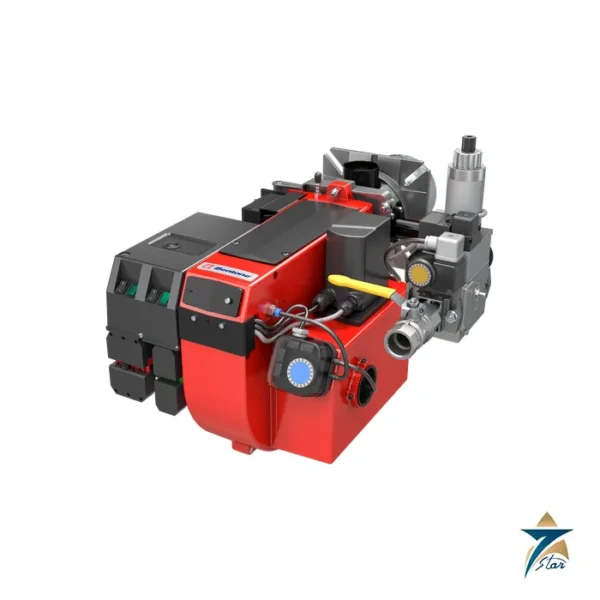
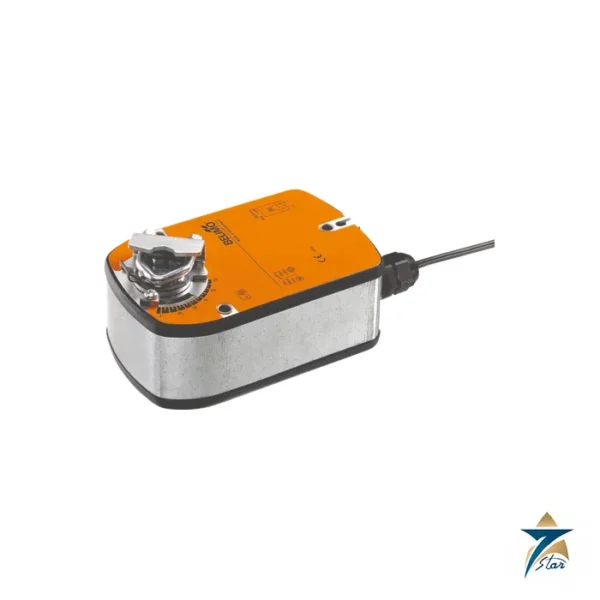
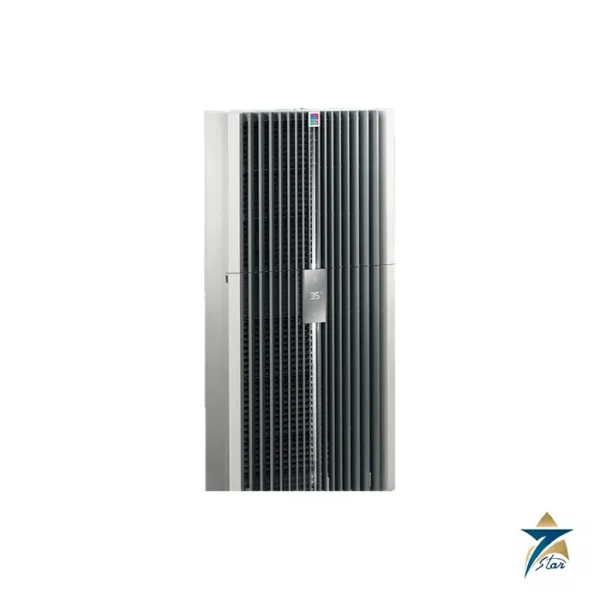
HVAC & Combustion collects the building services and process heating items in the Seven Star LLC catalog, supplied from Muscat, Oman: gas burners, damper actuators, balancing valves, enclosure cooling units, an explosion-protected package air conditioner and vibration isolators. Brands listed include Bentone, DUNGS, LAMTEC, Belimo, Weflo, Rittal, Siemens and Mason Industries. The group is small, and other HVAC models from these manufacturers can be sourced on request.
What the HVAC & Combustion category contains
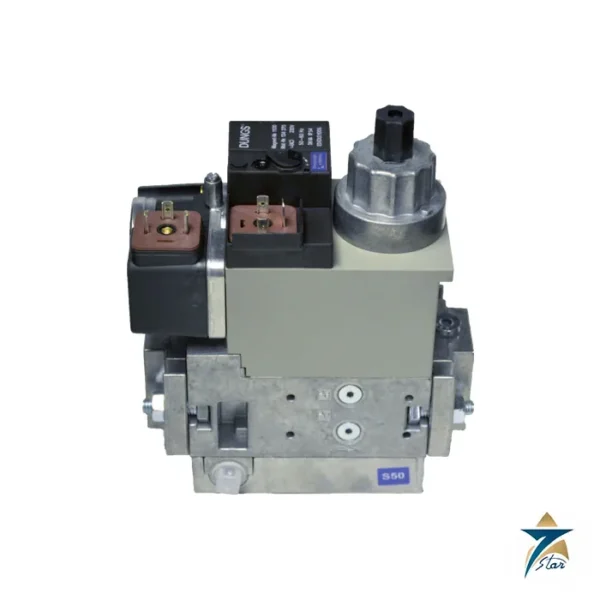
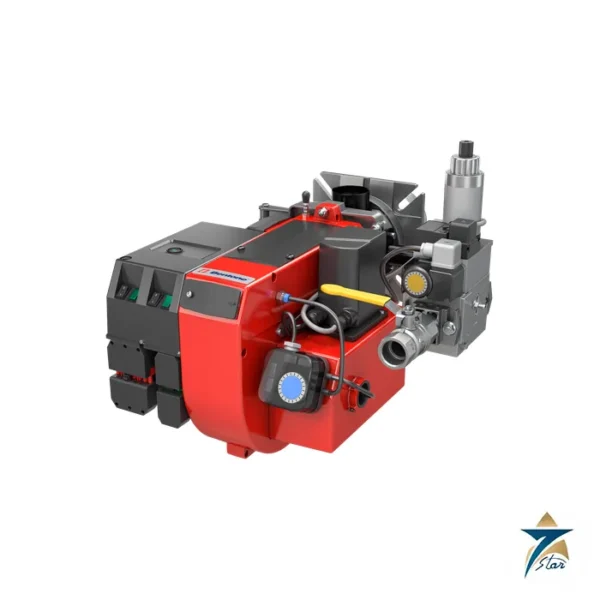
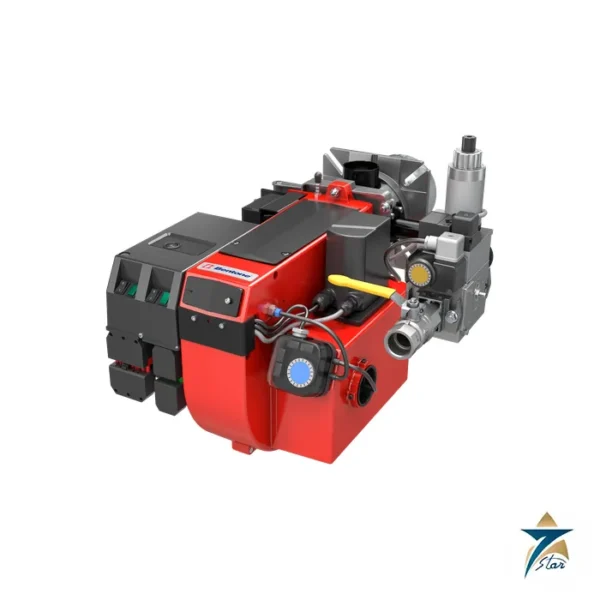
Two sub-categories sit below this one. Burners & Gas Trains holds forced draught gas burners for boilers and process heaters, with DUNGS gas train components and a LAMTEC burner control system. Vibration Isolation holds spring mounts, rubber mounts and hangers that keep machine vibration out of the building structure.
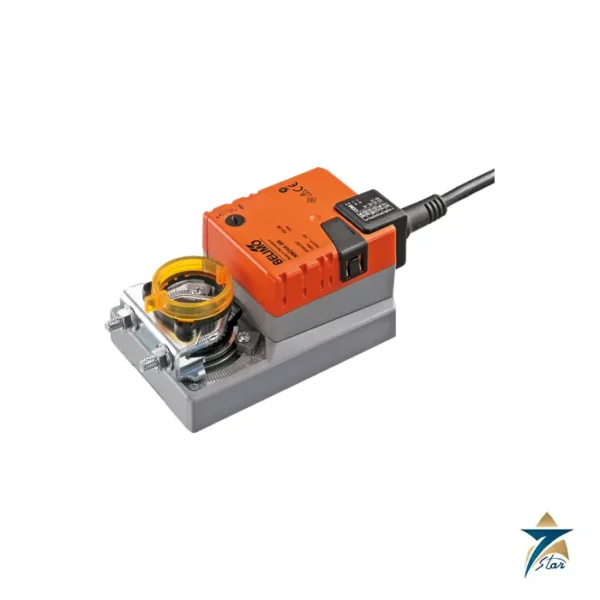
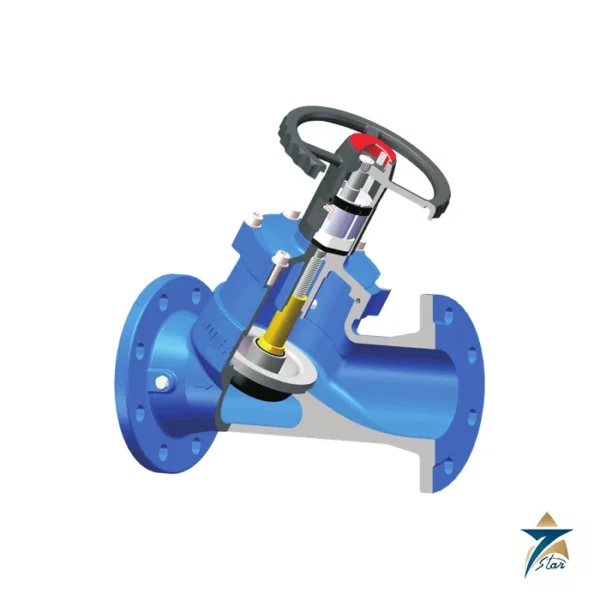
The remaining items are listed directly here. Spring-return damper actuators drive an air damper and move it to a defined position when power is lost. Balancing valves set and measure the flow in chilled water and heating branches. Enclosure cooling units remove heat from electrical cabinets while the cabinet stays closed to dust. The explosion-protected package air conditioner is for control rooms and shelters located inside classified areas.
Hazardous-area and gas safety requirements
HVAC equipment for a classified area must carry an ATEX or IECEx certificate whose zone, gas group and temperature class cover the area classification of the site. That applies to the complete unit, including fans, controls and compressor. Forced draught gas burners are built to EN 676, and the gas train ahead of the burner has its own requirements for safety shut-off valves and gas pressure monitoring. Name the applicable project code in the inquiry so that the right version is offered.
Selection data to send for HVAC items
For a damper actuator: damper area or required torque, control signal, supply voltage and fail position. For a balancing valve: line size, design flow, pressure rating and end connection. For an enclosure cooling unit: heat load, enclosure dimensions, ambient and target internal temperature and supply voltage. For an explosion-protected air conditioner: cooling load, area classification and ambient design temperature, which in the GCC is a deciding factor. We check each selection against the manufacturer documentation.
What to include in your inquiry
These details let us quote the right item the first time.
- Equipment model and serial number
- Capacity or duty
- Refrigerant or medium
- Power supply
- Part number, for spare parts
Missing some of them? Send what you have. A nameplate photo or an old part number is enough to start.