- Automation & ControlView all 2,462 products
- Automation Accessories
- AC Drives
- PLC & I/O Cards
- Industrial Communications
- Vibration Monitoring
- Controllers & Data Acquisition
- Isolator & Barrier
- CCTV & Security
- Motor Soft Starters
- Encoders
- Safety Switches & Guard Locking
- HMI Displays
- Pneumatic Cylinders
- Servo Drives
- Industrial Computers
- Machine Vision
- Automation Software
- Robotics
















Bolt Tension
Bench-Top Bolt Tension Instruments
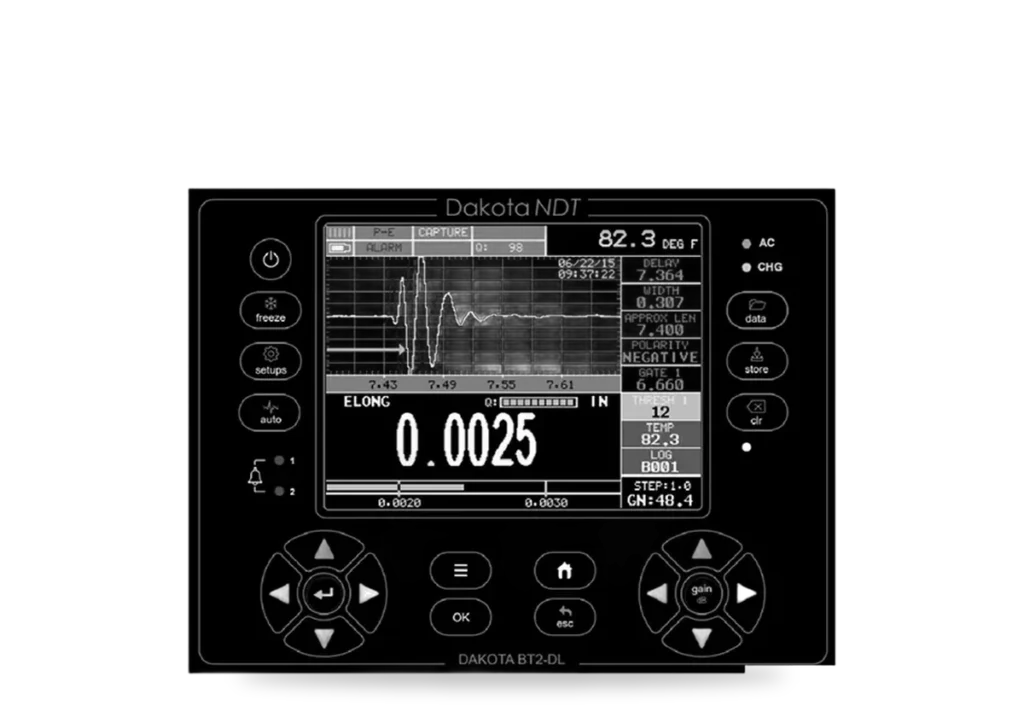
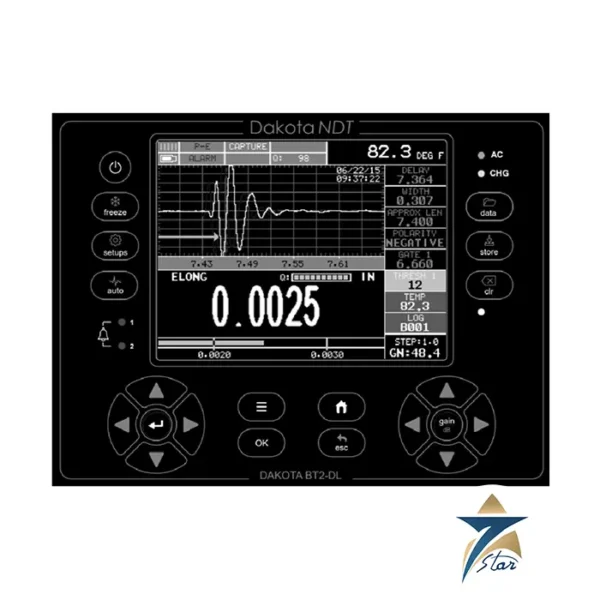
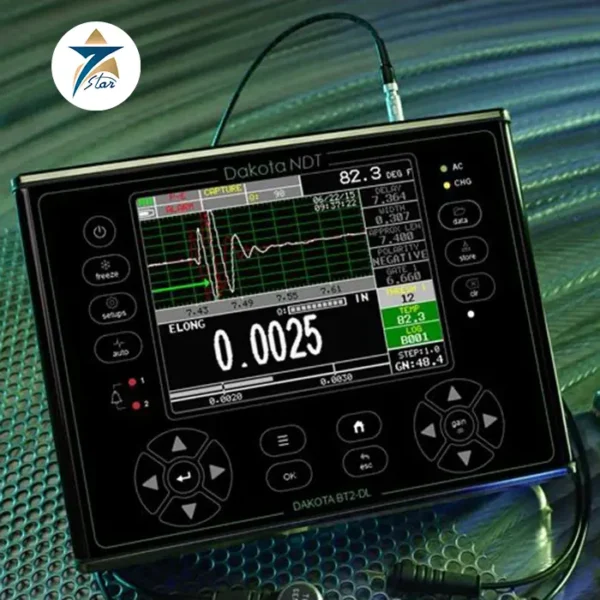
Bench-top bolt tension instruments are ultrasonic elongation monitors in a bench-top format for workshops, test rigs and assembly bays. The model listed is the Dakota NDT BT2-DL benchtop bolt tension monitor, and Seven Star LLC is the agency for Dakota NDT in Oman and the GCC. Like its handheld counterpart, it sends a sound pulse along the fastener and converts the change in transit time during tightening into elongation, load and stress.
Read the full category guide- 1 product
- 1 brand
Category guide
About Bench-Top Bolt Tension Instruments
Bench-top bolt tension instruments are ultrasonic elongation monitors in a bench-top format for workshops, test rigs and assembly bays. The model listed is the Dakota NDT BT2-DL benchtop bolt tension monitor, and Seven Star LLC is the agency for Dakota NDT in Oman and the GCC.
Like its handheld counterpart, it sends a sound pulse along the fastener and converts the change in transit time during tightening into elongation, load and stress.
Where a bench-top bolt tension monitor fits
A bench unit suits places where the fasteners are tightened near a fixed station: turbine and compressor assembly, engine building, flange make-up in a fabrication shop, and fastener testing against a load cell. A full-waveform view helps when the operator needs to study the echo and confirm the instrument is timing the correct signal, which matters on long or difficult bolts.
Verifying tightening procedures
Engineers also use bolt elongation measurement to qualify a torque or tensioning procedure. A sample of joints is tightened by the planned method while elongation is recorded, and the scatter shows if the procedure delivers the required preload.
Inquiry data
State bolt diameter, length, material grade, end condition and target load. Only one bench-top model is listed now. Related transducers and other models can be sourced on request.
Bench-top bolt tension systems
Bench-top ultrasonic bolt tension instruments are used in laboratories and production to measure bolt preload and characterise fasteners. They allow repeatable measurement with precise temperature compensation and recording for quality documentation. Typical work includes establishing the stress factor for a new bolt type, checking batches of fasteners before they go to site, and building the reference data that portable bolt gauges then use in the field.
What to include in your inquiry
These details let us quote the right item the first time.
- Material and thickness range
- Application (corrosion survey, weld inspection, bolt tension)
- Instrument model, when ordering probes or accessories
- Transducer frequency and type
- Standards the inspection must follow
Missing some of them? Send what you have. A nameplate photo or an old part number is enough to start.