Seven Star L.L.C

Encoders

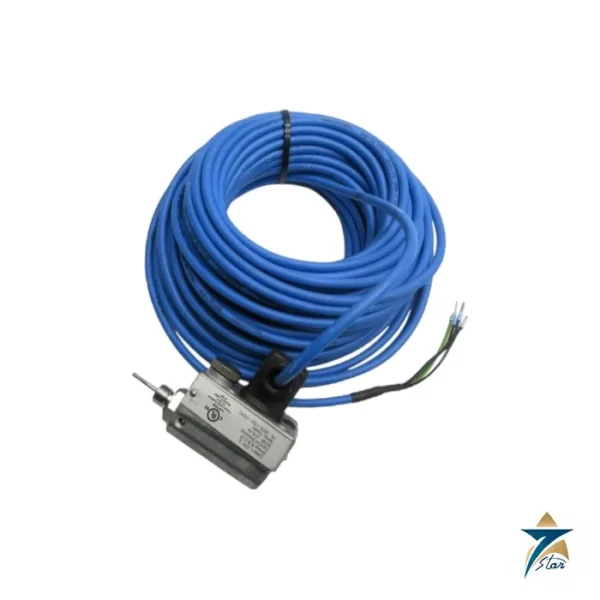
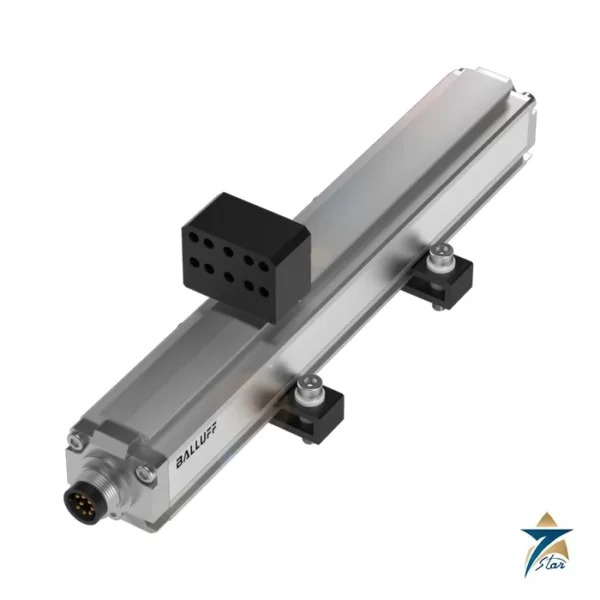
Encoders and position sensors convert mechanical movement into an electrical signal that a drive, PLC or controller can use. This is a small category at Seven Star LLC in Oman with three listed products: an Autonics incremental rotary encoder, a Balluff Micropulse magnetostrictive linear position sensor and an HB Products linear short-stroke position transmitter in an Ex version. The range is growing, and other encoder models can be sourced on request.
Read more about Encoders

Category guide

About Encoders

3 products 3 brands

Encoders and position sensors convert mechanical movement into an electrical signal that a drive, PLC or controller can use. This is a small category at Seven Star LLC in Oman with three listed products: an Autonics incremental rotary encoder, a Balluff Micropulse magnetostrictive linear position sensor and an HB Products linear short-stroke position transmitter in an Ex version. The range is growing, and other encoder models can be sourced on request.

Rotary encoders and linear position sensors

An incremental rotary encoder outputs a fixed number of pulses per shaft revolution, usually on two channels shifted by 90 degrees so the controller can read direction, plus a reference pulse once per turn. It is the usual choice for speed feedback and length measurement. An absolute encoder reports a unique position value and keeps it through a power loss. Magnetostrictive linear sensors measure the position of a magnet along a rod or profile without contact, which is why they are common inside hydraulic cylinders and on presses, gates and valve actuators. Short-stroke position transmitters give a continuous signal over a short travel, typically for valve stem or actuator position.

Data needed to quote an encoder

For a rotary encoder send the shaft type and diameter, flange, resolution in pulses per revolution, output circuit (line driver, push-pull or open collector), supply voltage and connection type. For a linear sensor send the stroke length, output signal, mounting style and, for use in the GCC oil and gas sector, the required Ex marking.

What to include in your inquiry

These details let us quote the right item the first time.

  • Full part number or order code
  • Hardware and firmware revision, when replacing a part
  • Control system or PLC family it must work with
  • New installation or replacement of an obsolete part
  • Quantity and required delivery date

Missing some of them? Send what you have. A nameplate photo or an old part number is enough to start.


Request a Quote for Encoders

Looking for a specific model, part number or brand in Encoders? Send us your requirements and quantities. Seven Star LLC sources genuine industrial equipment for customers across Oman and the GCC and replies with a formal quotation.

Free, no-obligation quotation · takes about 1 minute

Other enquiries: [email protected] · WhatsApp

Frequently Asked Questions

Incremental or absolute encoder: which one do I need?
Use an incremental encoder when you need speed or relative position and the machine can run a homing move after power-up. Use an absolute encoder when the position must be known at power-up without moving, for example on valve actuators, cranes or gates. Absolute encoders also need a matching interface such as SSI or a fieldbus on the controller side, so check the input card first.
How do I replace an encoder whose model is no longer made?
Record the mechanical data first: shaft diameter, solid or hollow shaft, flange type and bolt circle. Then the electrical data: pulses per revolution, output circuit, supply voltage and pin assignment. With these, an equivalent from the same manufacturer's current series can usually be identified. Send us the old type code or a nameplate photo, and we check the proposed successor against the manufacturer's documentation.
What does the output circuit type mean on an incremental encoder?
It describes the electrical stage that drives the pulse signals. A line driver gives differential signals suited to long cables and noisy plant, and needs a differential receiver. Push-pull (totem pole) drives the signal both high and low. Open collector outputs only switch to ground and need a pull-up resistor. The type must match the input of your drive, counter card or PLC.
Why are magnetostrictive sensors used in hydraulic cylinders?
The sensing rod fits inside the gun-drilled piston rod and a ring magnet travels with the piston, so position is measured without contact and without wear. The pressure-resistant rod stays in the oil, and only the electronics head is outside the cylinder. The sensor gives absolute position over the whole stroke, so no reference run is needed after a power cut.
What information do you need to quote a linear position sensor?
Stroke length, housing style (rod for in-cylinder mounting or profile for external mounting), output signal such as analog current or voltage, SSI or a fieldbus, supply voltage, connector or cable outlet, and the magnet type. For hazardous areas add the zone and required protection type. If you are replacing a sensor, the complete type code from its label covers all of this.