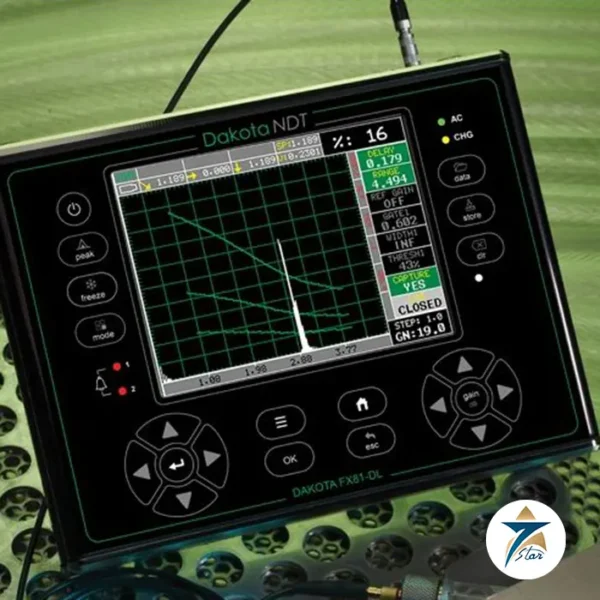
Bench-top ultrasonic flaw detectors

Bench-Top Flaw Detectors

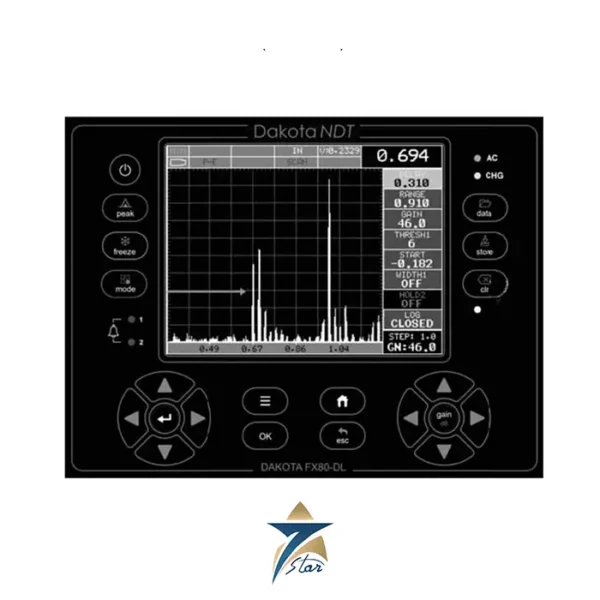
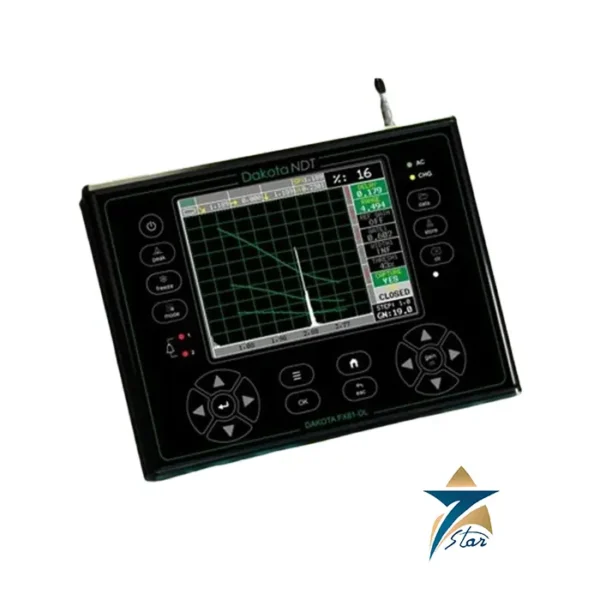
Bench-top flaw detectors are high-performance ultrasonic inspection systems designed for advanced defect detection, detailed waveform analysis, and laboratory-grade material evaluation. These instruments offer superior processing power, enhanced signal interpretation, and high-resolution displays for accurate identification of cracks, inclusions, weld defects, and internal structural variations.

They are widely used in aerospace component testing, manufacturing quality control, metallurgical analysis, power generation, and research laboratories. Bench-top flaw detectors provide greater precision, stable performance, and advanced measurement features for critical applications requiring high accuracy and consistent repeatability.
Frequently Asked Questions

When should a bench-top flaw detector be chosen over a handheld unit?
Bench-top flaw detectors are the optimal choice for high-volume manufacturing environments, laboratory research, and automated inspection systems where portability is not a factor. They offer superior processing power, larger high-resolution displays, and extensive multi-channel capabilities.
What advanced analysis features are available in bench-top flaw detectors for laboratory use?
Bench-top units typically feature highly advanced signal processing, high-speed data acquisition, and extensive analytical software for in-depth material characterization. They allow for complex gate configurations, spectral analysis, and precise flaw sizing critical for research and development.
How do bench-top systems integrate with automated or semi-automated inspection lines?
These systems are engineered with robust I/O interfaces, including analog outputs, digital alarms, and encoder inputs, to synchronize seamlessly with automated scanners and robotic manipulation systems. This ensures high-speed, 100% inspection coverage in demanding production environments.
Can bench-top flaw detectors perform high-speed, multi-channel ultrasonic testing?
Yes, premium bench-top models are often designed with multi-channel architectures, allowing simultaneous firing and evaluation of multiple transducers. This capability dramatically reduces inspection cycle times on complex components like turbine discs or heavy forgings.
What connectivity options are provided for data transfer and remote control in bench-top units?
Bench-top detectors offer comprehensive connectivity, including Ethernet, USB, and sometimes RS-232, enabling integration into local area networks and Laboratory Information Management Systems (LIMS). This facilitates remote parameter configuration, real-time data streaming, and automated archiving.