- Vibration Monitoring
- PLC & I/O Cards
- Industrial Communications
- Automation Accessories
- Controllers & Data Acquisition
- AC Drives
- Isolator & Barrier
- Industrial Computers
- Encoders
- Safety Switches & Guard Locking
- Automation Software
- HMI Displays
- Motor Soft Starters
- Servo Drives
- CCTV & Security
- Robotics
- Pneumatic Cylinders
- Machine Vision


Category guide
About Motor Soft Starters
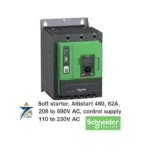
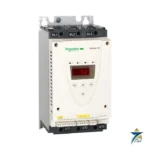
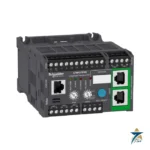
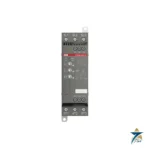
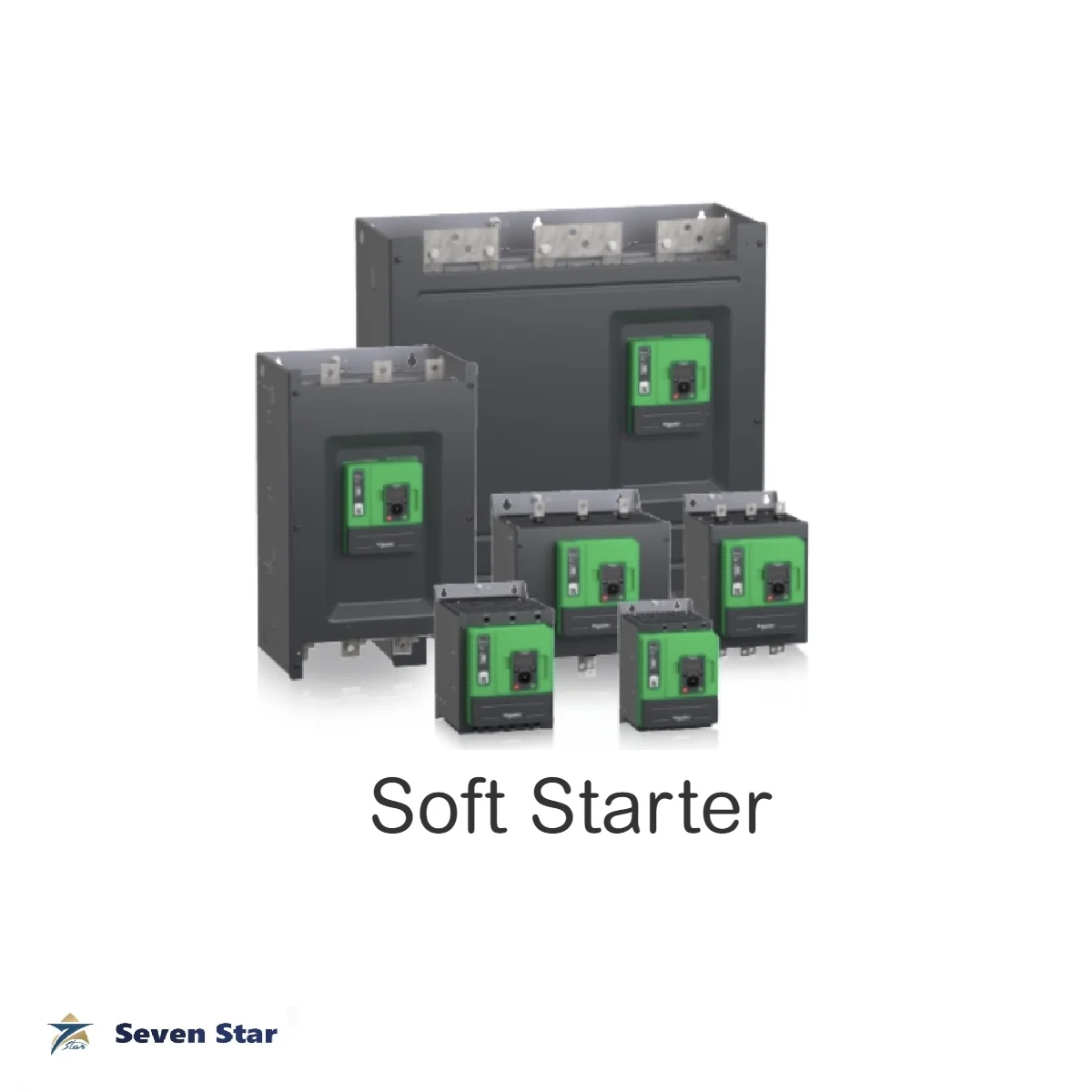
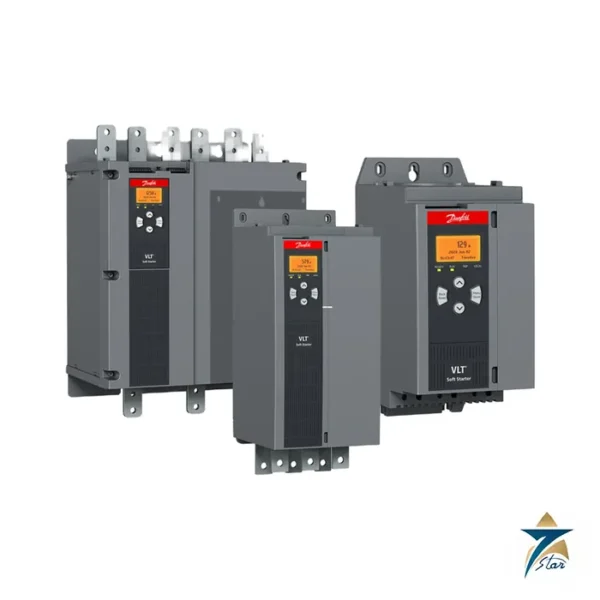
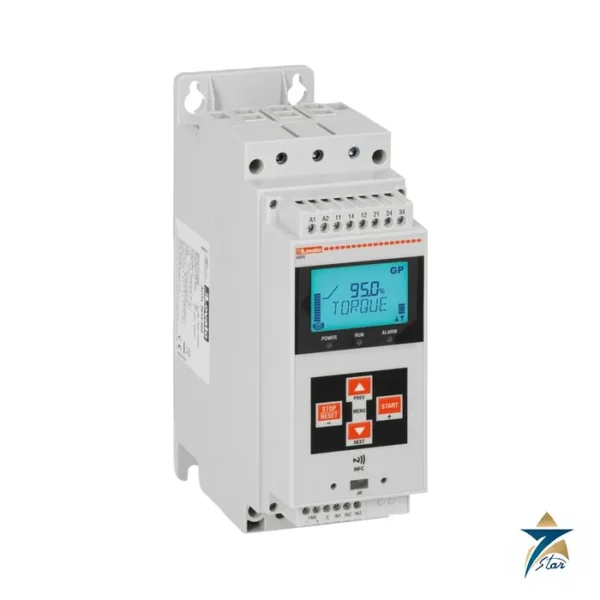
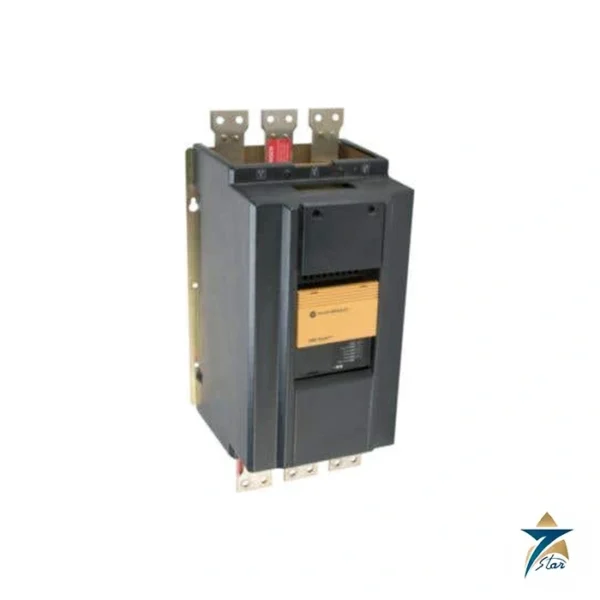
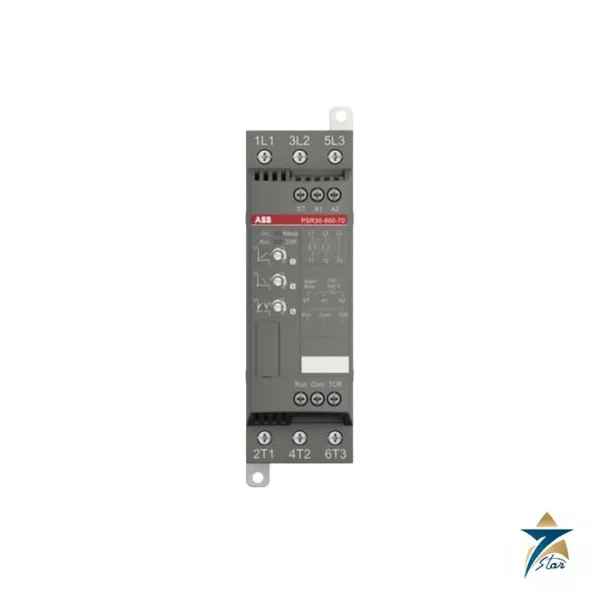
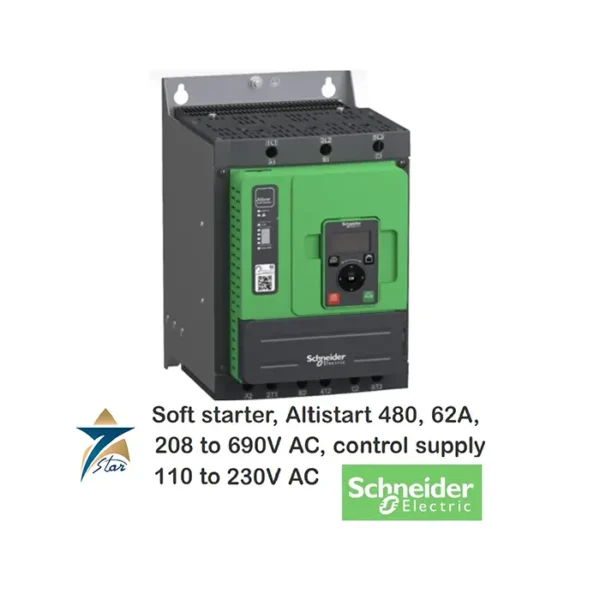
A motor soft starter reduces the voltage applied to a three-phase motor during starting and stopping, which limits inrush current and mechanical shock on the driven machine. Seven Star LLC supplies soft starters in Oman, with Schneider Electric Altistart 22, Altistart 48 and Altistart 480 units, the ABB PSR compact soft starter, soft starters from Danfoss (VLT MCD 600), Carlo Gavazzi and Lovato, and an Allen-Bradley motor controller currently listed, together with the Schneider Electric TeSys Track condition monitoring system. This is a small range, and other frame sizes can be sourced on request.
How a soft starter for a motor is selected
Selection starts with the motor full-load current and the supply voltage, then the duty. Pumps and fans are normal starts. Loaded conveyors, crushers, mills and high-inertia fans are heavy starts and need a larger starter or a higher current class for the same motor. The number of starts per hour matters because the thyristors heat up during each ramp. Other points in the type code are the control supply voltage, internal or external bypass, the number of controlled phases, connection in line or inside the motor delta, and a communication option such as Modbus.
Typical soft starter applications
Soft starters are used on fixed-speed centrifugal pumps, where a controlled stop ramp also reduces water hammer, and on fans, compressors and conveyors in water, power and process plants across the GCC. Where the process needs variable speed, an AC drive is the correct device instead. For a quotation, send motor power, voltage and full-load current, the load type, starts per hour and the control voltage.
What to include in your inquiry
These details let us quote the right item the first time.
- Motor power (kW) and rated current
- Supply voltage and number of phases
- Application (pump, fan, conveyor, compressor)
- Communication option
- Enclosure rating and ambient temperature
Missing some of them? Send what you have. A nameplate photo or an old part number is enough to start.
Brands in Motor Soft Starters
All brands →




Related categories
- Vibration Monitoring160
- PLC & I/O Cards102
- Industrial Communications98
- Automation Accessories65
- Controllers & Data Acquisition60
- AC Drives53
- Isolator & Barrier18
- Industrial Computers15
- Encoders13
- Safety Switches & Guard Locking10
- Automation Software9
- HMI Displays8
- Servo Drives4
- Robotics3
- CCTV & Security2
- Pneumatic Cylinders2