- Vibration Monitoring
- PLC & I/O Cards
- Industrial Communications
- Automation Accessories
- Controllers & Data Acquisition
- AC Drives
- Isolator & Barrier
- Industrial Computers
- Encoders
- Safety Switches & Guard Locking
- Automation Software
- HMI Displays
- Motor Soft Starters
- Robotics
- Servo Drives
- CCTV & Security
- Pneumatic Cylinders
- Machine Vision

Category guide
About Robotics
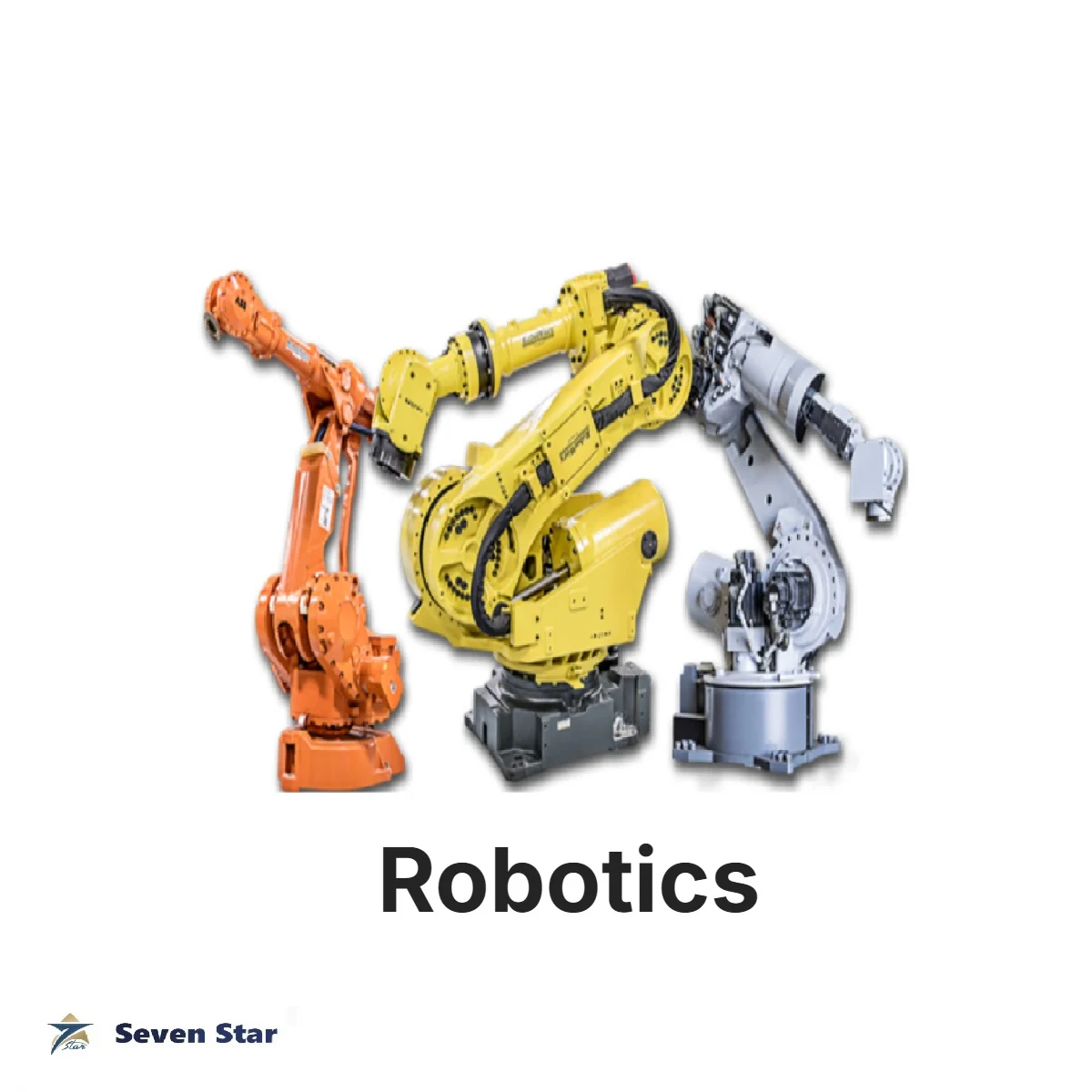
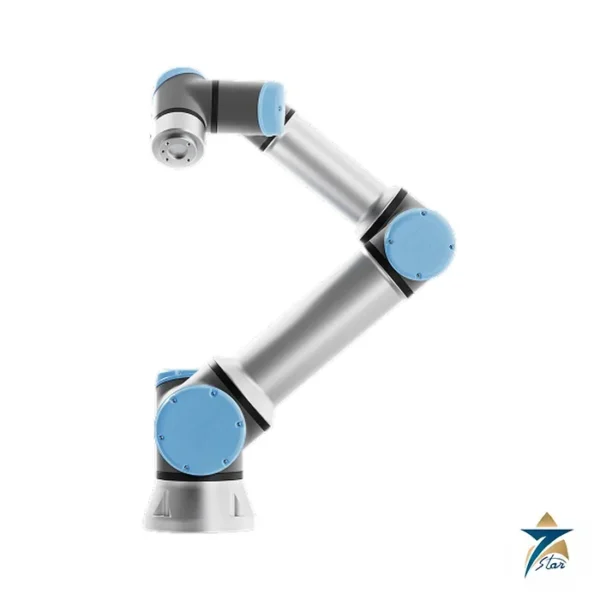
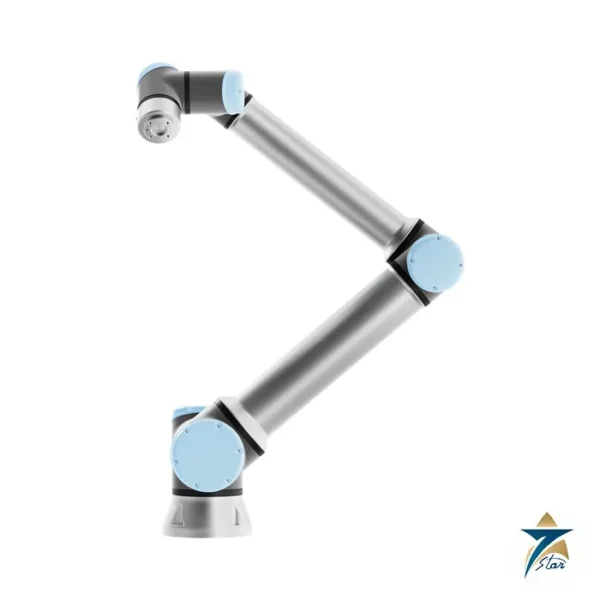
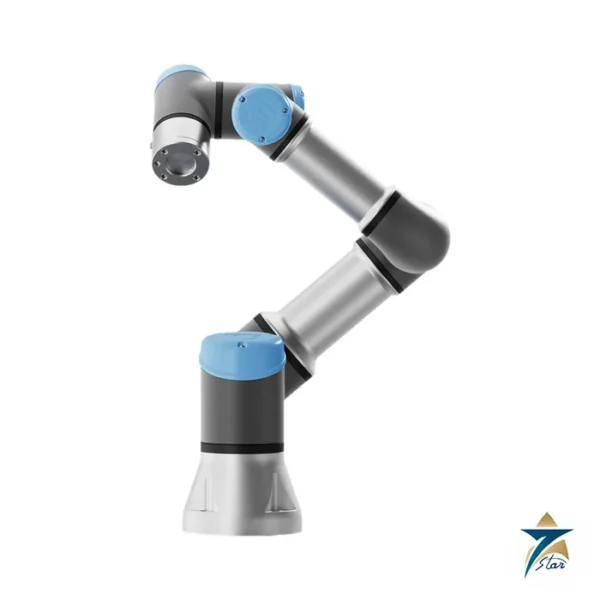
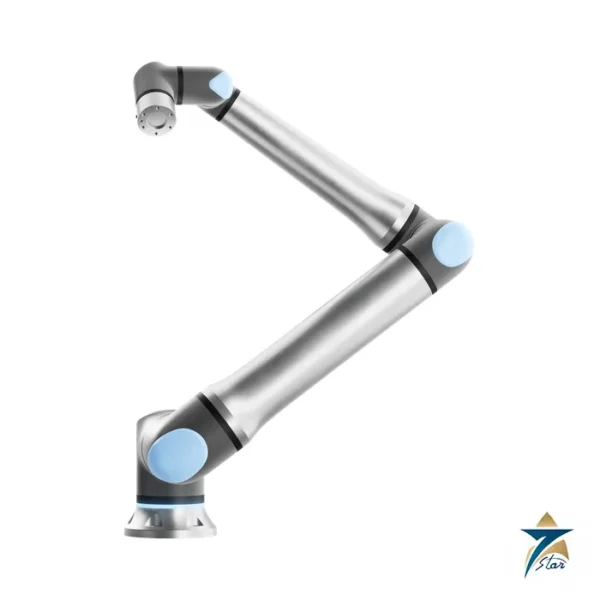
The robotics category at Seven Star LLC covers industrial robots and their spare parts. It currently lists Universal Robots collaborative robot arms from 3 to 30 kg payload and an overview of ABB 6-axis articulated robots and their uses in handling, welding, palletizing and machine tending. Seven Star is an independent supplier in Muscat, Oman, and sources robot arms, controllers and replacement parts on request. The range is growing as inquiries come in.
What a 6-axis articulated robot does
An articulated robot has six rotary joints, three that position the wrist in space and three that orient the tool. This lets it reach a point from almost any angle, which is why the same arm design is used for arc welding, spot welding, material handling, palletizing, machine tending, sealing and painting. The arm is one part of a robot system. The controller cabinet holds the drives and motion computer, the teach pendant is the programming and operating unit, and the end-of-arm tooling, a gripper, torch or spray gun, is engineered for the task.
Selecting an industrial robot or robot spare part
Four figures define the arm: payload including the tool, reach, repeatability and the number of axes. After that come the mounting position (floor, wall or inverted), the protection class of the arm for dusty, wet or foundry conditions, the controller version and the fieldbus toward the cell PLC. For spare parts such as motors, gearboxes, cables, drive units and pendants, the robot type, the controller generation and the serial number identify the correct item. Buyers across the GCC can send that data with their inquiry.
What to include in your inquiry
These details let us quote the right item the first time.
- Full part number or order code
- Hardware and firmware revision, when replacing a part
- Control system or PLC family it must work with
- New installation or replacement of an obsolete part
- Quantity and required delivery date
Missing some of them? Send what you have. A nameplate photo or an old part number is enough to start.
Brands in Robotics
All brands →

Related categories
- Vibration Monitoring161
- PLC & I/O Cards105
- Industrial Communications99
- Automation Accessories74
- Controllers & Data Acquisition63
- AC Drives57
- Isolator & Barrier19
- Industrial Computers15
- Safety Switches & Guard Locking14
- Encoders14
- Automation Software9
- Motor Soft Starters8
- HMI Displays8
- Servo Drives5
- CCTV & Security4
- Pneumatic Cylinders2