Seven Star L.L.C

PLC & I/O Cards

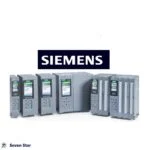
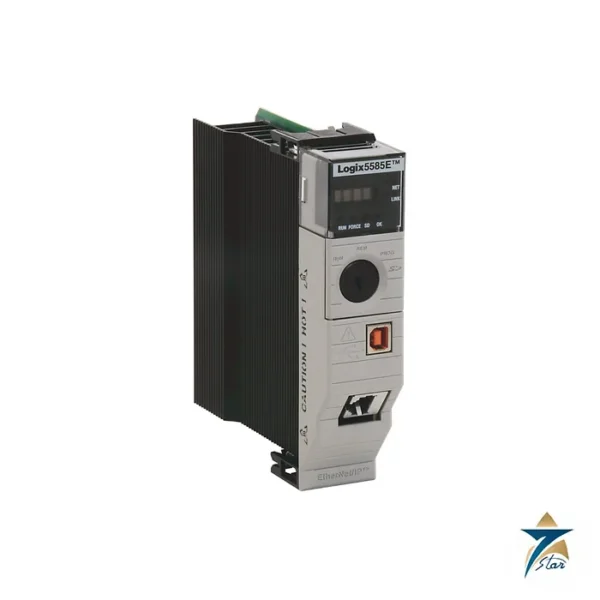
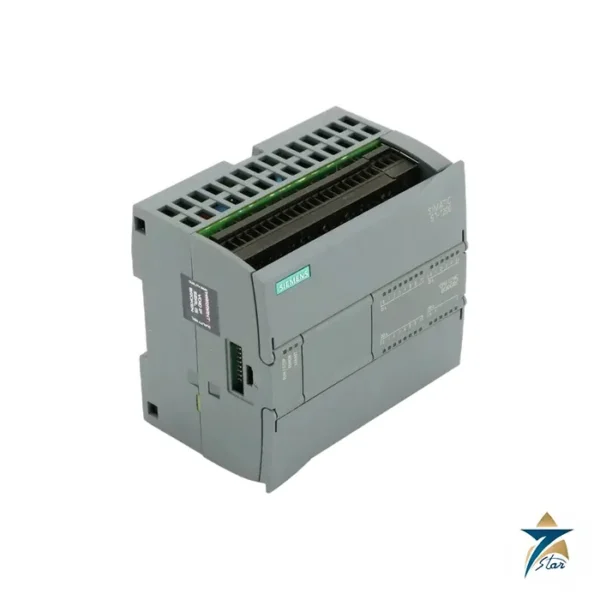
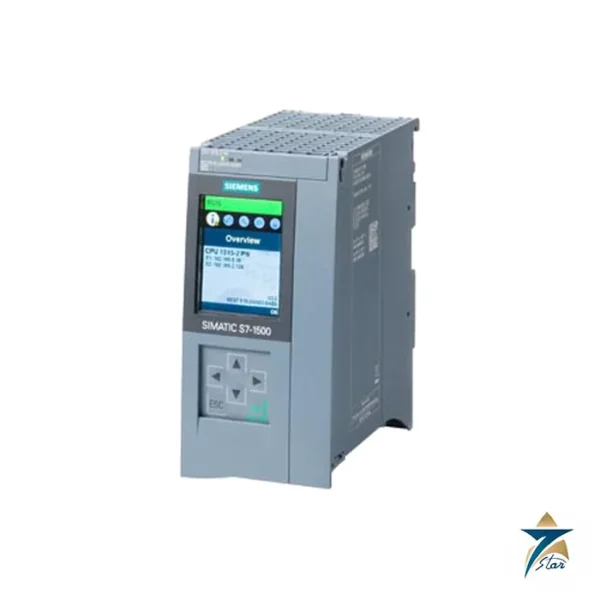
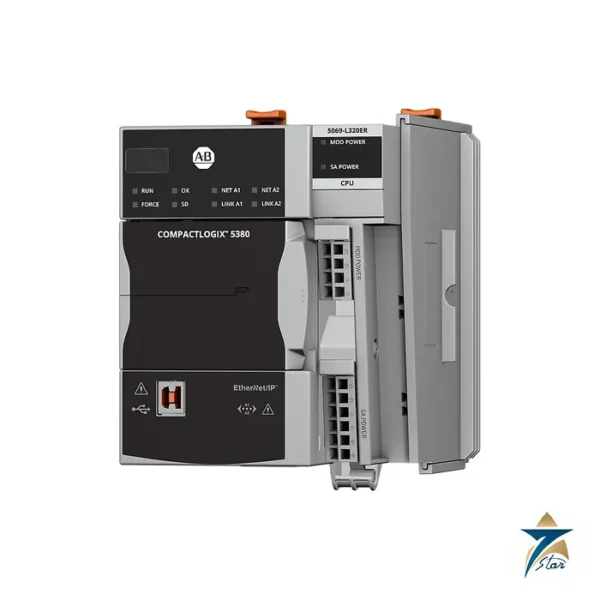
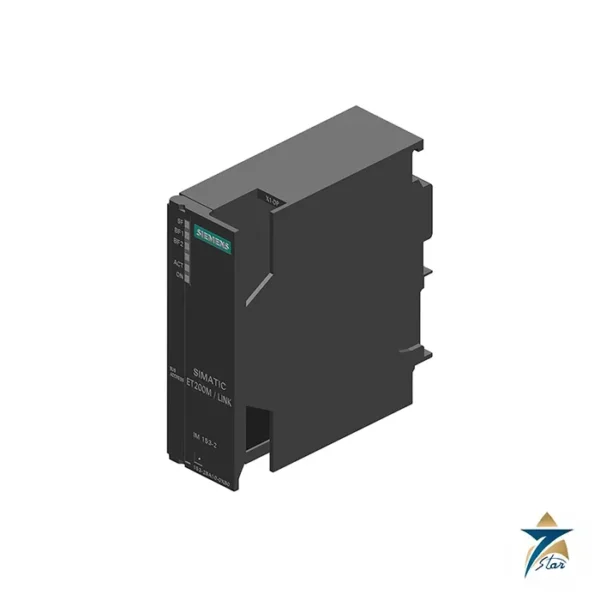
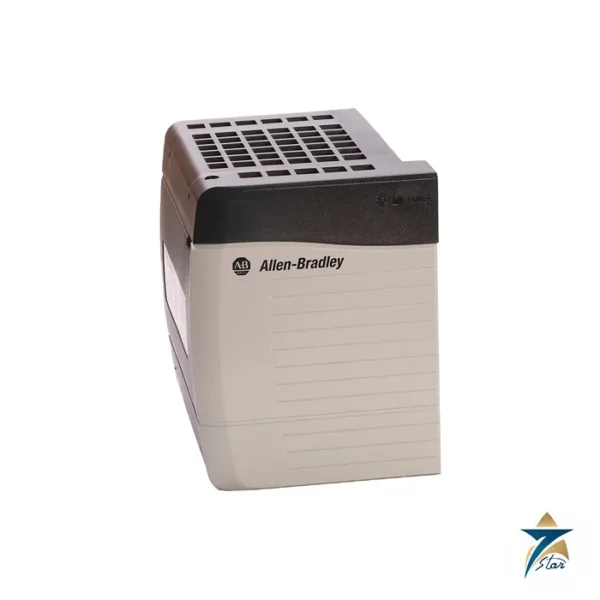
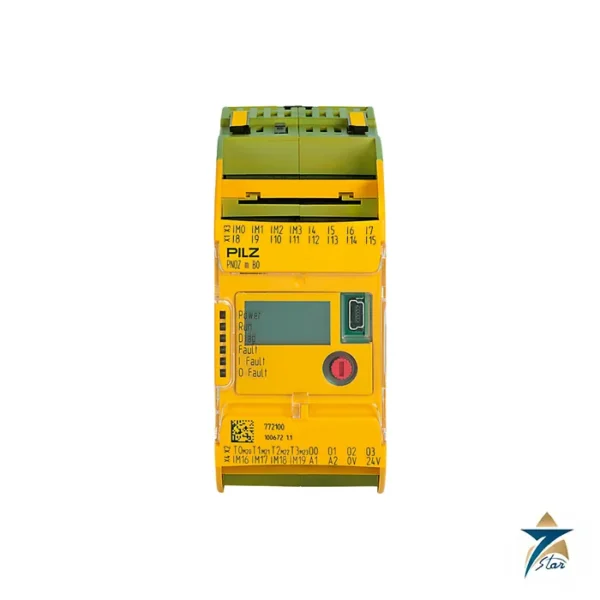
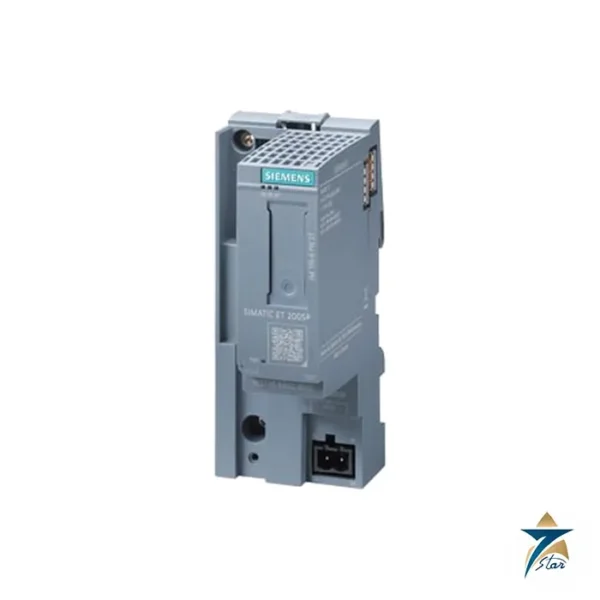
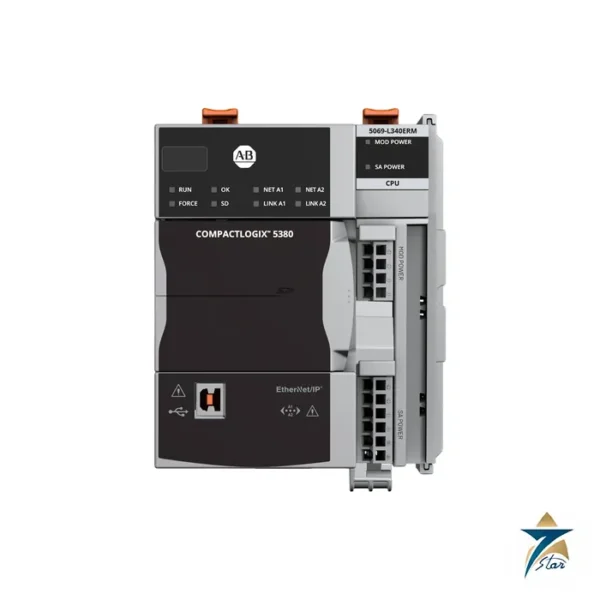
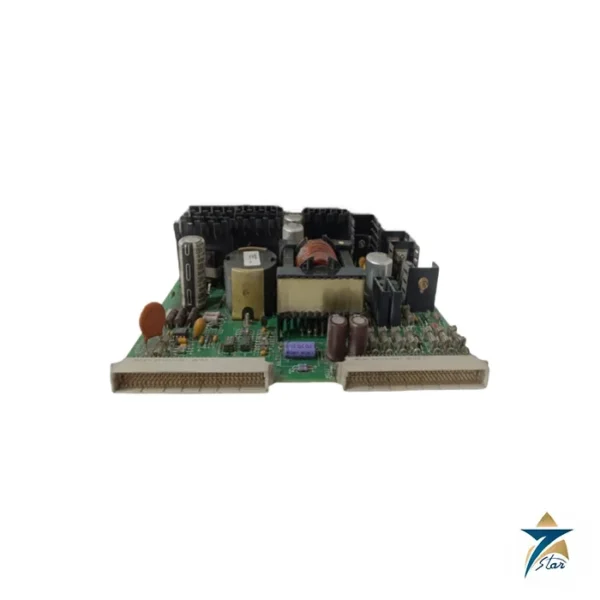
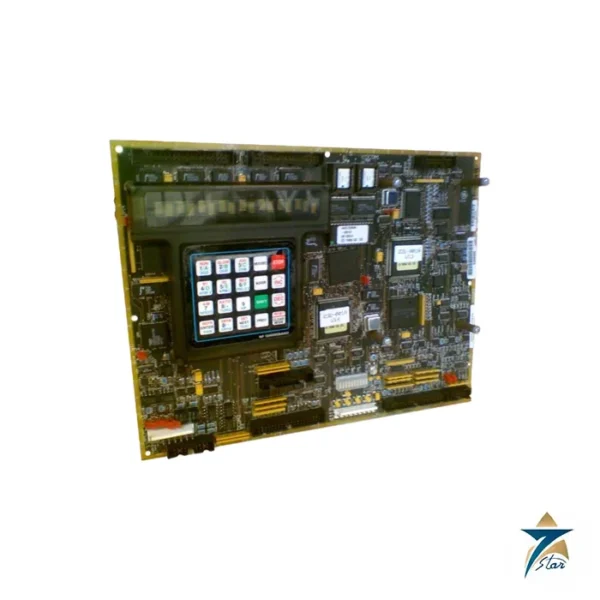
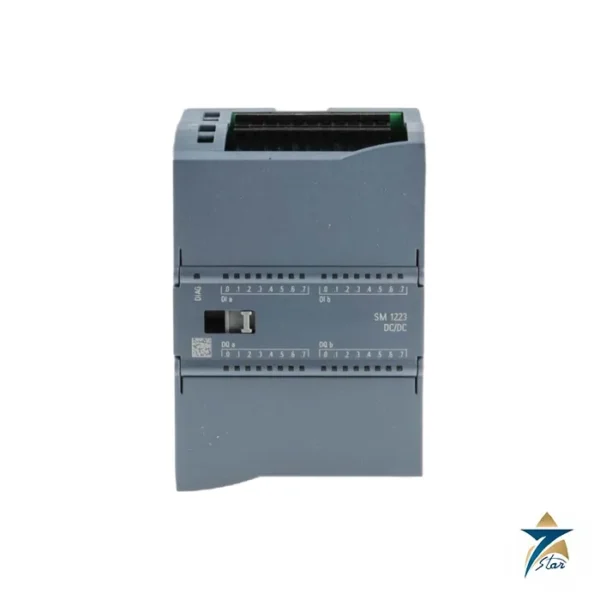
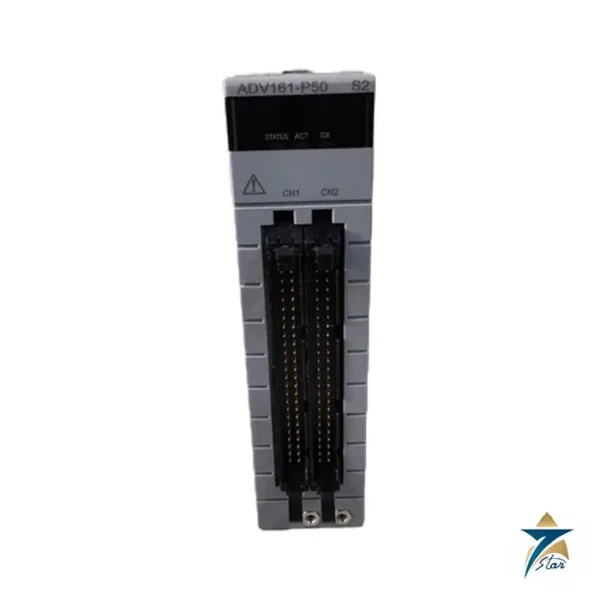
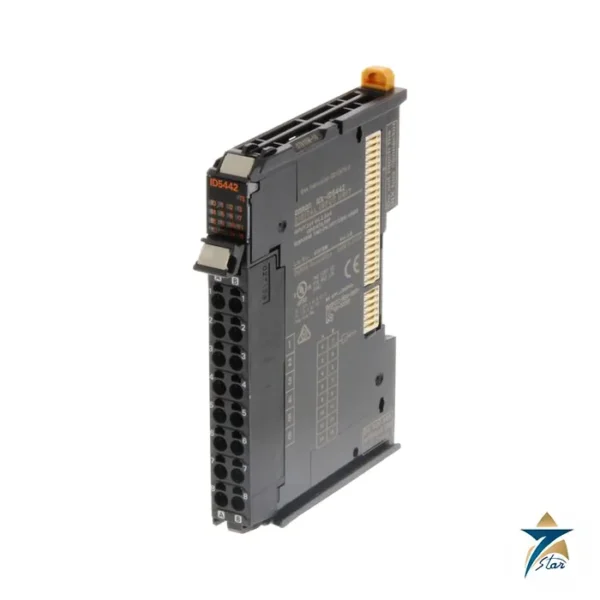
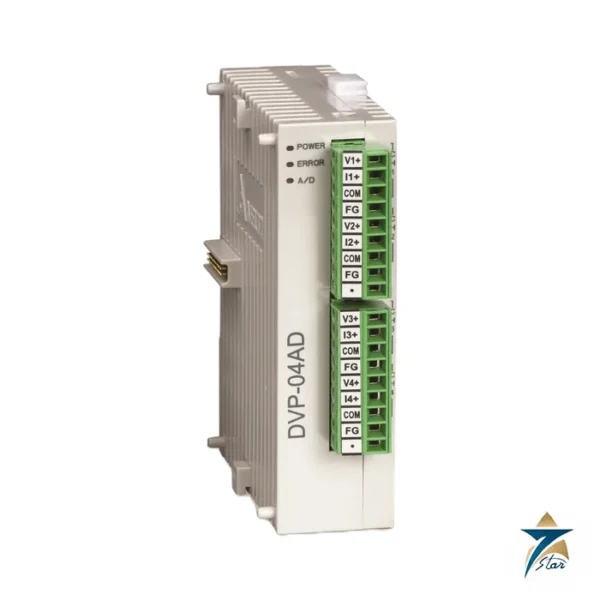
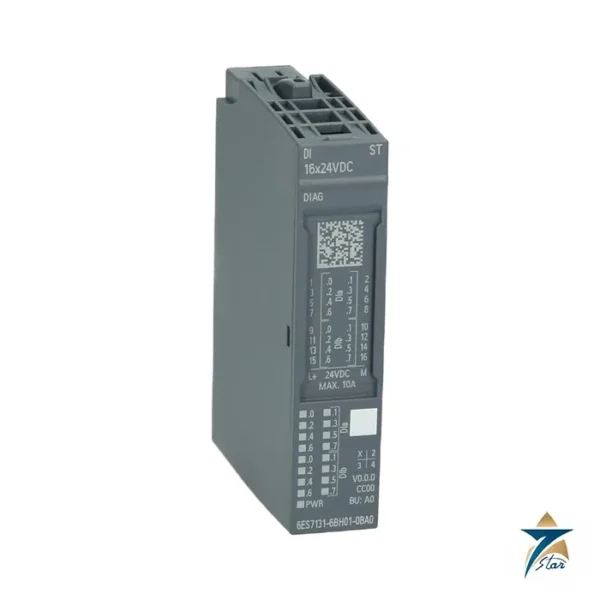
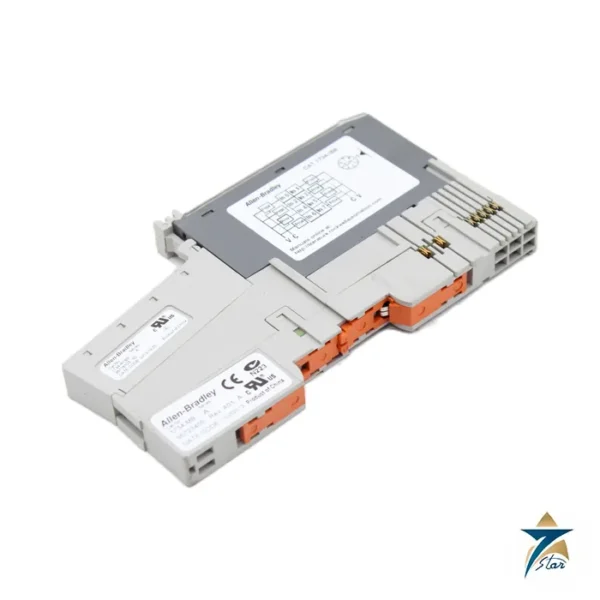
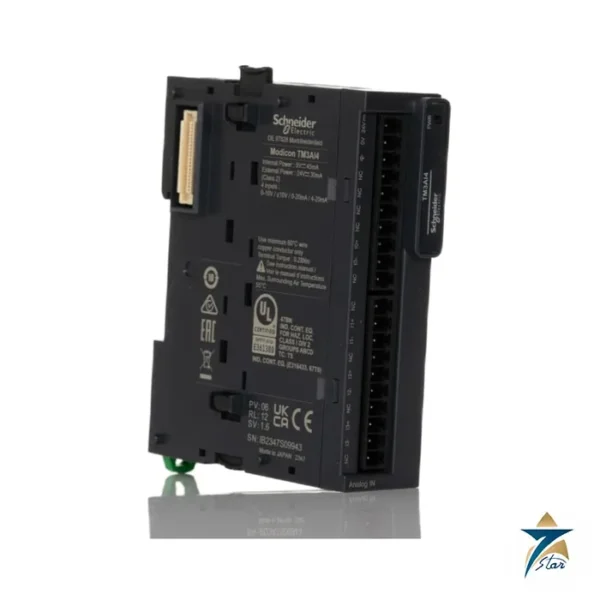
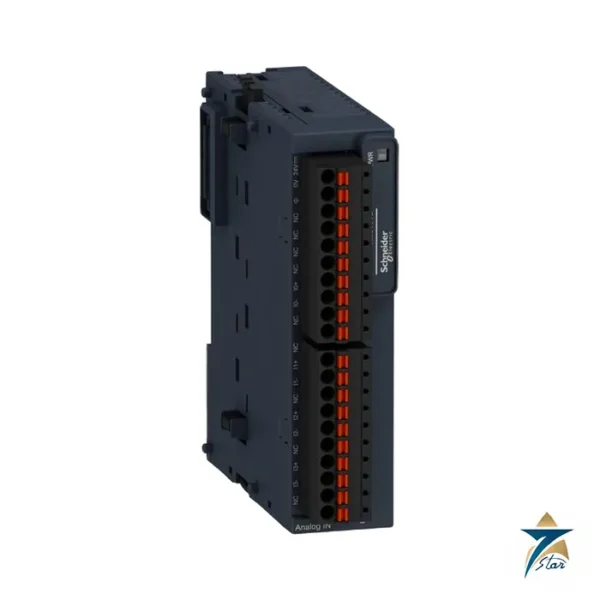
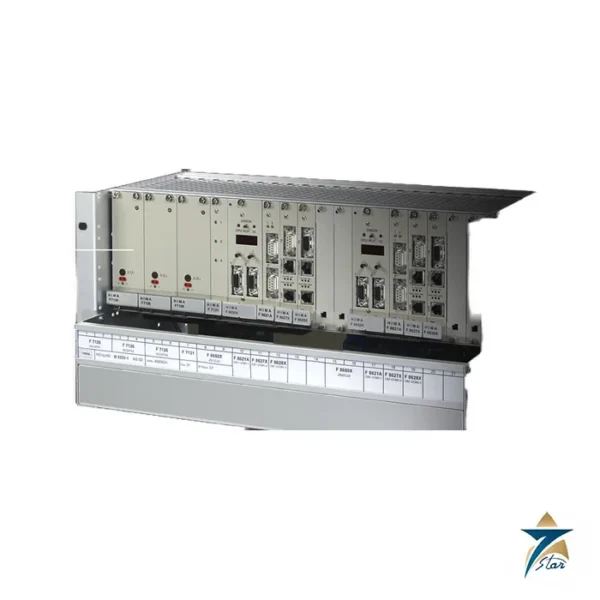
Programmable logic controllers and their I/O modules form the core decision-making layer of nearly every automated process, and Seven Star LLC supplies this hardware to plants and system integrators across Oman and the GCC. Our PLC & I/O Cards range includes HIMA safety-rated PLCs for SIL-2 and SIL-3 applications, Siemens SIMATIC ET 200SP digital and analog I/O modules, Allen-Bradley POINT I/O modules, Yokogawa CENTUM VP/CS input cards, and additional controller and I/O hardware from ABB, Schneider Electric, ICS Triplex, and WAGO. These modules interface field instruments, actuators, and motor drives with a plant’s control system, converting real-world 4-20mA, digital, and thermocouple signals into data a PLC or DCS can act on. Modular I/O architectures like those from Siemens and Allen-Bradley allow a control cabinet to be sized and expanded exactly to the point count required, while HIMA and ICS Triplex hardware serves safety-instrumented systems where a false signal cannot be tolerated. Seven Star LLC helps automation engineers across Oman identify the correct module, signal type, and safety rating for their application, and sources genuine hardware compatible with existing control system architectures. Popular brands: Siemens, HIMA, Allen-Bradley, Yokogawa, Schneider Electric, ABB, ICS Triplex.
Read more about PLC & I/O Cards

Category guide

About PLC & I/O Cards

Programmable logic controllers and their I/O modules form the core decision-making layer of nearly every automated process, and Seven Star LLC supplies this hardware to plants and system integrators across Oman and the GCC. Our PLC & I/O Cards range includes HIMA safety-rated PLCs for SIL-2 and SIL-3 applications, Siemens SIMATIC ET 200SP digital and analog I/O modules, Allen-Bradley POINT I/O modules, Yokogawa CENTUM VP/CS input cards, and additional controller and I/O hardware from ABB, Schneider Electric, ICS Triplex, and WAGO.

These modules interface field instruments, actuators, and motor drives with a plant’s control system, converting real-world 4-20mA, digital, and thermocouple signals into data a PLC or DCS can act on. Modular I/O architectures like those from Siemens and Allen-Bradley allow a control cabinet to be sized and expanded exactly to the point count required, while HIMA and ICS Triplex hardware serves safety-instrumented systems where a false signal cannot be tolerated.

Seven Star LLC helps automation engineers across Oman identify the correct module, signal type, and safety rating for their application, and sources genuine hardware compatible with existing control system architectures.

What to include in your inquiry

These details let us quote the right item the first time.

  • Full part number or order code
  • Hardware and firmware revision, when replacing a part
  • Control system or PLC family it must work with
  • New installation or replacement of an obsolete part
  • Quantity and required delivery date

Missing some of them? Send what you have. A nameplate photo or an old part number is enough to start.
Request a Quote for PLC & I/O Cards

Looking for a specific model, part number or brand in PLC & I/O Cards? Send us your requirements and quantities. Seven Star LLC sources genuine industrial equipment for customers across Oman and the GCC and replies with a formal quotation.

Free, no-obligation quotation · takes about 1 minute

Other enquiries: [email protected] · WhatsApp

Frequently Asked Questions

What architectural considerations dictate the choice between centralized and distributed I/O card topologies in complex PLC networks?
Centralized I/O topologies offer simplified hardware management and lower initial costs for localized processes, whereas distributed I/O architectures are critical for sprawling facilities to drastically reduce extensive field wiring. Distributed I/O over deterministic industrial Ethernet protocols, such as PROFINET or EtherNet/IP, minimizes signal degradation and enhances overall system scalability and fault tolerance.
How do safety-rated PLCs and I/O cards differ from standard industrial control hardware?
Safety-rated PLCs are engineered with redundant microprocessors and specialized internal diagnostics designed to execute safety instrumented functions (SIF) with a defined Safety Integrity Level (SIL). The associated safety I/O cards incorporate cross-circuit monitoring and fail-safe output configurations to ensure the system consistently defaults to a safe state upon detecting an internal fault or wire break.
What are the best practices for shielding and grounding analog I/O cards to prevent electromagnetic interference (EMI)?
Analog signal integrity is maintained by utilizing high-quality twisted-pair shielded cables and terminating the shield at a single, dedicated equipotential grounding point near the PLC rack. Engineers must also ensure absolute physical segregation between low-voltage analog signal conduits and high-power motor feeder cables to mitigate the risks of inductive and capacitive noise coupling.
How does the scan time of a PLC impact the responsiveness of high-speed manufacturing processes?
The PLC scan time—the duration required to read inputs, execute the logic program, and update outputs—must be significantly shorter than the mechanical or process response time to prevent missed signals or erratic control. For ultra-high-speed applications, engineers specify high-performance PLCs, optimize the code execution via interrupt routines, and utilize specialized high-speed counter I/O modules.
What strategies are employed to ensure bumpless transfer and high availability in redundant PLC systems?
High availability relies on hot-standby architectures where a primary PLC continuously synchronizes its process variables, timers, and logic states with a secondary controller over a dedicated high-bandwidth fiber optic link. In the event of a primary hardware failure, the system automatically transitions control to the secondary PLC within milliseconds, ensuring absolute process continuity without disrupting the active field I/O operations.