WIKA TC83 sapphire-design thermocouple for hydrogenous atmospheres
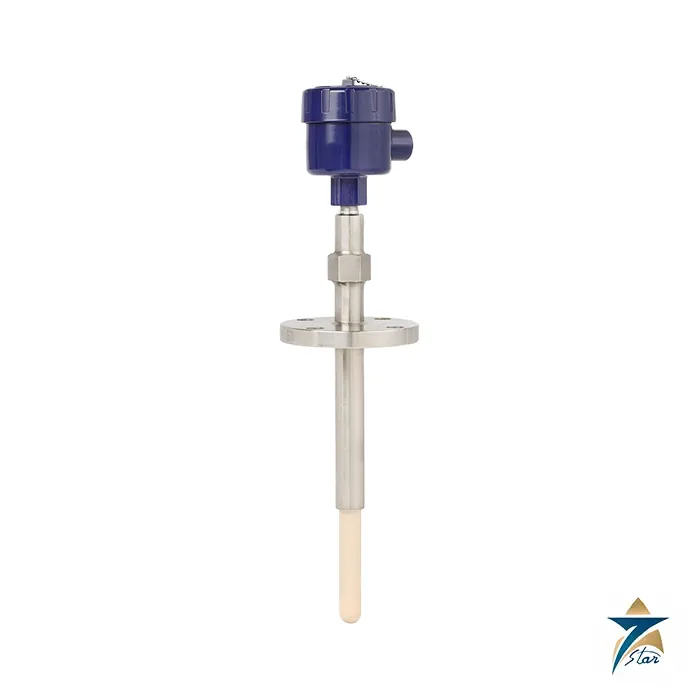
The WIKA TC83 is a high-temperature thermocouple in which a gas-tight sapphire tube surrounds the noble-metal sensor. It was developed for atmospheres that contain hydrogen and sulphur compounds, where ceramic tubes slowly let gas through and the thermocouple is poisoned. Because the sapphire has a monocrystalline structure, it protects the noble metal from toxic media without a purge system, which is the main reason to choose the TC83 over the purged TC82. WIKA states high process safety for processes up to 1,700 °C. Seven Star LLC supplies the TC83 in Oman and the GCC as an independent supplier in Muscat.
Where the sapphire design makes sense
The datasheet lists sulphur recovery units, waste-to-energy plants, processes with high hydrogen sulphide content and hydrogen-based direct reduced iron plants. In each, a tube that stays gas-tight, along with hermetically sealed junctions to stop toxic gas escaping the reactor, reduces both unplanned shutdowns and the plant cost of running purge gas. WIKA notes that the sapphire design can significantly improve life expectancy of the thermocouple.
TC83 technical specifications
| Parameter |
Specification |
| Manufacturer / part number |
WIKA / TC83 (data sheet TE 65.83) |
| Type |
High-temperature thermocouple, sapphire design, non-purge system |
| Sensor types |
K, J, E, R, S, B per IEC 60584-1 or ASTM E230 |
| Inner protection tube |
Sapphire, 8 mm [0.315 in] diameter |
| Outer protection tube |
24 … 26 mm; ceramic C530 and C799 up to 1,600 °C, silicon carbide (Hexoloy) up to 1,650 °C |
| Operating temperature in air |
Up to 1,700 °C for the ceramic protection tube |
| Insertion length U |
300 … 1,000 mm [11.8 … 39.4 in]; further lengths on request |
| Tip design |
Welded thermocouple (hot junction) with insulation rod, sapphire inner tube and outer tube |
| Ambient and storage temperature |
-40 … +80 °C; -60 °C special version |
| Certificates |
2.2 test report and 3.1 inspection certificate per EN 10204 |
| Functional safety |
SIL 2 with TUV-certified T38 in selected combinations; two thermocouples recommended for SIL 3 |
Accuracy classes and sensor choice
For base-metal sensors the datasheet repeats the IEC 60584-1 limits: type K class 2 from -40 to +1,200 °C and class 1 to +1,000 °C, type J to +750 °C, type E to +900 °C (class 2) or +800 °C (class 1). For precious-metal sensors type R and S class 2 run 0 … 1,600 °C, and type B class 3 or class 1 runs 600 … 1,700 °C. In sulphur and hydrogen atmospheres noble metal sensors are the usual choice, which is where the sapphire protection of the platinum alloy pays back. ASTM E230 limits are also listed for customers who specify it.
Assembly and variants
| Variant |
Arrangement |
| Basic module |
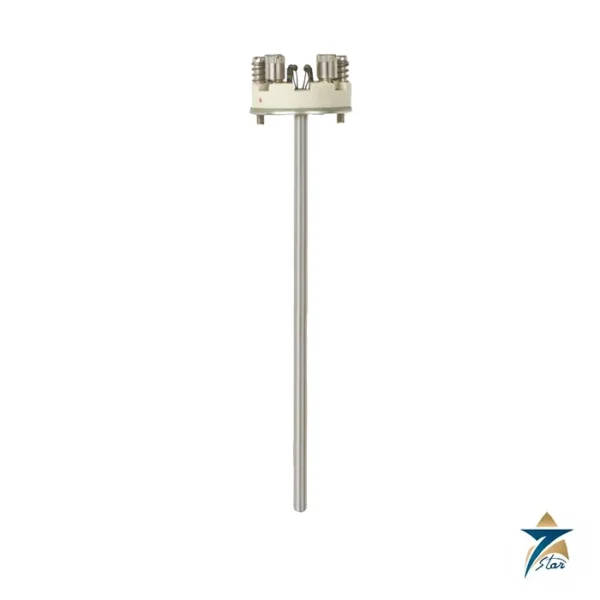
Thermocouple with protection tubes, no head transmitter |
| Variant 1 |
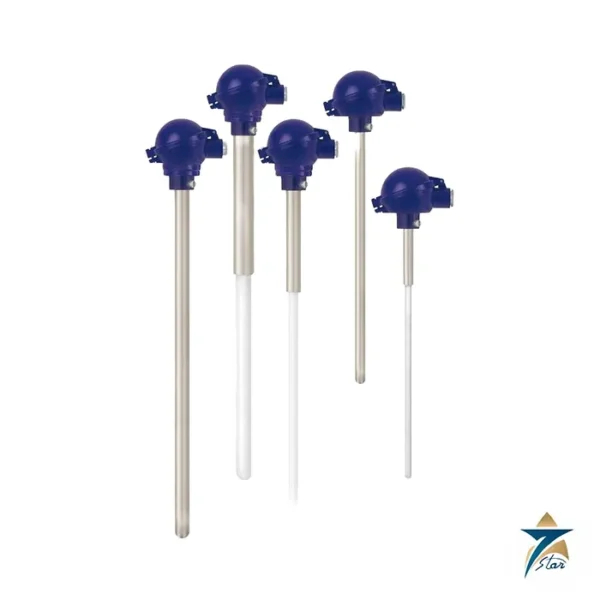
Connection head with terminal block |
| Variant 2 |
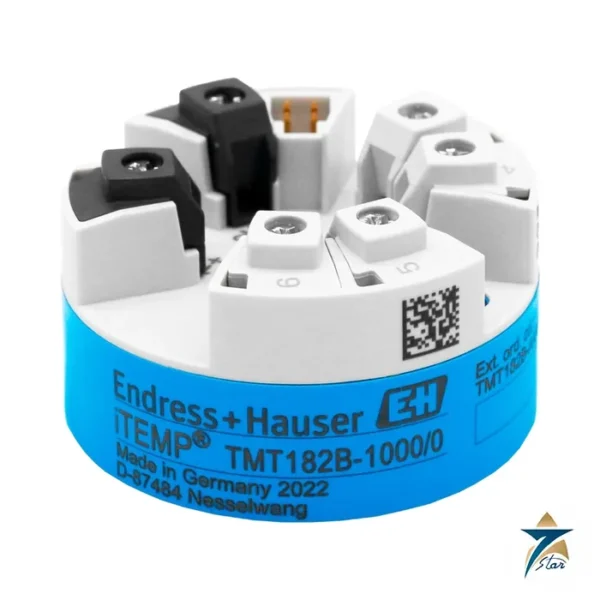
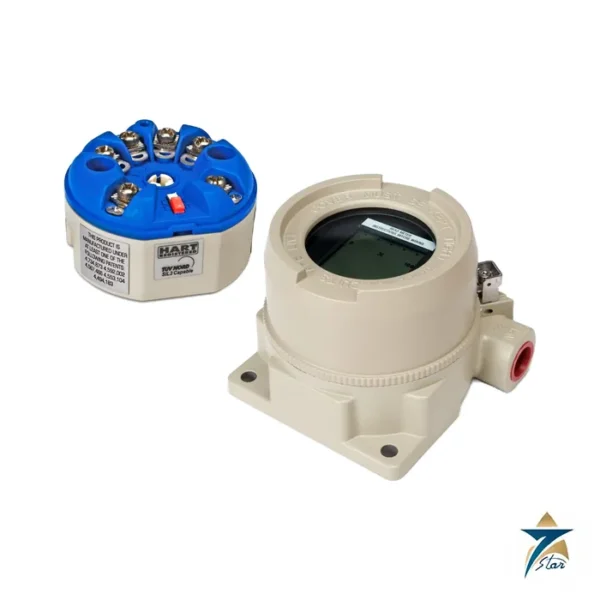
Connection head with built-in temperature transmitter |
| Variant 3 |
Field transmitter fitted to the assembly |
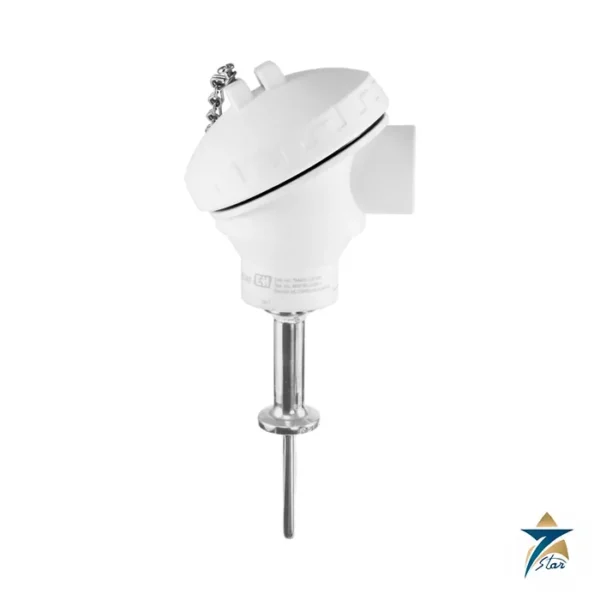
All variants have a metal support tube, a neck tube and a process connection. The datasheet explains nominal length A, insertion length U and the support tube length X below the process connection, so a specification can be written from a drawing. A ceramic thermowell head design is shown for the basic module.
TC83 compared with TC82 and TC84
| Model |
Principle |
Use |
| TC82 |
Ceramic or SiC tube, purge connection |
Low-pressure reactors with purge available |
| TC83 |
Sapphire inner tube, non-purge |
Hydrogenous or sulphur-rich atmospheres without purge |
| TC84 |
Sapphire with ceramic outer tube and safety chamber |
High-pressure gasification and GtL reactors |
Handling and installation
- Sapphire and ceramic are brittle: keep transport protection on until installation
- Heat up and cool down slowly; avoid thermal shock from cold air or water
- Mount in the direction and with the flange arrangement shown on the drawing, and support long tubes
- Use matched compensating cable (R, S, B types have their own) or a head transmitter
- Check head seals and terminals at every shutdown and calibrate on the schedule your site uses
Applications in Oman and the GCC
For regional gas treatment plants and refineries with sulphur recovery trains, the TC83 matches the thermal reactor and waste-heat boiler zones, where purge gas systems are a maintenance burden. It is also suited to waste-to-energy projects and emerging hydrogen-based steel projects, where process gas may contain hydrogen at high temperature.
TC83 ordering checklist
- Thermocouple type and class (usually R, S or B for the highest range)
- Outer tube material and diameter, and insertion length U
- Flange, support tube length X and neck length
- Head, transmitter option and cable entry
- Hazardous-area marking and certificate level (2.2 or 3.1)
Practical points when specifying the TC83
A sapphire-tube thermocouple is a long-life, higher-value spare, so treat the specification as a reliability decision rather than a price comparison. Start with the process atmosphere: the datasheet connects the TC83 to hydrogen-rich gas and to gas with a high hydrogen sulphide content, which is exactly where a porous ceramic would allow the gas to reach the noble-metal wires. Then check temperature peaks, not only normal operation, since upset conditions in a thermal reactor are the usual cause of tube failure. Confirm the outer tube material against the gas chemistry, and decide on a certificate level (the datasheet lists a 2.2 test report and a 3.1 inspection certificate per EN 10204) before the order is placed, because certificates cannot be added afterwards.
For the TC83 the wiring side deserves the same care as the sensor. Noble-metal thermocouples produce a small signal, so an installation with a head transmitter, or with matched compensating cable and short runs, keeps errors down. Mark the polarity as the datasheet instructs: the colour code at the positive pole of the instrument decides the correlation of polarity and terminal.
Information to send with an RFQ
Provide the process gas composition, temperature, pressure, flange details, insertion length and approvals so we can confirm the tube and sensor combination with you.
Documents and quotation
The WIKA data sheet TE 65.83 for the TC83 is attached on this page. Send us the specification and quantity for a quotation from Muscat as an independent supplier.
Other Models in the Wika Tc8x Range
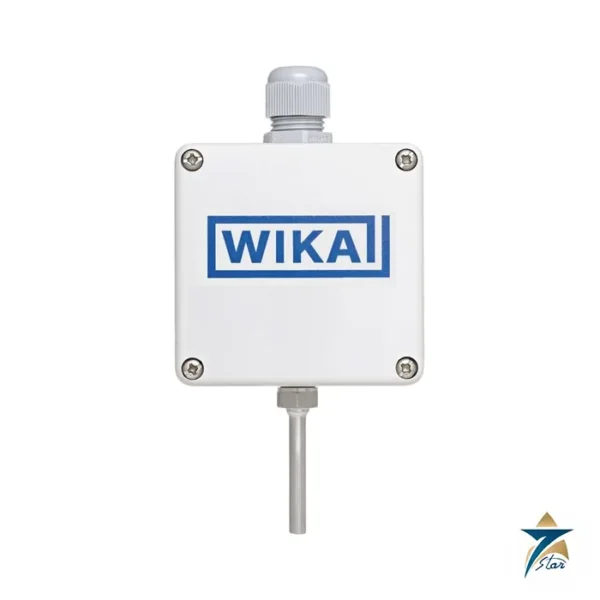
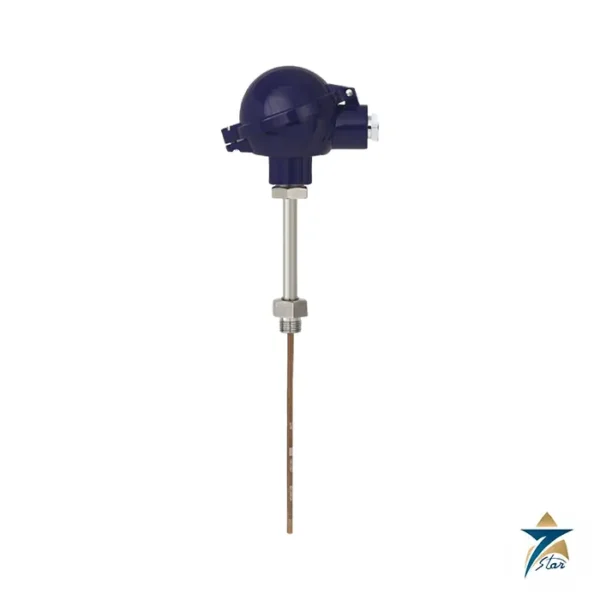
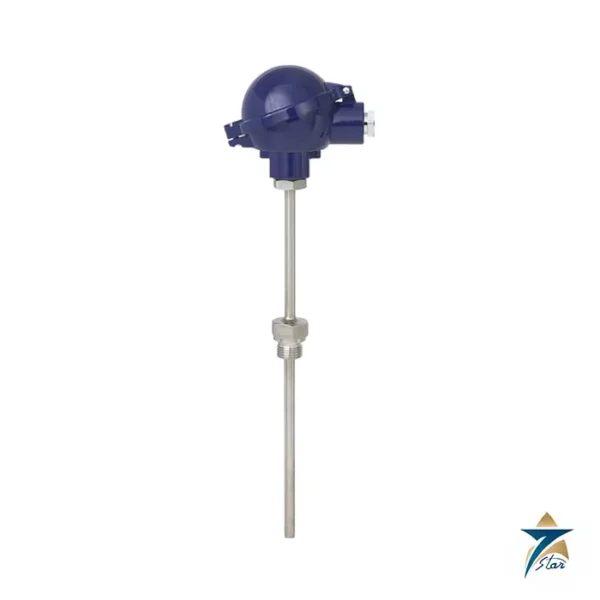
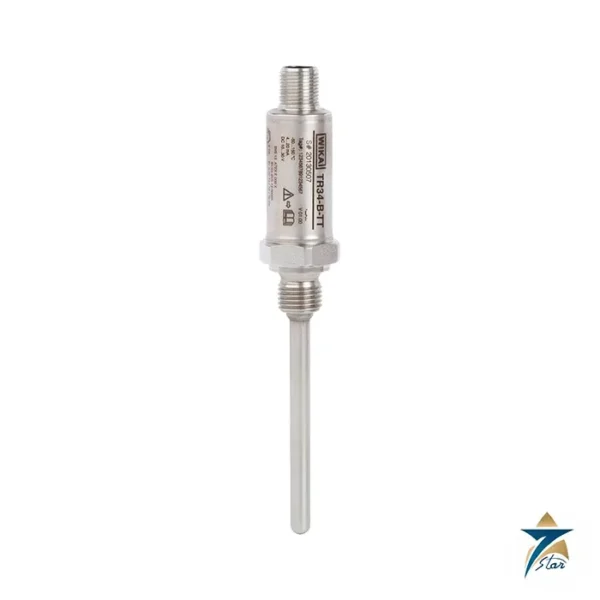
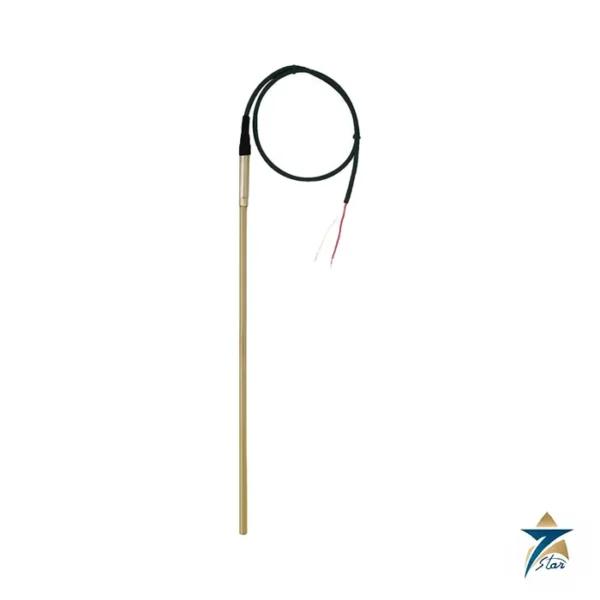
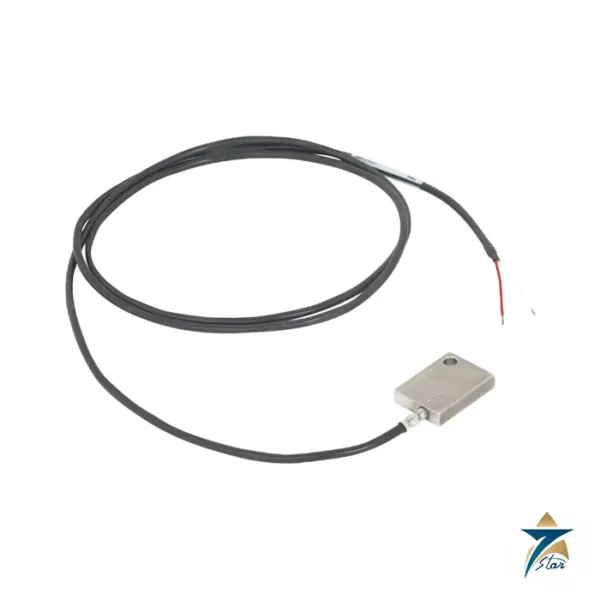
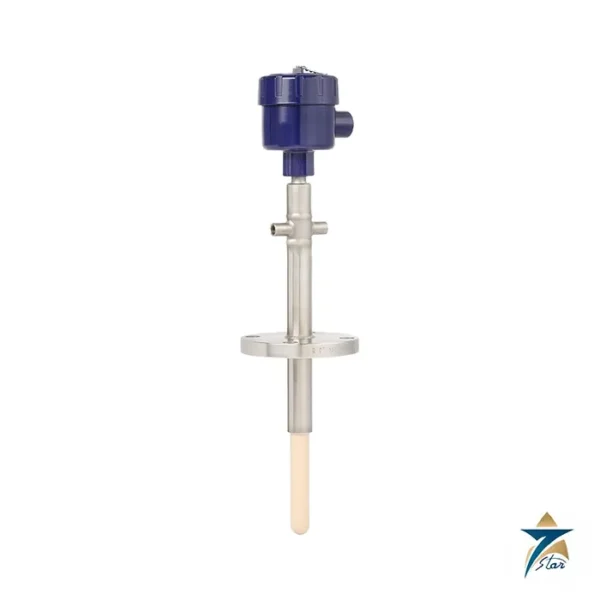
Seven Star LLC supplies models from the Wika Tc8x range in Oman and the GCC. Compare the related models below and request a quote for the one that matches your application.




















Reviews
There are no reviews yet.