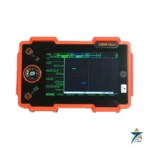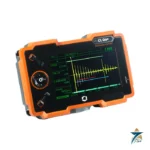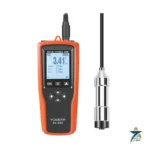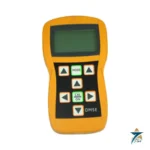
Non-destructive testing equipment

Non-Destructive Testing (NDT)

Non-destructive testing (NDT) equipment in this category is ultrasonic and coating inspection gear: thickness gauges, flaw detectors, bolt tension monitors, and the transducers and reference blocks they work with. Most of the range is Dakota NDT, and Seven Star LLC is the agency for Dakota NDT in Oman and the GCC. Alongside it we list Waygate Technologies Krautkramer instruments and coating thickness gauges from Elcometer and Yowexa. These are the NDT inspection tools used for wall-loss surveys, weld examination and bolted-joint checks on piping, tanks, vessels and structural steel.
Read more about Non-Destructive Testing (NDT)

Thickness Gauges

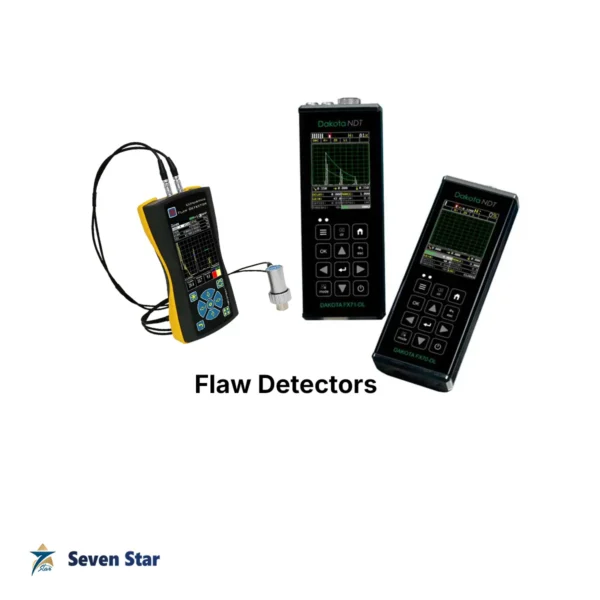
Flaw Detectors

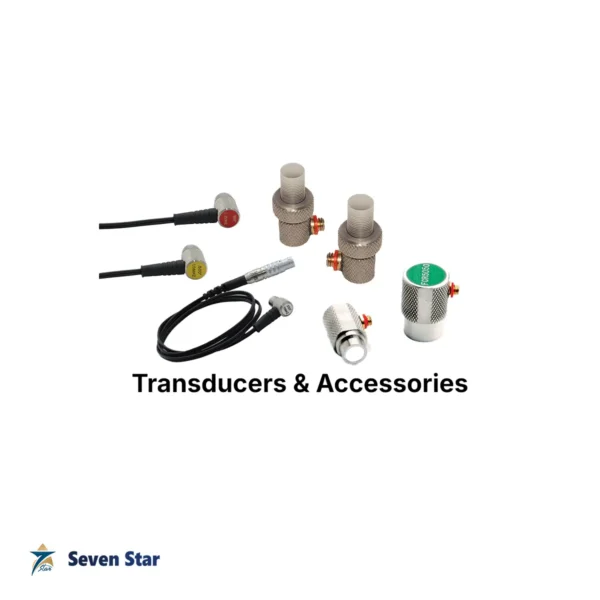
Transducers & Accessories

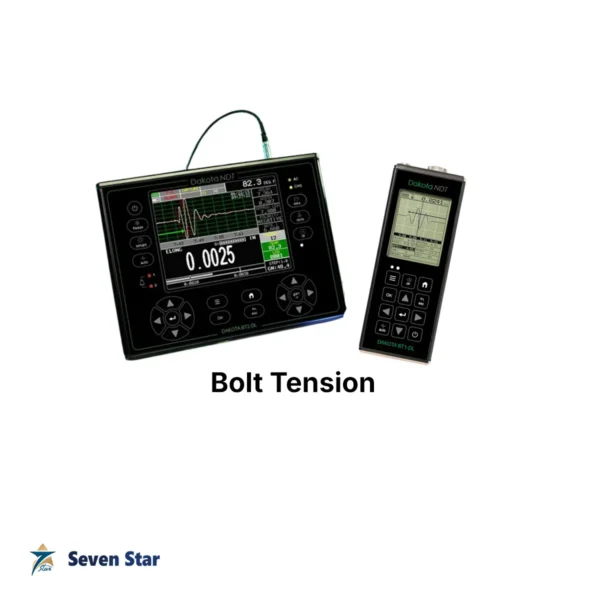
Bolt Tension

Category guide

About Non-Destructive Testing (NDT)

36 products 4 brands 4 sub-categories

Non-destructive testing (NDT) equipment in this category is ultrasonic and coating inspection gear: thickness gauges, flaw detectors, bolt tension monitors, and the transducers and reference blocks they work with. Most of the range is Dakota NDT, and Seven Star LLC is the agency for Dakota NDT in Oman and the GCC. Alongside it we list Waygate Technologies Krautkramer instruments and coating thickness gauges from Elcometer and Yowexa.

These are the NDT inspection tools used for wall-loss surveys, weld examination and bolted-joint checks on piping, tanks, vessels and structural steel.

NDT equipment groups in this category

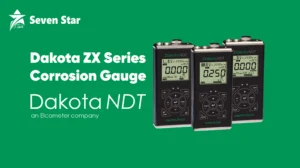
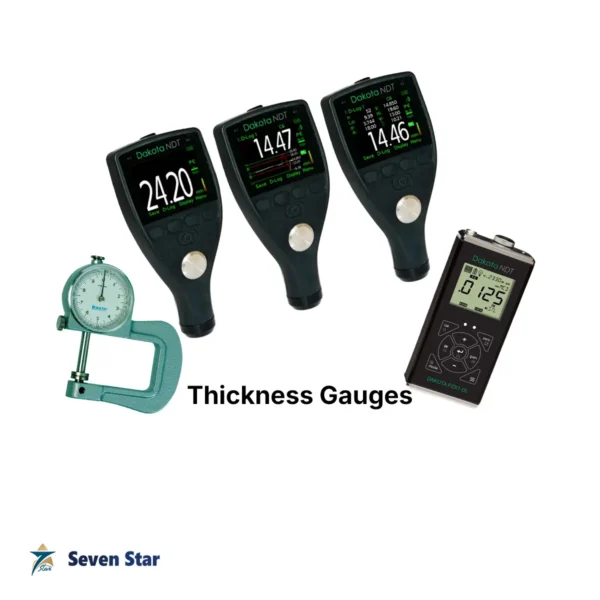
  • Thickness Gauges: corrosion, precision and specialty ultrasonic gauges, plus coating thickness gauges, for measuring remaining wall or coating from one side.
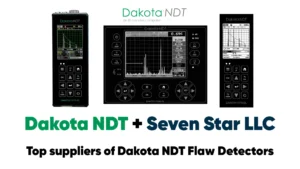
  • Flaw Detectors: handheld and bench-top ultrasonic units that show an A-scan for locating and sizing cracks, lack of fusion and inclusions.
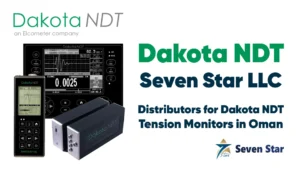
  • Bolt Tension: instruments that measure fastener elongation ultrasonically, in handheld, bench-top and multi-channel form.
  • Transducers & Accessories: single and dual element probes, delay line tips and calibration blocks.

Choosing NDT testing equipment for the job

Start from the question the inspection has to answer. If it is how much wall is left on a corroded pipe, a corrosion thickness gauge with a dual element probe is the usual tool. If it is the presence of a planar defect in a weld, you need a flaw detector with angle beam probes and a written procedure. Thin, smooth parts with tight tolerances call for a precision gauge and a delay line transducer. Material, thickness range, surface temperature, coating and access decide the probe, and the probe often matters more than the instrument.

Standards and documents that usually apply

Ultrasonic thickness measurement is commonly carried out to ISO 16809 or ASTM E797, weld examination to ISO 17640 or ASME Section V, and inspector qualification follows ISO 9712 or ASNT SNT-TC-1A. Client specifications in the Gulf oil and gas sector often add their own reporting and data logging requirements. On request we provide the manufacturer’s datasheet and the certificate the manufacturer issues with the instrument.

What to send for a quotation

Tell us the material and thickness range, surface condition and temperature, any coating present, the inspection standard or client specification, and the need for data logging or an A-scan display. If you are replacing an older instrument, send its model and probe part numbers so we can check compatibility against the manufacturer documentation.

What to include in your inquiry

These details let us quote the right item the first time.

  • Material and thickness range
  • Application (corrosion survey, weld inspection, bolt tension)
  • Instrument model, when ordering probes or accessories
  • Transducer frequency and type
  • Standards the inspection must follow

Missing some of them? Send what you have. A nameplate photo or an old part number is enough to start.


Request a Quote for Non-Destructive Testing (NDT)

Looking for a specific model, part number or brand in Non-Destructive Testing (NDT)? Send us your requirements and quantities. Seven Star LLC sources genuine industrial equipment for customers across Oman and the GCC and replies with a formal quotation.

Free, no-obligation quotation · takes about 1 minute

Other enquiries: [email protected] · WhatsApp

Frequently Asked Questions

What is the difference between an ultrasonic thickness gauge and a flaw detector?
A thickness gauge times the echo from the back wall and converts it to a thickness reading, so it answers one question: how much material is left. A flaw detector displays the full A-scan waveform with adjustable gain, gates and range, so a trained operator can find and size reflectors inside the material, such as cracks or lack of fusion in a weld. Some gauges add a waveform view, but they do not replace a flaw detector for weld examination.
Does Seven Star carry out NDT inspection or thickness gauging services?
No. Seven Star supplies NDT instruments, probes and accessories. We are not an inspection contractor and do not issue inspection reports. If you are an inspection company or an asset owner's integrity team, we can help you identify the instrument and probe combination for your procedure and check the configuration against the manufacturer documentation before you order.
Can ultrasonic thickness gauges be used underwater or in hazardous areas?
Only if the instrument is built for it. Standard portable gauges are not designed for diving use, and most carry no hazardous-area certification, so in classified zones they are normally used under a work permit with gas testing. If your job is subsea, diver-held, ROV-mounted, or requires an Ex-rated instrument, state that in the inquiry so we can check which manufacturer models carry the rating you need.
Which probe do I need for my existing gauge?
Probes are matched to the instrument by connector type, element type (single or dual), frequency and diameter, and many gauges only recognize probes from their own manufacturer. Send us the gauge model, the part number printed on the old probe, and the material and thickness you measure. We check the match against the manufacturer's compatibility information before offering a replacement.
What documents come with NDT instruments?
Manufacturers normally ship an operating manual and a certificate confirming the instrument was checked at the factory. On request we provide the manufacturer's datasheet before you order and the certificates the manufacturer issues for the specific unit. If your client specification requires particular wording, traceability statements or verification to a named standard such as ISO 22232, tell us at inquiry stage so we can confirm what the manufacturer can issue.
My NDT instrument model is discontinued. Can you offer a replacement?
Yes. Send the old model number and, if possible, a list of the probes and accessories you still use. We check the manufacturer's documentation for the designated successor and tell you which of your existing transducers, cables and software will carry over and which will not. Where no direct successor exists we propose the closest current model and list the differences.