Orbitalum ORBIWELD 17 Micro Orbital Weld Head Supplied by Seven Star LLC

Orbital Pipe Welding Systems

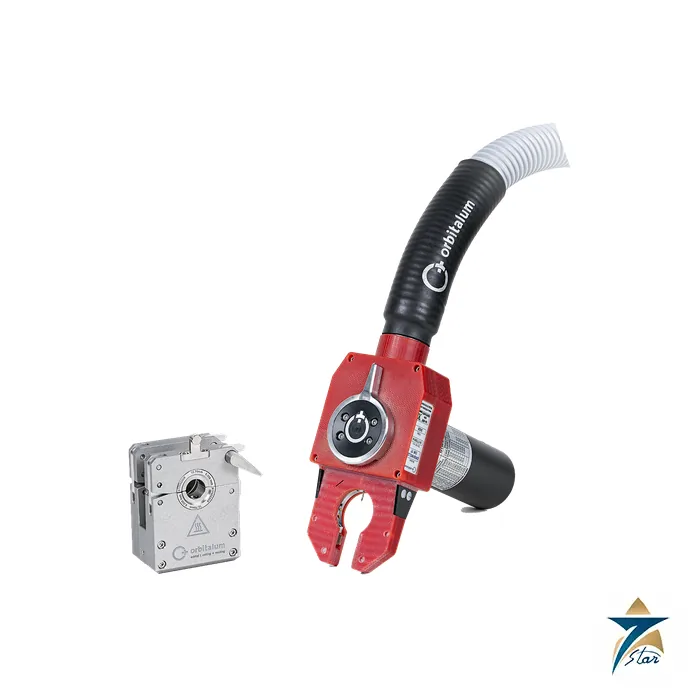
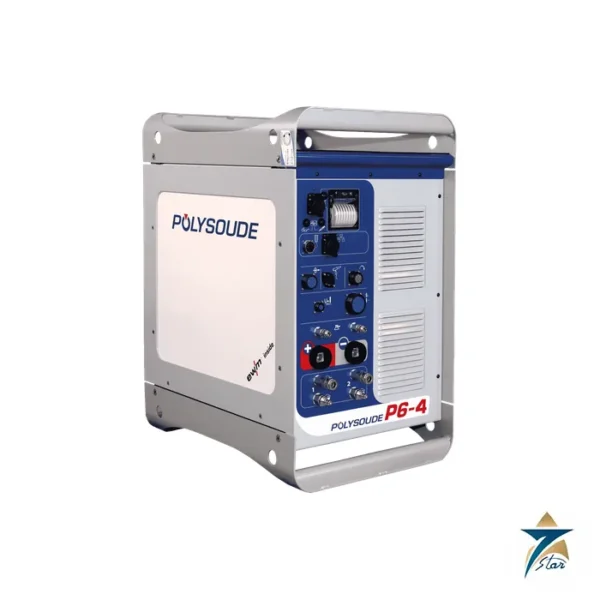
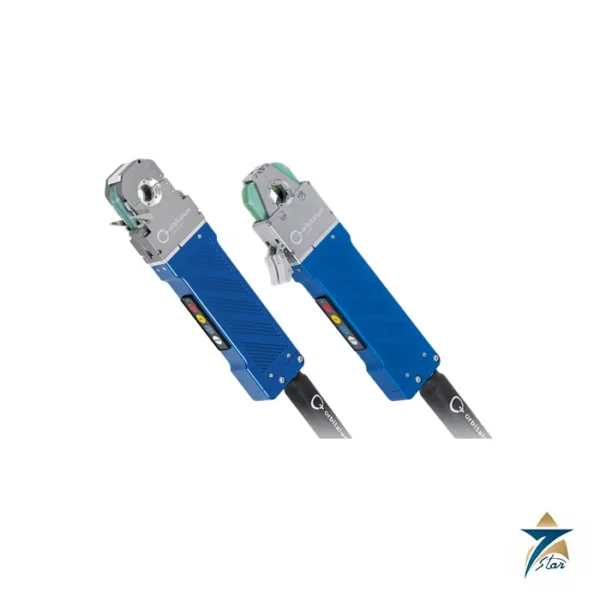
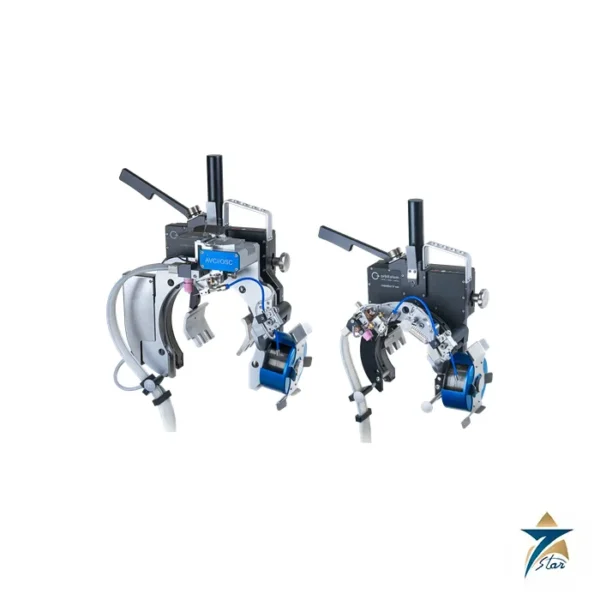
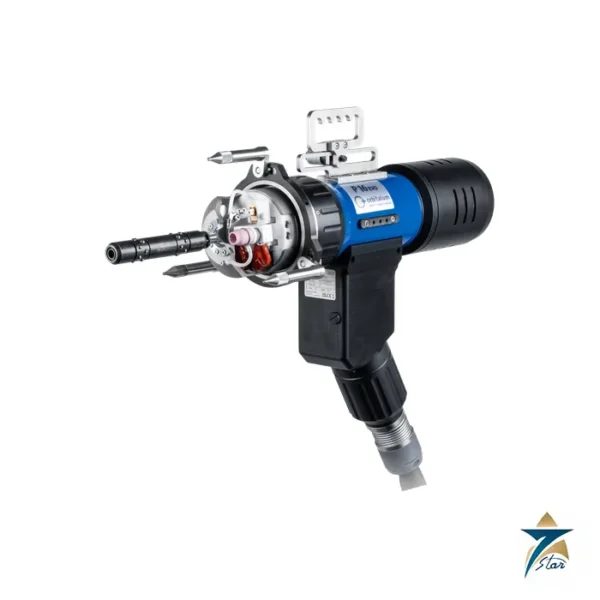
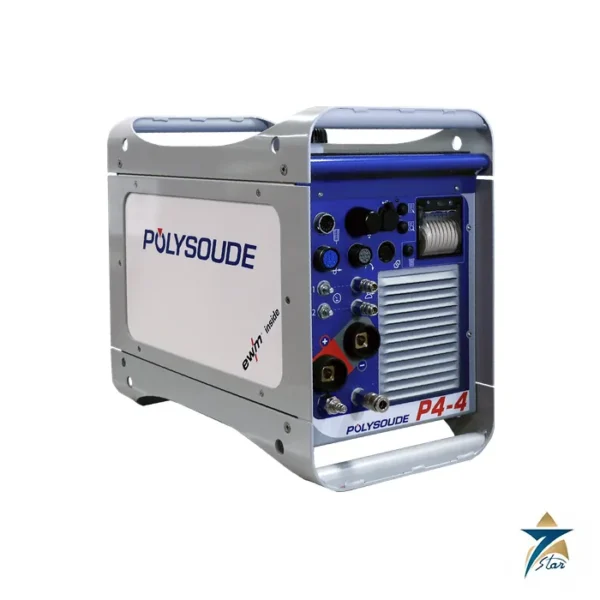
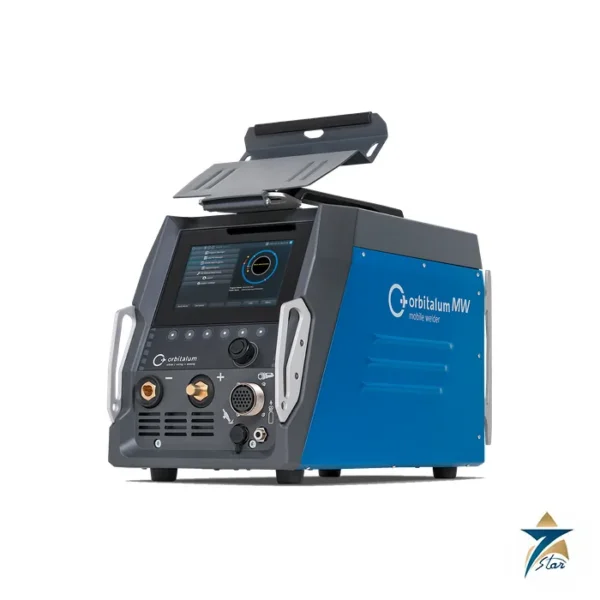
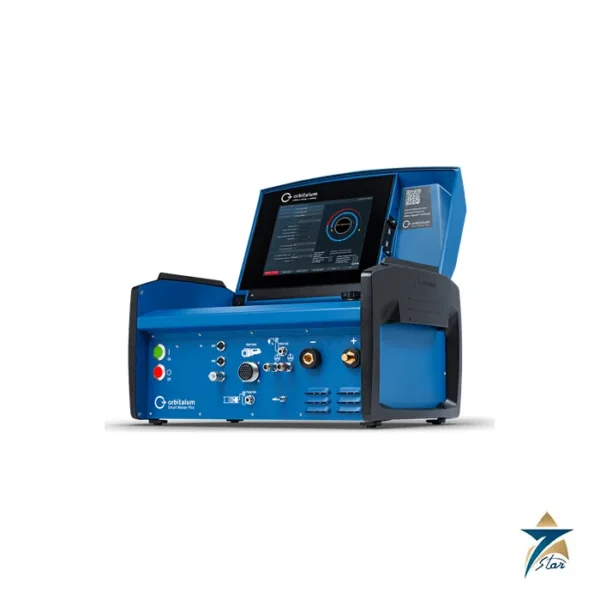
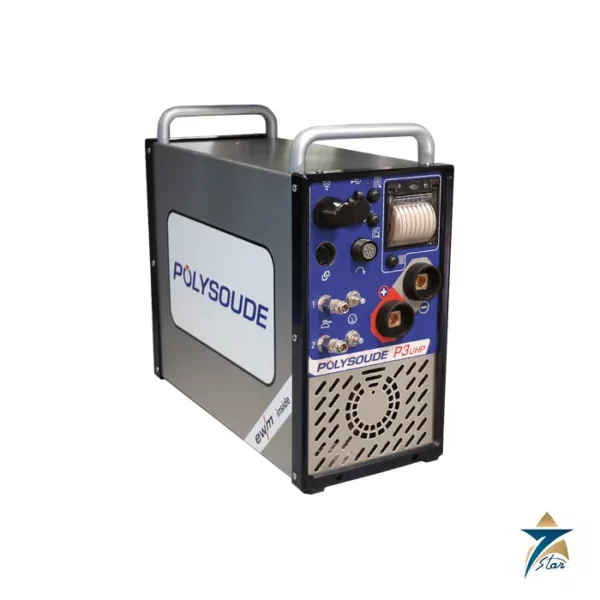
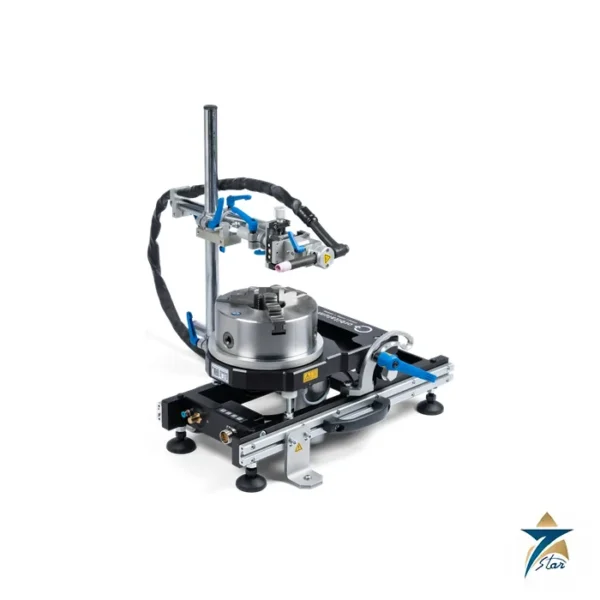
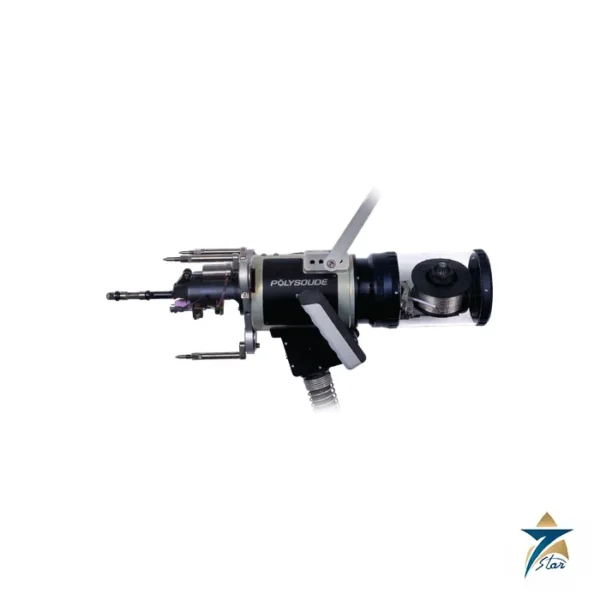
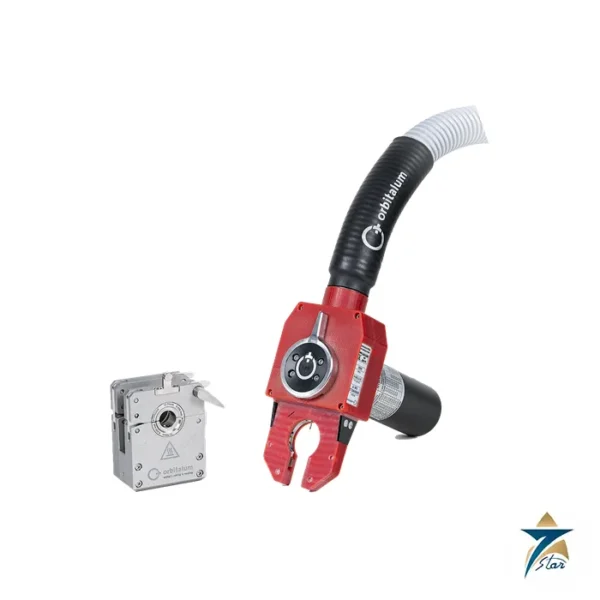
Orbital pipe welding systems mechanize TIG welding by rotating the arc around a fixed tube or pipe under a stored program, so every joint is welded with the same parameters. Seven Star LLC supplies orbital welding equipment in Oman from Orbitalum and Polysoude. The listing includes orbital welding power sources, closed weld heads for small tube, open weld heads, tube-to-tubesheet weld heads and a rotary device for welding parts that can be turned.
Read more about Orbital Pipe Welding Systems

Category guide

About Orbital Pipe Welding Systems

11 products 2 brands

Orbital pipe welding systems mechanize TIG welding by rotating the arc around a fixed tube or pipe under a stored program, so every joint is welded with the same parameters. Seven Star LLC supplies orbital welding equipment in Oman from Orbitalum and Polysoude. The listing includes orbital welding power sources, closed weld heads for small tube, open weld heads, tube-to-tubesheet weld heads and a rotary device for welding parts that can be turned.

Power sources, closed heads, open heads and tube-to-tubesheet heads

The power source holds the weld program. It divides the joint into sectors and adjusts current, pulse, travel speed and, where fitted, wire feed in each sector to cope with the changing effect of gravity. Closed chamber heads surround the joint with shielding gas and make autogenous fusion welds on thin-wall tube, the method used for high-purity gas lines, pharmaceutical tubing and instrument tubing. Open heads carry a visible torch and cold wire feed for thicker pipe and multi-pass welds. Tube-to-tubesheet heads locate in the tube bore to weld heat exchanger and boiler tube ends.

Where orbital welding is used

Typical applications are instrument and sample tubing, semiconductor and pharmaceutical process lines, heat exchanger fabrication, and stainless or duplex small-bore piping in desalination, oil and gas plants across the GCC. Most systems can log or print the weld data for each joint, which supports the traceability these projects ask for. Results depend on end preparation, so the tube must be cut square and faced before welding.

What to send for an orbital welding quotation

Send the outside diameter range, wall thickness, material grade, joint type (tube to tube, tube to fitting, tube to tubesheet), whether filler wire is needed, the clearance around the joint, the supply voltage, and the welding standard or purity specification you work to. Weld head choice depends on these figures, and we check them against the manufacturer documentation.

What to include in your inquiry

These details let us quote the right item the first time.

  • Welding process (MIG/MAG, TIG, MMA, SAW, plasma)
  • Current range and duty cycle
  • Supply voltage and phases
  • Material and thickness to be welded
  • Accessories needed (torch, wire feeder, cooler)

Missing some of them? Send what you have. A nameplate photo or an old part number is enough to start.


Request a Quote for Orbital Pipe Welding Systems

Looking for a specific model, part number or brand in Orbital Pipe Welding Systems? Send us your requirements and quantities. Seven Star LLC sources genuine industrial equipment for customers across Oman and the GCC and replies with a formal quotation.

Free, no-obligation quotation · takes about 1 minute

Other enquiries: [email protected] · WhatsApp

Frequently Asked Questions

What is the difference between a closed and an open orbital weld head?
A closed head clamps around the tube and encloses the joint in a gas-filled chamber. It makes fusion welds without filler on thin-wall tube and gives very clean weld surfaces. An open head rotates a torch around the pipe in the open, usually with wire feed and arc length control, and is used for thicker walls that need a bevel and several passes.
Can any orbital weld head be used with any orbital power source?
Not as a rule. Heads and power sources communicate through maker-specific connectors and control signals for rotation, wire feed and cooling, so a head is normally used with a power source from the same manufacturer. Some makers offer adapters for certain combinations. Send both model numbers and we will check compatibility in the manufacturer documentation before you order.
How should tube ends be prepared for orbital welding?
For fusion welds the ends must be cut square, faced flat and free of burrs, with no gap when butted together, and the wall thickness has to be consistent around the joint. That is done with an orbital tube saw and a squaring machine, not with an abrasive disc. Surfaces must be clean and dry, and the bore purged.
Why do welds on the same tube size vary between material batches?
Small differences in trace elements, especially sulfur in stainless steel, change how the weld pool flows and how deeply it penetrates. A program that works on one heat can give a narrow or off-center bead on another. Good practice is to make a test weld when the heat number changes, and to avoid joining tubes with very different sulfur content.
What information is needed to quote an orbital welding system?
Tube or pipe outside diameters, wall thicknesses and material, the joint types, and whether welds are autogenous or need wire. Add radial and axial clearance around the joint, the quantity of welds, supply voltage, and data logging requirements. For tube-to-tubesheet work, send the tube pattern, pitch, projection and joint design from the exchanger drawing.