
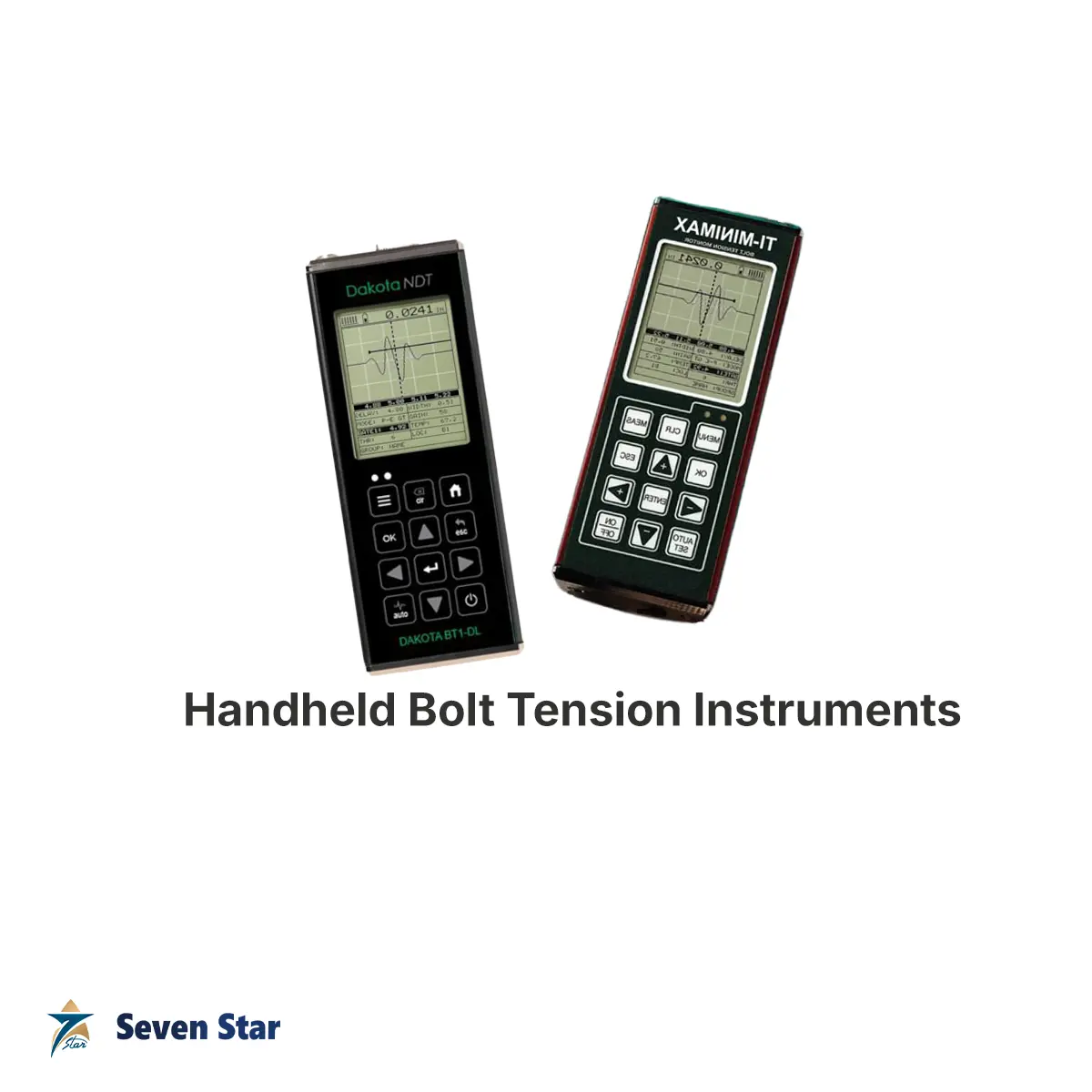
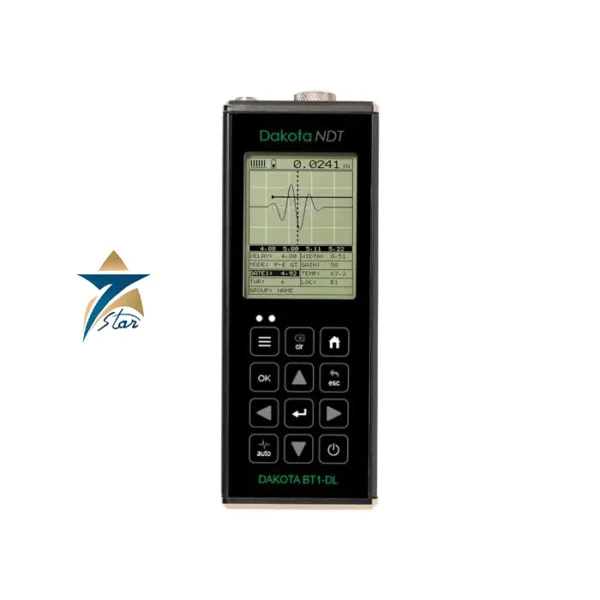
Handheld Bolt Tension Instruments
Frequently Asked Questions
How do handheld bolt tension instruments ensure precise fastener load measurement?
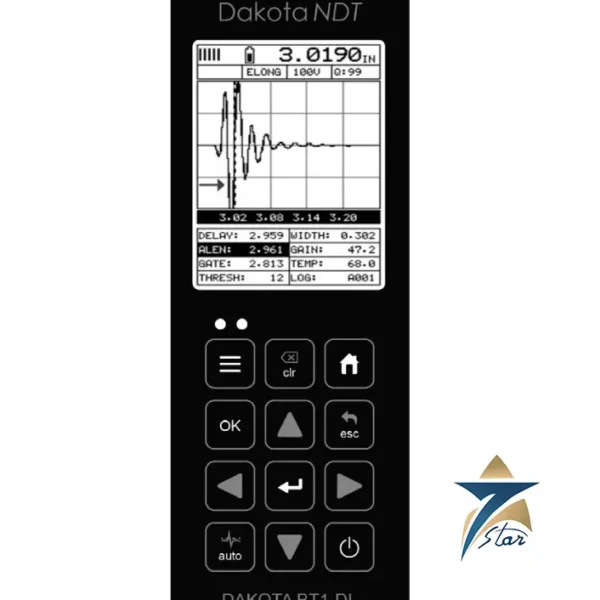
These instruments utilize ultrasonic time-of-flight technology to measure the precise elongation of a fastener as it is tightened. By calculating the difference in ultrasonic transit time before and after tensioning, they determine the actual mechanical load with far greater accuracy than torque-based methods.
What is the advantage of using ultrasonic bolt tension measurement over traditional torque wrenches?
Torque measurements are highly susceptible to variations in friction, lubrication, and thread condition, often resulting in significant load inaccuracies. Ultrasonic tensioning measures the actual physical stretch of the bolt, providing a direct and highly accurate assessment of clamping force regardless of frictional variables.
Are handheld bolt tension instruments suitable for field maintenance of critical infrastructure?
Yes, their portable and rugged design makes them exceptionally suited for field applications such as wind turbine maintenance, structural engineering, and pipeline flange assembly. They allow technicians to verify critical joint integrity on-site with laboratory-level precision.
How does temperature affect the accuracy of ultrasonic bolt tension readings?
Temperature fluctuations alter both the physical length of the fastener and the acoustic velocity of the material. Advanced handheld instruments incorporate integrated temperature sensors to automatically compensate for these variations, ensuring load calculations remain highly accurate.
Can these instruments store specific bolt parameters and measurement data for future reference?
Modern bolt tension monitors feature extensive internal databases to store material properties, bolt geometries, and historical elongation data. This allows for rapid setup during repetitive tasks and provides traceable documentation for rigorous quality assurance protocols.