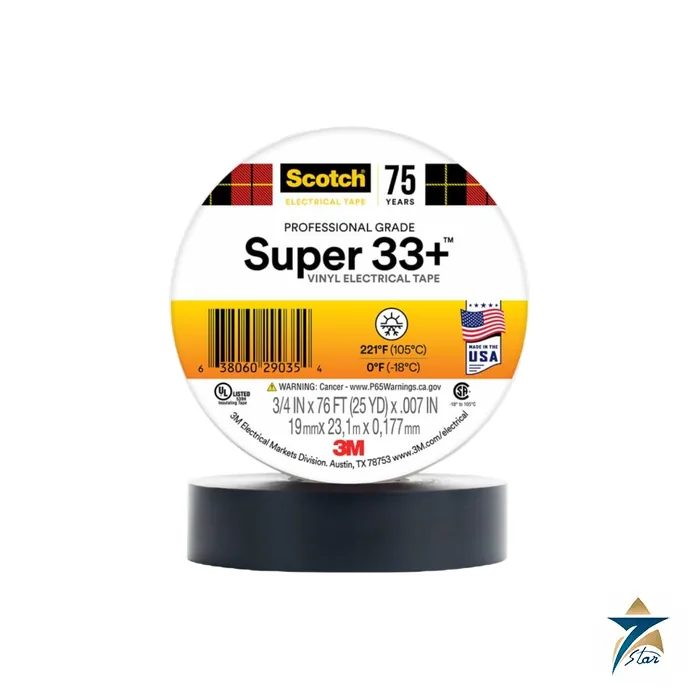
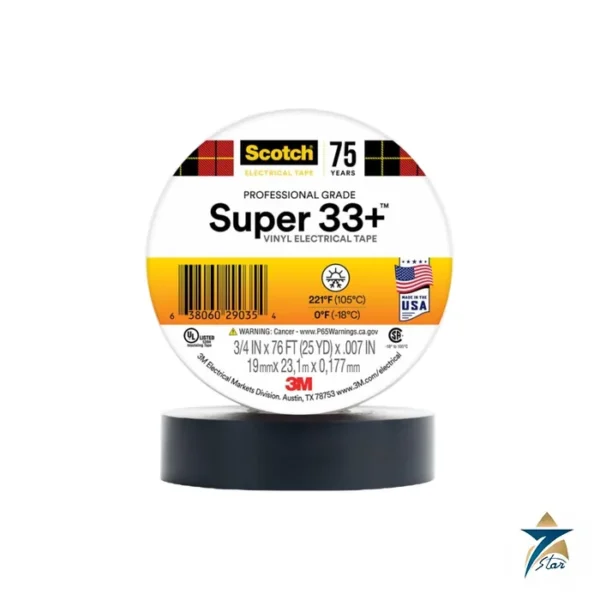
3M Scotch Super 33+ Vinyl Electrical Tape Supplied by Seven Star LLC

Electrical Tapes & Cable Accessories

Electrical tapes and cable accessories are the insulating and jointing materials used on cable splices, terminations and busbars. Seven Star LLC in Oman currently lists one product in this category, the 3M Scotch Super 33+ vinyl electrical tape. The range is growing, and other electrical tapes, splicing tapes and cable accessories can be sourced on request for contractors and maintenance teams.
Read more about Electrical Tapes & Cable Accessories

Category guide

About Electrical Tapes & Cable Accessories

1 product 1 brand

Electrical tapes and cable accessories are the insulating and jointing materials used on cable splices, terminations and busbars. Seven Star LLC in Oman currently lists one product in this category, the 3M Scotch Super 33+ vinyl electrical tape. The range is growing, and other electrical tapes, splicing tapes and cable accessories can be sourced on request for contractors and maintenance teams.

Types of electrical tape and where each is used

Vinyl (PVC) electrical tape is the general-purpose insulating tape. It is elastic, conforms to irregular shapes, and is used for primary insulation on low-voltage splices, as the outer protective jacket over higher-voltage splices, and for harnessing and phase color coding. Premium grades stay flexible and keep their adhesion over a wider temperature span than economy tapes, which matters for outdoor work in the heat of the GCC. Rubber splicing tapes are self-fusing: stretched and wrapped, the layers bond into a solid mass, and they provide the main insulation and moisture seal on splices, normally with a vinyl overwrap. Mastic tapes fill and seal irregular connections. Glass cloth and silicone rubber tapes serve high-temperature locations.

What to specify when ordering tape and cable accessories

Give the product name, width, length and thickness of the roll, the color, and the quantity in rolls or cartons. For jointing and termination work, add the cable voltage class, conductor size and insulation type so that suitable materials are proposed. Check the voltage rating and temperature rating on the manufacturer’s datasheet, which we provide on request.

What to include in your inquiry

These details let us quote the right item the first time.

  • Manufacturer part number or catalogue reference
  • Rated current and voltage
  • Breaking capacity and number of poles
  • Trip unit and accessories
  • Quantity

Missing some of them? Send what you have. A nameplate photo or an old part number is enough to start.

Brands in Electrical Tapes & Cable Accessories

All brands →

Request a Quote for Electrical Tapes & Cable Accessories

Looking for a specific model, part number or brand in Electrical Tapes & Cable Accessories? Send us your requirements and quantities. Seven Star LLC sources genuine industrial equipment for customers across Oman and the GCC and replies with a formal quotation.

Free, no-obligation quotation · takes about 1 minute

Other enquiries: [email protected] · WhatsApp

Frequently Asked Questions

What is the difference between vinyl tape and rubber splicing tape?
Vinyl tape has a PVC backing with a pressure-sensitive adhesive. It insulates low-voltage connections and protects against abrasion, moisture and sunlight. Rubber splicing tape usually has no adhesive. It is stretched while wrapping and fuses to itself, building thick, void-free insulation on splices and terminations. The two are used together: rubber for insulation and sealing, vinyl as the outer mechanical layer.
How should vinyl electrical tape be applied on a splice?
Wrap in half-lapped layers with enough tension that the tape conforms to the shape, so each turn covers half of the previous one. Build up at least the thickness of the original insulation. Apply the last turn with no tension so the end does not lift over time. The surface must be clean and dry before wrapping.
Why does a premium vinyl tape perform better than a general-purpose one?
The backing and adhesive are formulated to work across a wider temperature span, so the tape can be applied in cold or hot conditions and does not ooze adhesive or lose grip when the joint warms up. It also stretches further without breaking and resists ultraviolet light and weathering for longer. On permanent outdoor or plant work this reduces the chance of the tape unwinding.
Which standards should electrical tape meet?
Insulating tapes are commonly listed to UL 510 and classified under IEC 60454 for pressure-sensitive adhesive tapes, and may carry CSA certification. The datasheet states the voltage rating, temperature rating and flame retardancy. If your project specification names a standard or an approval mark, tell us at inquiry stage so the listed product and its documents can be checked against it.
What information do you need to quote tapes and cable accessories?
The manufacturer and product name, roll width and length, color, and the quantity. For splice or termination materials add cable voltage class, number of cores, conductor cross-section, insulation type and whether the joint is indoor, outdoor or buried. With that we can identify the matching manufacturer kit or tape combination and send its datasheet.