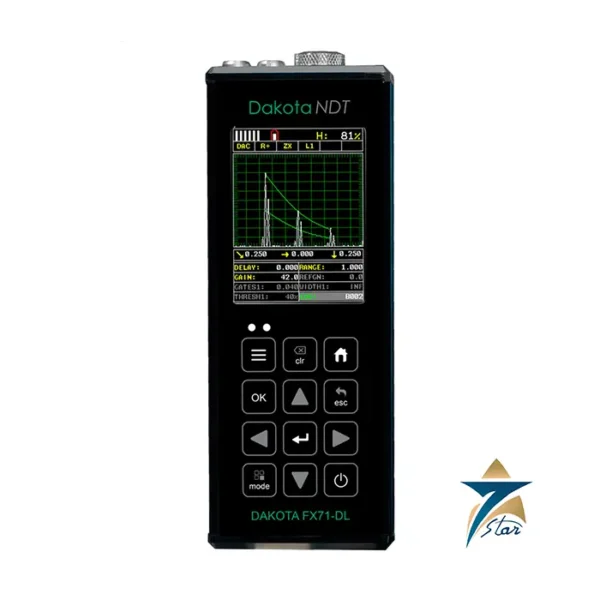
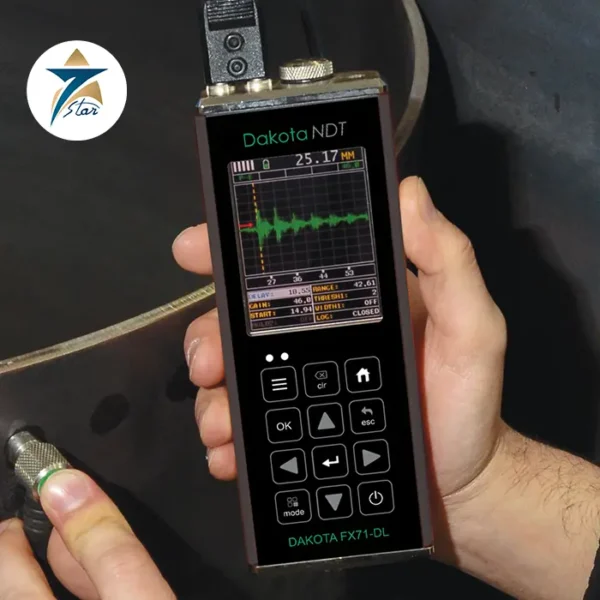
Portable ultrasonic handheld flaw detectors

Handheld Flaw Detectors

Handheld flaw detectors are portable ultrasonic inspection instruments designed for detecting cracks, inclusions, porosity, weld defects, and structural discontinuities in industrial materials. These units offer field-ready durability, digital A-Scan capabilities, and real-time signal evaluation for accurate defect characterization during on-site inspection.

They are used across oil & gas pipelines, pressure vessels, petrochemical plants, aerospace components, manufacturing facilities, refinery structures, and power generation systems. Handheld flaw detectors provide mobility, fast setup, and high-performance ultrasonic testing suitable for routine inspections and demanding field conditions.
Frequently Asked Questions

What are the main advantages of using handheld flaw detectors for field inspections?
Handheld flaw detectors combine robust portability with high-performance ultrasonic testing capabilities, allowing for rapid deployment in remote or physically constrained environments. Their ergonomic design and battery-powered operation make them ideal for evaluating structural integrity directly at the job site.
How do handheld flaw detectors handle weld inspections in harsh environments?
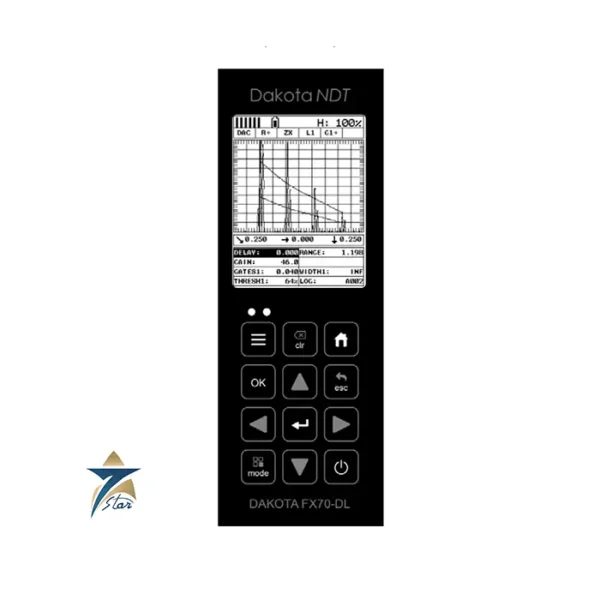
Engineered with rugged, IP-rated enclosures, these detectors withstand dust, moisture, and extreme temperatures commonly found in industrial sectors. They feature dedicated weld inspection software, including DAC/TCG sizing and trigonometric flaw location, to ensure accurate assessment under challenging conditions.
Are modern handheld flaw detectors equipped with advanced imaging capabilities like phased array?
Many advanced handheld models now integrate Phased Array Ultrasonic Testing (PAUT) and Time of Flight Diffraction (TOFD) functionalities alongside conventional UT. This provides inspectors with comprehensive sectorial scans and superior probability of detection for complex defect morphologies.
What is the typical battery life for handheld flaw detectors during continuous field use?
High-capacity lithium-ion batteries typically provide between 8 to 12 hours of continuous operation on a single charge. This extended battery life is crucial for ensuring uninterrupted field assessments during full-shift inspection campaigns.
How is data logged and reported using your handheld flaw detector models?
Our detectors feature extensive onboard memory for storing A-scans, B-scans, and comprehensive inspection reports. Data can be seamlessly transferred to PC-based analysis software via USB or Wi-Fi for advanced post-processing and compliant report generation.