TH52 MgO thermocouple cable probe: what the model is
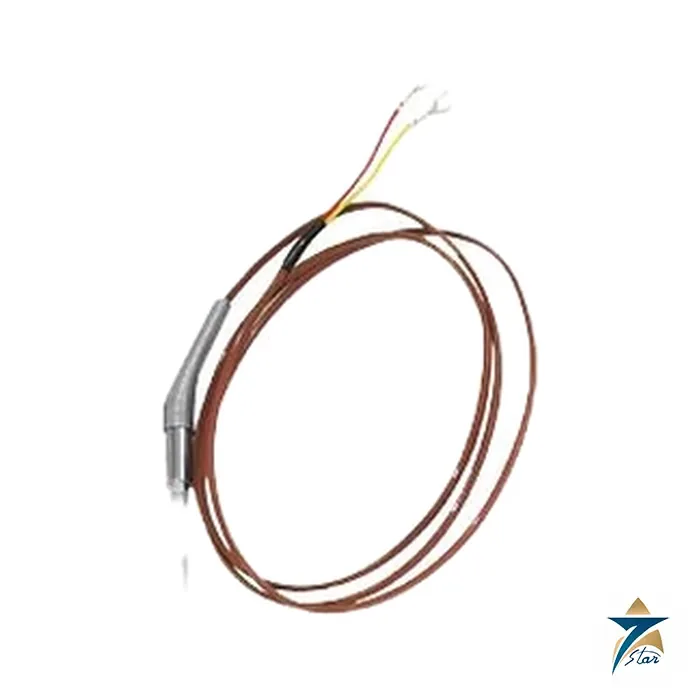
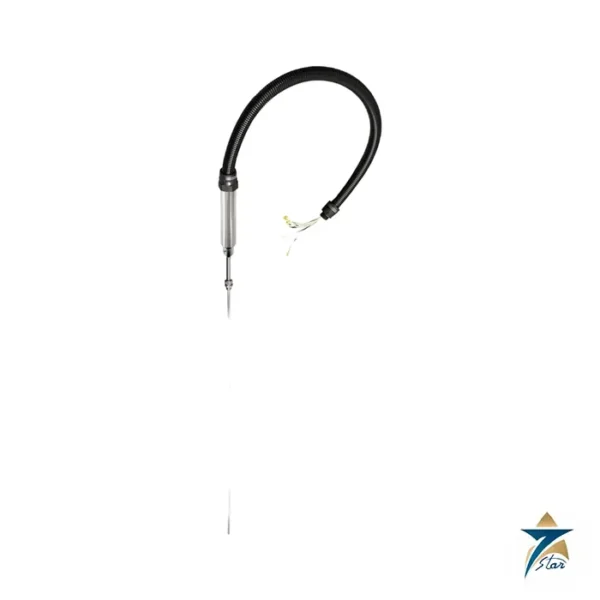
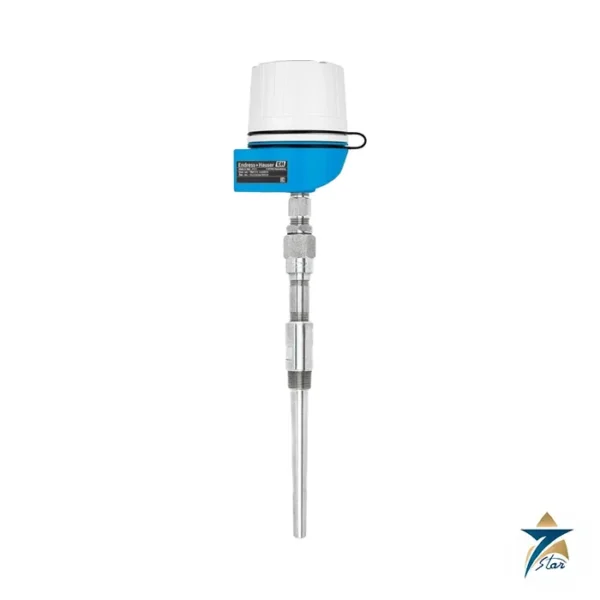
The Endress+Hauser TH52 is a general-purpose, magnesium-oxide insulated thermocouple built as a cable probe. A sheathed sensor tube, filled with compacted MgO powder around the thermocouple wires, ends in a flexible extension lead with a spring-relief transition, so there is no terminal head. It belongs to a three-model group in one datasheet: the TH51 (with a connection head), the TH52 (with extension lead wires) and the TH56 (with a plug or female jack).
Because the sheath is mineral-insulated, the probe is small, tough and quick. Sheath diameters from 1/16 to 3/8 in are offered, with response times from 0.3 s for a grounded 1/16 in tip. Seven Star LLC supplies the TH52 in Oman and the GCC as an independent supplier in Muscat. The right build depends on the thermocouple type, the sheath size and the junction style, which we help you work out from your process data.
TH52 technical specifications
| Parameter |
Specification |
| Manufacturer / part number |
Endress+Hauser / TH52 (iTHERM MgO thermocouple cable probe, US style) |
| Sensor |
Thermocouple, types T, J, E, K and N; single or duplex element |
| Element range limits |
T: –270 to +400 °C; J: –210 to +1 200 °C; E: –270 to +1 000 °C; K: –270 to +1 372 °C; N: –270 to +1 300 °C |
| Tolerance |
Standard and special per ASTM E230 (about IEC class 2 and class 1) |
| Response time (63 %) |
0.3 s (grounded, 1/16 in) up to 7.2 s (ungrounded, 3/8 in) |
| Sheath diameters |
1/16, 1/8, 3/16, 1/4 and 3/8 in |
| Immersion length X |
Standard 6, 12, 18 and 24 in; specified 2 to 96 in in 1/2 in steps |
| Lead wire length B |
Standard 48, 72 and 120 in; specified 12 to 300 in in 12 in steps |
| Insulation resistance |
1 000 MΩ at 25 °C, 500 VDC (ungrounded junction) |
| Static pressure |
40 bar (580 psi) at 20 °C, depending on configuration |
| Process connection |
None, or compression fitting; not intended for use with a thermowell |
| Vibration |
4 g, 2 to 150 Hz per IEC 60068-2-6 |
How a TH52 thermocouple measures
Two dissimilar metal wires are joined at the tip. When the tip and the open end sit at different temperatures a small voltage appears (the Seebeck effect), and its size depends on the wire pair and on the temperature difference between the measuring junction and the reference (cold) junction. The instrument therefore has to know or measure the reference temperature, which a thermocouple input card or an iTEMP transmitter does with an internal sensor. The voltage-temperature tables for the common types follow IEC 60584 and ASTM E230.
A thermocouple is a good choice when the temperature is too high for a Pt100, when a very fast response is needed, or when a small, rugged probe is required. Its trade-off is lower accuracy and more drift than a platinum RTD, and the need for correct thermocouple extension wire between the probe and the instrument.
TH52 sheath size, temperature limit and response
The practical upper limit of a thermocouple depends on the wire diameter, which is tied to the sheath size. The datasheet lists upper temperature limits by sheath and type, examples of which are below, and notes that these are guides and not guarantees of life:
| Sheath |
Type T |
Type J |
Type E |
Type K |
| 1/16 in |
260 °C |
440 °C |
510 °C |
920 °C |
| 1/8 in |
315 °C |
520 °C |
650 °C |
1 070 °C |
| 1/4 in |
370 °C |
720 °C |
820 °C |
1 150 °C |
A 316 stainless steel sheath is rated to 927 °C, so a type K thermocouple in a 316 sheath will be limited by the sheath and not the wire. Duplex type N probes are not available in 1/16, 3/16 or 3/8 in sheaths. Response times (63 % per ASTM E839) are listed for grounded and ungrounded junctions respectively: 0.3 and 0.4 s at 1/16 in, 0.6 and 1.6 s at 1/8 in, 0.9 and 2.4 s at 3/16 in, 1.3 and 2.9 s at 1/4 in, and 3.5 and 7.2 s at 3/8 in.
Grounded or ungrounded junction on the TH52
In a grounded junction the thermocouple is welded into the closed tip of the sheath. It reacts faster, is cheaper, and is a sound general-purpose choice, but the signal shares a path with the metal sheath and can create a ground loop; the datasheet recommends a galvanically isolated transmitter, and advises against grounded junctions with type T because of the copper leg. In an ungrounded junction the hot junction is isolated from the sheath. It is slower, but electrically quiet, is recommended for strong thermal cycling and for the ultimate corrosion resistance of the sheath alloy, and holds up better in noisy environments. Dual ungrounded elements have separate isolated junctions, except in 1/16 in sheaths, which share a common junction.
Wiring, extension wire and related models
The TH52 ends in flexible extension wire, available with stripped leads or fork lugs, and also in plug and female-jack styles for quick disconnection. Use thermocouple extension or compensation cable of the matching type from the probe to the instrument to preserve accuracy, and observe polarity: reversing the wires or using copper cable gives readings that look plausible but are wrong.
If you prefer a terminal head and a replaceable sensor, the TH51 is the headed version, and the TH56 is the plug-in style. For RTD measurement below 600 °C, the matching cable probe is the TH12. If you need a very high furnace temperature in a ceramic protection tube, the TAF11 belongs to a separate class of thermometer built for that purpose.
Selecting a TH52: checklist
- Thermocouple type: K for general use to 1 000 °C and above, J for moderate temperatures in reducing atmospheres, T for low and cryogenic range, E for high signal output, N for better stability at high temperature.
- Sheath diameter: smaller for speed, larger for mechanical strength and temperature headroom.
- Junction: grounded for speed, ungrounded for isolation and noisy or cycling duty.
- Tolerance: standard (class 2 equivalent) or special (class 1 equivalent), noting the limits per type.
- Single or duplex: the second element offers a spare or a separate monitor input.
- Lengths: immersion X and lead length B; lead insulation limits apply.
- Fitting and termination: compression fitting size, leads, lugs, plug or jack.
Installation, calibration and maintenance
Install the sheath into the medium with the whole sensing length exposed; the datasheet advises avoiding any shielding of the tip by the nozzle. A compression fitting seals on the sheath, and the pressure limit is that of the fitting and sheath together, so a probe in a pressurised line needs a pressure-rated fitting selected for the service. Avoid sharp bends near the tip. Keep the extension wire away from heat sources and from power cables.
Verify the loop at commissioning by comparing the reading with a known reference and check polarity and cold-junction compensation. Calibration at the manufacturer covers –20 to +300 °C against ITS-90, and a three-point calibration needs the specified temperatures to be within range and the length to be adequate. Thermocouples age as the wires oxidise; if the reading drifts or the sheath is damaged, replace the probe, and keep a spare of each type and length used.
TH52 applications in Oman and the GCC
The datasheet lists heat exchangers, power and heat-recovery areas, furnaces, dryers and flue gas, compressor stations, process reactors, and metallurgical and glass manufacturing. In Oman these map to fired heaters, boiler and exhaust-gas stacks, gas turbine auxiliary points and process dryers in oil, gas and power facilities, as well as furnace and kiln monitoring in metals and building-material plants. Because the probe is small and flexible, it is also practical on skid packages and test rigs where a head would be exposed to heat, dust and vibration.
Information to send with a TH52 RFQ
- TH52 and the order code of the probe you are replacing, if any
- Thermocouple type, single or duplex
- Temperature range and required tolerance
- Sheath diameter, immersion length X and lead length B
- Junction style and sheath material
- Compression fitting and pressure, if applicable
- Termination: leads, fork lugs, plug or jack
- Quantity and delivery site
Documents and quotation
A datasheet for the TH52, shared with the TH51 and TH56, is attached on this page. It contains the temperature limits, response times and dimension tables referred to above.
Send the TH52 part number and your data to Seven Star LLC for a quotation, and we will confirm the configuration, the lead time and the supporting documents.
Other Models in the Itherm Th Cable Probe Range
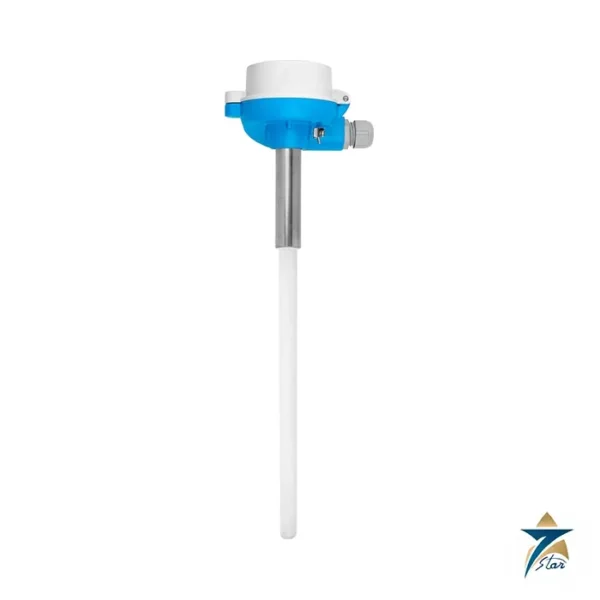
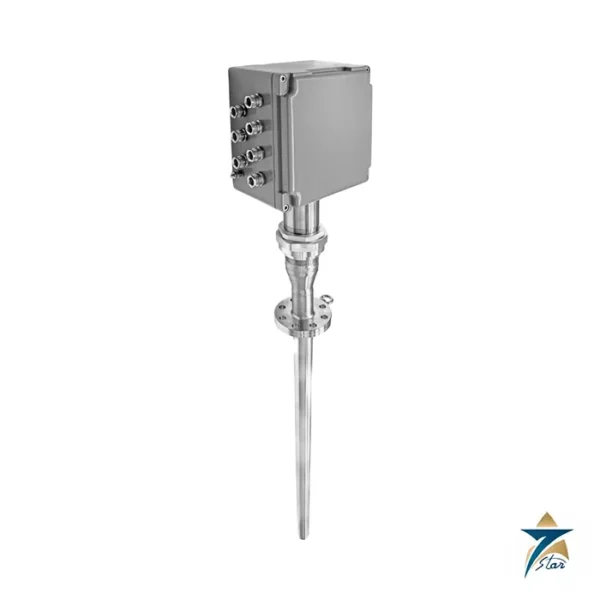
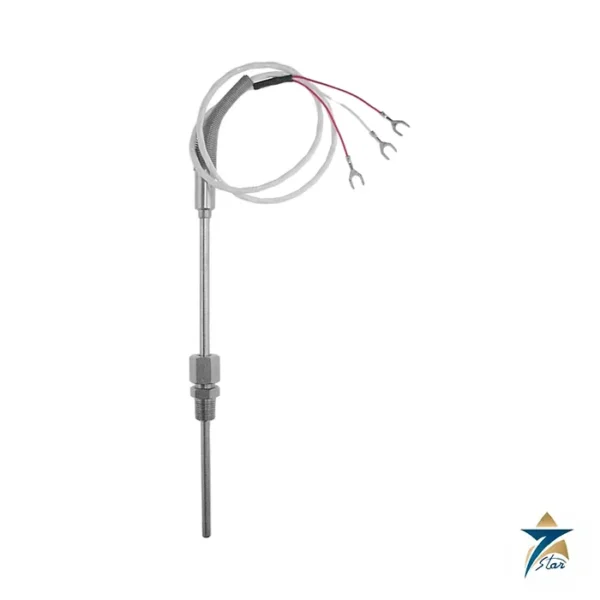
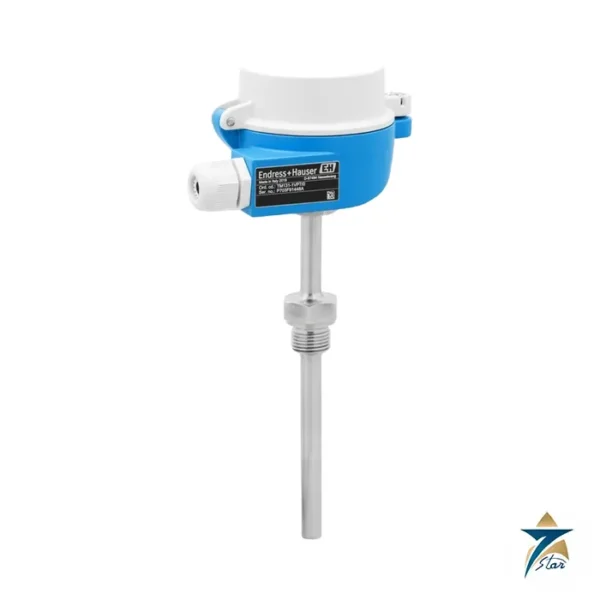
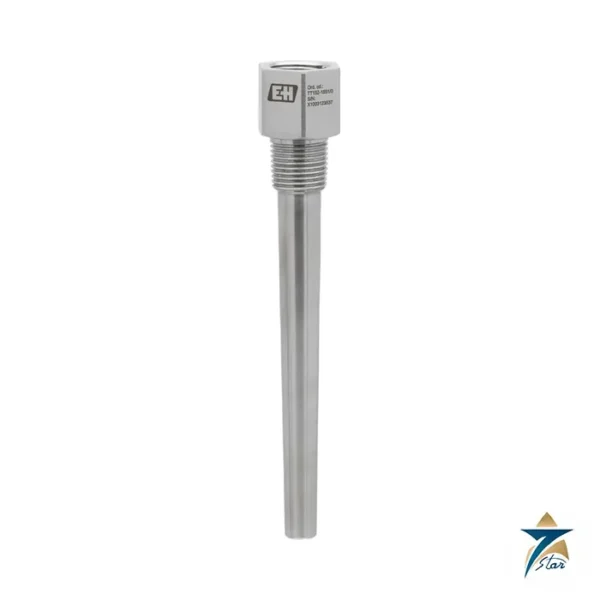
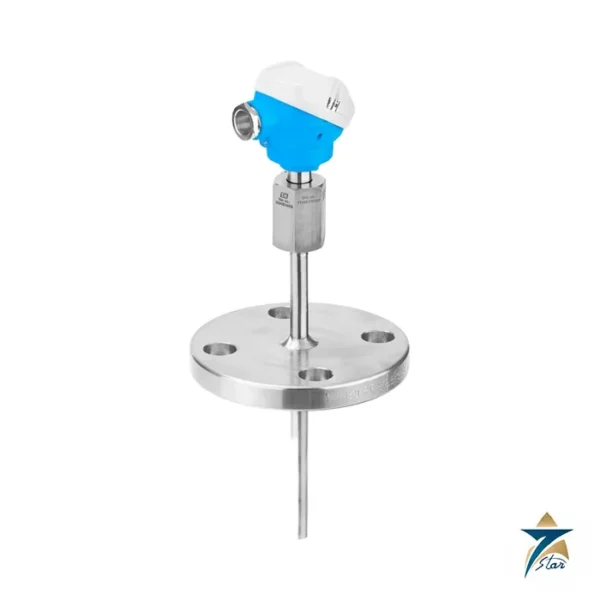
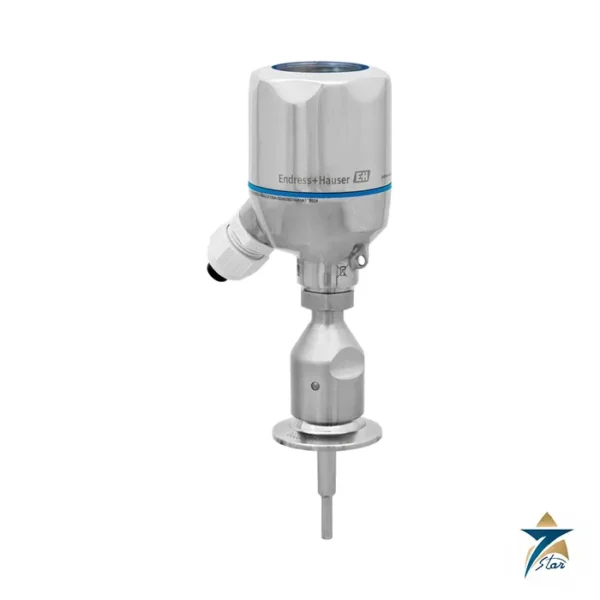
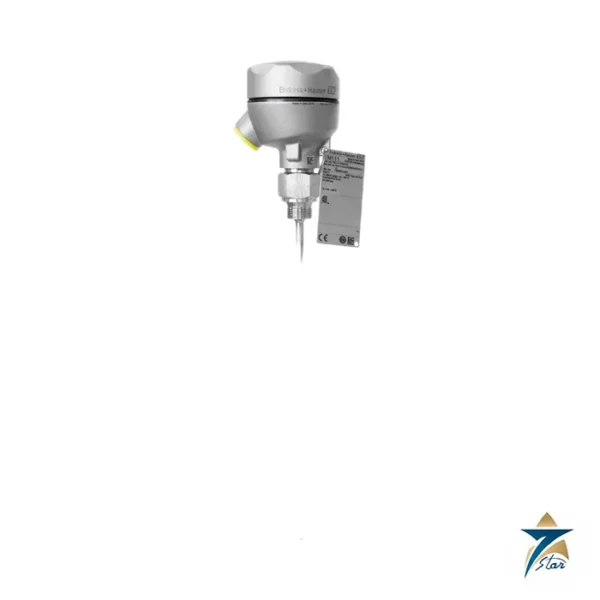
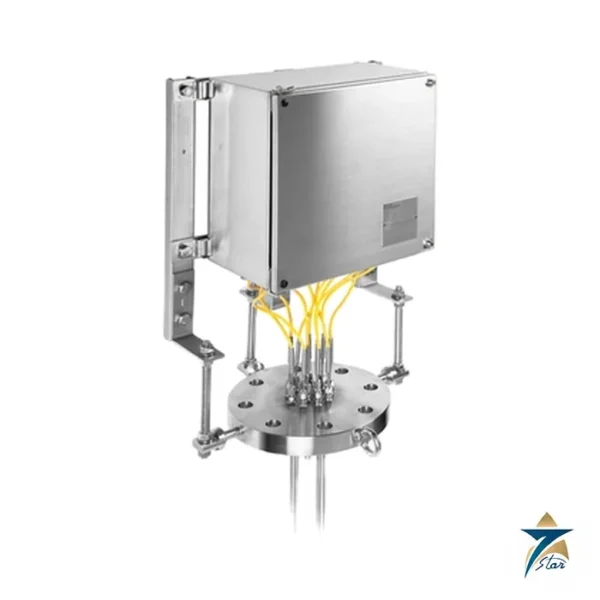
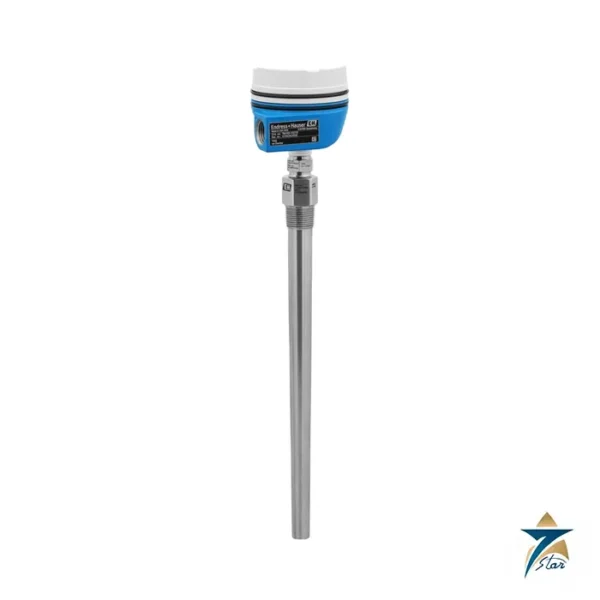
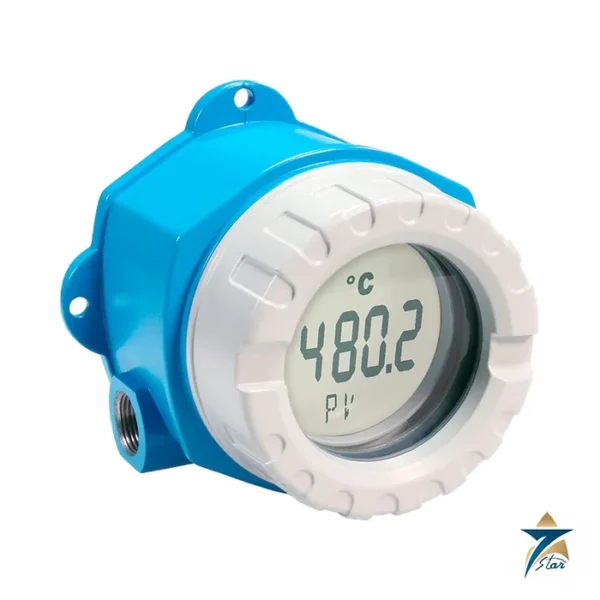
Seven Star LLC supplies models from the Itherm Th Cable Probe range in Oman and the GCC. Compare the related models below and request a quote for the one that matches your application.


















Reviews
There are no reviews yet.