- Automation & ControlView all 2,894 products
- Automation Accessories
- AC Drives
- PLC & I/O Cards
- Industrial Communications
- Vibration Monitoring
- Controllers & Data Acquisition
- Isolator & Barrier
- Safety Switches & Guard Locking
- Motor Soft Starters
- CCTV & Security
- Encoders
- Pneumatic Cylinders
- HMI Displays
- Servo Drives
- Industrial Computers
- Machine Vision
- Automation Software
- Robotics
















Welding Equipment
Engine-Driven Welders
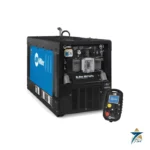
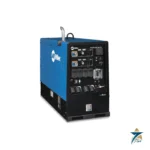
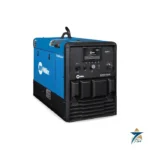
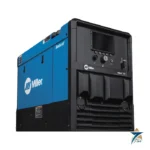
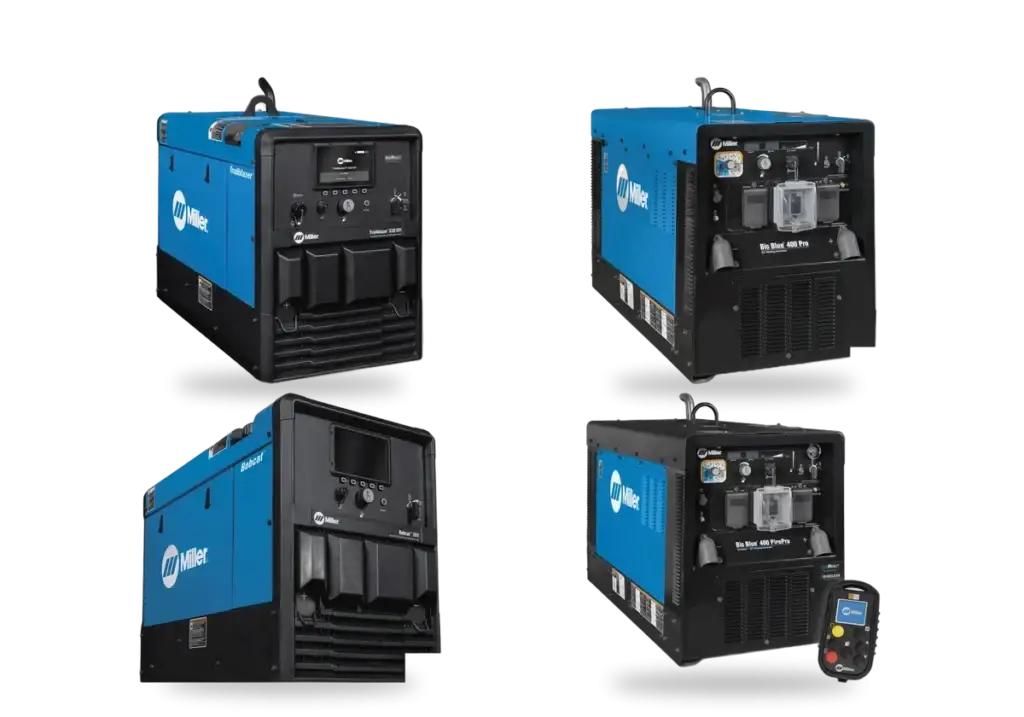
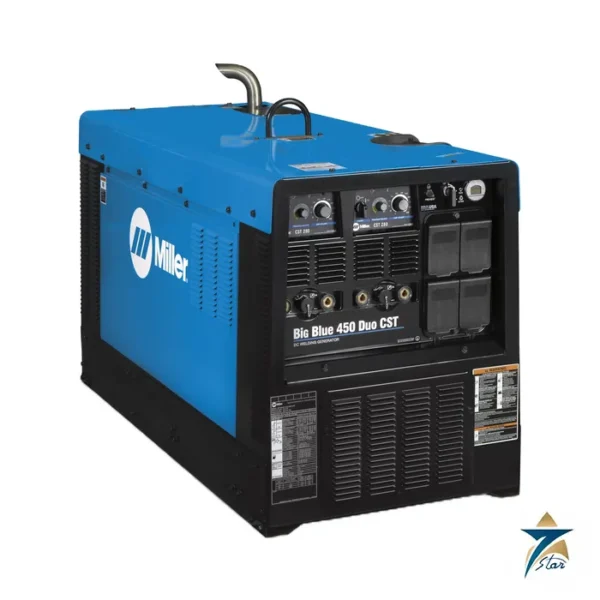
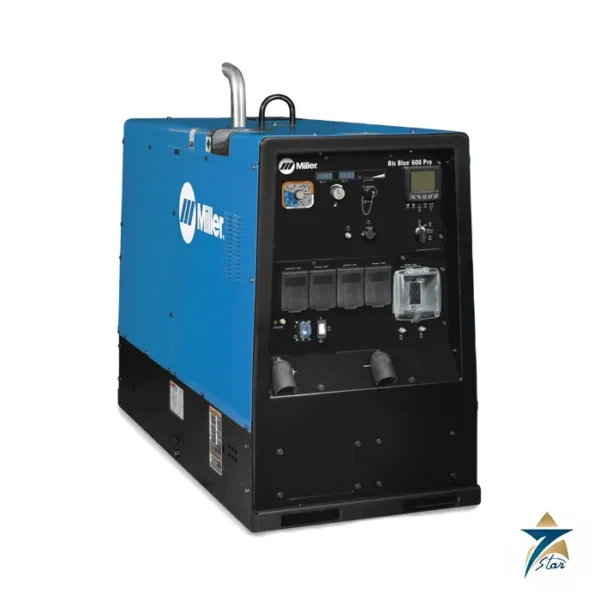
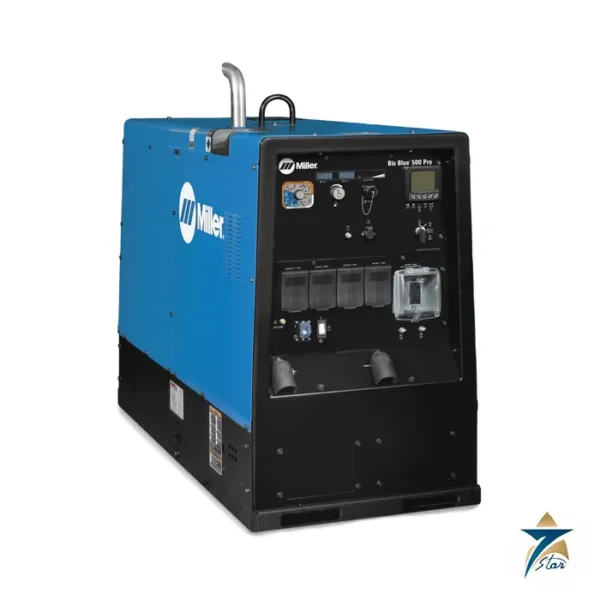
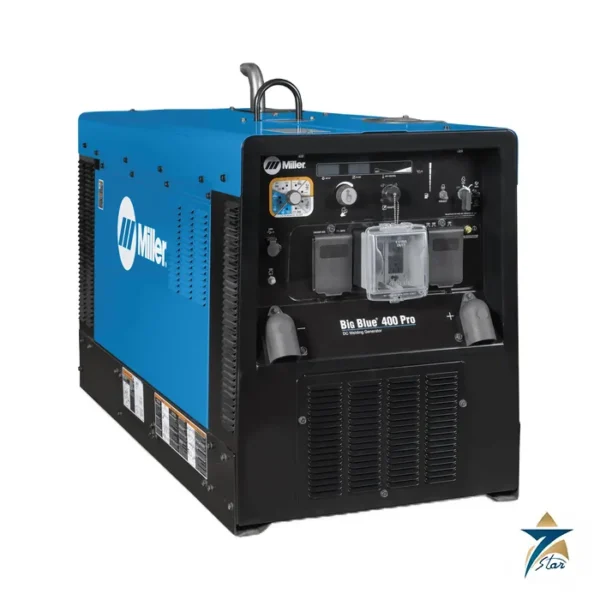
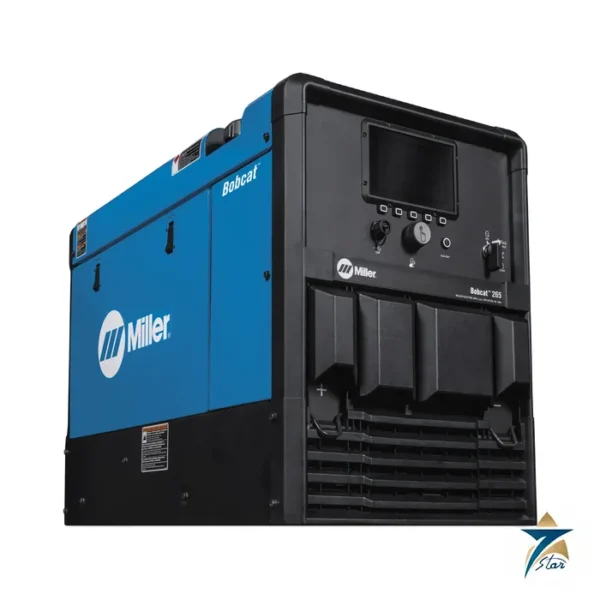
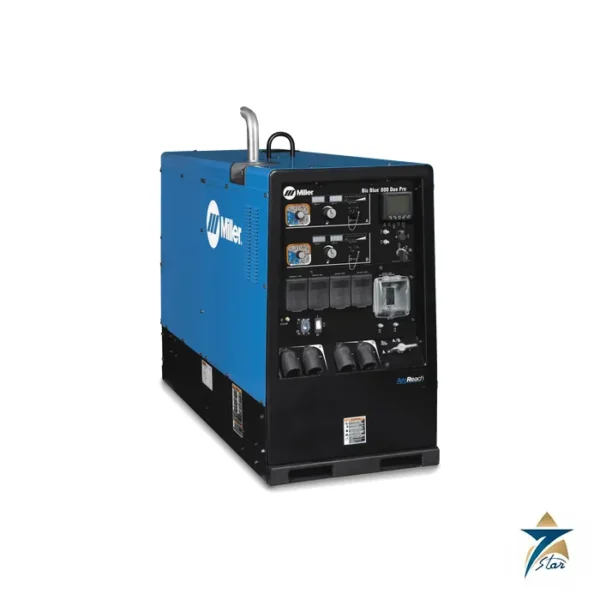
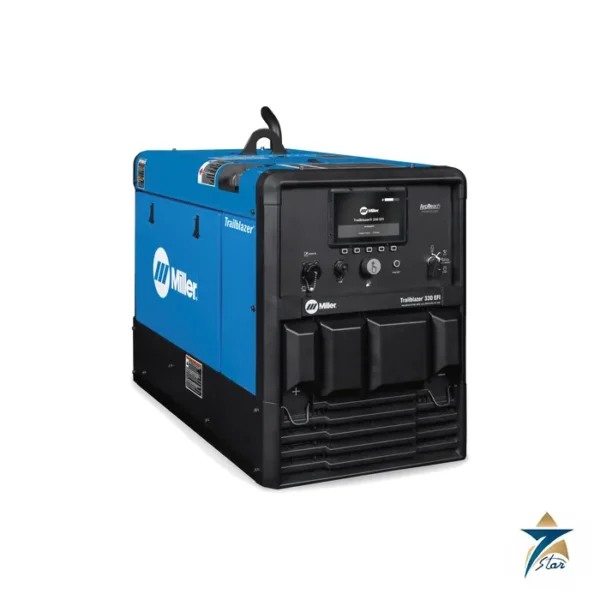
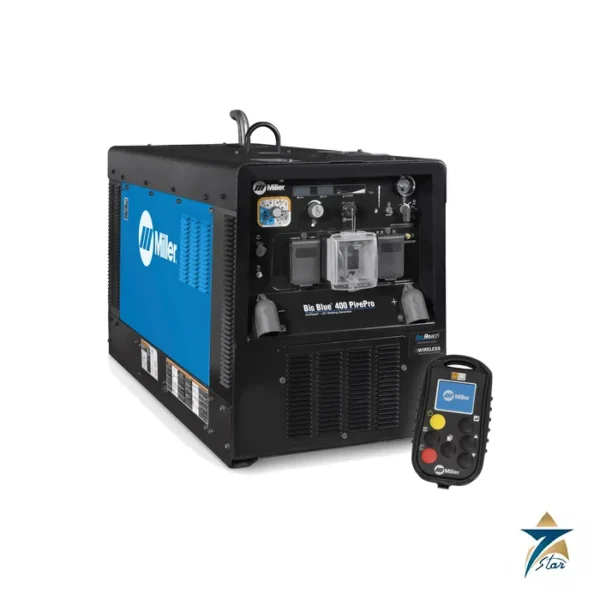
Engine-driven welders pair an engine with a welding generator and auxiliary power outlets, so a crew can weld where there is no mains supply. Seven Star LLC lists Miller engine-driven welding machines for buyers in Oman: gas and LP engine units such as the Bobcat 265 and Trailblazer 330 for general site work, Big Blue Pro diesel welders from 400 to 600 A, the Big Blue 400 PipePro for pipeline welding, and dual-operator diesel welders such as the Big Blue 450 Duo CST and Big Blue 800 Duo Pro. Other models and options can be sourced on request.
Read the full category guide- 8 products
- 1 brand
Category guide
About Engine-Driven Welders
Engine-driven welders pair an engine with a welding generator and auxiliary power outlets, so a crew can weld where there is no mains supply. Seven Star LLC lists Miller engine-driven welding machines for buyers in Oman: gas and LP engine units such as the Bobcat 265 and Trailblazer 330 for general site work, Big Blue Pro diesel welders from 400 to 600 A, the Big Blue 400 PipePro for pipeline welding, and dual-operator diesel welders such as the Big Blue 450 Duo CST and Big Blue 800 Duo Pro. Other models and options can be sourced on request.
Choosing an engine-driven welding machine
Start with the process and current. Most units give DC output for stick and TIG, and many add constant-voltage output for flux-cored or MIG welding with a feeder. Pipeline work needs an arc characteristic suited to cellulosic electrodes. Fuel is the next decision: many plant and oilfield sites permit diesel engines only. Then look at auxiliary power, since grinders, lights and sometimes a plasma cutter or a second inverter run from the same machine. A dual-operator unit lets two welders work from one engine. For hydrocarbon facilities in the GCC, ask early about site requirements such as a spark arrestor or an engine air shutdown valve.
Details to include in your inquiry
Send the processes and electrode or wire sizes, the welding current needed, the number of operators, the fuel type, the auxiliary power you need in kW and voltage, and whether the unit goes on a trailer, a truck or a skid. List any site safety options the facility owner requires.
What to include in your inquiry
These details let us quote the right item the first time.
- Welding process (MIG/MAG, TIG, MMA, SAW, plasma)
- Current range and duty cycle
- Supply voltage and phases
- Material and thickness to be welded
- Accessories needed (torch, wire feeder, cooler)
Missing some of them? Send what you have. A nameplate photo or an old part number is enough to start.