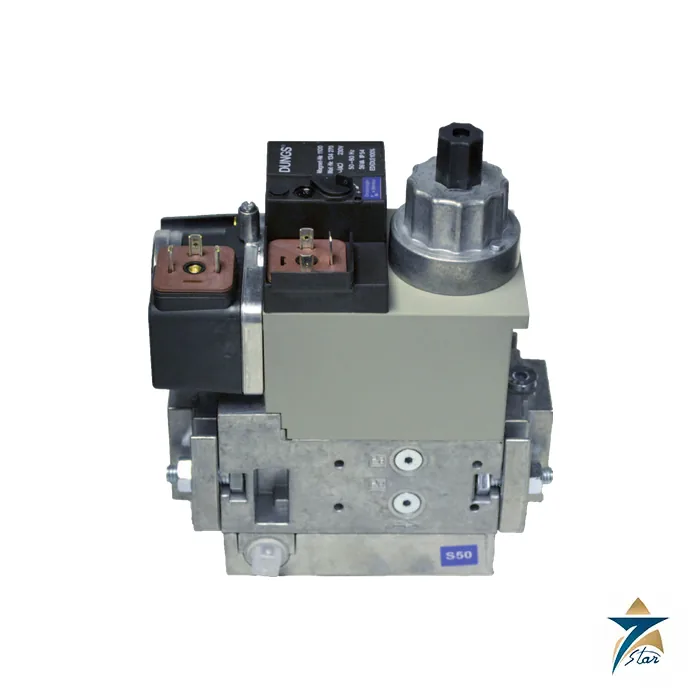
DUNGS MB-DLE 407 B01 S50 GasMultiBloc Rp 3/4, 230 V Supplied by Seven Star LLC

Burners & Gas Trains

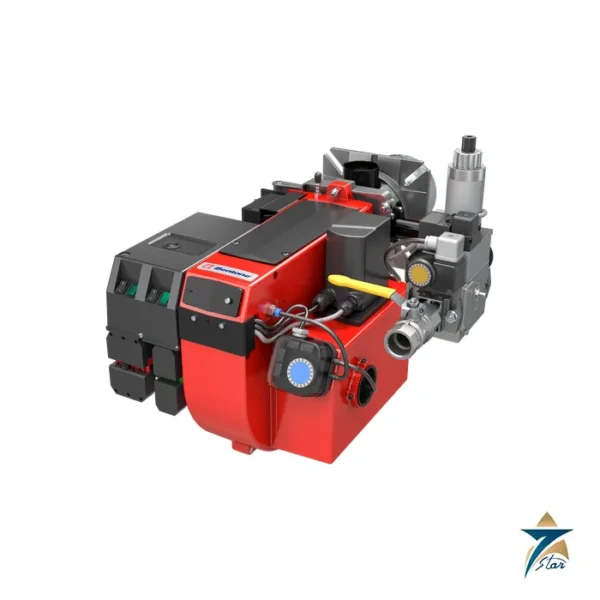
Burners & Gas Trains currently holds one product, a Bentone single-stage forced draught gas burner for small and medium boilers and process heaters. Seven Star LLC supplies it from Muscat, Oman, and the range is growing. Other Bentone gas burner sizes, two-stage and modulating versions, and gas train components such as safety shut-off valves, filters, regulators and pressure switches can be sourced on request.
Read more about Burners & Gas Trains

Category guide

About Burners & Gas Trains

1 product 1 brand

Burners & Gas Trains currently holds one product, a Bentone single-stage forced draught gas burner for small and medium boilers and process heaters. Seven Star LLC supplies it from Muscat, Oman, and the range is growing. Other Bentone gas burner sizes, two-stage and modulating versions, and gas train components such as safety shut-off valves, filters, regulators and pressure switches can be sourced on request.

How a gas burner and its gas train work together

A forced draught burner uses its own fan to supply combustion air and mixes it with gas at the burner head. The gas train upstream brings the gas to the correct pressure and shuts it off safely. It normally consists of an isolating valve, a filter, a pressure regulator, two safety shut-off valves in series and gas pressure switches, often combined in one multi-function valve block. A single-stage burner fires at one fixed output. Two-stage and modulating burners follow the heat demand more closely.

Selecting a gas burner for a boiler

The burner has to deliver the required heat input against the back pressure of the combustion chamber, so both figures are read together on the working diagram in the burner datasheet. Gas type and available supply pressure decide the size of the gas train. The flame tube length has to suit the boiler door and its refractory. Burners of this type are built to EN 676. For a quotation, send the boiler output and back pressure, the gas type and supply pressure, the electrical supply and the control mode. We check the selection against the manufacturer documentation for buyers across the GCC.

What to include in your inquiry

These details let us quote the right item the first time.

  • Equipment model and serial number
  • Capacity or duty
  • Refrigerant or medium
  • Power supply
  • Part number, for spare parts

Missing some of them? Send what you have. A nameplate photo or an old part number is enough to start.

Brands in Burners & Gas Trains

All brands →

Related categories

Request a Quote for Burners & Gas Trains

Looking for a specific model, part number or brand in Burners & Gas Trains? Send us your requirements and quantities. Seven Star LLC sources genuine industrial equipment for customers across Oman and the GCC and replies with a formal quotation.

Free, no-obligation quotation · takes about 1 minute

Other enquiries: [email protected] · WhatsApp

Frequently Asked Questions

What is the difference between single-stage, two-stage and modulating gas burners?
A single-stage burner is either off or firing at full output, which suits small boilers with a steady load. A two-stage burner has a low and a high firing rate and starts on the low stage, which reduces cycling. A modulating burner adjusts gas and air continuously between minimum and maximum, holding boiler pressure or temperature closer to set point when the load varies.
Can a natural gas burner be used on LPG?
Not without conversion. Natural gas and LPG differ in heating value and density, so the gas quantity, burner head settings and often the gas train components differ too. Many burner models are available in a version for each gas, or can be converted with parts specified by the manufacturer. State the gas type and its supply pressure when you send the inquiry.
Why is the boiler back pressure needed to select a burner?
The burner fan has to push the combustion air and flue gas through the boiler. The higher the resistance of the combustion chamber, the lower the maximum output the burner can reach. The manufacturer shows this as a working field of output against back pressure, and the boiler duty point must fall inside it. The boiler datasheet gives the back pressure at rated output.
How is the gas train sized?
From three figures: the gas flow at maximum burner input, the supply pressure available at the inlet of the train, and the pressure the burner head needs. The pressure drop across filter, regulator and valves at that flow has to fit in between. A low supply pressure therefore calls for a larger nominal size of gas train on the same burner.
What should be checked when replacing an old burner on an existing boiler?
Compare the mounting flange and its bolt pattern, the diameter and length of the flame tube, and the output range against the boiler rating and back pressure. On the electrical side, check the supply voltage and how the boiler thermostats and safety chain connect to the burner control. Send the nameplate data of the old burner and the boiler so the manufacturer documentation can be checked.