- Vibration Monitoring
- PLC & I/O Cards
- Industrial Communications
- Automation Accessories
- Controllers & Data Acquisition
- AC Drives
- Isolator & Barrier
- Industrial Computers
- Encoders
- Safety Switches & Guard Locking
- Automation Software
- HMI Displays
- Motor Soft Starters
- Servo Drives
- CCTV & Security
- Robotics
- Pneumatic Cylinders
- Machine Vision





Category guide
About Liquid Analytical Accessories
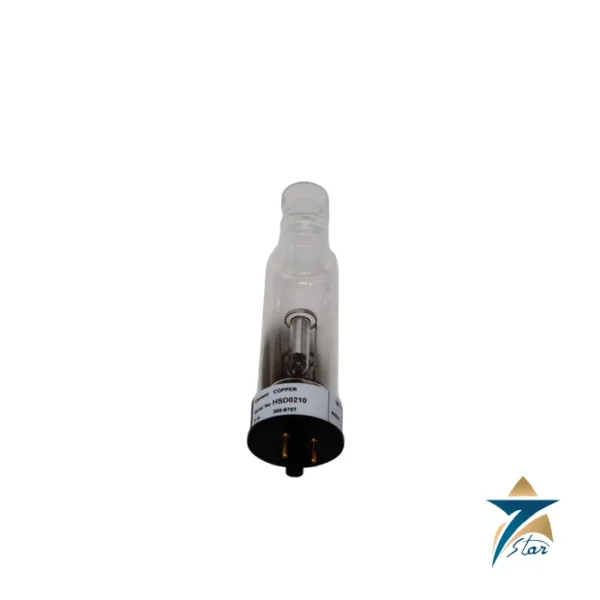
Liquid analytical accessories are the reagents, calibration solutions and wear parts that online and laboratory liquid analyzers need to keep measuring. This category lists Hach reagents and analyzer components, spare parts for TOC analyzers from LAR Process Analysers, an Endress+Hauser reagent set, hollow cathode lamps from AMETEK and dissolved oxygen test kits from CHEMetrics. Seven Star LLC supplies them by manufacturer part number to laboratories and plant chemistry teams in Oman and the GCC.
Reagents, standards and analyzer accessories in this category
- Reagents for colorimetric analyzers and test methods, including reagent sets for online analyzers and DEHA (oxygen scavenger) reagents as solution and powder pillows.
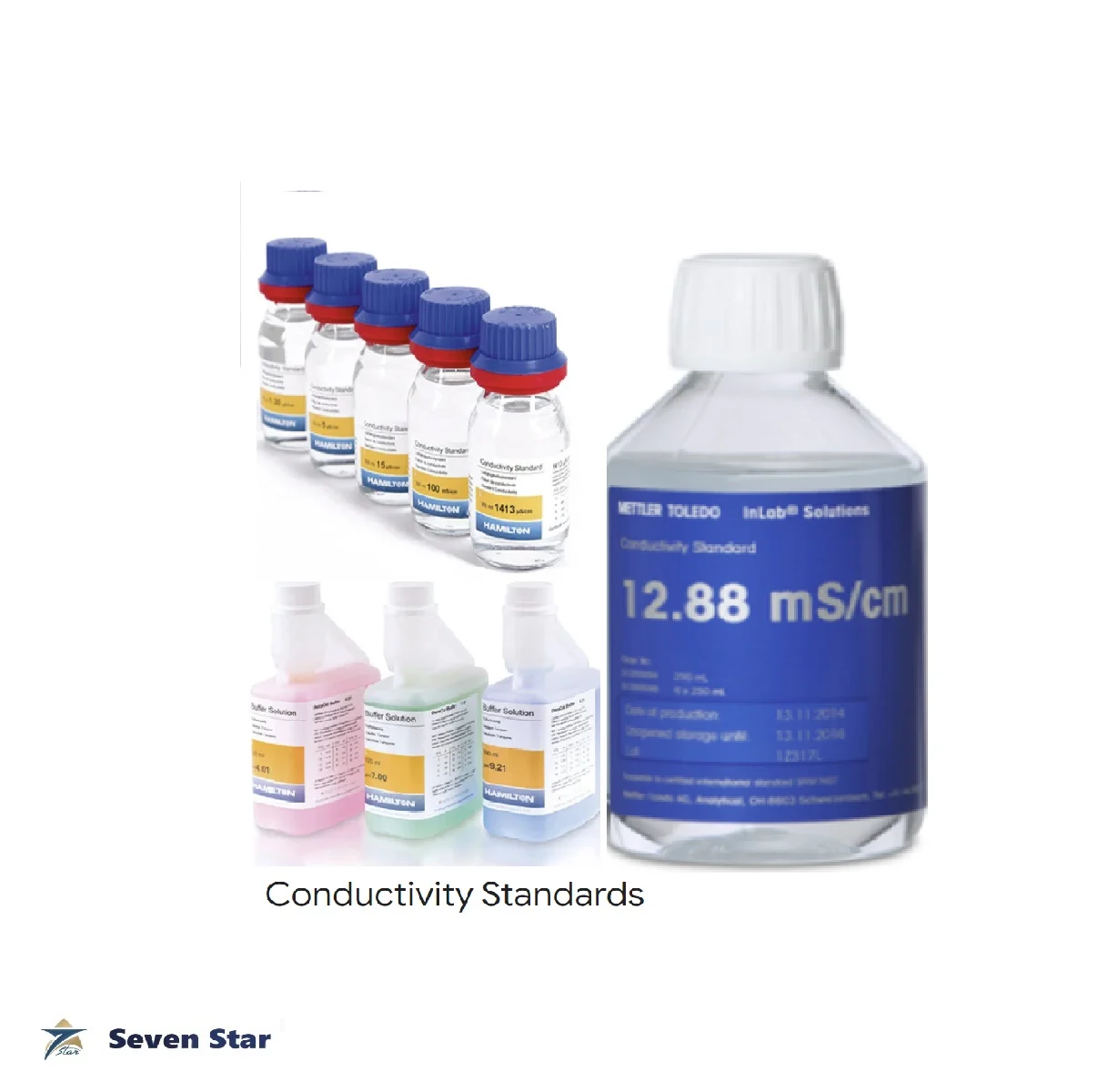
- pH buffer solutions for calibrating pH electrodes.
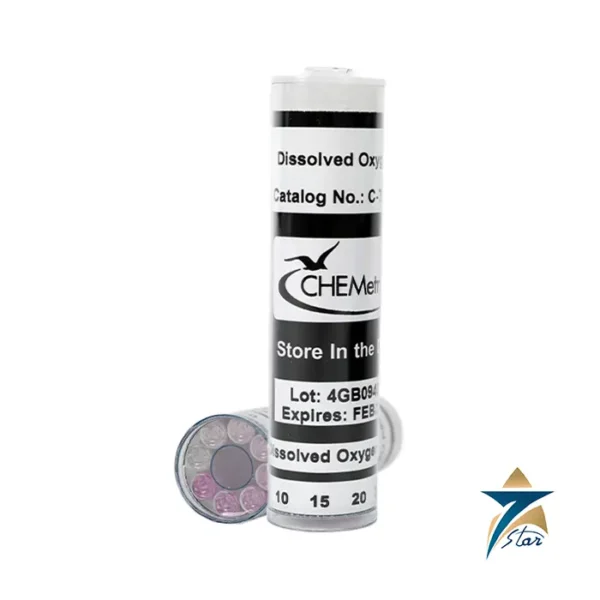
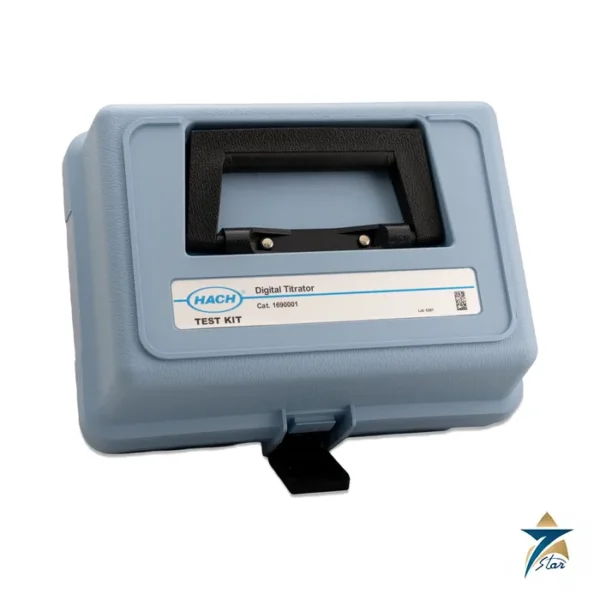
- Dissolved oxygen test ampoules and comparators for low-level checks on boiler feedwater.
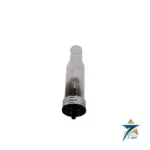
- Hollow cathode lamps for atomic absorption spectrometers.
- TOC analyzer spares: peristaltic pumps, glass reactors, UV emitters and gas drying tubes.
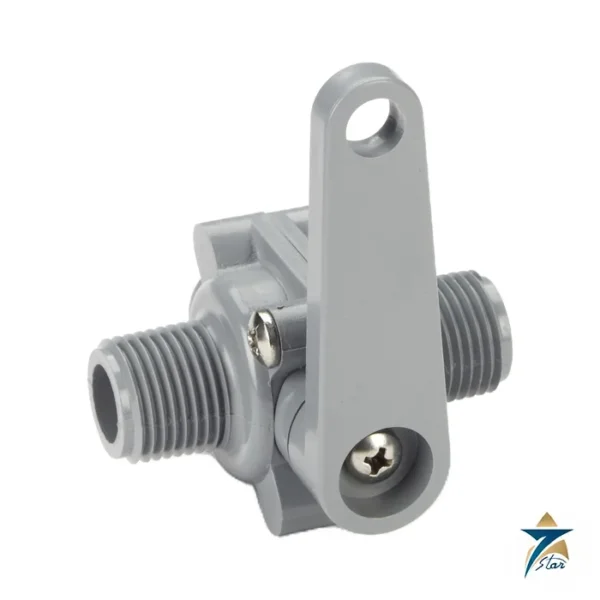
- Reagent dispensers, flow control valves and items from Forbes Marshall.
Choosing the correct consumable for a liquid analyzer
A reagent only works in the method and analyzer it was formulated for. The same parameter is often measured by several methods with different ranges, and each method has its own reagent set, so the analyzer model and the method or range must be stated. Reagents and buffers carry an expiry date, and it makes sense to order quantities that will be used before that date. Many are classified as chemicals for transport, and the manufacturer publishes a safety data sheet for each of them.
Mechanical spares need the same care. Pump heads, reactors and UV lamps are specific to an analyzer type and sometimes to its year of manufacture. Manufacturers also renumber parts, and several listings here show both the old and the new part number for that reason.
What to send for a quotation
Send the manufacturer catalog or part number, the pack size and quantity, and the model of the analyzer the item is for. For hollow cathode lamps, give the element and the make and model of the spectrometer, because lamp diameter and connector differ between instrument makers. We check each number against the manufacturer documentation and offer the manufacturer’s replacement if an item has been superseded.
What to include in your inquiry
These details let us quote the right item the first time.
- Parameter (pH, conductivity, dissolved oxygen, chlorine, turbidity)
- Measuring range
- Process pressure and temperature
- Installation: inline, immersion or flow-through
- Transmitter model the sensor must work with
- Cable length
Missing some of them? Send what you have. A nameplate photo or an old part number is enough to start.