- Automation & ControlView all 2,610 products
- Automation Accessories
- AC Drives
- PLC & I/O Cards
- Industrial Communications
- Vibration Monitoring
- Controllers & Data Acquisition
- Isolator & Barrier
- Safety Switches & Guard Locking
- Motor Soft Starters
- CCTV & Security
- Encoders
- HMI Displays
- Pneumatic Cylinders
- Servo Drives
- Industrial Computers
- Machine Vision
- Automation Software
- Robotics
















Thickness Gauges
Precision Thickness Gauges
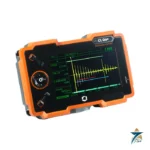
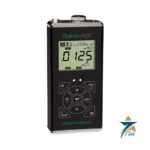
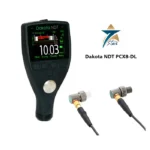
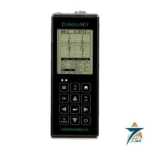
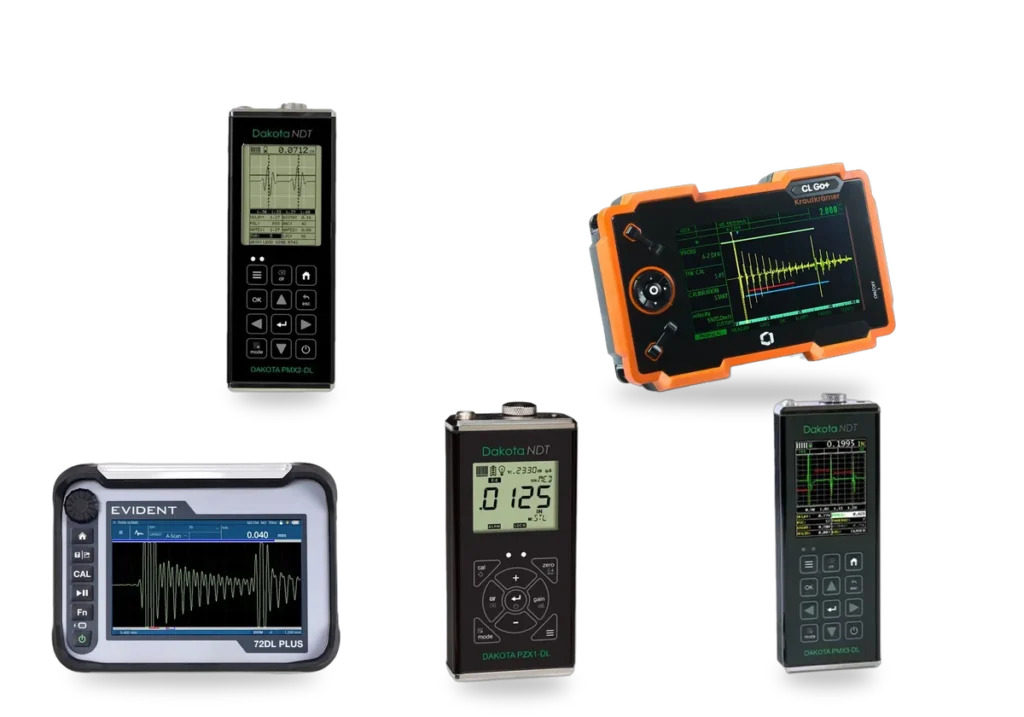
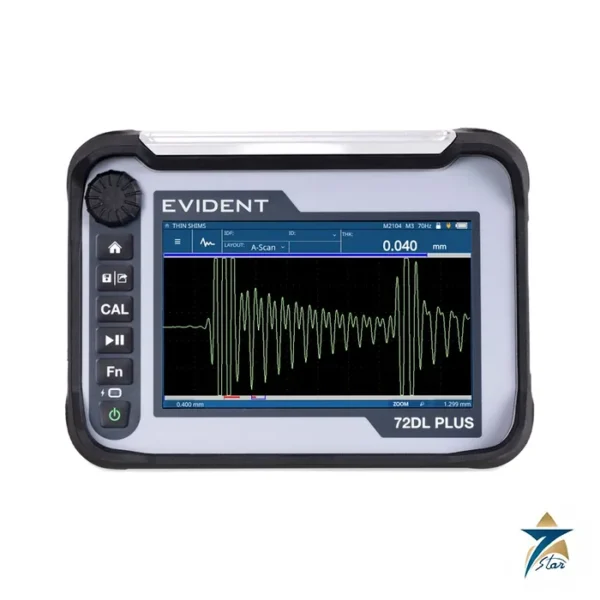
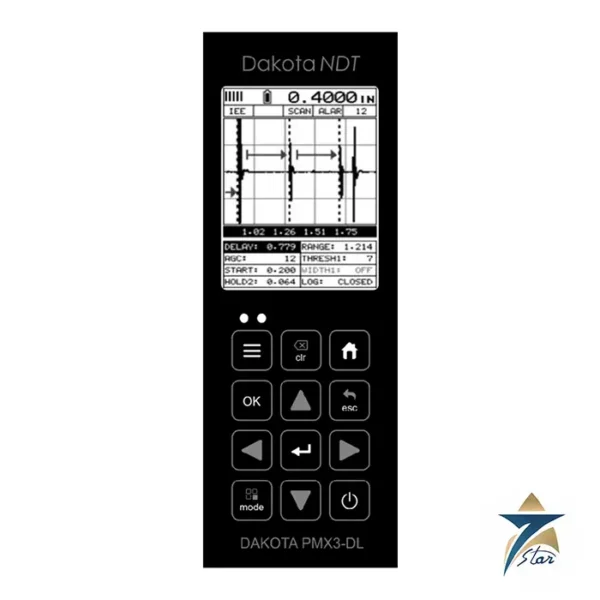
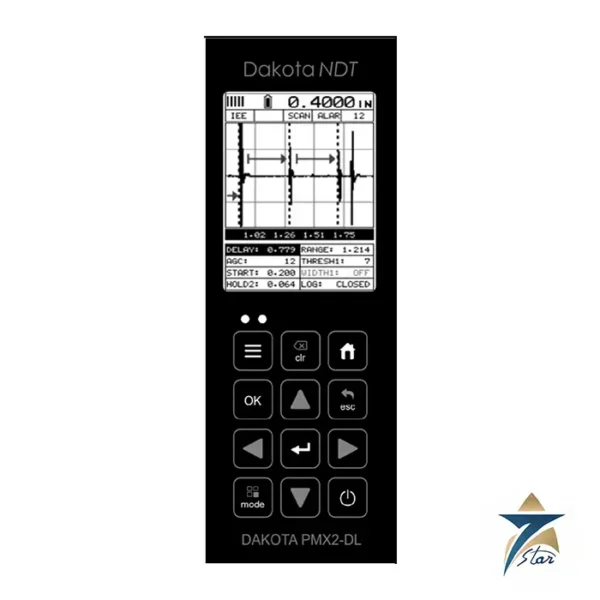
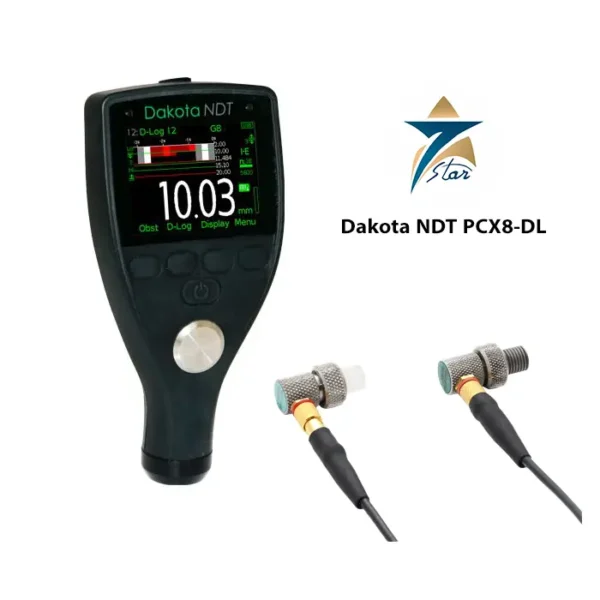
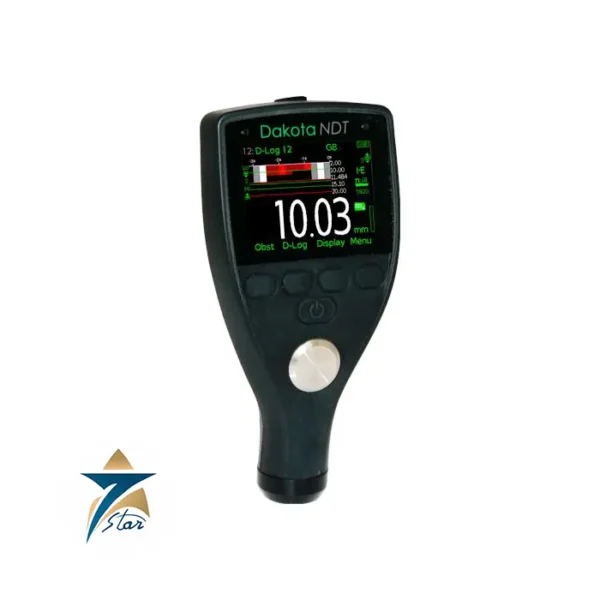
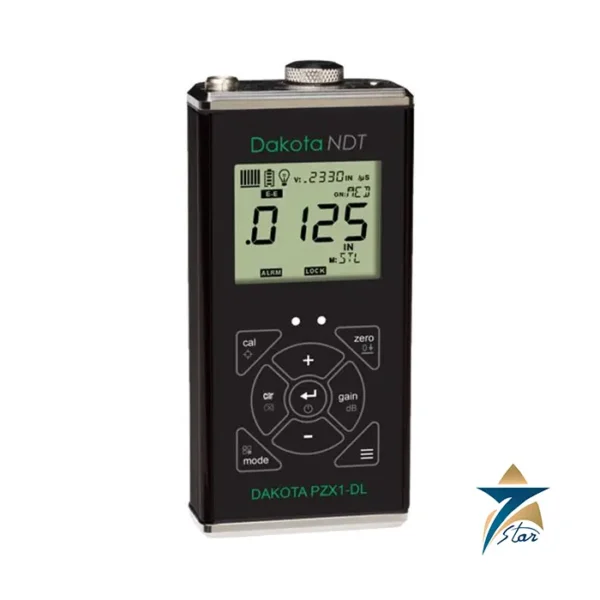
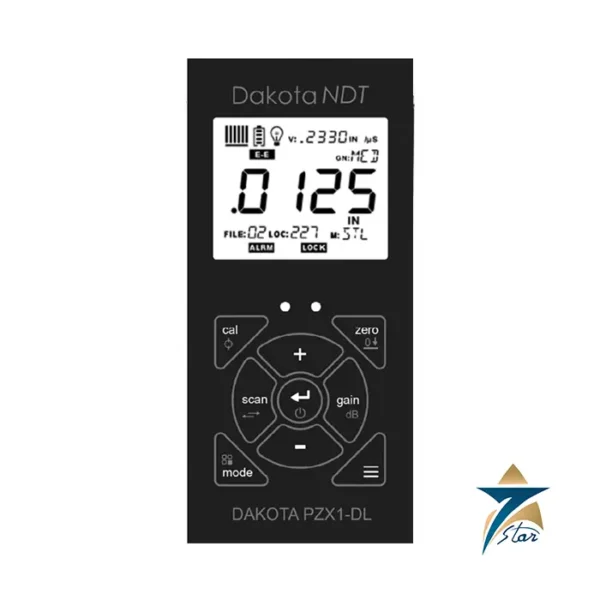
Precision thickness gauges are ultrasonic instruments for thin, smooth materials where fine resolution matters: tubing, sheet metal, machined parts, plastics, glass and composites. The models listed are the Dakota NDT PZX1, PMX2-DL, PMX3-DL and PCX8-DL, plus the Waygate Technologies Krautkramer CL Go+ and the Evident 72DL PLUS. Seven Star LLC is the agency for Dakota NDT in Oman and the GCC. Unlike corrosion gauges, precision ultrasonic thickness gauges work with single element transducers, usually with a delay line.
Read the full category guide- 6 products
- 3 brands



Category guide
About Precision Thickness Gauges
Precision thickness gauges are ultrasonic instruments for thin, smooth materials where fine resolution matters: tubing, sheet metal, machined parts, plastics, glass and composites. The models listed are the Dakota NDT PZX1, PMX2-DL, PMX3-DL and PCX8-DL, plus the Waygate Technologies Krautkramer CL Go+ and the Evident 72DL PLUS. Seven Star LLC is the agency for Dakota NDT in Oman and the GCC.
Unlike corrosion gauges, precision ultrasonic thickness gauges work with single element transducers, usually with a delay line.
How precision ultrasonic thickness gauges differ
A single element probe sends sound straight into the part, with no V-path, so timing is cleaner and the minimum measurable thickness is lower. The delay line separates the transmit pulse from the first echo, and the gauge can time between successive back wall echoes for the best repeatability. This approach needs two reasonably smooth, parallel surfaces. It is the wrong tool for pitted pipe.
Typical uses
Common applications are wall checks on heat exchanger and instrument tubing, incoming inspection of sheet and plate, machined component verification, and plastic pipe or molded part thickness. Fabrication shops and quality departments use them alongside mechanical micrometers where only one side is accessible.
Details to give when you request a quotation
State material, thickness range, required resolution, part geometry including minimum radius, and surface finish. The range here is small, and other models can be sourced on request.
Where precision thickness gauges are used
Precision ultrasonic thickness gauges measure thin materials with high resolution, typically using single-element contact or delay-line transducers at higher frequencies. Typical work includes plastic bottles and pipes, turbine blades, machined parts, thin metal sheet and coatings on one side of a part. Unlike corrosion gauges, they are intended for smooth, parallel surfaces, so they measure from the first back-wall echo or between successive echoes. Calibrate on a sample of the same material, because sound velocity differs between metals, plastics and composites.
What to include in your inquiry
These details let us quote the right item the first time.
- Material and thickness range
- Application (corrosion survey, weld inspection, bolt tension)
- Instrument model, when ordering probes or accessories
- Transducer frequency and type
- Standards the inspection must follow
Missing some of them? Send what you have. A nameplate photo or an old part number is enough to start.