- Automation & ControlView all 2,462 products
- Automation Accessories
- AC Drives
- PLC & I/O Cards
- Industrial Communications
- Vibration Monitoring
- Controllers & Data Acquisition
- Isolator & Barrier
- CCTV & Security
- Motor Soft Starters
- Encoders
- Safety Switches & Guard Locking
- HMI Displays
- Pneumatic Cylinders
- Servo Drives
- Industrial Computers
- Machine Vision
- Automation Software
- Robotics
















Transducers & Accessories
Ultrasonic Transducers
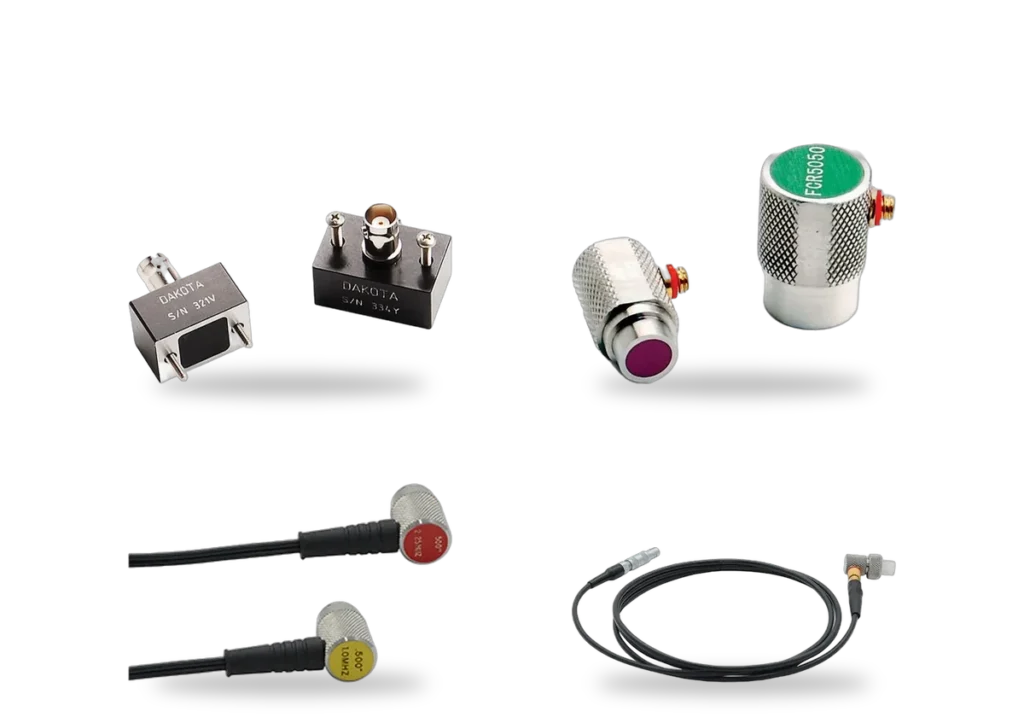
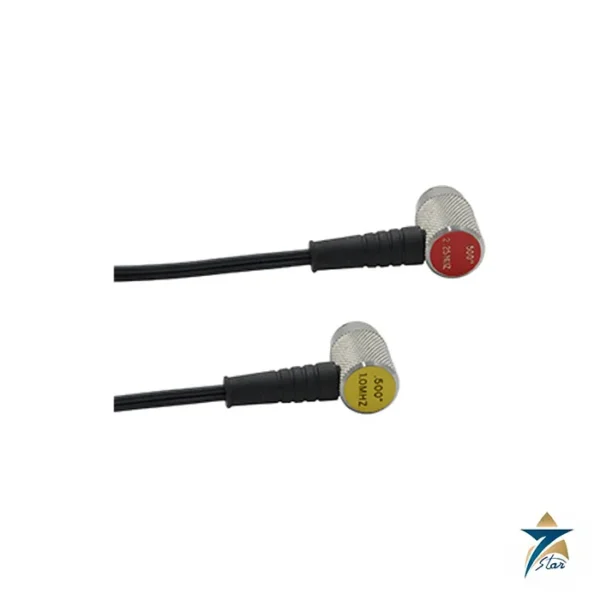
Ultrasonic transducers are the probes that turn an electrical pulse into sound and convert the returning echo back into a signal. This category lists Dakota NDT dual element transducers for corrosion thickness gauges and single element transducers for precision ultrasonic thickness gauging, plus shear wave transducers for flaw detectors and transducers for bolt tension monitors. Seven Star LLC is the agency for Dakota NDT in Oman and the GCC. Each family covers several frequencies and diameters, so the right NDT transducer is chosen from the material, thickness and surface in front of it.
Read the full category guide- 5 products
- 2 brands
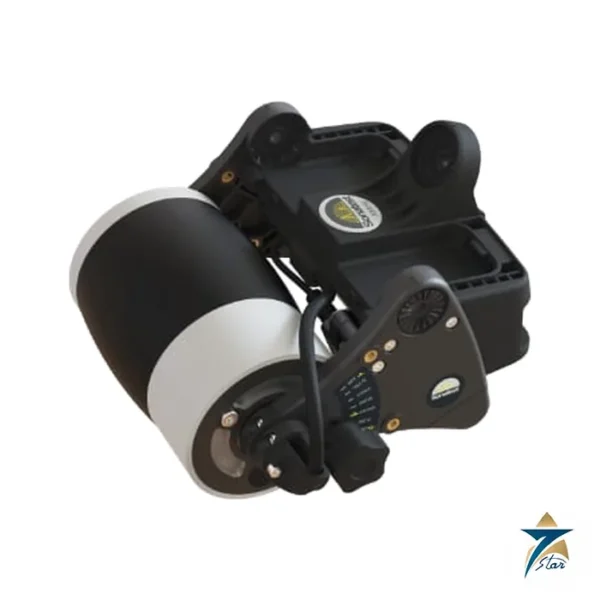
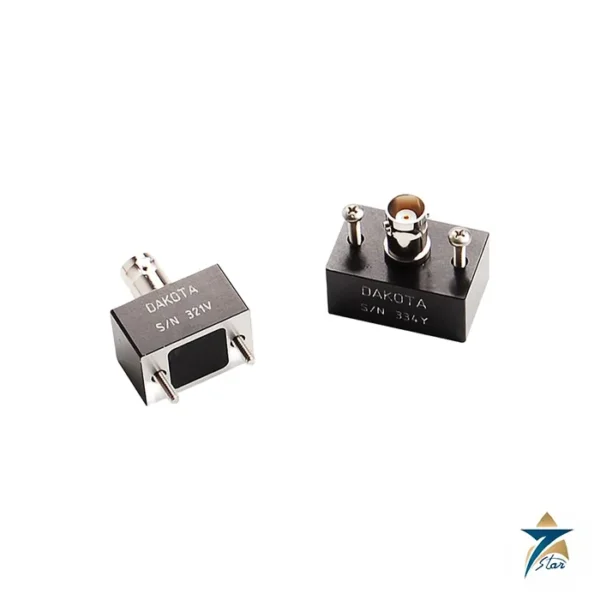
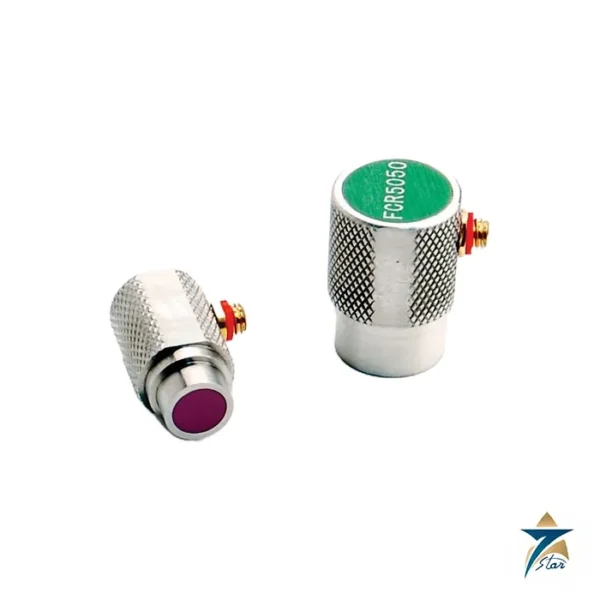
Category guide
About Ultrasonic Transducers
Ultrasonic transducers are the probes that turn an electrical pulse into sound and convert the returning echo back into a signal. This category lists Dakota NDT dual element transducers for corrosion thickness gauges and single element transducers for precision ultrasonic thickness gauging, plus shear wave transducers for flaw detectors and transducers for bolt tension monitors. Seven Star LLC is the agency for Dakota NDT in Oman and the GCC.
Each family covers several frequencies and diameters, so the right NDT transducer is chosen from the material, thickness and surface in front of it.
Dual element and single element NDT transducers
Dual element probes carry separate transmit and receive crystals and are used for corrosion surveys on pitted pipe, tanks and vessels. High temperature versions exist for in-service lines. Single element transducers use one crystal, often behind a replaceable delay line, and suit thin, smooth materials. The two types are not interchangeable on the same gauge mode.
Selection parameters
Specify frequency, element diameter, connector type, cable arrangement (fixed or detachable, top or side entry) and maximum surface temperature. Low frequency penetrates thick or coarse material. High frequency resolves thin sections. Contact probes wear, so inspection teams usually hold spares for each gauge.
Sourcing probes for other instruments
Four transducer families are listed at present. Immersion transducers and probes for other gauge and flaw detector models can be sourced on request. Send the instrument model and the part number on the existing probe.
Choosing ultrasonic transducers
Transducer frequency, element size and type determine what a gauge or flaw detector can measure. Higher frequencies resolve thin walls and small flaws; lower frequencies penetrate thick or coarse-grained material such as castings. Dual-element probes suit corrosion measurement on rough or pitted surfaces, and delay-line probes suit thin materials. High-temperature probes are needed for in-service readings on hot lines. The connector type and cable must match the instrument.
What to include in your inquiry
These details let us quote the right item the first time.
- Material and thickness range
- Application (corrosion survey, weld inspection, bolt tension)
- Instrument model, when ordering probes or accessories
- Transducer frequency and type
- Standards the inspection must follow
Missing some of them? Send what you have. A nameplate photo or an old part number is enough to start.