- Automation & ControlView all 2,894 products
- Automation Accessories
- AC Drives
- PLC & I/O Cards
- Industrial Communications
- Vibration Monitoring
- Controllers & Data Acquisition
- Isolator & Barrier
- Safety Switches & Guard Locking
- Motor Soft Starters
- CCTV & Security
- Encoders
- Pneumatic Cylinders
- HMI Displays
- Servo Drives
- Industrial Computers
- Machine Vision
- Automation Software
- Robotics
















Welding Equipment
Welding Robots & Automation
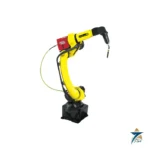
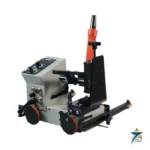
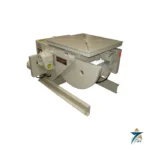
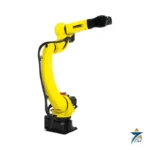
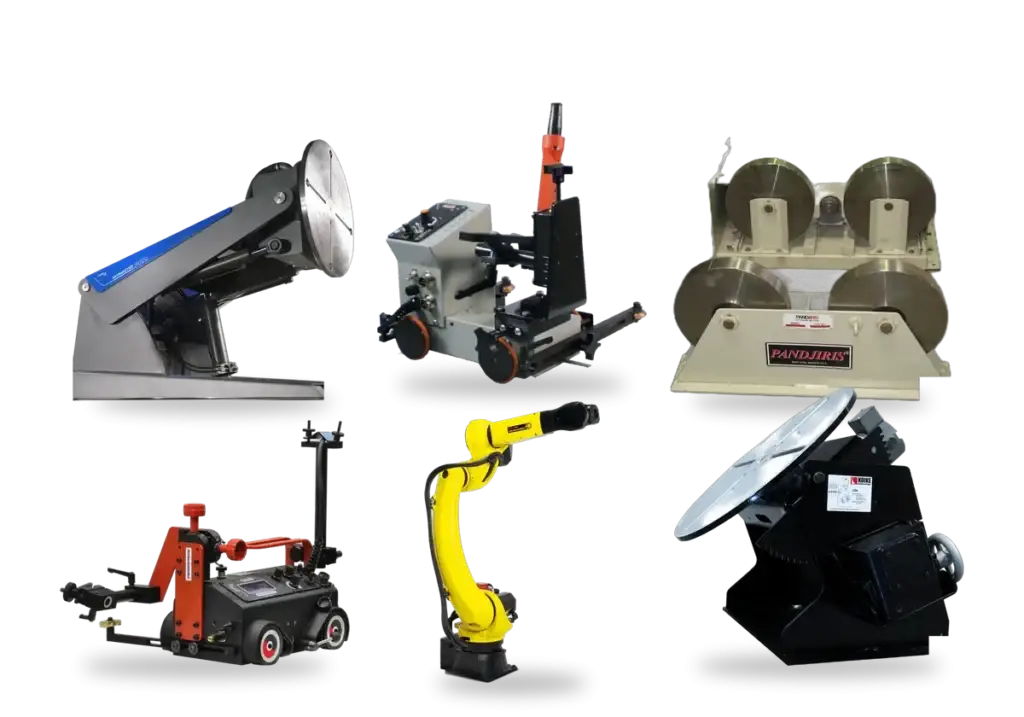
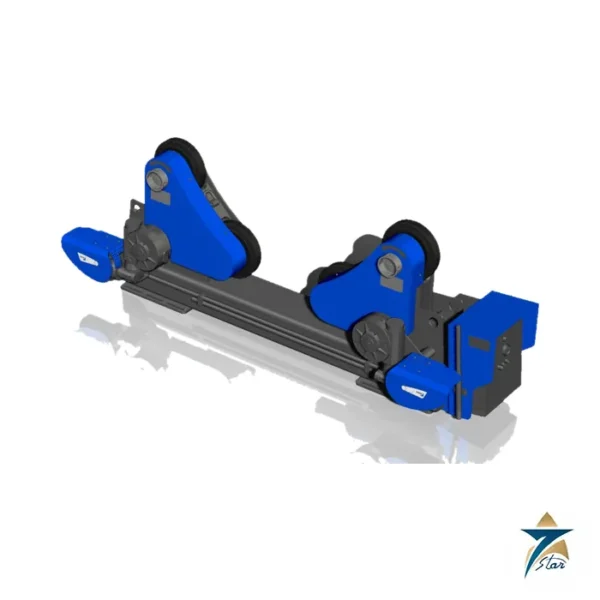
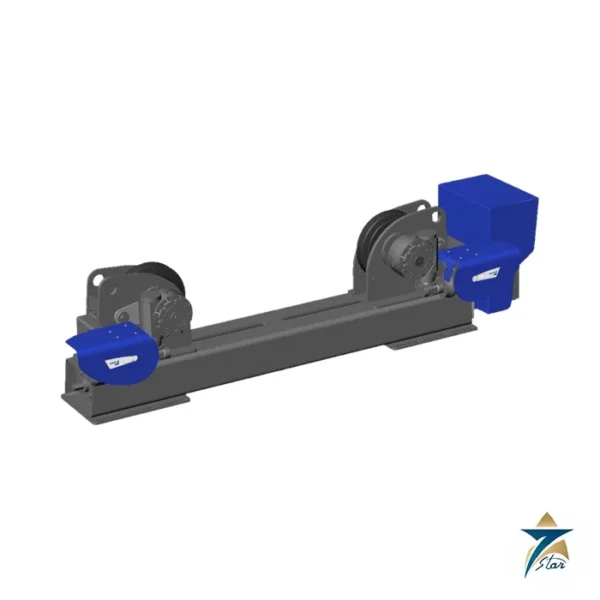
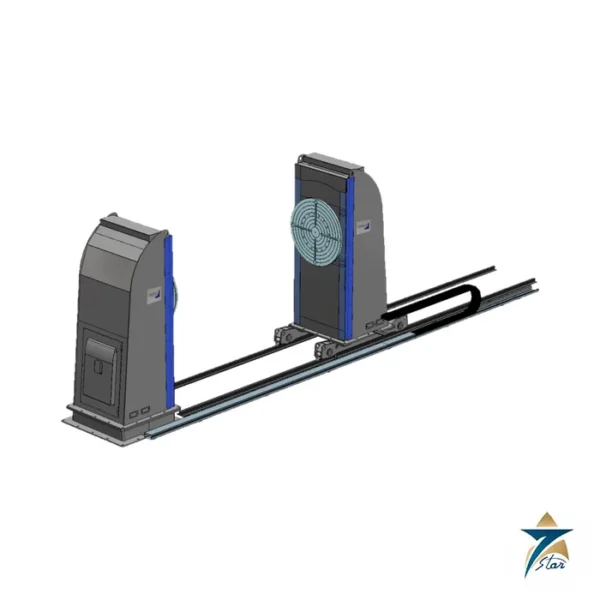
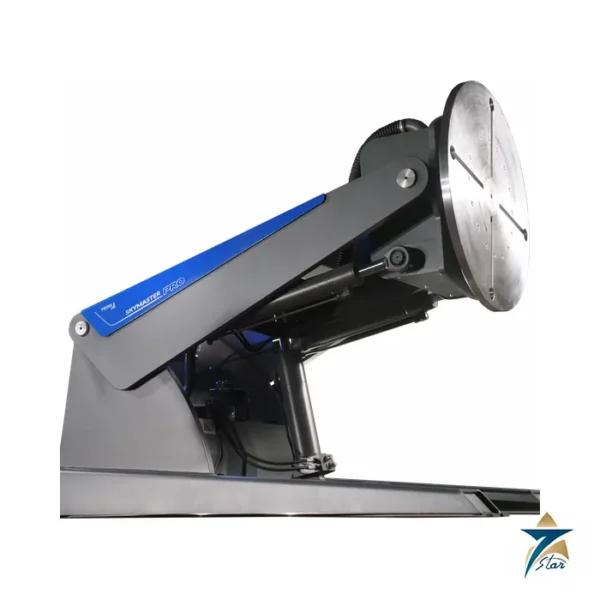
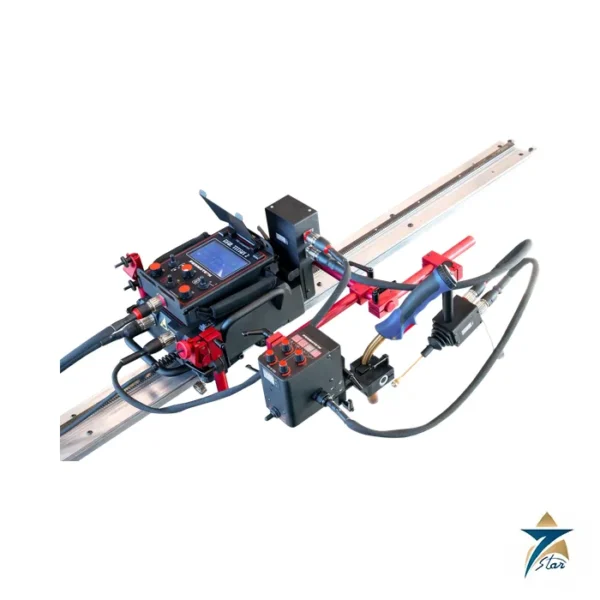
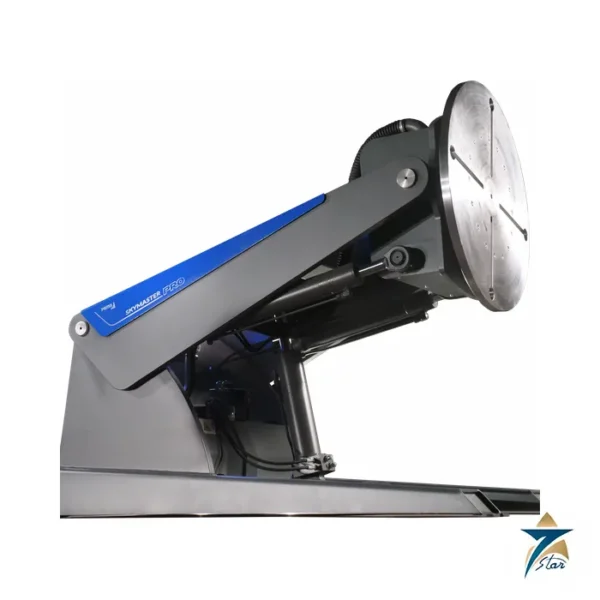
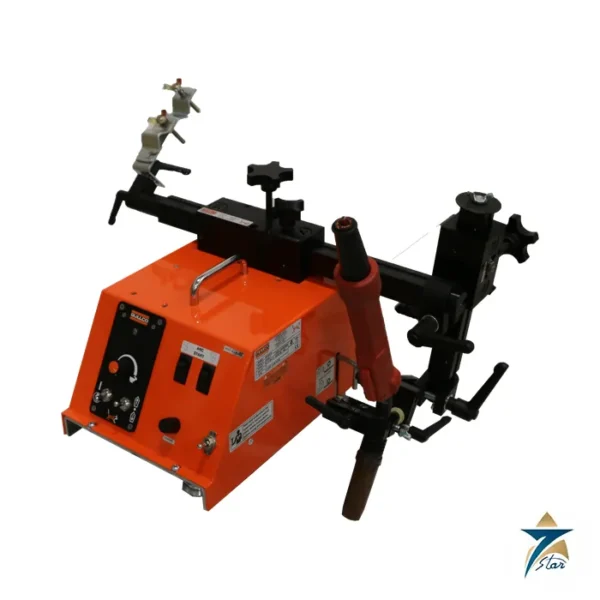
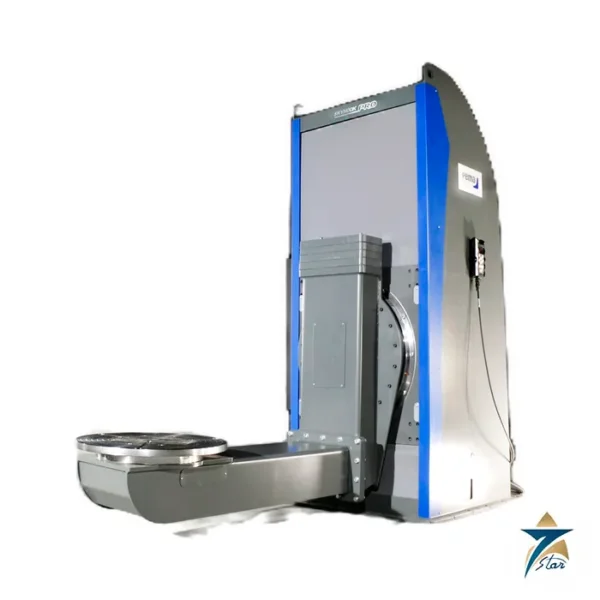
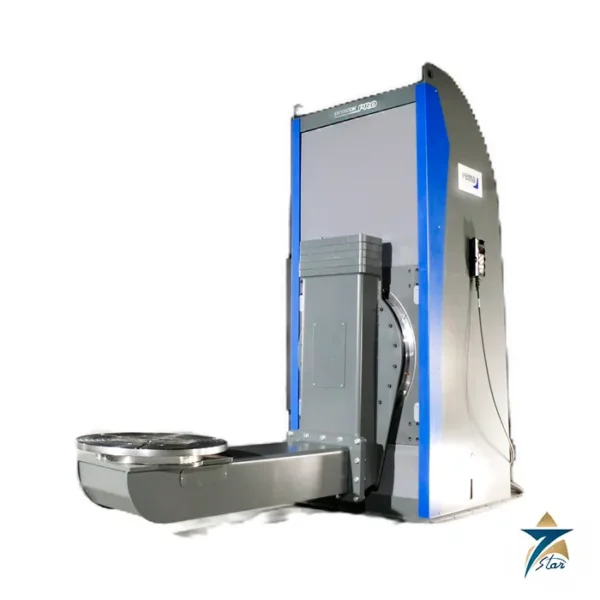
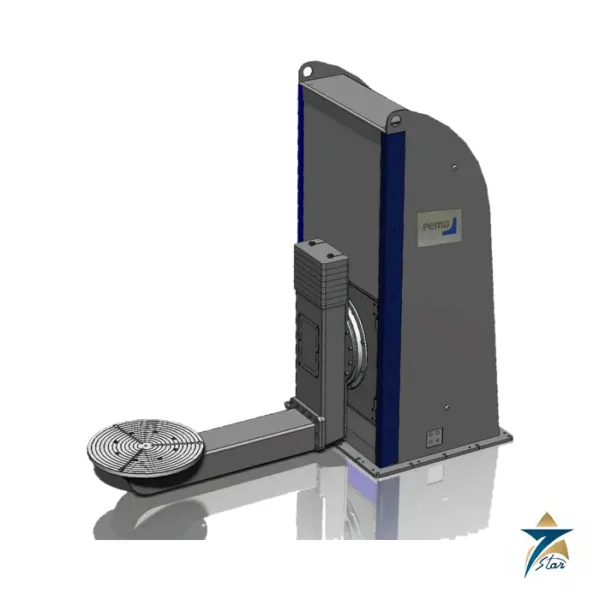
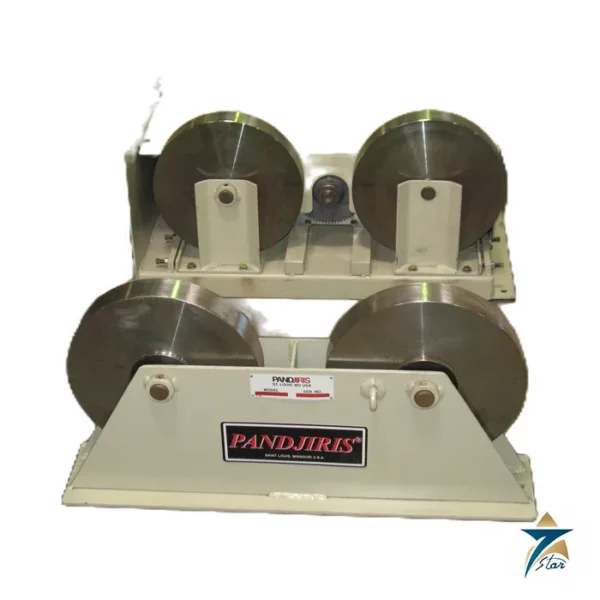
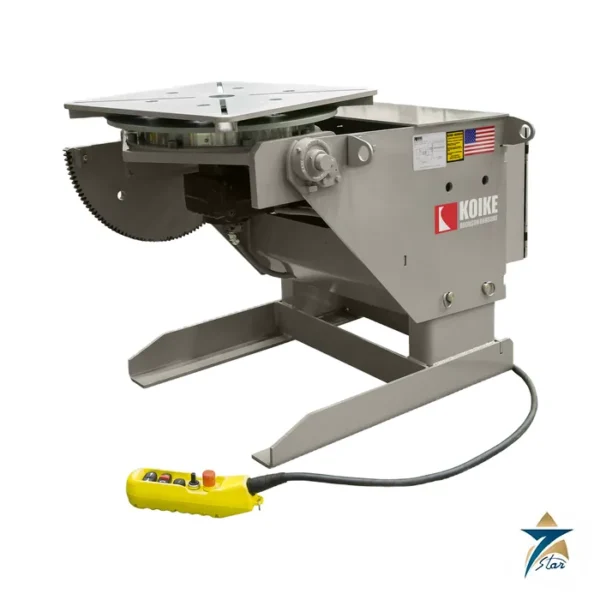
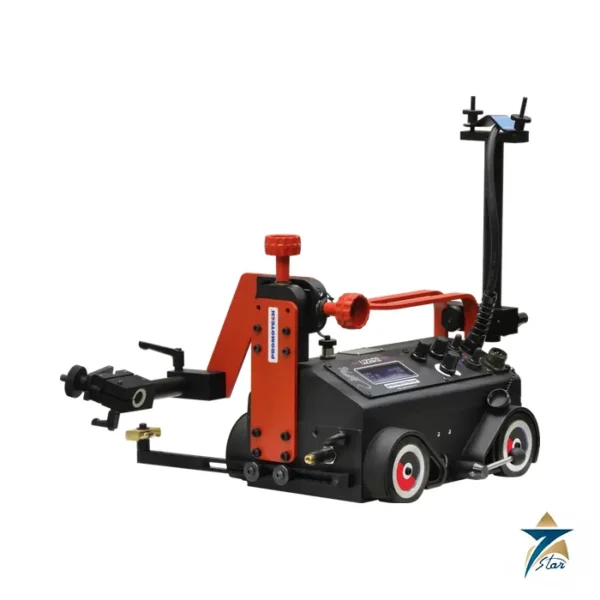
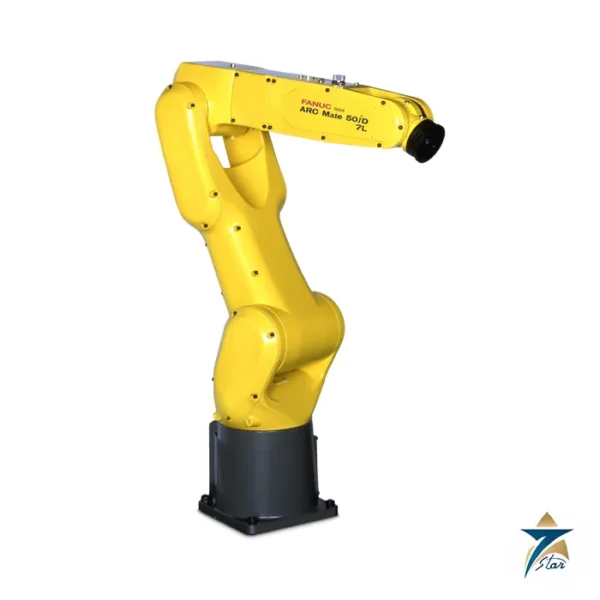
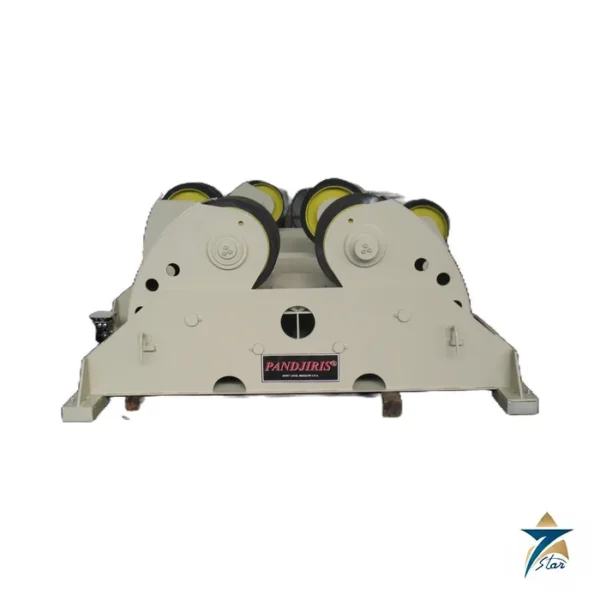
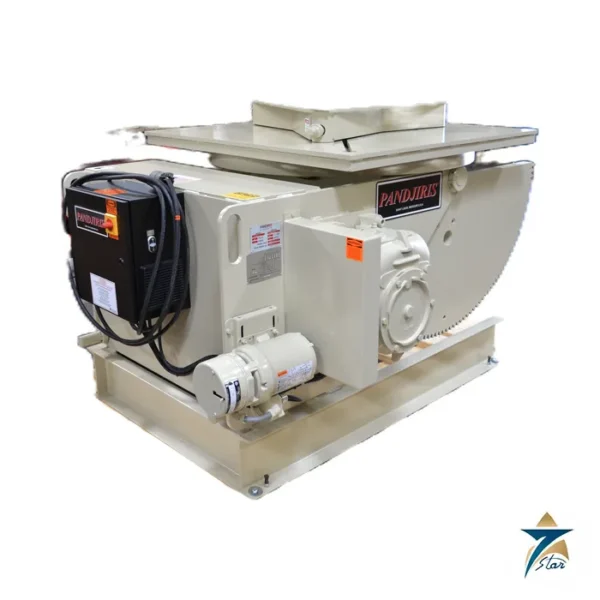
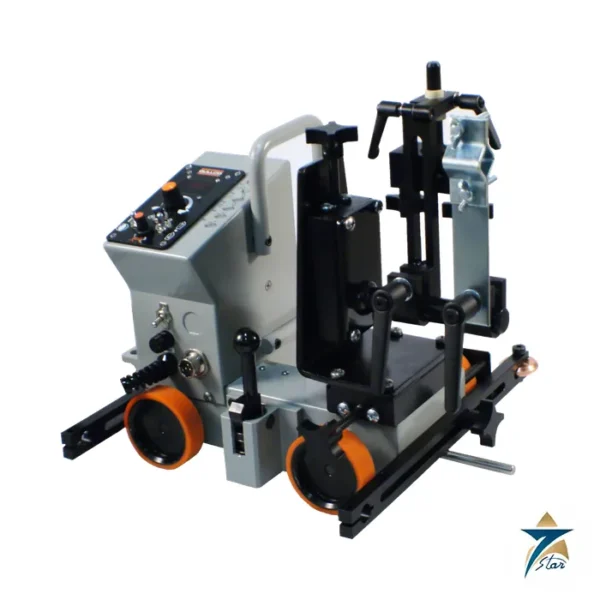
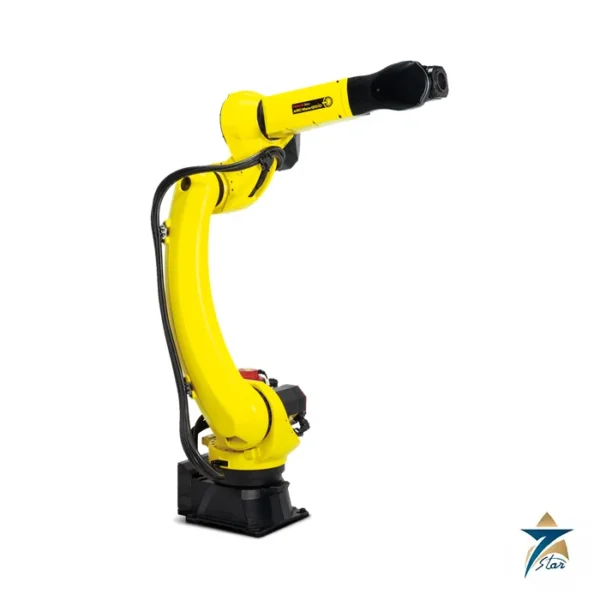
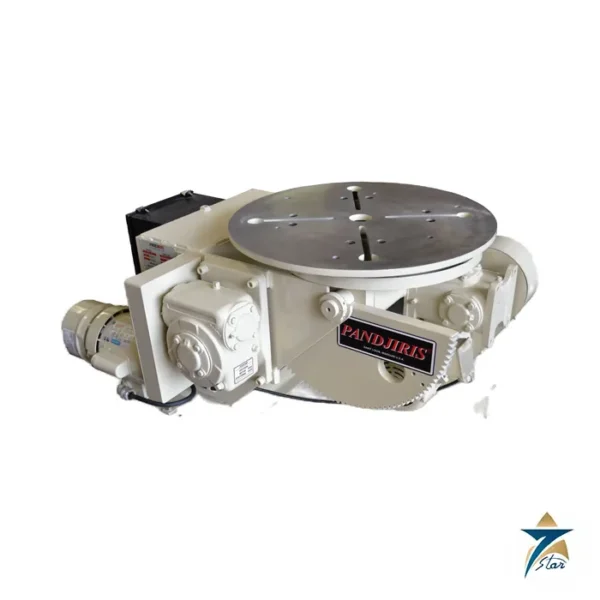
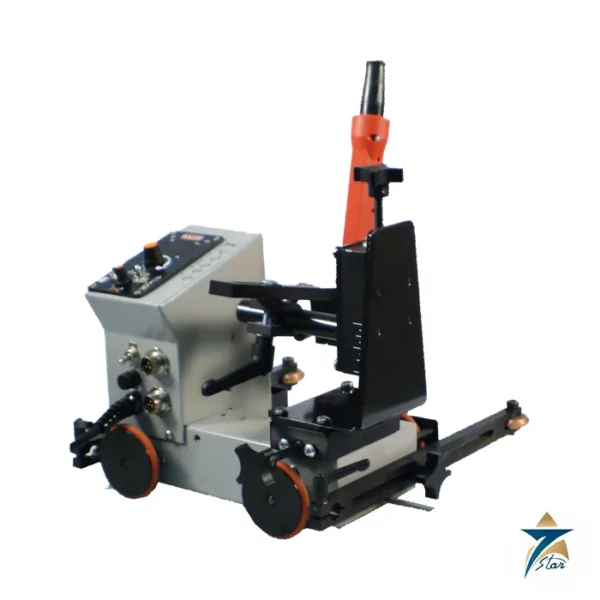
Welding robots and automation equipment take over repetitive arc welding, holding torch angle, travel speed and stick-out the same on every part. This category lists FANUC ARC Mate arc welding robots, welding positioners and turning rolls from Pandjiris and Koike Aronson, and welding carriages and tractors from Gullco and Promotech, for buyers in Oman. Seven Star LLC is building this range gradually. Other robot models, positioners and related equipment can be sourced on request, and we check each configuration against the manufacturer documentation before quoting.
Read the full category guide- 27 products
- 6 brands
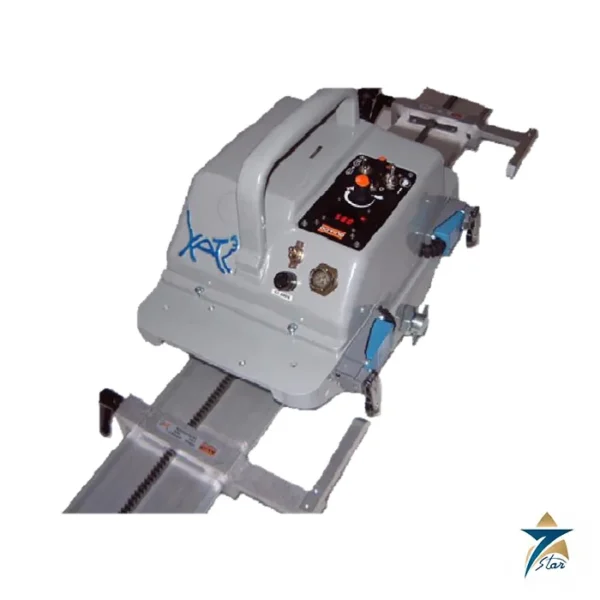
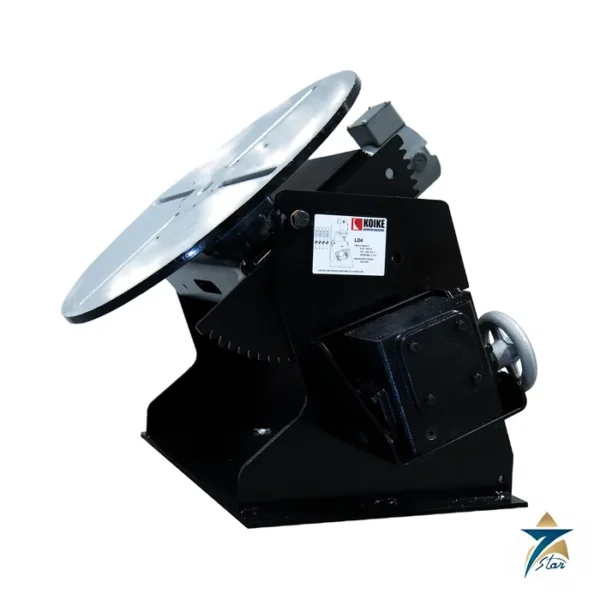
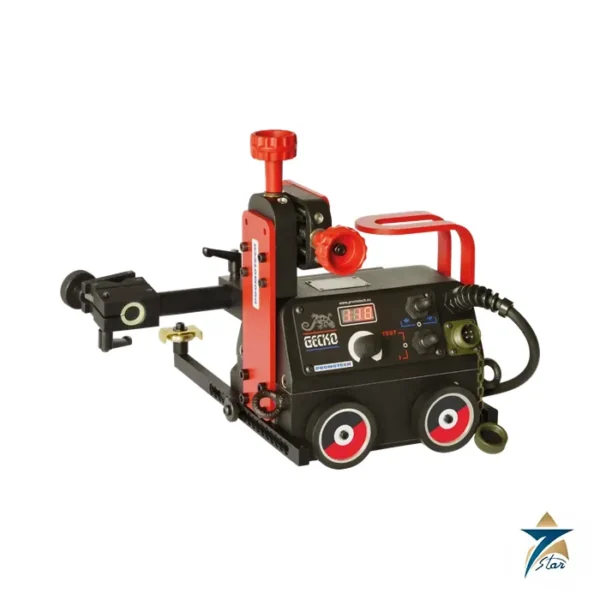
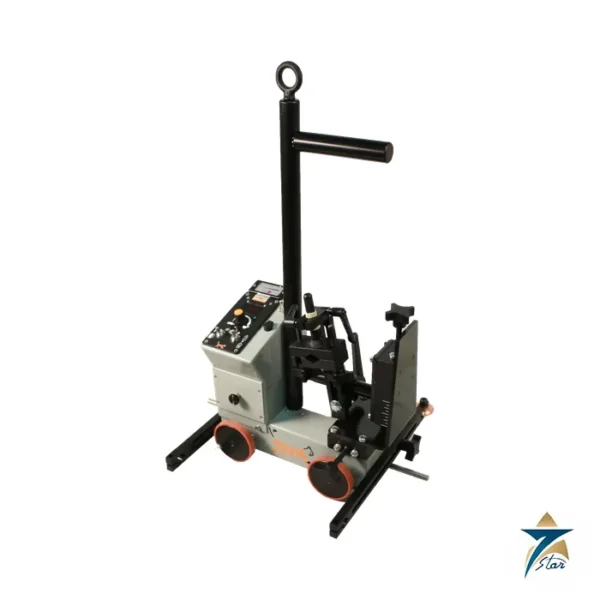
Category guide
About Welding Robots & Automation
Welding robots and automation equipment take over repetitive arc welding, holding torch angle, travel speed and stick-out the same on every part. This category lists FANUC ARC Mate arc welding robots, welding positioners and turning rolls from Pandjiris and Koike Aronson, and welding carriages and tractors from Gullco and Promotech, for buyers in Oman. Seven Star LLC is building this range gradually. Other robot models, positioners and related equipment can be sourced on request, and we check each configuration against the manufacturer documentation before quoting.
What a robotic arc welding cell consists of
The robot arm is one part of a working cell. A complete system also needs the robot controller and teach pendant, a welding power source with a robot interface, a wire feeder and robotic torch, a torch cleaning station, fixtures or a positioner to hold the part, and guarding with safety interlocks. Options such as touch sensing and through-arc seam tracking help the robot find and follow the joint when parts vary slightly. MIG/MAG is the most common robotic process, with TIG and plasma used on thin or high-quality work.
When robotic welding makes sense, and what to send us
Robots pay off on repeat parts with consistent fit-up, such as frames, brackets, skids and pipe supports made in batches. Fabricators in the GCC usually begin with one part family. Send part drawings with weights and dimensions, material and thickness, joint types, annual quantity, the welding process and wire, and the power source brand you prefer. Tell us if the arm alone or a wider scope is needed.
What to include in your inquiry
These details let us quote the right item the first time.
- Welding process (MIG/MAG, TIG, MMA, SAW, plasma)
- Current range and duty cycle
- Supply voltage and phases
- Material and thickness to be welded
- Accessories needed (torch, wire feeder, cooler)
Missing some of them? Send what you have. A nameplate photo or an old part number is enough to start.