- Vibration Monitoring
- PLC & I/O Cards
- Industrial Communications
- Automation Accessories
- Controllers & Data Acquisition
- AC Drives
- Isolator & Barrier
- Industrial Computers
- Encoders
- Safety Switches & Guard Locking
- Automation Software
- HMI Displays
- Motor Soft Starters
- Robotics
- Servo Drives
- CCTV & Security
- Pneumatic Cylinders
- Machine Vision
Solar Power
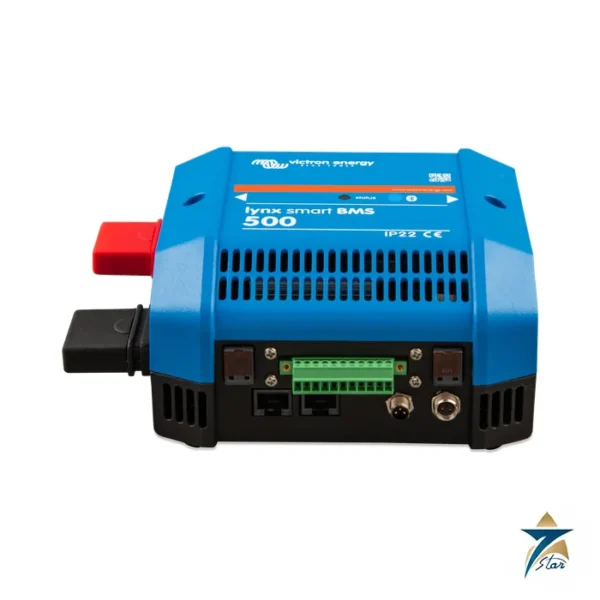
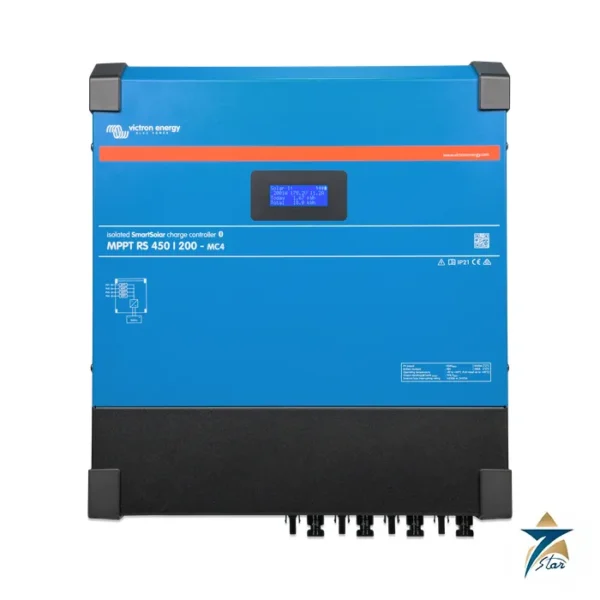
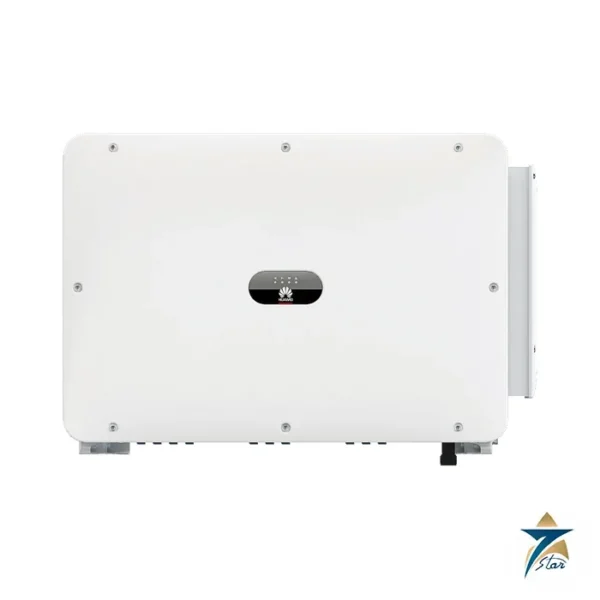
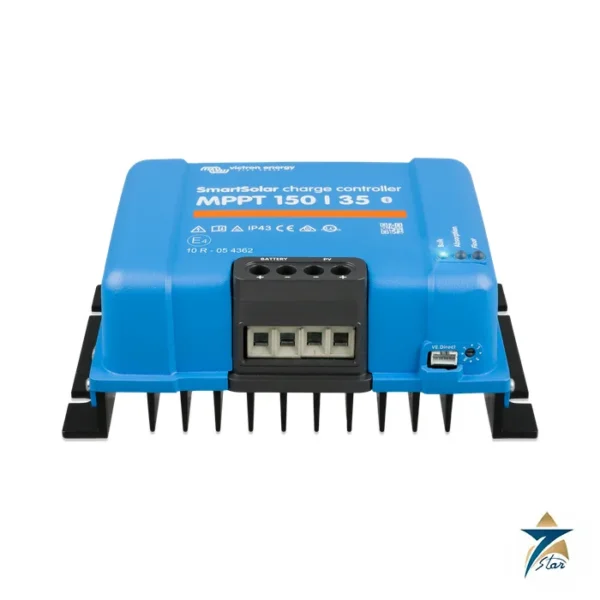
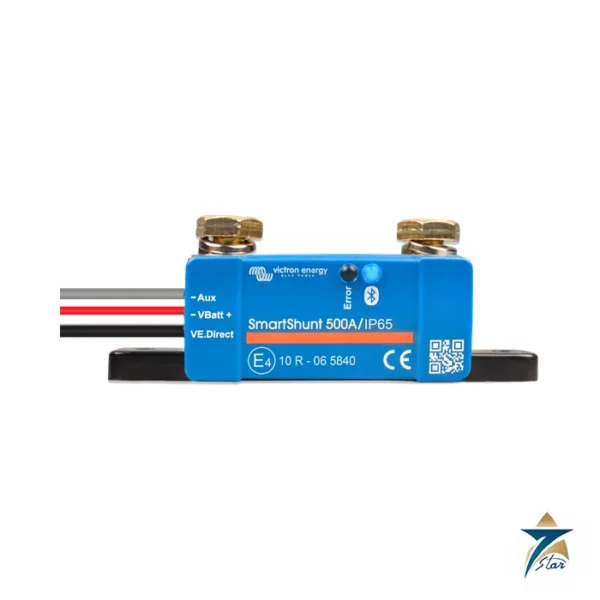
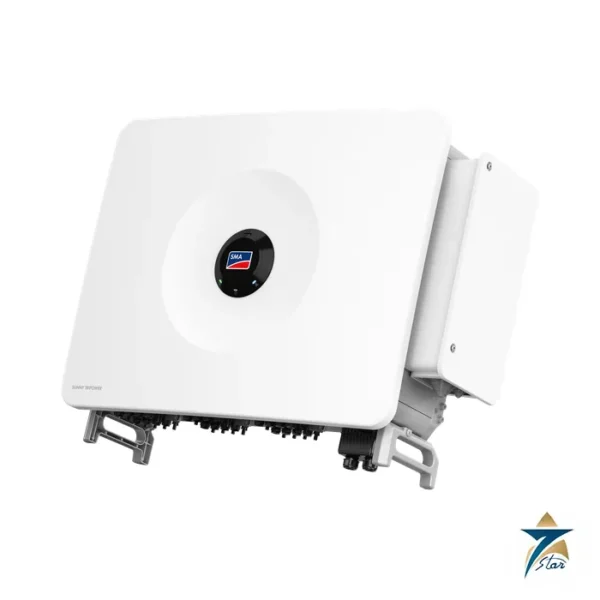
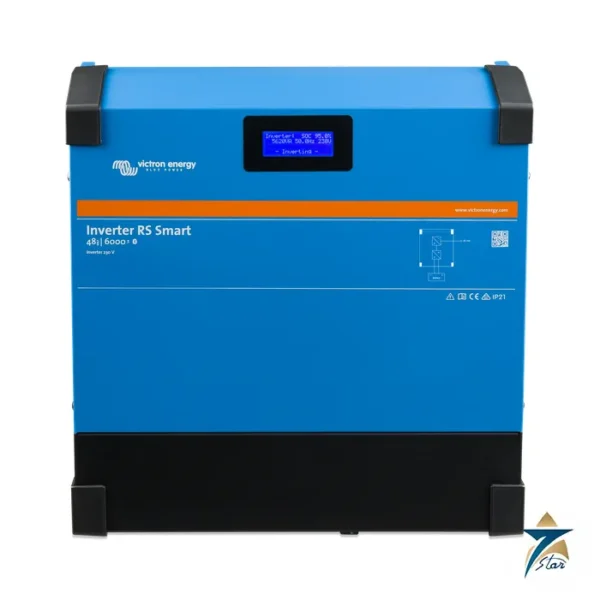
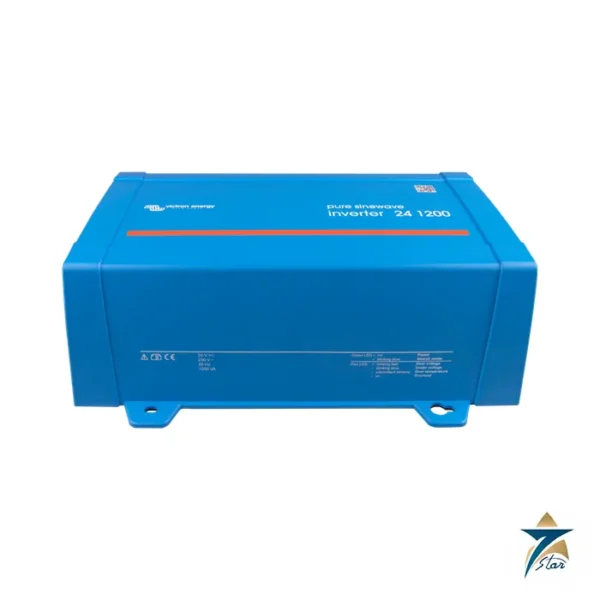
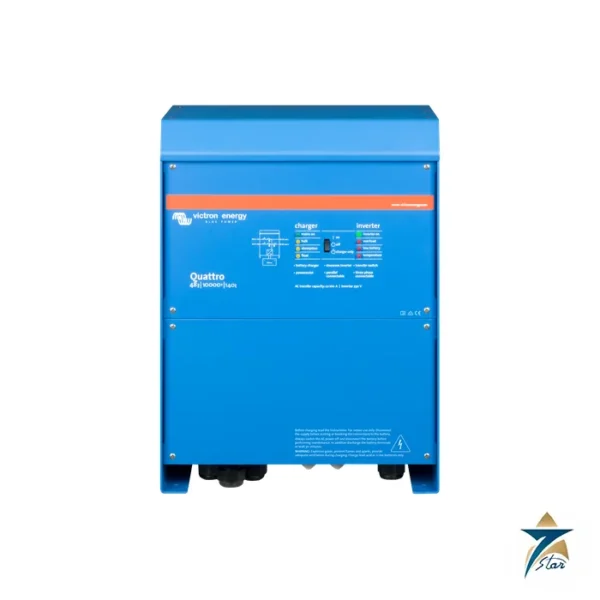
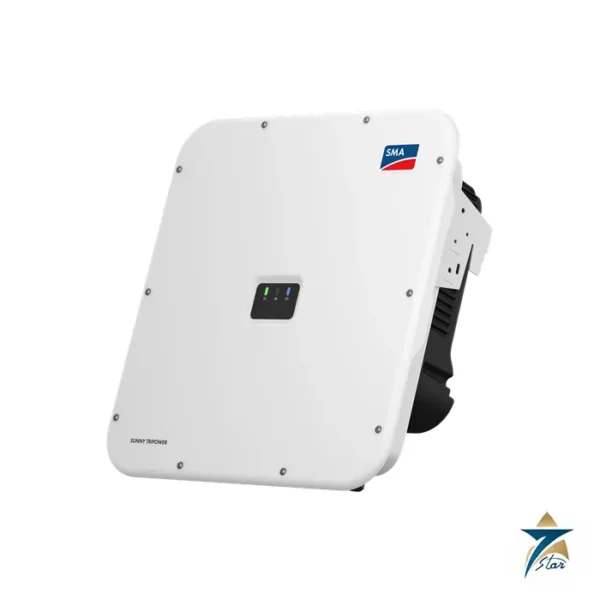
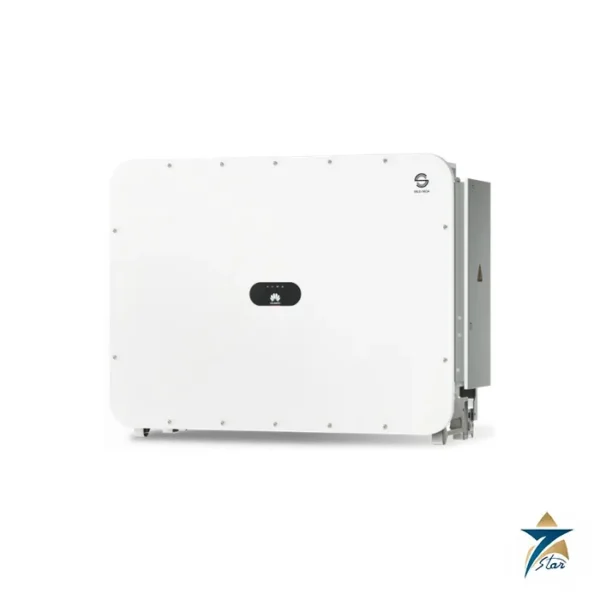
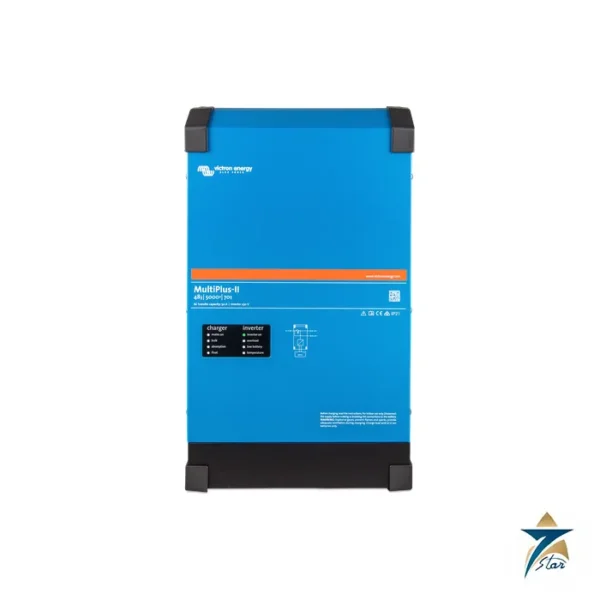
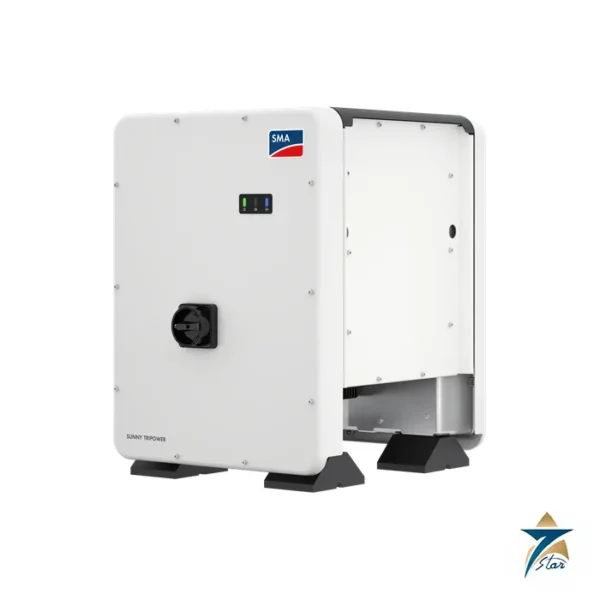
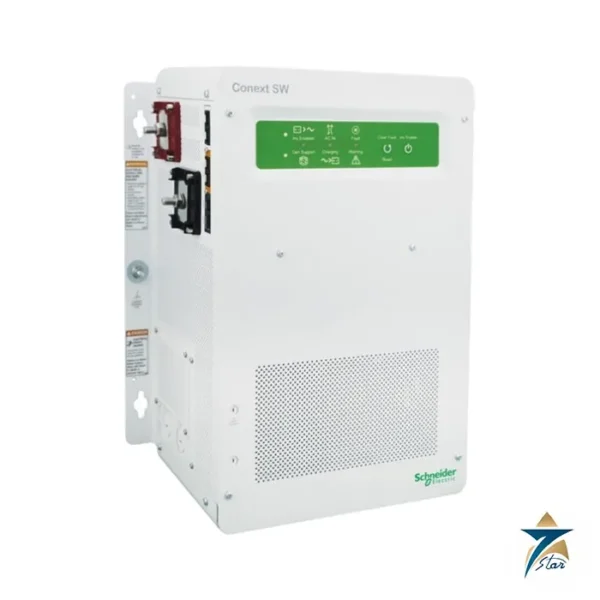
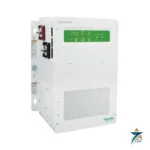
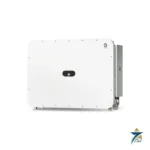
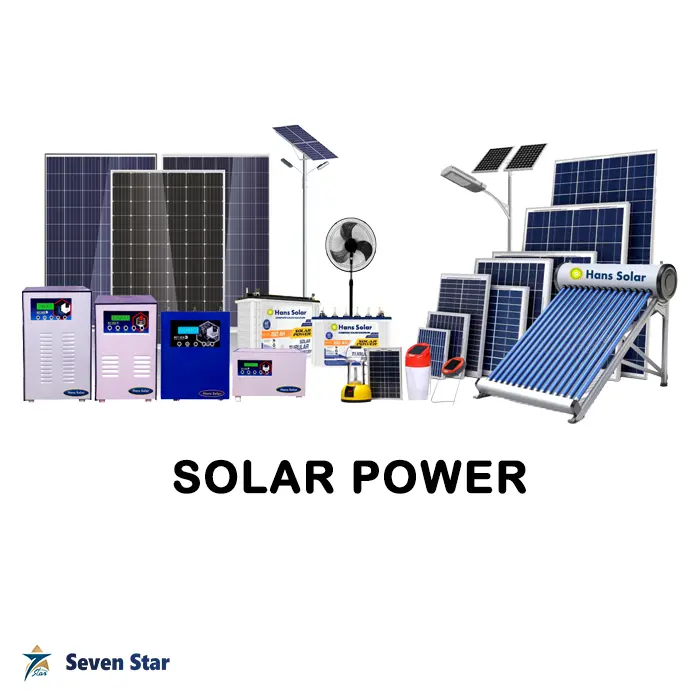
The Solar Power category is a group of solar inverters and inverter/chargers supplied by Seven Star LLC from Muscat, Oman. At present it lists three-phase string inverters from SMA and Huawei, battery-based inverters and inverter/chargers from Victron Energy and Schneider Electric, Victron charge controllers, battery monitors and system controllers, and a portable power bank with an AC outlet. The range is growing, and other solar power inverter models, sizes and accessories from these manufacturers can be sourced on request.
Read more about Solar Power ↓ Category guide
About Solar Power
15 products · 4 brands
The Solar Power category is a group of solar inverters and inverter/chargers supplied by Seven Star LLC from Muscat, Oman. At present it lists three-phase string inverters from SMA and Huawei, battery-based inverters and inverter/chargers from Victron Energy and Schneider Electric, Victron charge controllers, battery monitors and system controllers, and a portable power bank with an AC outlet. The range is growing, and other solar power inverter models, sizes and accessories from these manufacturers can be sourced on request.
Grid-tied string inverters and battery-based inverter/chargers
The two inverter types do different jobs. A grid-tied string inverter converts DC from the photovoltaic strings into AC that is synchronized to the utility or to a generator bus, and it shuts down when that reference is lost. An inverter/charger works with a battery bank. It forms its own AC output for the loads, charges the battery from the grid, a generator or solar, and transfers between sources. Sites that want solar energy to keep working during an outage need the second type, or a combination of both.
Data needed to select a solar inverter
Send the AC voltage, frequency and number of phases, the required AC power, the PV array size with module data and string layout, and the battery voltage and chemistry if storage is included. Say also if the system has to run in parallel with a diesel generator, because that changes the control equipment required. We check the model code against the manufacturer documentation before quoting, for projects in the Sultanate and the wider GCC, and provide the manufacturer’s datasheet on request.
What to include in your inquiry
These details let us quote the right item the first time.
- Required power (kVA or kW)
- Voltage and frequency
- Backup time, for UPS and batteries
- Engine or generator model and serial number, for spare parts
- Site conditions (ambient temperature, indoor or outdoor)
- Quantity
Missing some of them? Send what you have. A nameplate photo or an old part number is enough to start.

Brands in Solar Power
All brands →Related categories
Most viewed in Solar Power
Guides and articles
All articles →Request a Quote for Solar Power
Looking for a specific model, part number or brand in Solar Power? Send us your requirements and quantities. Seven Star LLC sources genuine industrial equipment for customers across Oman and the GCC and replies with a formal quotation.
- Genuine OEM products
- Supply across Oman & the GCC
- Formal quotation from our sales team
Free, no-obligation quotation · takes about 1 minute
Other enquiries: [email protected] · WhatsApp
Frequently Asked Questions
No. A grid-tied inverter needs a live AC reference and is required to disconnect when the grid is lost, a protection function known as anti-islanding. To keep loads running during an outage the system needs a battery-based inverter/charger that can form its own AC supply, either on its own or coupled with the grid-tied inverter in a configuration the manufacturer approves.
It can, with some conditions. The generator provides the voltage and frequency reference, and the solar output must be limited so the generator never falls below its minimum load or sees reverse power. This is normally done by a PV-diesel controller or by the control functions built into the inverter system. Give us the generator rating and the load profile so the right equipment can be identified.
Three checks are made with the module datasheet. The string open-circuit voltage at the lowest expected cell temperature must stay below the maximum DC input voltage. The operating voltage at the highest cell temperature must stay inside the MPPT window. The string current must not exceed the current limit of each input. Most manufacturers publish a design tool for this calculation.
Every inverter has a derating curve in its datasheet: above a certain ambient temperature the unit reduces its output power to protect the electronics. In Gulf summers this is a real design factor. Mount the inverter in shade with free air circulation, respect the clearances in the manual, and check the enclosure protection rating against dust and washing-down at the site.
Inverter/chargers work with lead-acid batteries and with lithium batteries, but the conditions differ. Lead-acid only needs the correct charge voltages and temperature compensation. A lithium battery has its own battery management system, and that system usually has to communicate with the inverter. Check the manufacturer's list of compatible batteries before buying either component, and tell us the battery voltage and model.