- Vibration Monitoring
- PLC & I/O Cards
- Industrial Communications
- Automation Accessories
- Controllers & Data Acquisition
- AC Drives
- Isolator & Barrier
- Industrial Computers
- Encoders
- Safety Switches & Guard Locking
- Automation Software
- HMI Displays
- Motor Soft Starters
- Servo Drives
- CCTV & Security
- Robotics
- Pneumatic Cylinders
- Machine Vision


Category guide
About Electric Motors
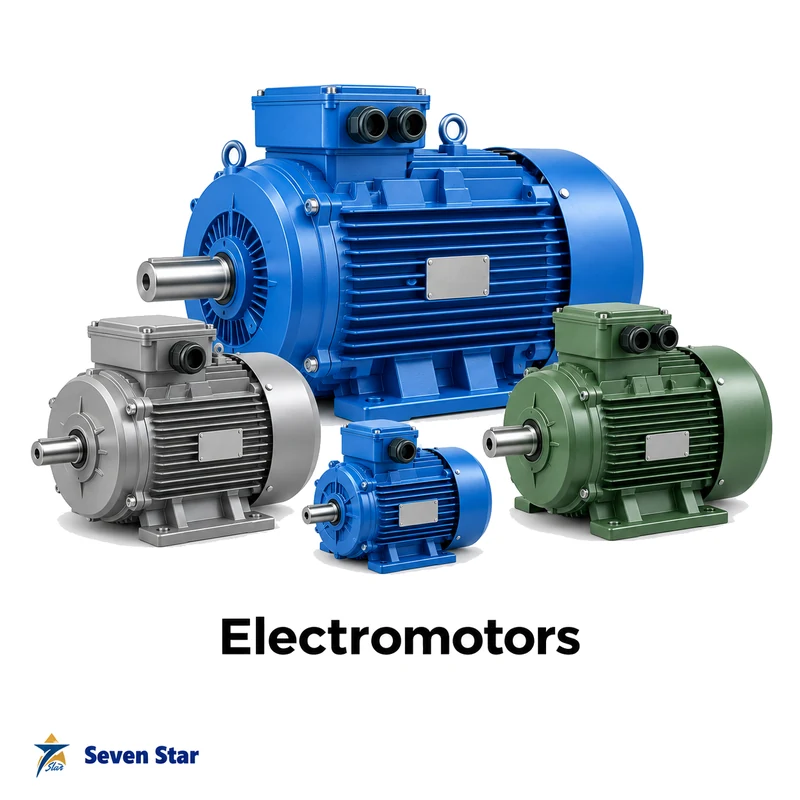
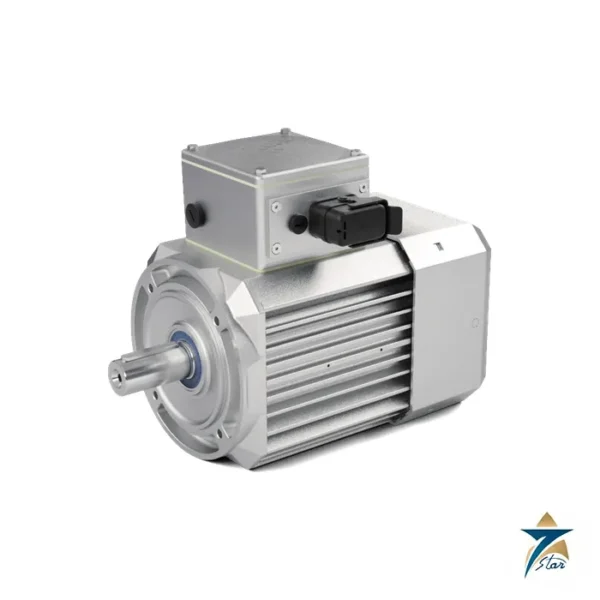
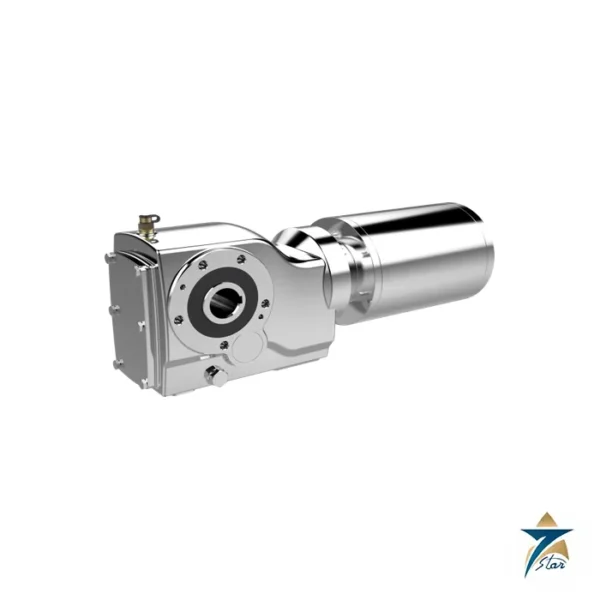
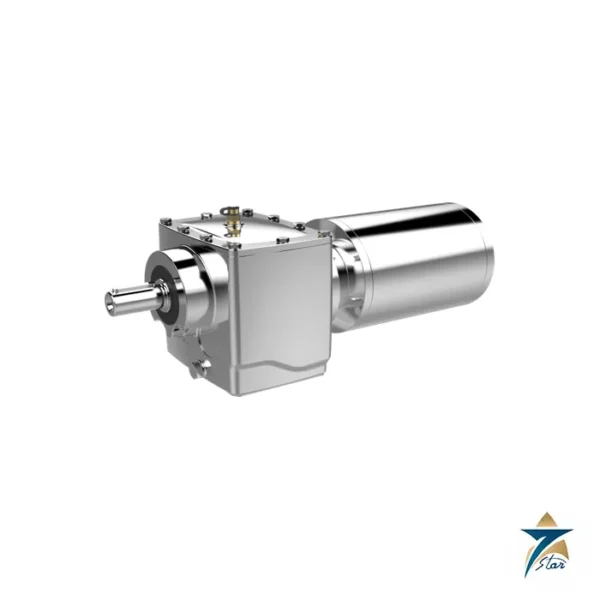
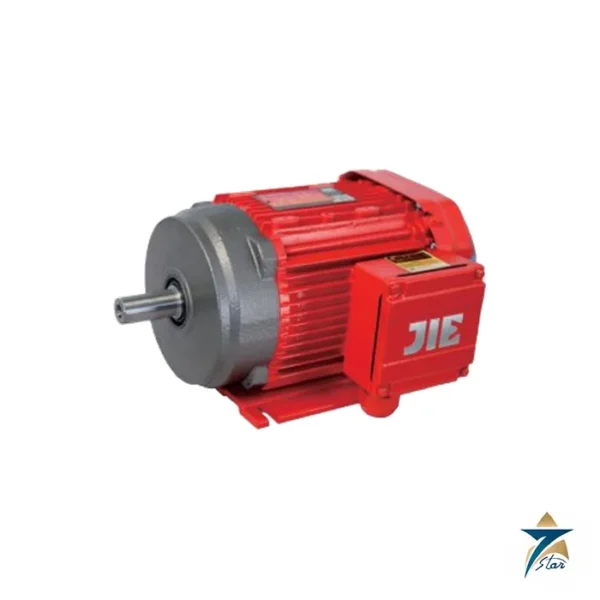
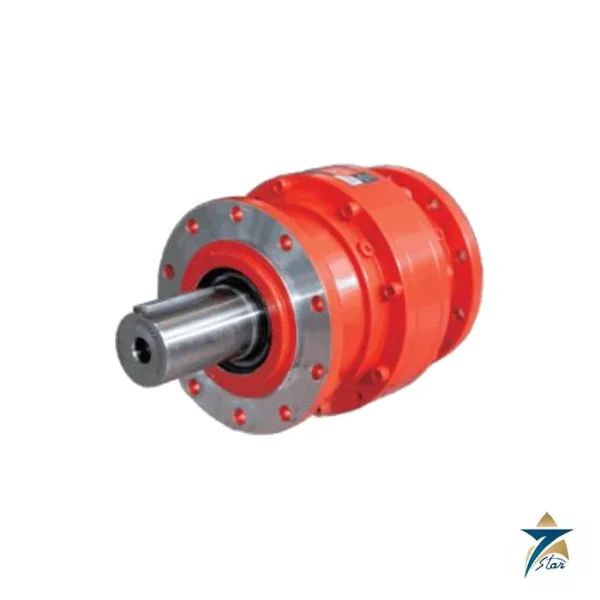
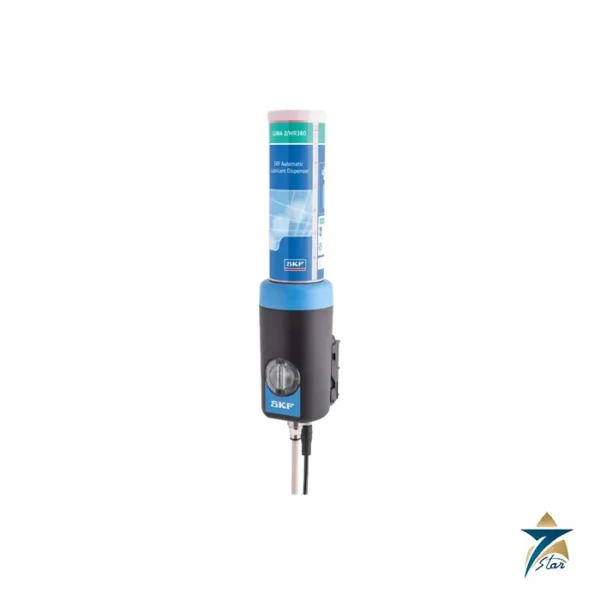
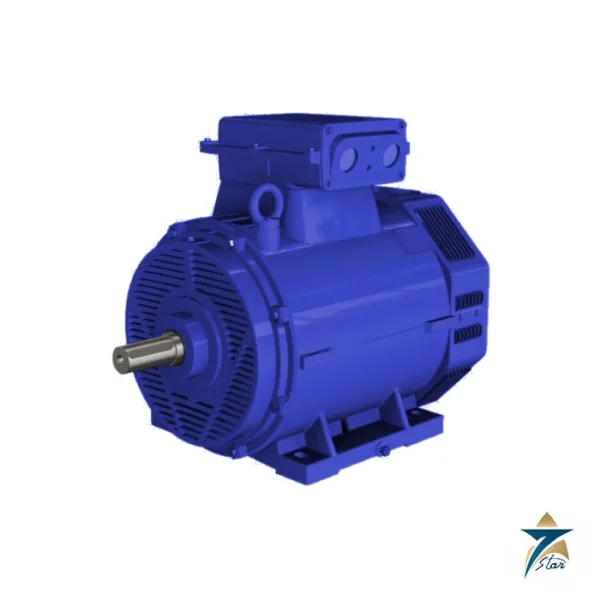
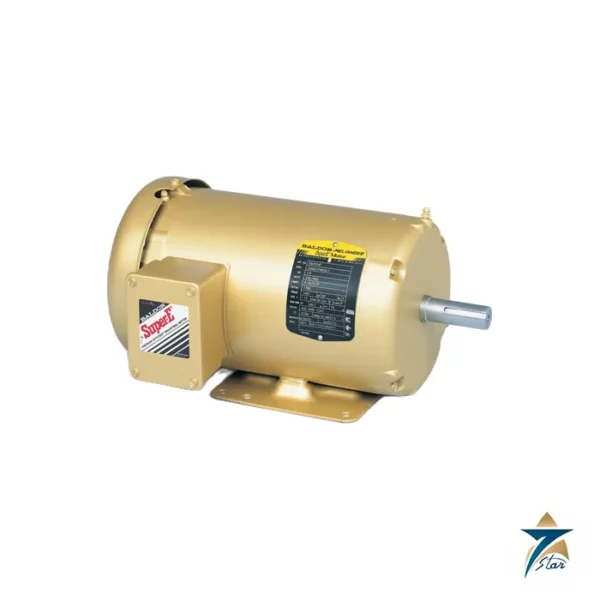
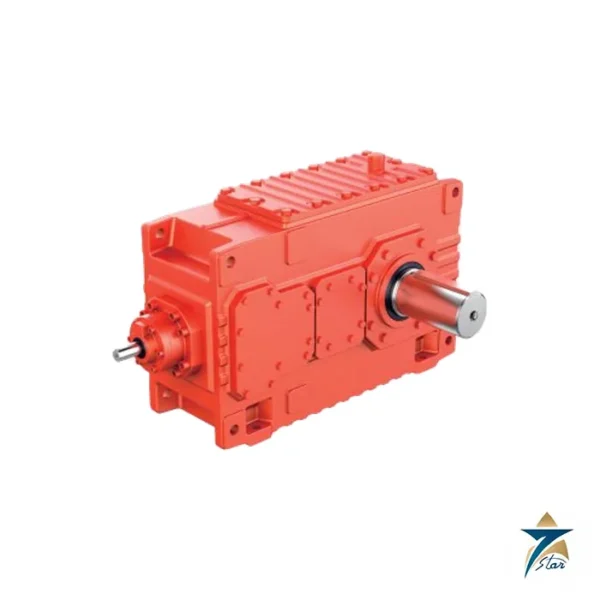
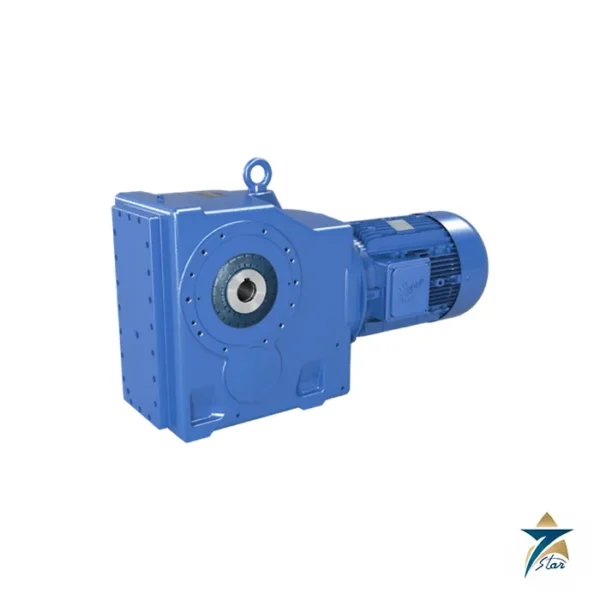
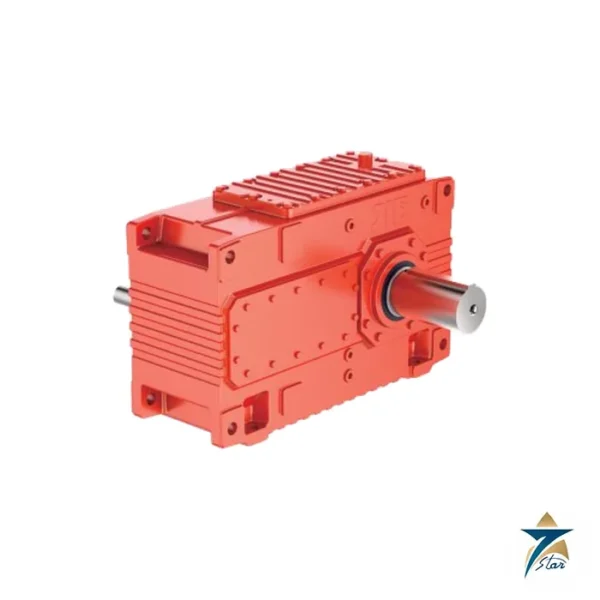
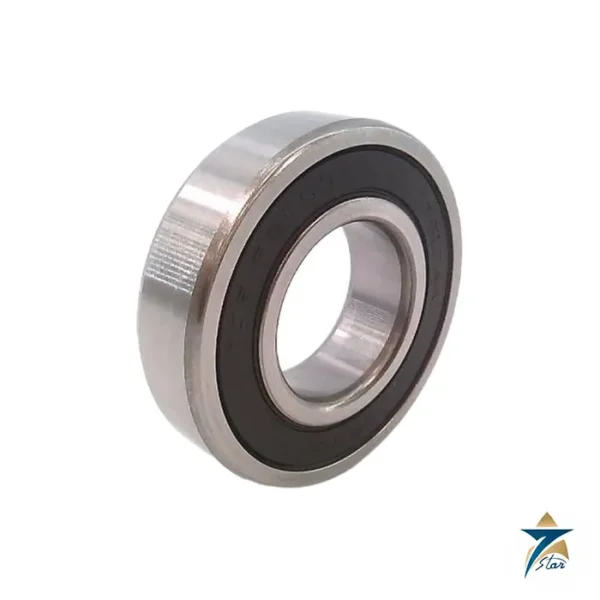
This category lists electric motors, gearmotors, industrial gear units and related drive spares. It includes low-voltage IEC and NEMA three-phase motors, high-voltage motors in the megawatt class, helical gearmotors, parallel-shaft gear units, servo motors, motor brakes and bearings. JIE, SEW-EURODRIVE, Schorch, Flender and WEG are among the brands. Seven Star LLC supplies these motors and drive components from Muscat to industrial sites in Oman and the GCC.
Electric motors, gearmotors and drive spares in this category
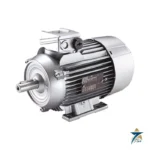
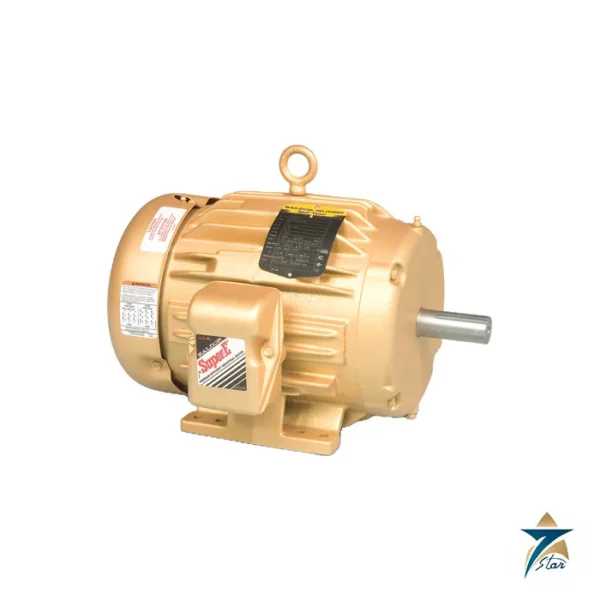
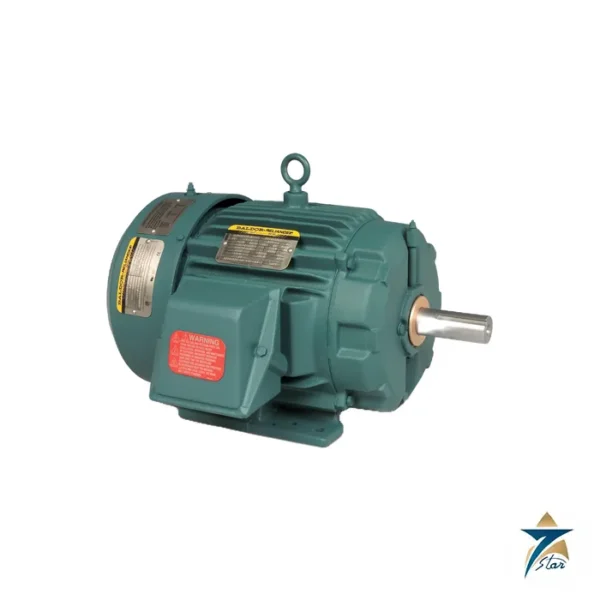
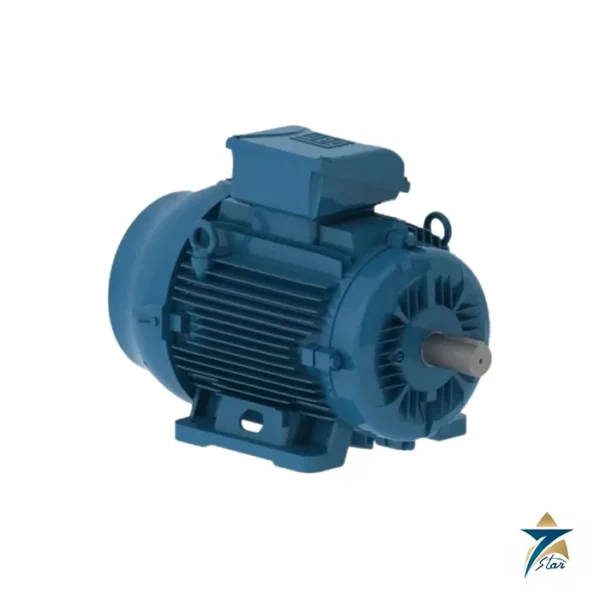
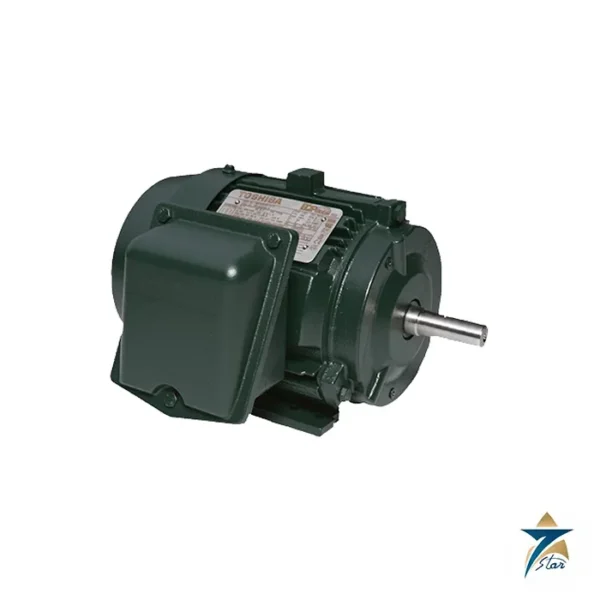
- Low-voltage motors: IEC frame three-phase motors from WEG and ABB and NEMA frame motors from Baldor.
- High-voltage motors: large Schorch machines for pumps, compressors and fans.
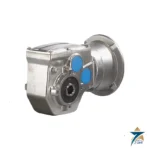
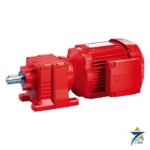
- Gearmotors and gear units: helical gearmotors and parallel-shaft industrial gear units from JIE, stainless steel gear units from SEW-EURODRIVE, and units from Flender and NORD Drivesystems.
- Servo motors: explosion-proof brushless servo motors from MOOG.
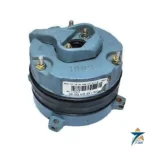
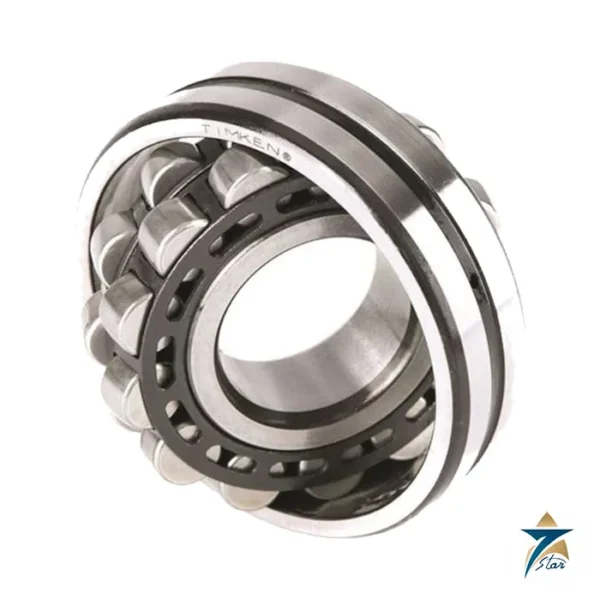
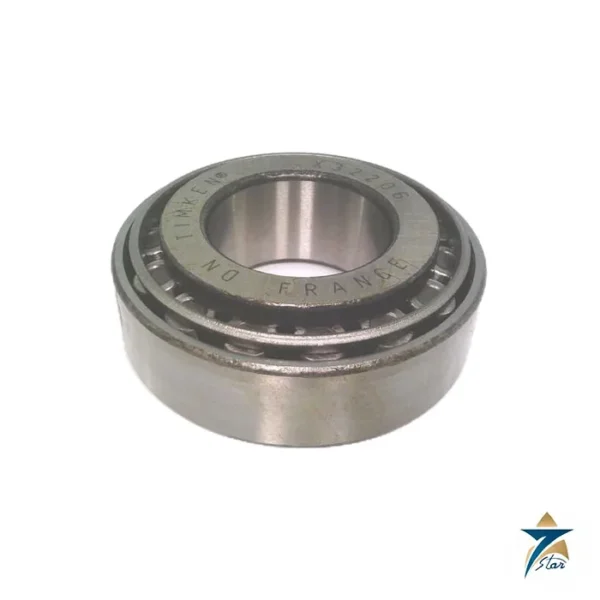
- Spares: SEW-EURODRIVE brakes and brake rectifiers, and rolling bearings from SKF and Timken.
How to specify an electric motor
Start with the load: power, speed, starting torque and duty cycle. Then the supply: voltage, frequency and the starting method, which may be direct on line, a soft starter or a frequency converter. Converter operation calls for suitable winding insulation and, on larger frames, an insulated bearing. Frame size and mounting (foot, flange or both) must match the driven machine. IEC motors follow IEC 60034, with the IE efficiency classes, IE1 being the lowest, and NEMA motors follow NEMA MG 1. The two systems use different frame dimensions, so they are not interchangeable without checking shaft height and fixing holes. In classified areas the motor needs a suitable explosion protection type, for example flameproof (Ex d) or increased safety (Ex e), with a suitable temperature class.
For a gear unit the key figures are ratio, output torque, service factor, mounting position and shaft arrangement.
What to send for a motor or gearmotor quotation
Nameplate data is the best basis: type designation, serial number, power, voltage, frequency, speed, frame size, mounting and protection class. For spares such as brakes and rectifiers, add the part number. We check the data against the manufacturer documentation and propose the manufacturer’s successor when a type is obsolete.
What to include in your inquiry
These details let us quote the right item the first time.
- Power (kW) and speed or number of poles
- Voltage and frequency
- Frame size and mounting
- Enclosure rating and cooling
- Hazardous-area certification, if required
Missing some of them? Send what you have. A nameplate photo or an old part number is enough to start.