TT131 welded thermowell: what the model code stands for
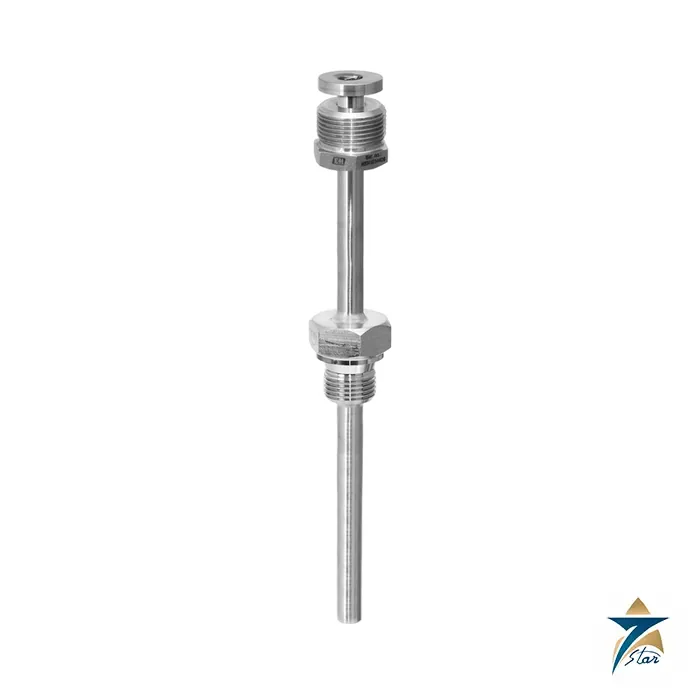
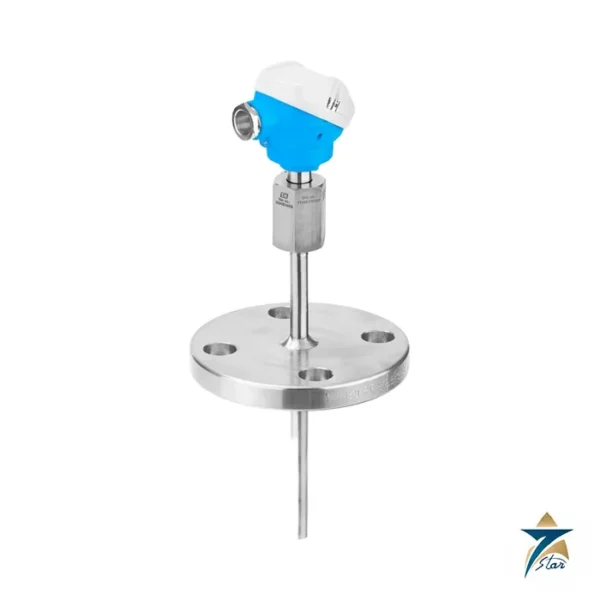
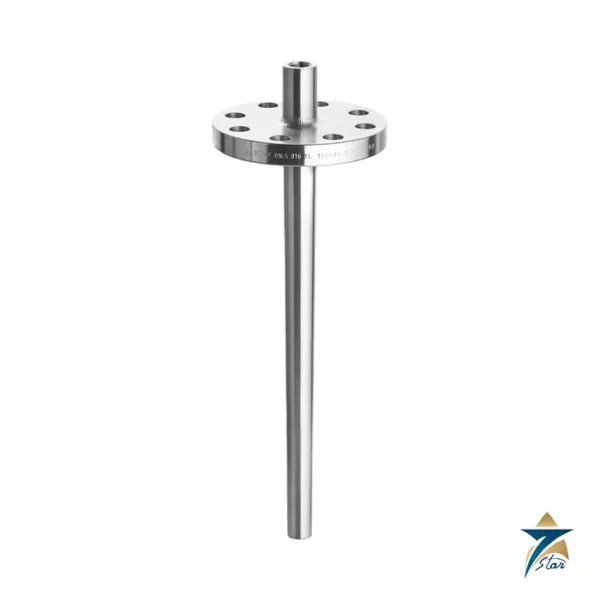
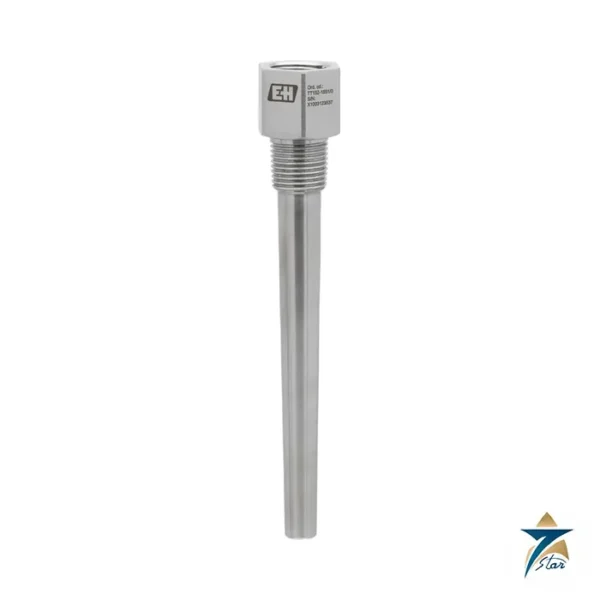
The Endress+Hauser TT131 is the welded (fabricated) member of the iTHERM ModuLine thermowell range. Instead of being drilled out of solid bar, the TT131 is built from tube: a pipe of defined diameter and wall is closed at the tip with a welded plug, then joined to a thread, flange or compression-fitting process connection. The result is a metric, DIN 43772 style protection tube that costs less and weighs less than a barstock design while still giving the sensor a sealed home inside the pipe or vessel.
Seven Star LLC supplies the TT131 in Oman and the GCC as an independent supplier in Muscat. Because the TT131 is a configurable range and not a single fixed article, the exact build (tube diameter, tip shape, material, process connection and neck) is defined from your measuring-point data.
The family name matters when you compare quotes. In the same iTHERM family, the TT151 and TT152 are barstock thermowells for heavier duty, while the TT131 covers the moderate-pressure range: the datasheet gives a pressure range up to 100 bar (1 450 psi) and a process temperature range of –200 to +1 100 °C depending on type and material.
TT131 technical specifications
| Parameter |
Specification |
| Manufacturer / part number |
Endress+Hauser / TT131 (iTHERM ModuLine welded thermowell) |
| Construction |
Fabricated (welded) thermowell made from tube, metric design to DIN 43772 |
| Process temperature |
–200 to +1 100 °C (–328 to +2 012 °F), depends on thermowell type and material |
| Process pressure |
Up to 100 bar (1 450 psi), depending on design, connection and temperature |
| Tube sizes |
9 × 1.25, 11 × 2, 12 × 2.5, 14 × 2 and 16 × 3.5 mm; 1/4 in SCH80, 1/2 in SCH80 and 1/2 in SCH40 pipe |
| Tip shapes |
Straight, reduced (stepped) or tapered, depending on diameter and material |
| Wall materials |
316, 316L, 316Ti, 321, 446, Alloy 600 and Alloy C276, matched to tube size |
| Coverings |
PTFE sheath (straight tip) and tantalum sheath (straight or tapered) as options |
| Process connections |
Metric, G and NPT threads, flanges to EN and ASME, adjustable compression fitting |
| Thermometer connection |
Male M24x1.5, NPT 1/2 or G 1/2; female M20x1.5, NPT 1/2 or G 1/2; iTHERM QuickNeck; TA20L adapter |
| Wetted surface |
Standard roughness Ra ≤ 0.76 µm |
| Weight |
Typically 0.2 to 7.5 kg for standard options |
How the TT131 thermowell works and where its limits come from
A thermowell does not measure anything. It is a pressure-retaining sleeve that keeps the temperature insert away from the process medium, so the insert can be pulled out for calibration or replaced while the line stays in operation. The TT131 achieves this with a tube body, a closed tip and a process connection, and it accepts an insert in the 6 mm class for straight tips or a 3 mm insert for reduced and tapered tips.
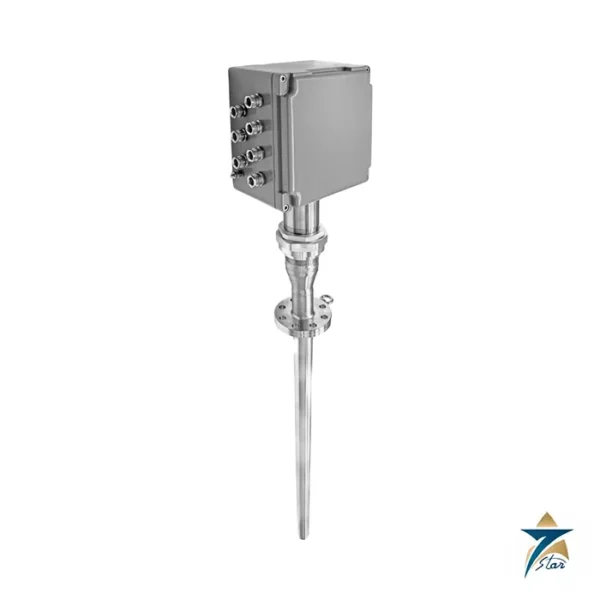
The datasheet describes the build as five elements: the thermometer connection at the top, an optional neck extension (lagging) that cannot be removed, the process connection, the immersion part and the tip. The neck keeps the head and any transmitter away from process heat. Tip choice is a trade-off. A thin-walled reduced tip (5.3 mm) answers faster, a thicker-walled tapered tip (6.6 mm) or reduced tip (9 mm) tolerates more mechanical load or wear, and a special fast-response tip design is available on the 11 mm and 12 mm tubes, where the gap between insert and wall is filled with a heat-transfer material.
Limits depend on several factors at once. The maximum pressure is set by the weakest of tube, weld, flange or thread at the actual temperature, and the datasheet quotes up to 400 bar at 400 °C for the thread alone. Flow velocity also limits length: the permitted velocity falls as the unsupported immersion length grows, so a long TT131 in fast steam may need a thicker tube. The manufacturer provides a thermowell sizing module for this check; run it with your real flow, pressure and temperature before you fix the length.
Where the TT131 sits in the iTHERM system and related parts
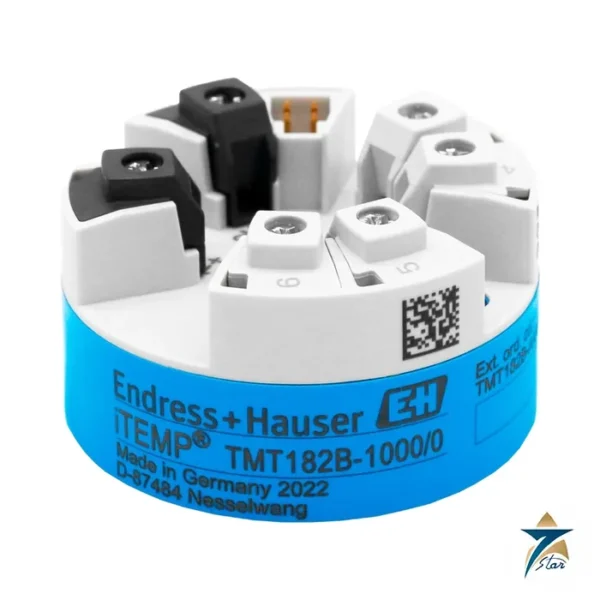
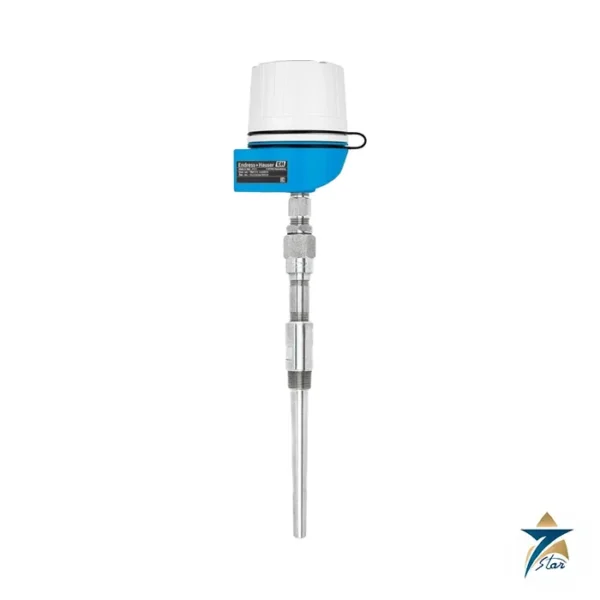
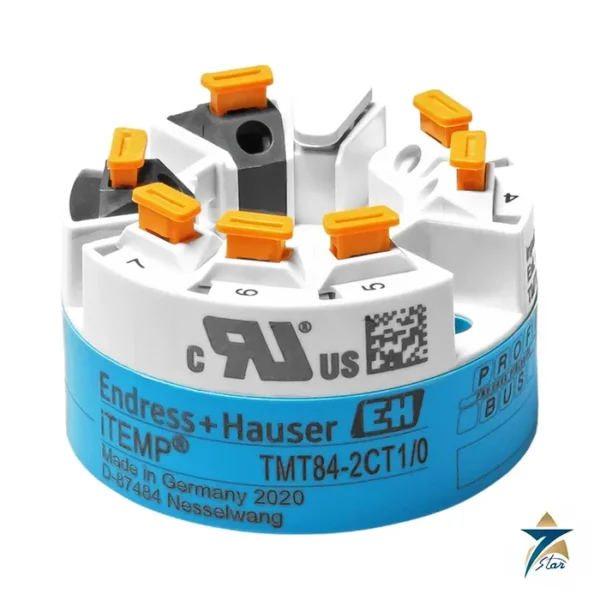
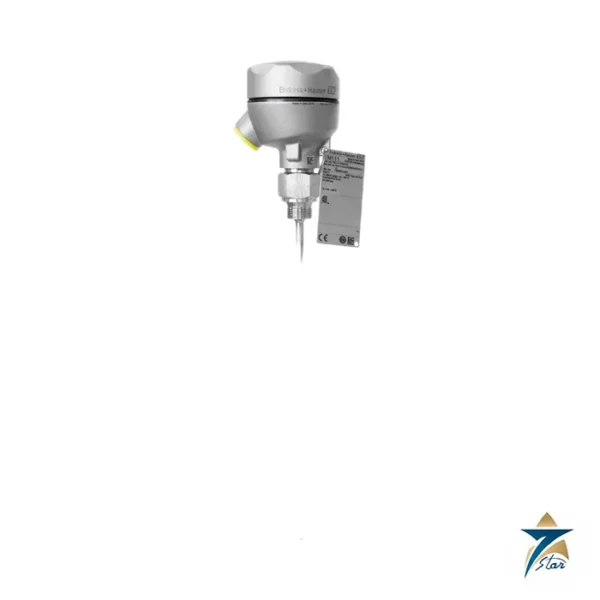
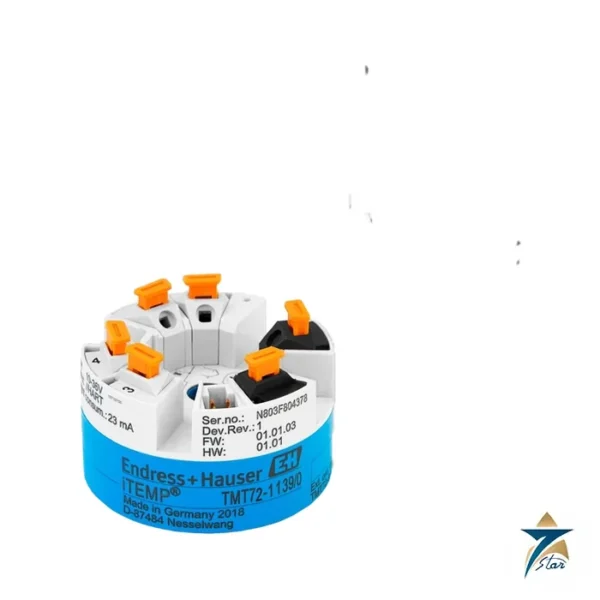
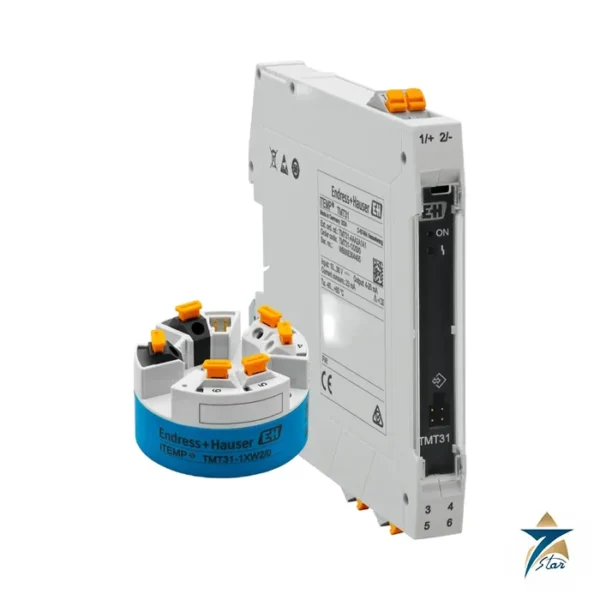
The TT131 is the protective part of a complete thermometer. On top of it sits an insert and a terminal head, usually with an iTEMP head transmitter, which turns the sensor signal into 4–20 mA, HART or a fieldbus signal. The iTHERM QuickNeck option is worth knowing about: it is a tool-free quick fastener between the thermowell and the head, so a technician can lift the sensor out for recalibration without a spanner. For short immersion lengths below 70 mm the datasheet recommends QuickSens inserts.
Within the same iTHERM thermowell series, TT151 (metric barstock) and TT152 (imperial barstock) cover higher pressures up to 500 bar, so a TT131 specification that creeps beyond its pressure or vibration envelope usually moves to one of those. Related thermometers that are not meant to be used with a thermowell include the cable probes TH12 and TH52, and the ceramic-sheathed high-temperature TAF11 is a separate furnace design.
Selecting a TT131: a practical checklist
- Process data first: medium, normal and maximum temperature, normal and maximum pressure, flow velocity and whether the line sees pulsation or vibration.
- Tube size and tip: choose the diameter from the insert and from the wake-frequency check; use a reduced tip when response time or a small pipe matters.
- Material: 316L is the usual starting point; 316Ti, Alloy 600 or Alloy C276 for aggressive or hot media; 446 for hot, sulphurous or oxidising furnace gases. Note that not every material is offered for every tube size.
- Process connection: thread size and standard (M, G or NPT), or flange rating and facing, and whether an Alloy 600 or C276 raised face welded onto a 316L flange is acceptable.
- Immersion length U and neck length T: the tip should reach at least the pipe axis in small lines; a neck is needed where insulation or a hot flange is present.
- Head side: thread on the neck (M24x1.5, NPT 1/2, G 1/2) so the correct terminal head, QuickNeck or adapter will fit.
Installing and maintaining a TT131
Install the TT131 in any orientation, but keep the line self-draining where the medium can collect. Too short an immersion causes heat conduction errors along the stem; in pipes the guideline in the datasheet is about half the pipe diameter at minimum, and in narrow pipes the tip should pass the centre line or be installed at an angle. The counterpiece, gasket or sealing ring for the process connection is not supplied with the thermowell, except that cylindrical threads ship with a DIN 7603 copper seal, so order flange gaskets and weld-in sockets separately.
In service, check the thermowell after any unplanned process event, such as a water hammer, a cavitating control valve upstream or an extended vibration episode. Look for tip erosion, thread seepage and deformation at the root. If the insert is removed for calibration, keep a record of the immersion depth so the same contact with the tip is restored.
Typical TT131 applications in Oman and the GCC
In Oman and the wider Gulf the TT131 shows up on utility and process lines where a barstock thermowell would be more than the duty needs. Typical locations include cooling-water and desalination pipework, steam and condensate headers in power and utilities plants, compressed-air and lube-oil skids, and hydrocarbon process piping at moderate pressure. Material choice follows the medium: stainless grades for general utility service, and the nickel-alloy variants where hot or more aggressive media justify them.
Site conditions matter too. Hot, dusty and humid outdoor air calls for a properly sealed terminal head and cable entry, and a neck lifts the head clear of hot piping. The QuickNeck option shortens each recalibration round during turnarounds.
TT131 tube sizes and materials overview
| Tube |
Tip shapes |
Materials |
| 9 × 1.25 mm |
Straight, reduced, tapered |
316L, 316Ti, Alloy C276, Alloy 600 |
| 11 × 2 mm |
Straight, reduced |
316L, 316Ti, Alloy C276, Alloy 600 |
| 12 × 2.5 mm |
Straight, tapered |
316Ti, 321 |
| 14 × 2 mm |
Straight |
316L |
| 16 × 3.5 mm |
Straight |
316L |
| 1/4 in SCH80 (13.7 × 3 mm) |
Straight |
316 |
| 1/2 in SCH80 (21.3 × 3.7 mm) |
Straight |
316 |
| 1/2 in SCH40 (21.3 × 2.7 mm) |
Straight |
446 |
The table follows the datasheet. Fast-response and sheathed options are layered on top of these basic sizes, so the final order code is built from several choices rather than a single catalogue number.
Information to send with a TT131 RFQ
- TT131 and, if you have it, the full order code or the existing thermowell tag number
- Medium, minimum, normal and maximum temperature, and maximum pressure
- Flow velocity and any known vibration or pulsation
- Required tube diameter, tip shape, immersion length U and neck length T
- Material for the thermowell and for the process connection
- Thread type and size or flange standard, rating and facing
- Thermometer connection (M24x1.5, NPT 1/2, G 1/2, QuickNeck) and insert diameter
- Quantity, certificates needed (such as material certificates), and delivery site
Documents and quotation
A datasheet for the TT131 is attached on this page. Please read the ordering and process-connection sections against your own data before you finalise the specification.
To receive a quotation from Seven Star LLC, send the TT131 part number together with the information listed above, and we will confirm the configuration, the lead time and the supporting documents available for your enquiry.
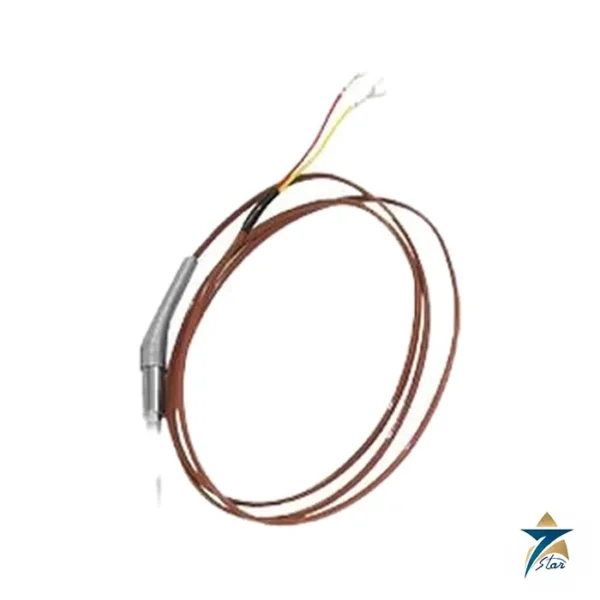
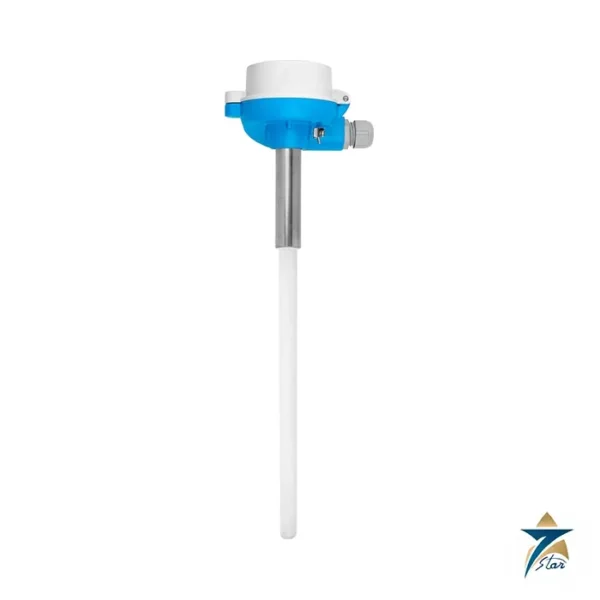
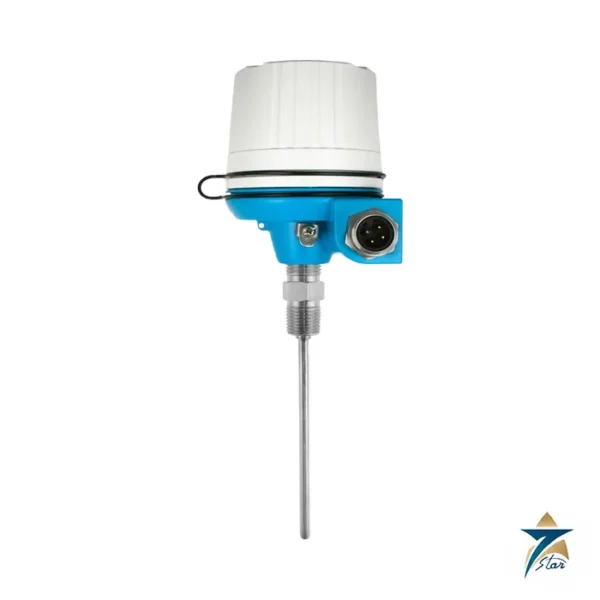
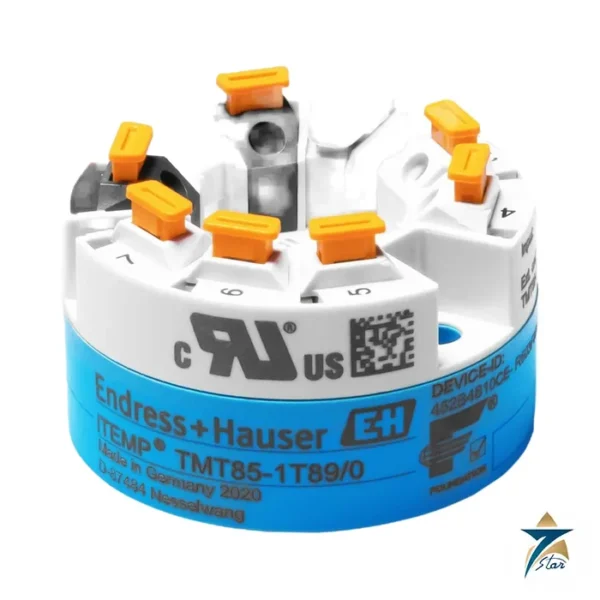
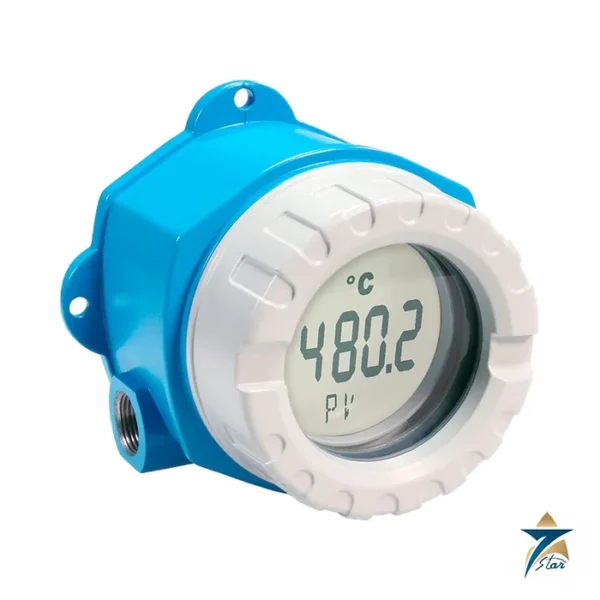
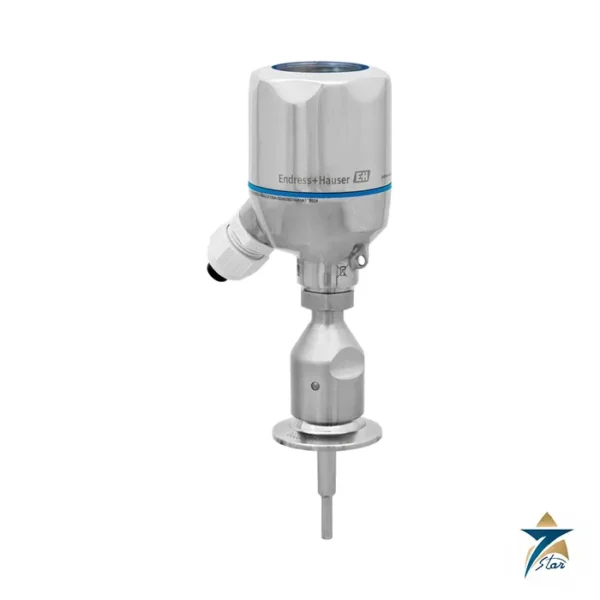
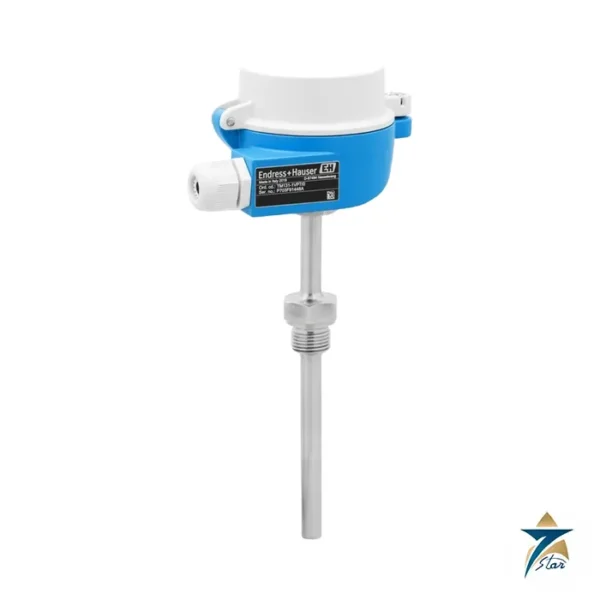
Other Models in the Itherm Modluine Thermowell Range
Seven Star LLC supplies models from the Itherm Modluine Thermowell range in Oman and the GCC. Compare the related models below and request a quote for the one that matches your application.


















Reviews
There are no reviews yet.