Ultrasonic corrosion thickness gauges

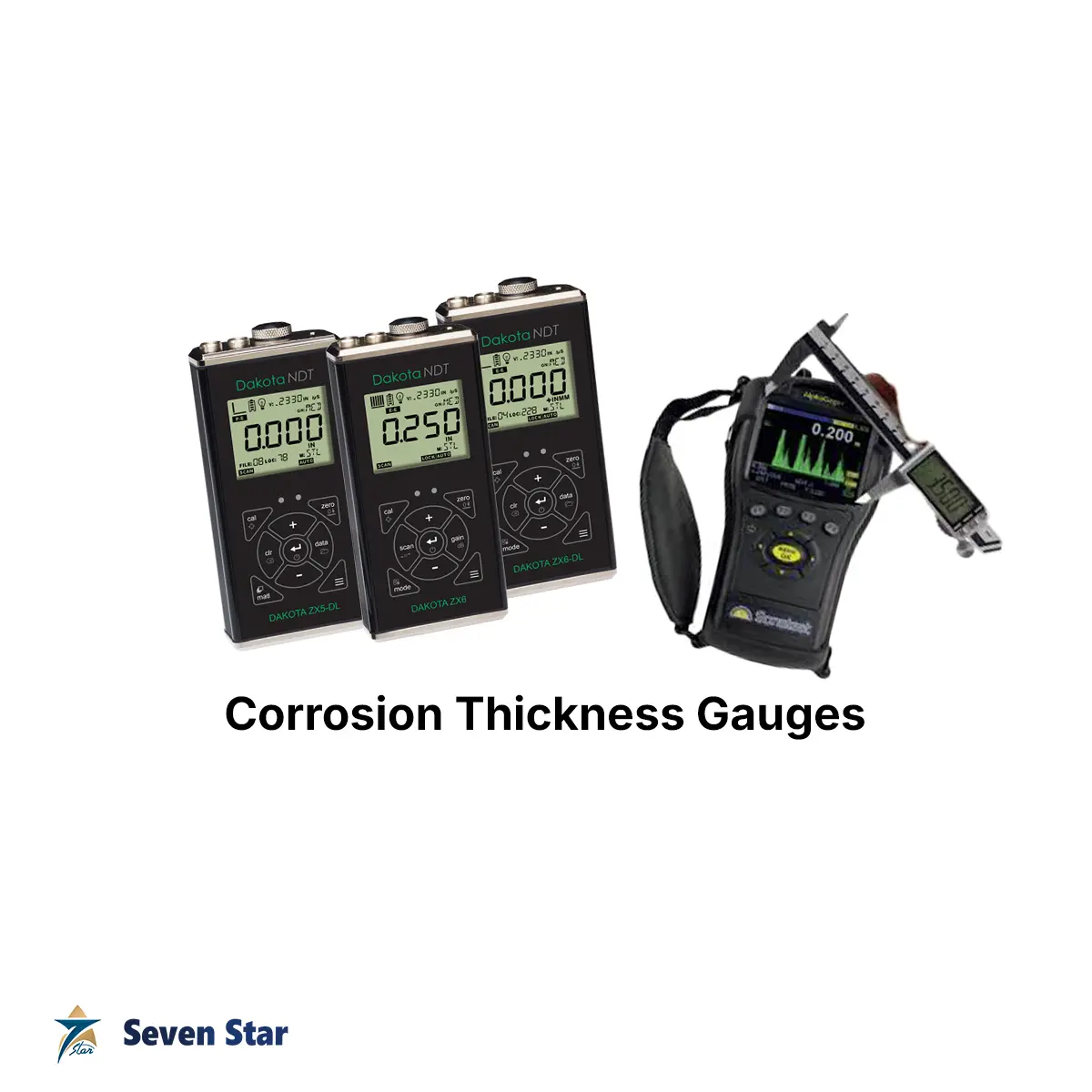
Corrosion Thickness Gauges

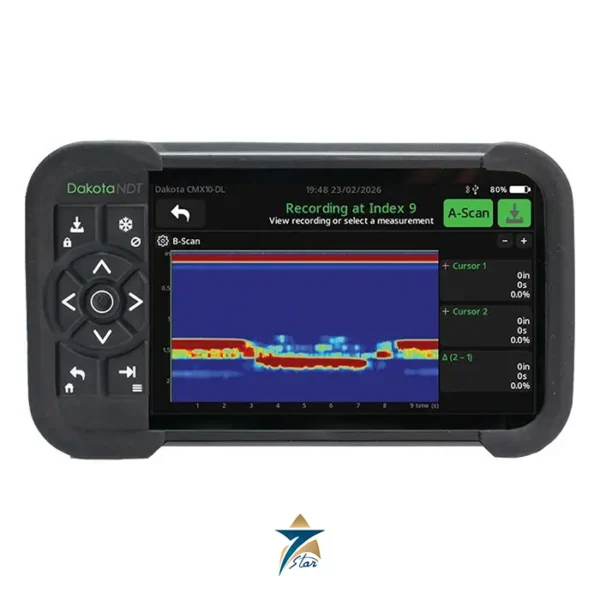
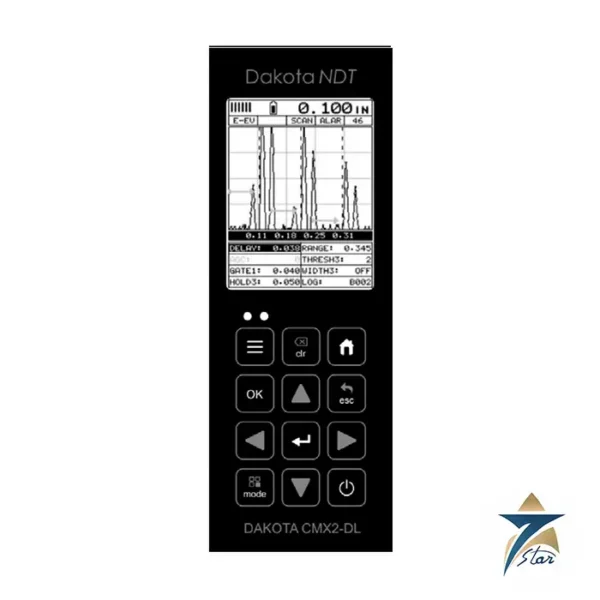
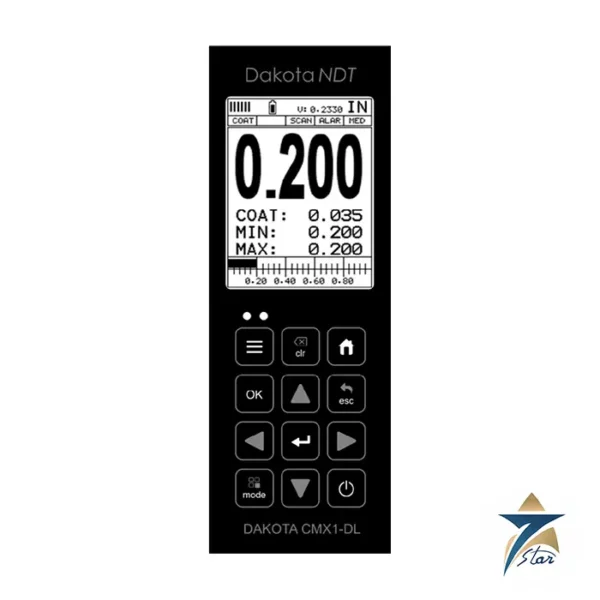
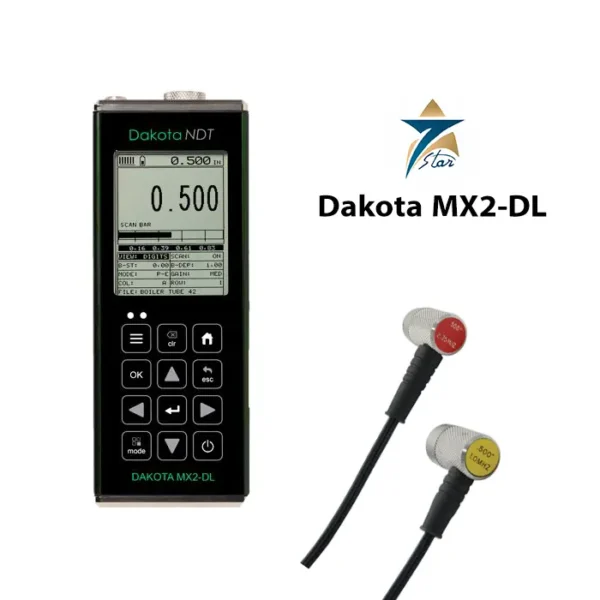
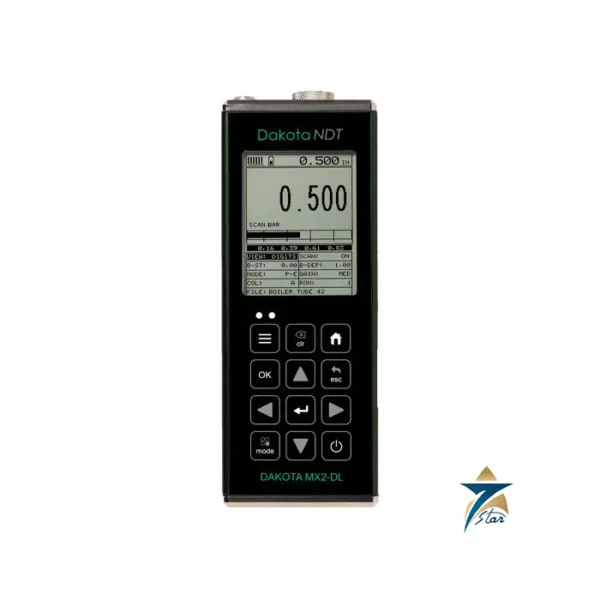
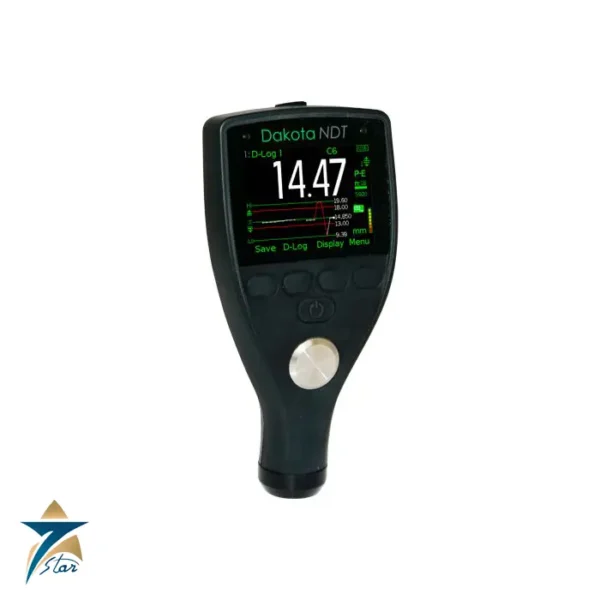
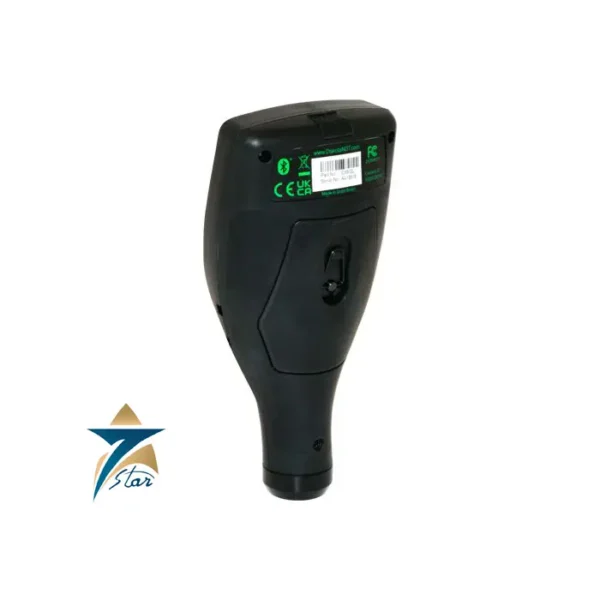
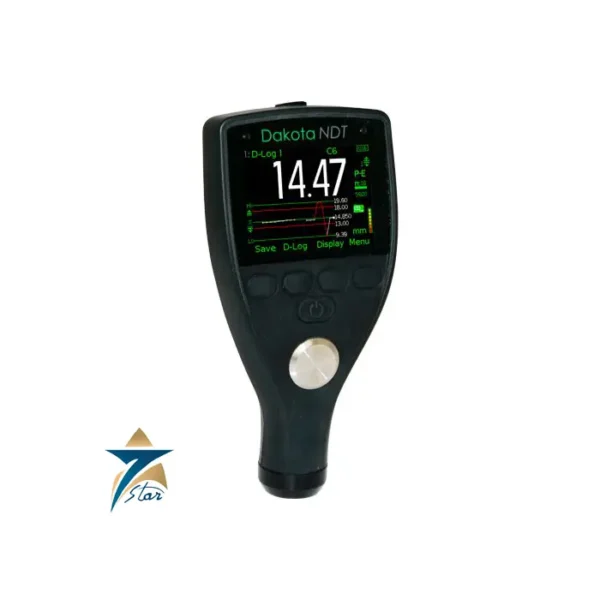
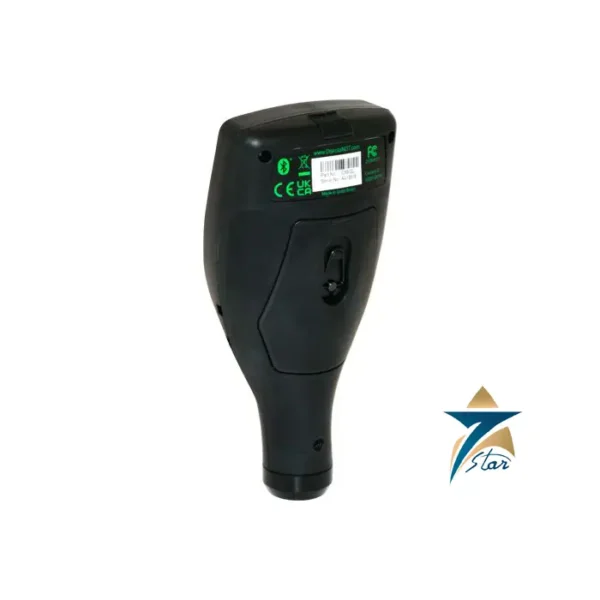
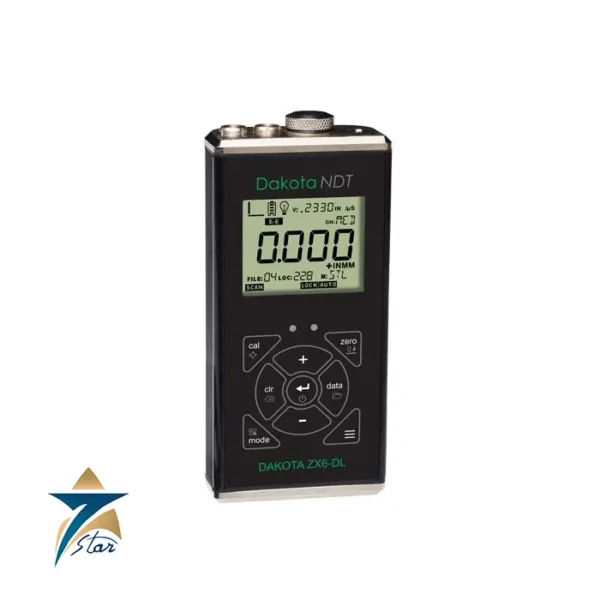
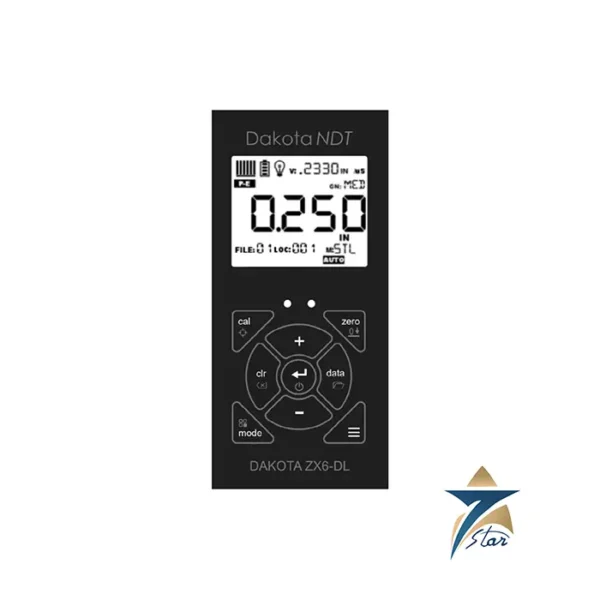
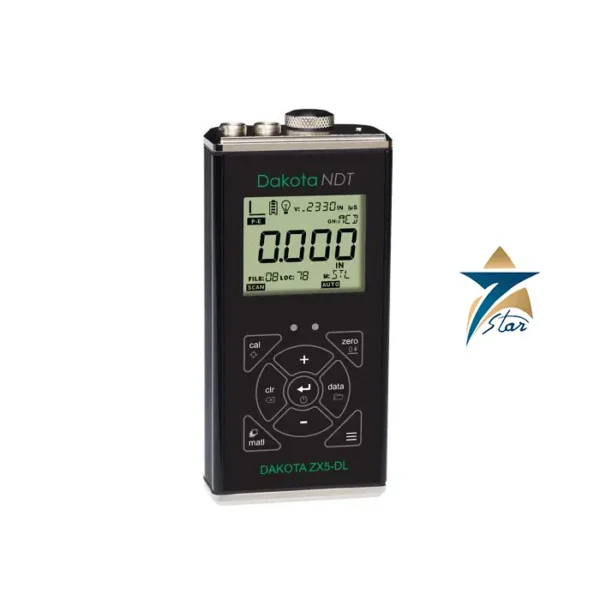
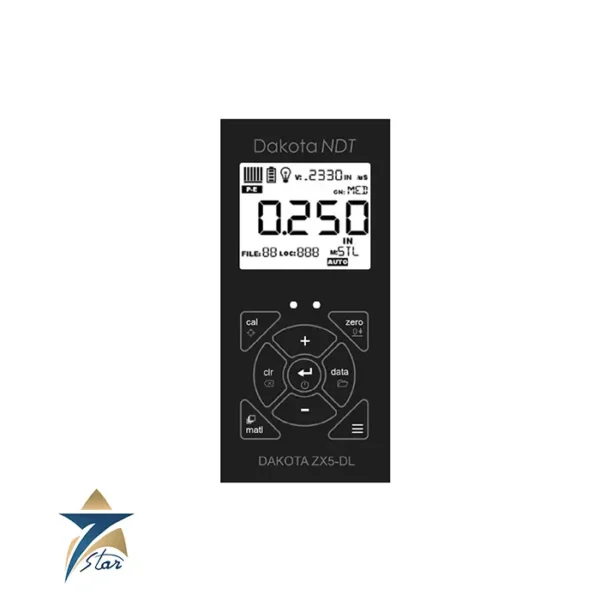
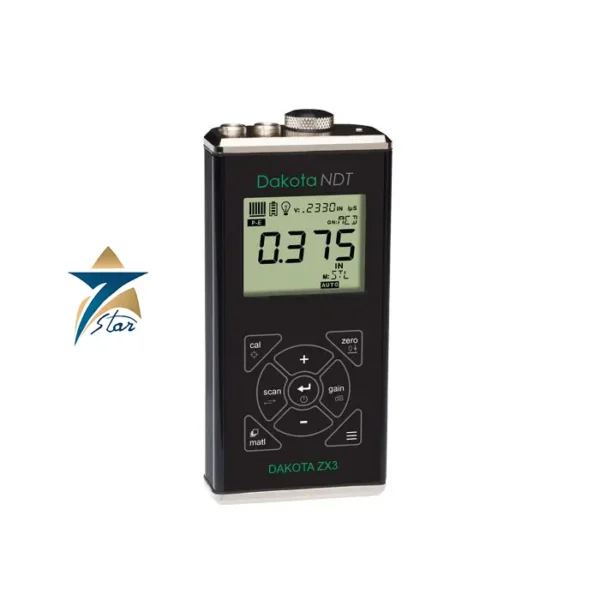
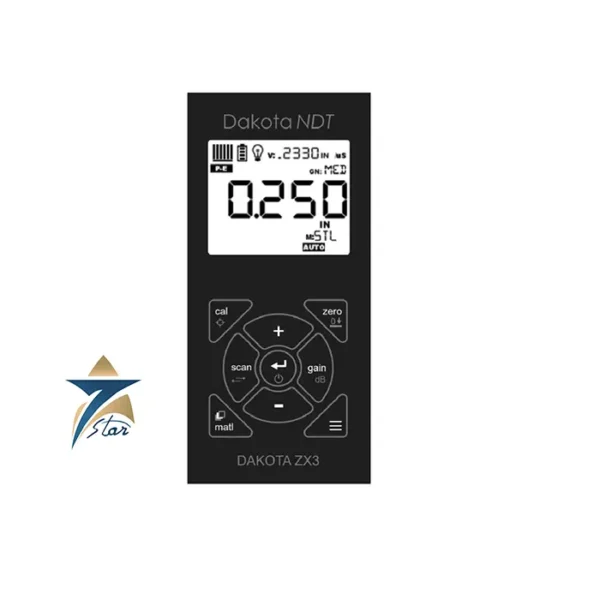
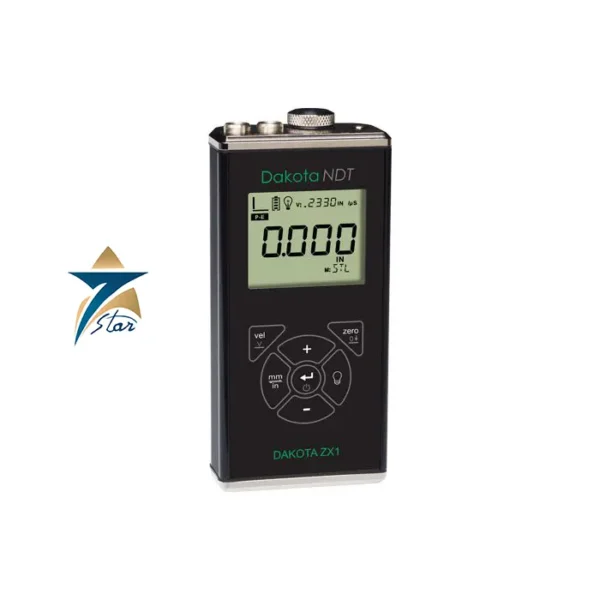
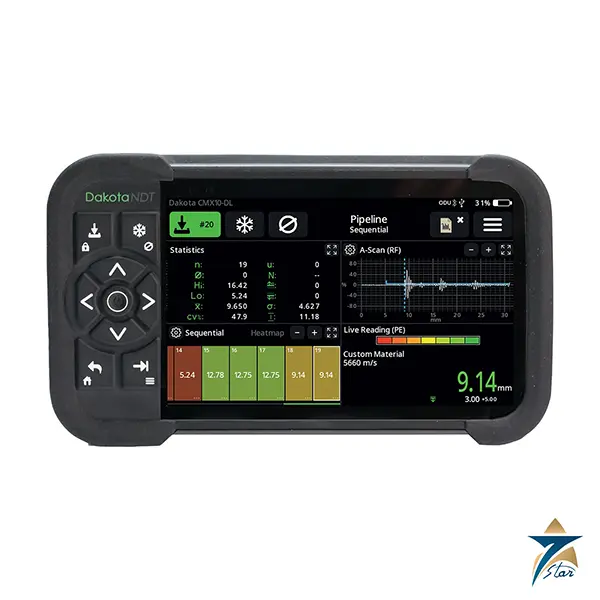
Corrosion thickness gauges are ultrasonic instruments designed to measure material wall thickness and detect internal metal loss caused by corrosion or erosion, without requiring cutting or damaging the surface. This category includes dual-element corrosion gauges engineered for high penetration, stable sound transmission, and reliable measurement on rough, coated, or corroded surfaces.

These gauges are widely used in refineries, pipelines, storage tanks, petrochemical plants, offshore structures, power generation facilities, and industrial maintenance programs. Corrosion thickness gauges play a critical role in condition monitoring, preventive maintenance, and ensuring long-term structural integrity across demanding industrial environments.

Frequently Asked Questions

What materials can corrosion thickness gauges accurately measure in industrial settings?
Corrosion thickness gauges are engineered to measure a wide array of industrial materials, primarily focusing on carbon steel, stainless steel, and aluminum. They are optimized for detecting internal wall loss and pitting in pipes, tanks, and structural components.
How do dual-element transducers improve corrosion thickness gauge performance?
Dual-element transducers feature separate transmitting and receiving elements, which significantly minimizes near-surface resolution issues and eliminates the "main bang" interference. This design provides exceptional accuracy when measuring remaining wall thickness on internally corroded or pitted surfaces.
Are your corrosion thickness gauges suitable for inspecting painted or coated pipelines?
Absolutely. Our advanced gauges utilize Thru-Coat or Echo-to-Echo measurement technologies to eliminate the coating thickness from the total measurement. This allows engineers to determine the true metal thickness without the costly process of removing protective coatings.
What is the typical accuracy of a professional corrosion thickness gauge?
Professional-grade corrosion thickness gauges typically achieve measurement accuracies of ±0.001 inches (0.01 mm) under standard operating conditions. Precision can vary slightly based on material velocity calibration, surface condition, and the specific transducer utilized.
Can these gauges be used for high-temperature corrosion monitoring in refineries?
Yes, when paired with appropriate high-temperature dual-element transducers and specialized couplants, these gauges perform reliably on in-service refinery assets. This capability is critical for condition monitoring without shutting down operational processes.