- Vibration Monitoring
- Industrial Communications
- PLC & I/O Cards
- Automation Accessories
- AC Drives
- Controllers & Data Acquisition
- Industrial Computers
- Encoders
- Safety Switches & Guard Locking
- CCTV & Security
- Isolator & Barrier
- Motor Soft Starters
- HMI Displays
- Pneumatic Cylinders
- Automation Software
- Servo Drives
- Robotics
- Machine Vision
Sensors & Transmitters
Magnetic, Cylinder & Capacitive Sensors
Magnetic and capacitive sensors detect targets that inductive sensors cannot: the magnet on a cylinder piston, a magnet through a stainless or plastic wall, or non-metallic materials such as granules, liquids and wood. Seven Star LLC, an independent supplier in Muscat, supplies these sensors from SICK and Turck to machine builders and maintenance teams in Oman and the GCC.
Read the full category guide- 2 products
- 1 brand
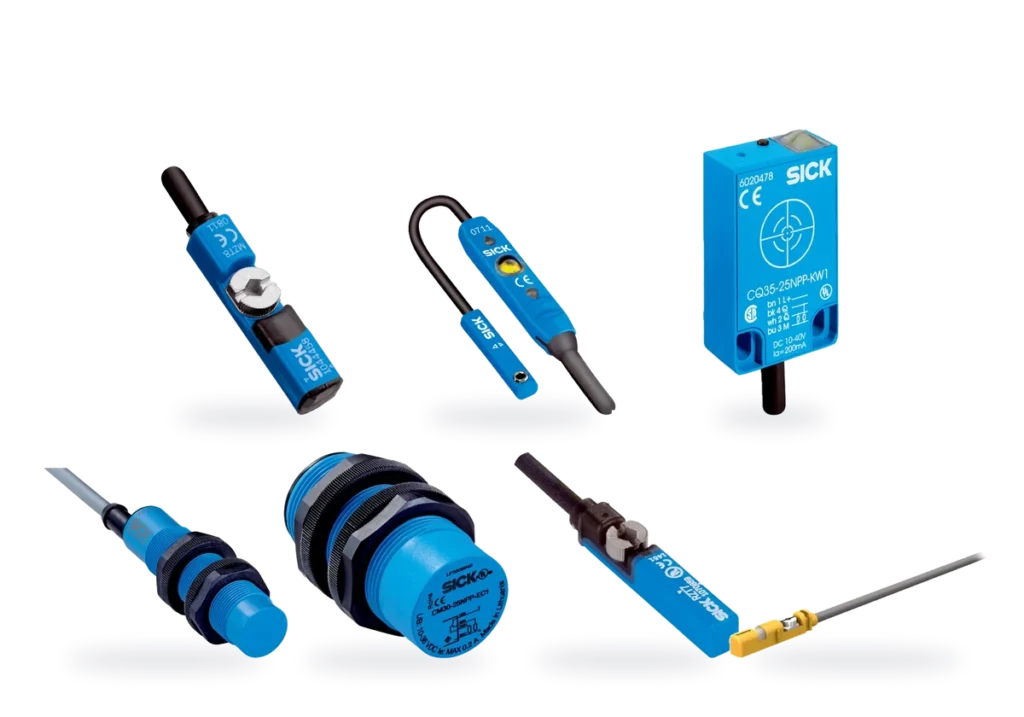
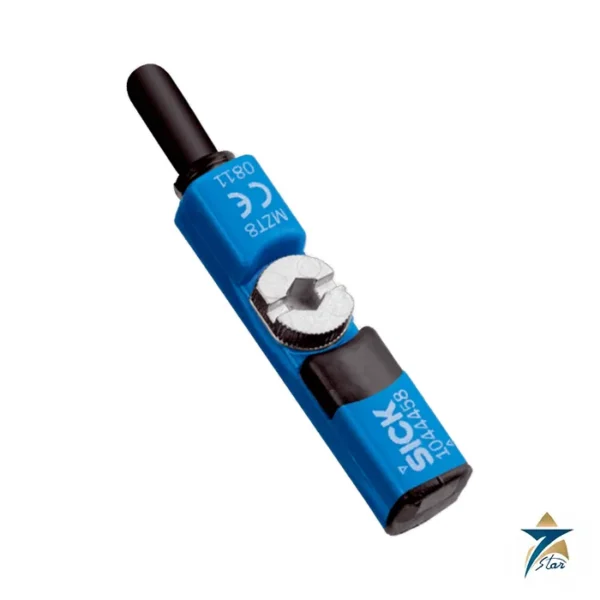
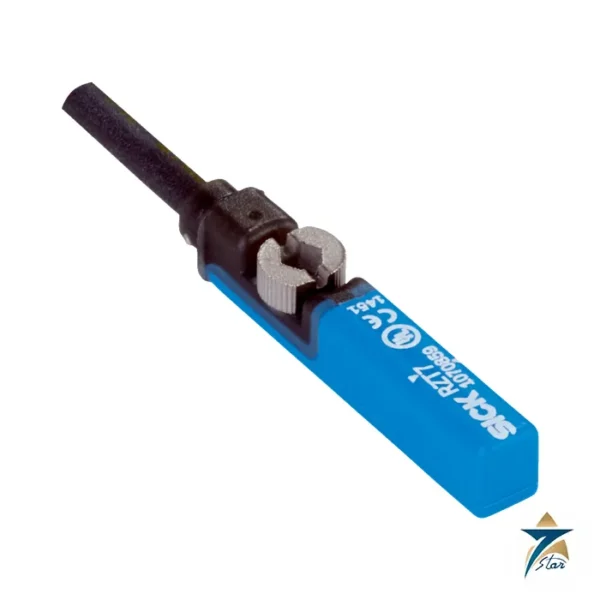
Category guide
About Magnetic, Cylinder & Capacitive Sensors
Magnetic and capacitive sensors detect targets that inductive sensors cannot: the magnet on a cylinder piston, a magnet through a stainless or plastic wall, or non-metallic materials such as granules, liquids and wood. Seven Star LLC, an independent supplier in Muscat, supplies these sensors from SICK and Turck to machine builders and maintenance teams in Oman and the GCC.
Types of sensor in this category
Cylinder sensors such as the SICK MZT7, MZT8, MZC1, MZ2Q and RZT7 and the Turck BIM-UNT mount in the T-slot or C-slot of a pneumatic cylinder and signal the piston position from its magnet. Electronic versions give PNP or NPN outputs; reed versions switch AC or DC directly. Magnetic proximity sensors like the SICK MM and MQ families detect a magnet at long range through non-ferrous materials and in small housings. Capacitive sensors, for example the SICK CM18, CM30 and CQ35, detect plastic, glass, wood, powders and liquids, including level through the wall of a non-metallic tank.
How to select the right sensor
For cylinder sensors, check the slot type of the cylinder, the output and connection, and whether the cylinder magnet is strong enough; sensors with a short switching hysteresis suit short strokes. For magnetic proximity sensors, confirm the magnet and the sensing distance with that magnet. For capacitive sensors, set the sensitivity for the material and check the sensing distance, which is lower for materials with low dielectric constant, and mounting (flush or non-flush).
Data needed for a quotation
Send the part number, or the cylinder make and slot type, output, connection and cable length, or the material to be detected and the distance, with quantity.
What to include in your inquiry
These details let us quote the right item the first time.
- Measured variable and range
- Medium, pressure and temperature
- Process connection and material
- Output signal or protocol
- Model code or nameplate photo of the existing device
- Hazardous-area approval, if required
Missing some of them? Send what you have. A nameplate photo or an old part number is enough to start.