
- Vibration Monitoring
- PLC & I/O Cards
- Industrial Communications
- Automation Accessories
- Controllers & Data Acquisition
- AC Drives
- Isolator & Barrier
- Industrial Computers
- Encoders
- Safety Switches & Guard Locking
- Automation Software
- HMI Displays
- Motor Soft Starters
- Servo Drives
- CCTV & Security
- Robotics
- Pneumatic Cylinders
- Machine Vision
Category guide
About Pressure Instrumentation
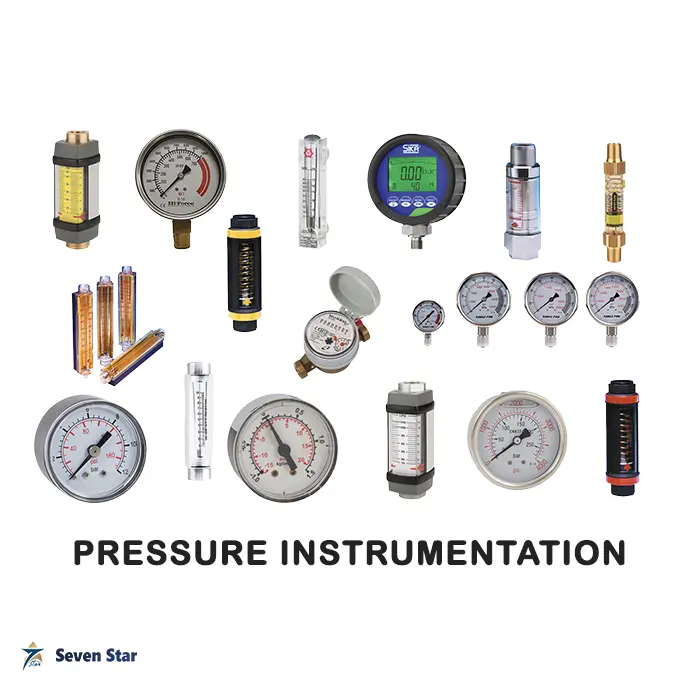
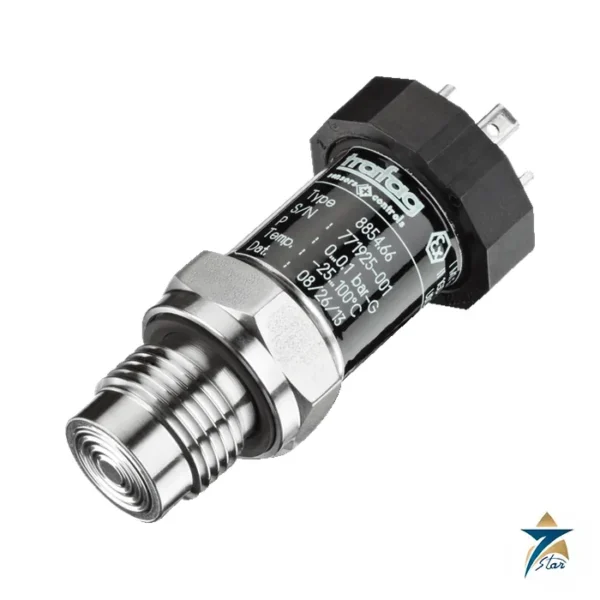
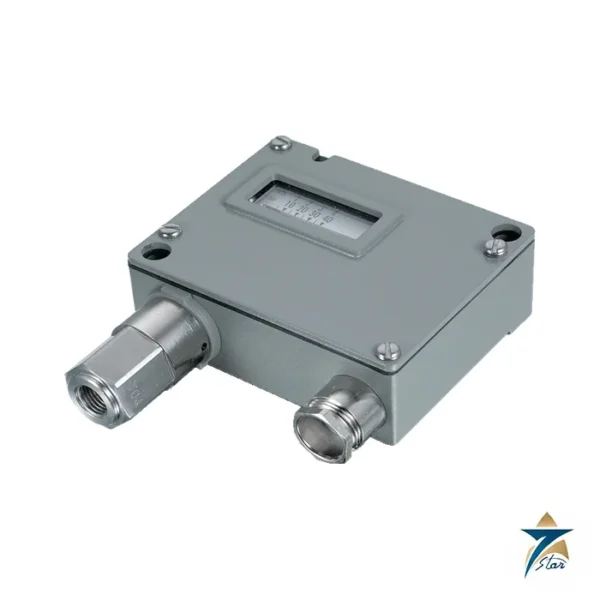
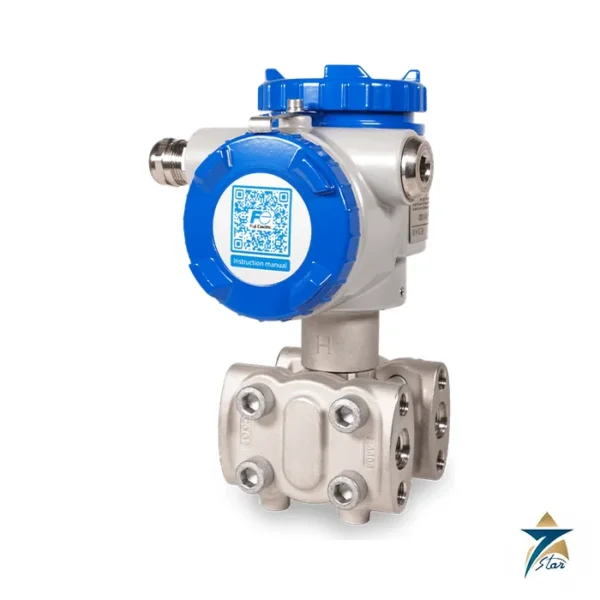
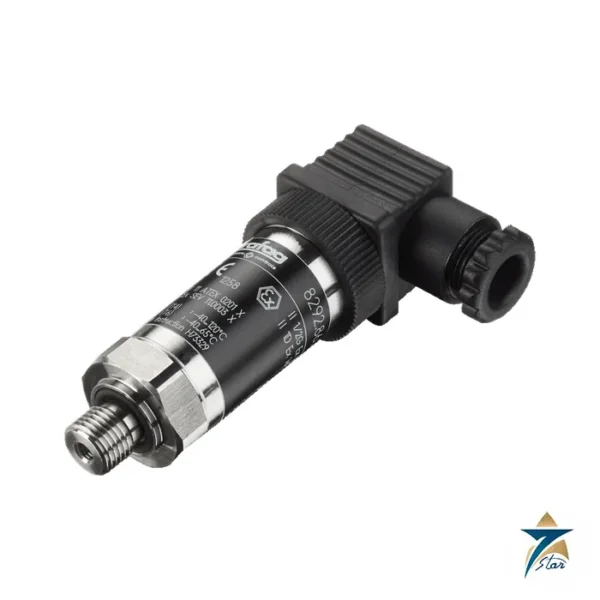
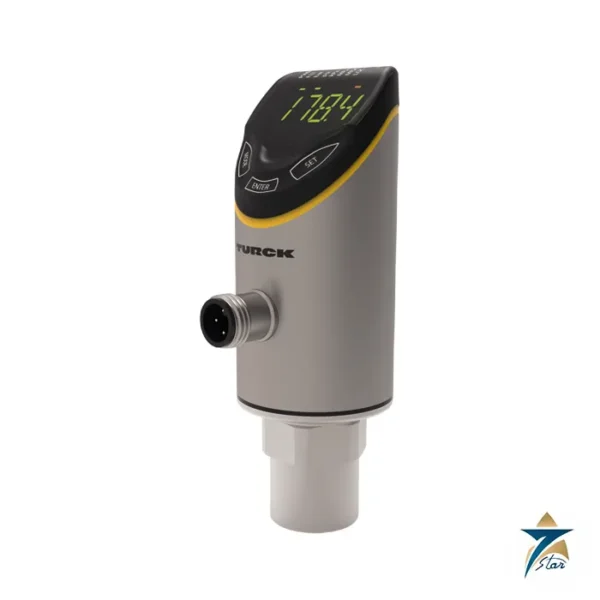
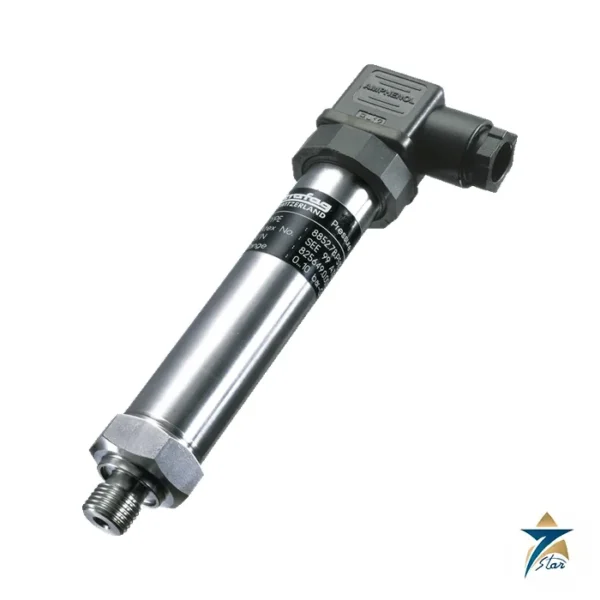
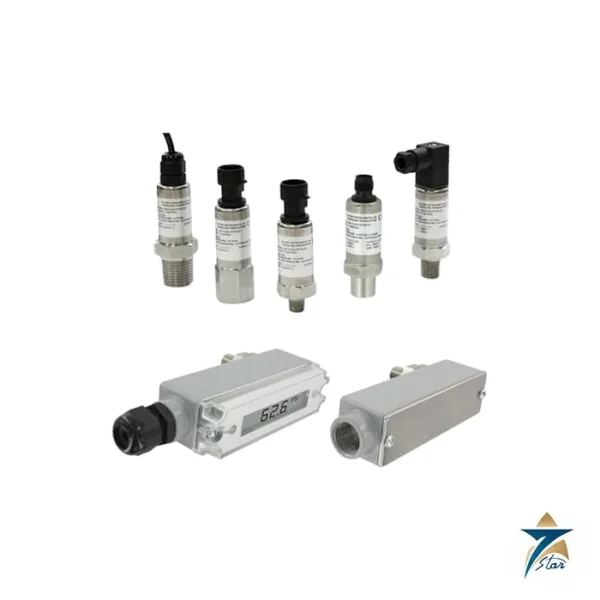
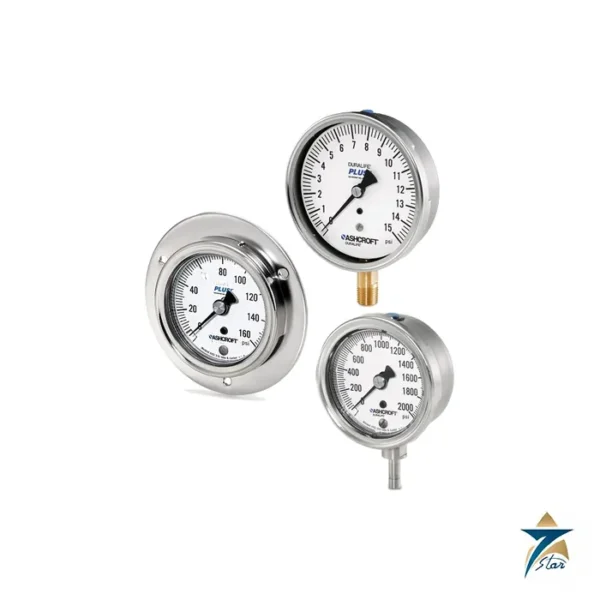
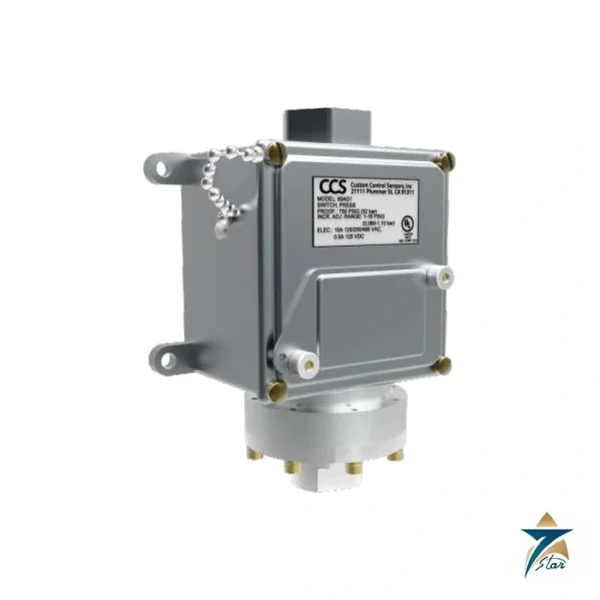
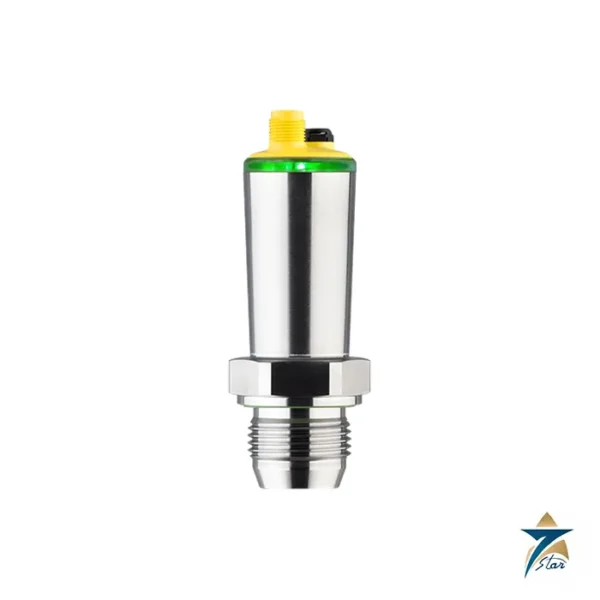
Pressure instrumentation in this category includes pressure transmitters, differential pressure transmitters, pressure gauges, pressure switches and transducers for process and utility service. The listings come from WIKA, Rosemount, Endress+Hauser, ABB and Yokogawa, together with several specialist makers of gauges and switches. Seven Star LLC supplies these gauge pressure transmitters, gauges and switches from Muscat to plants and contractors in Oman and the GCC.
Pressure transmitters, gauges and switches in this category
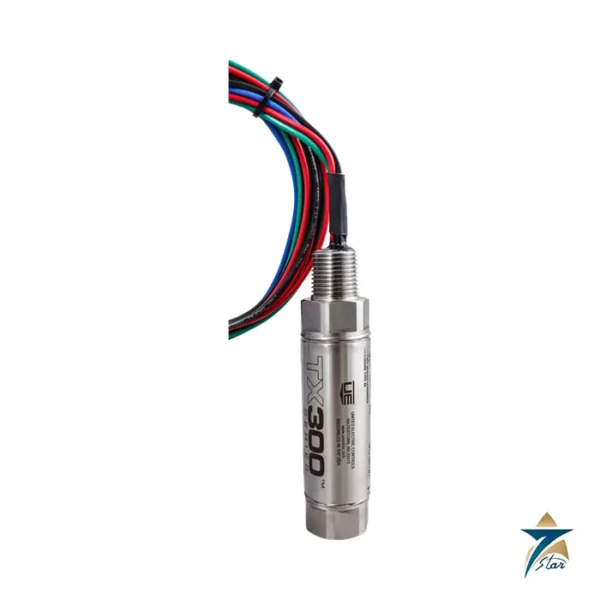
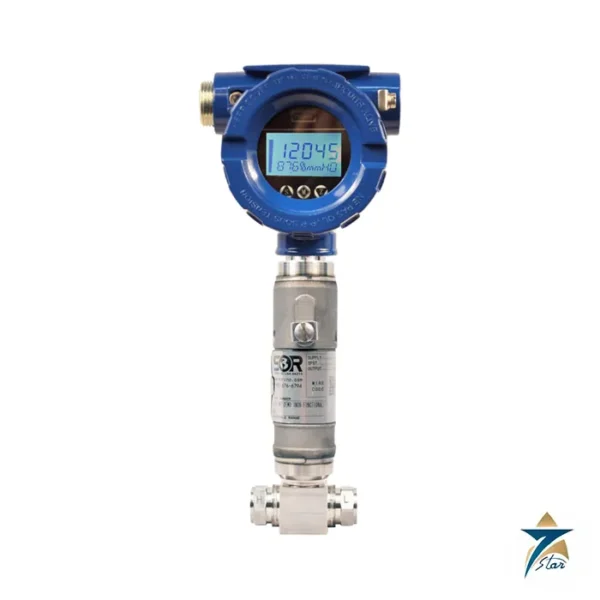
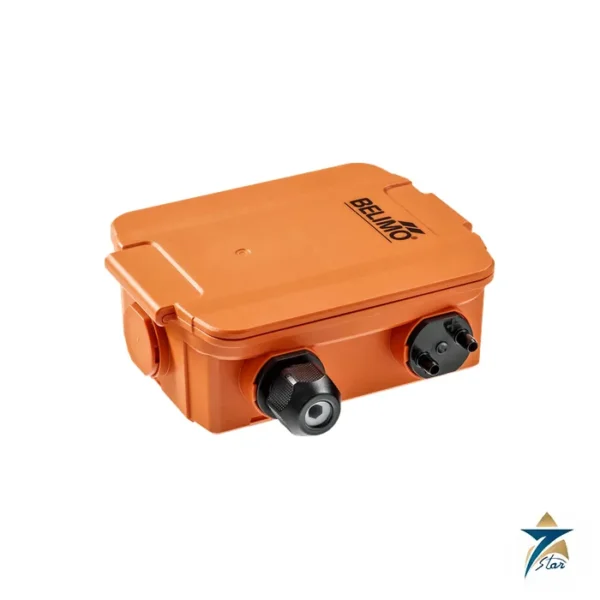
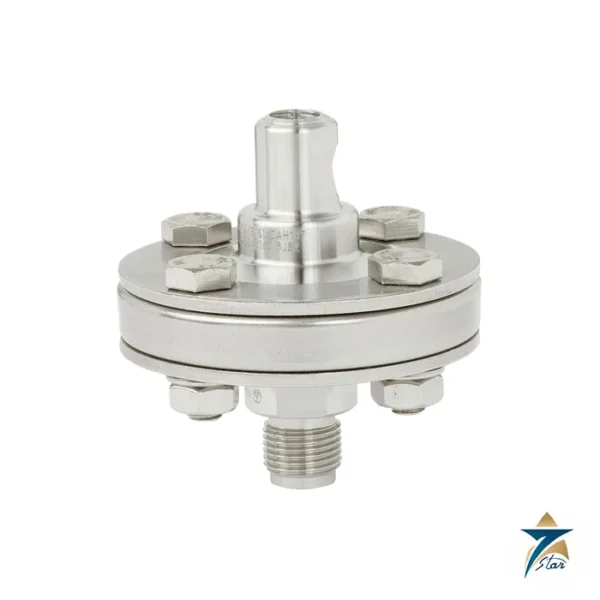
Transmitters. Gauge pressure, absolute pressure and differential pressure transmitters with 4-20 mA and HART output, including coplanar designs, remote seal versions from Honeywell and others for hot, viscous or corrosive media, and compact transmitters from JUMO and VEGA.
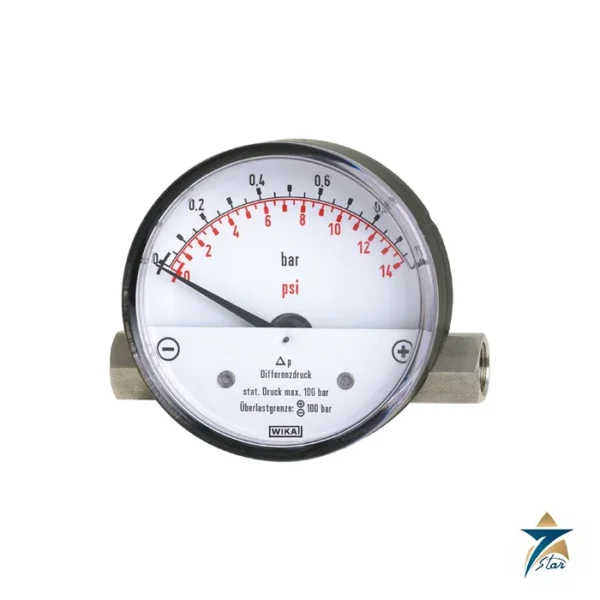
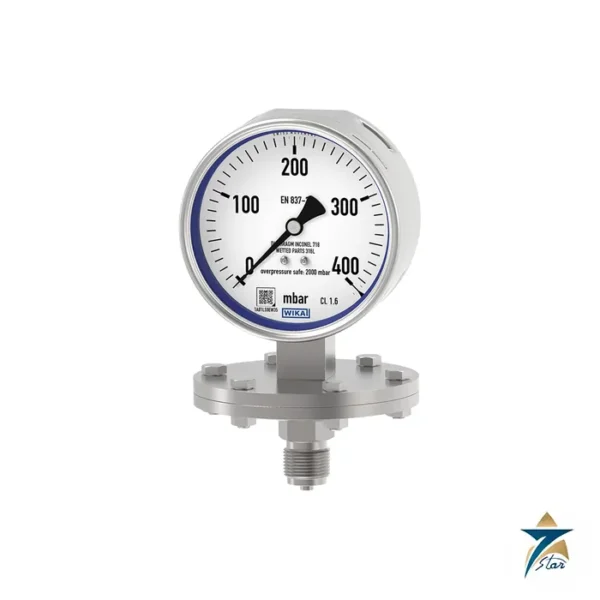
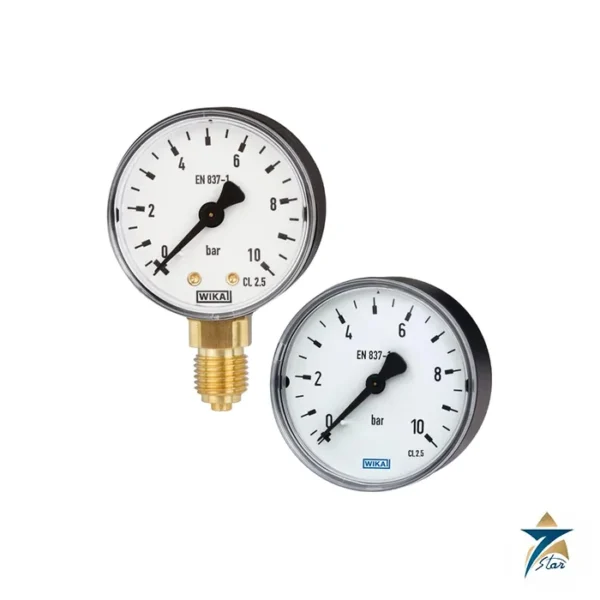
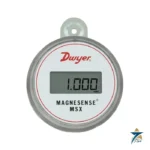
Pressure gauges. Process gauges from WIKA and Ashcroft and low-range differential pressure gauges from Dwyer Instruments for filters, ducts and clean rooms.
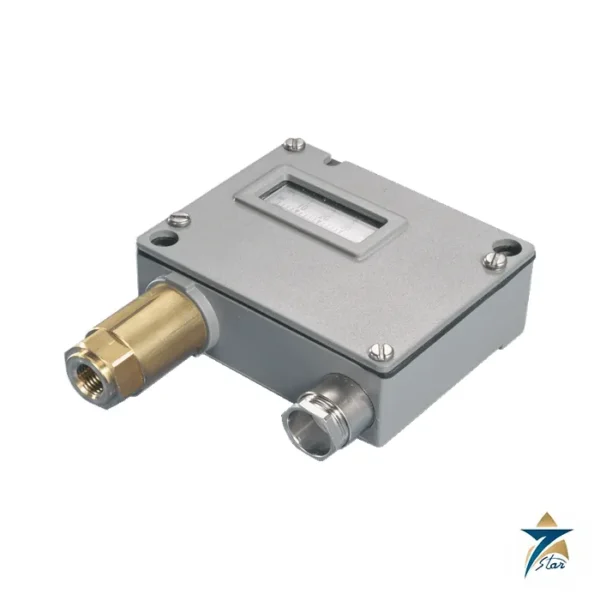
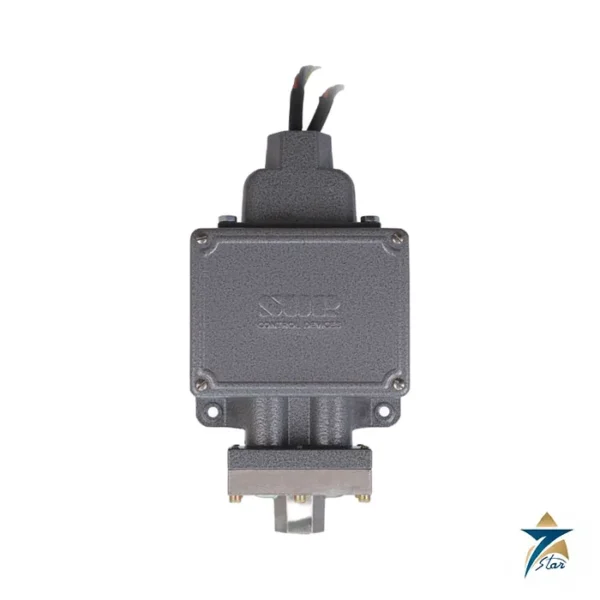
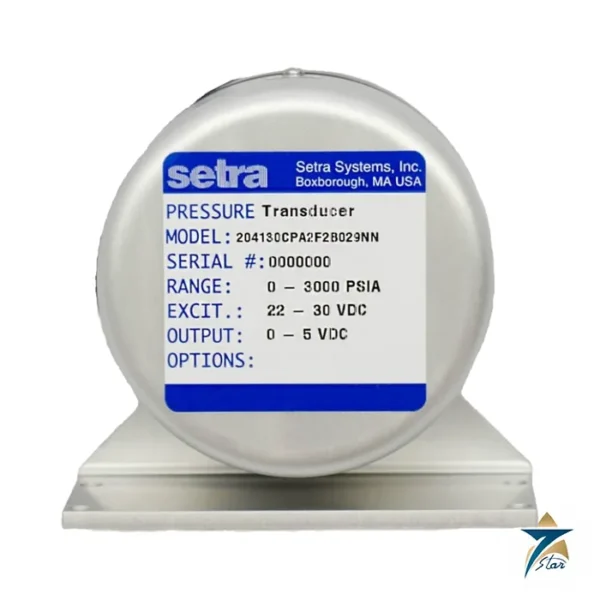
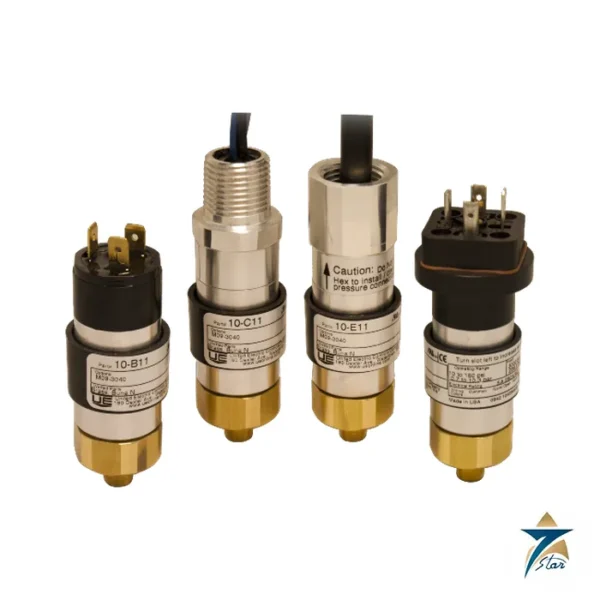
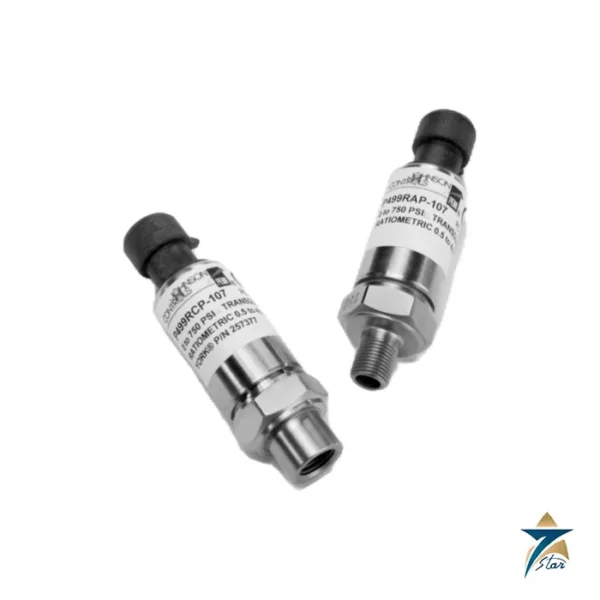
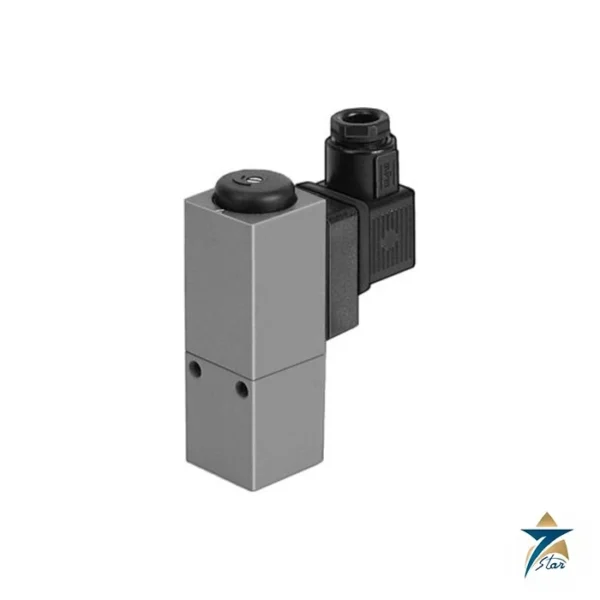
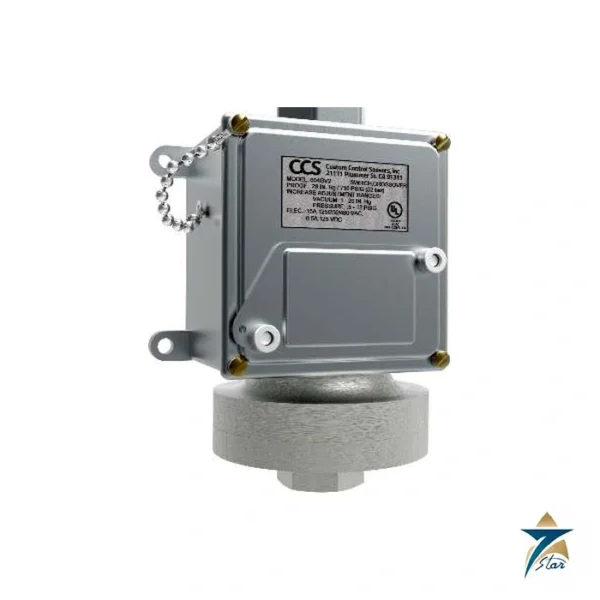
Pressure switches and transducers. Mechanical and electronic pressure switches from United Electric Controls and WIKA, and pressure transducers from Setra Systems.
Selecting a gauge pressure transmitter or DP transmitter
Decide the reference first: gauge, absolute or differential. Then set the calibrated span inside the sensor range, leaving margin for overpressure. Wetted parts, diaphragm material and fill fluid must suit the medium and its temperature. A diaphragm seal is added when the process is too hot, corrosive, viscous or prone to plugging for a direct connection. Differential pressure transmitters also measure flow across an orifice and level in a closed vessel, and in those duties the static pressure rating and the manifold arrangement matter. For gauges, the main options are dial size, case filling, connection position and accuracy class. Sour service calls for materials to NACE MR0175 / ISO 15156, and classified areas for ATEX or IECEx approved versions.
What to send for a pressure instrument quotation
Send the model code, or the range, process fluid, temperature, process connection, wetted material, output, electrical connection, area classification and certificates needed. We check it against the manufacturer documentation, and if the model is obsolete we propose the manufacturer’s successor. The manufacturer’s datasheet and the certificates the manufacturer issues are provided on request.
What to include in your inquiry
These details let us quote the right item the first time.
- Measuring range and unit
- Gauge, absolute or differential pressure
- Process connection and wetted material
- Output signal or dial size
- Medium and process temperature
- Hazardous-area approval, if required
Missing some of them? Send what you have. A nameplate photo or an old part number is enough to start.
Top brands in Pressure Instrumentation
All brands →











Most viewed in Pressure Instrumentation
Guides and articles
All articles → Rosemount 3051 Pressure Transmitter Explained: 3051C vs 3051T vs 3051L vs 3051S, Model Codes and Selection
 Pressure Transmitter Selection Guide: Gauge, Absolute, DP, Remote Seals and Multivariable Transmitters Explained
 Oman Industry 4.0 in 2026: Smart Factories, Digital Oilfields and the New Procurement Playbook