- Vibration Monitoring
- PLC & I/O Cards
- Industrial Communications
- Automation Accessories
- Controllers & Data Acquisition
- AC Drives
- Isolator & Barrier
- Industrial Computers
- Encoders
- Safety Switches & Guard Locking
- Automation Software
- HMI Displays
- Motor Soft Starters
- Servo Drives
- CCTV & Security
- Robotics
- Pneumatic Cylinders
- Machine Vision
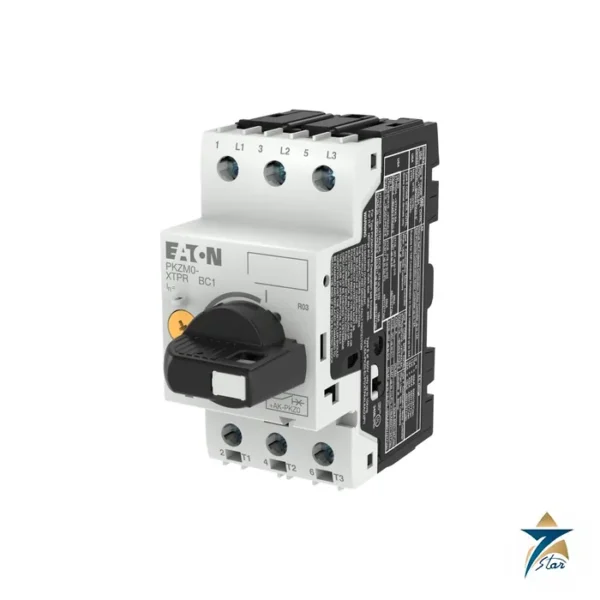
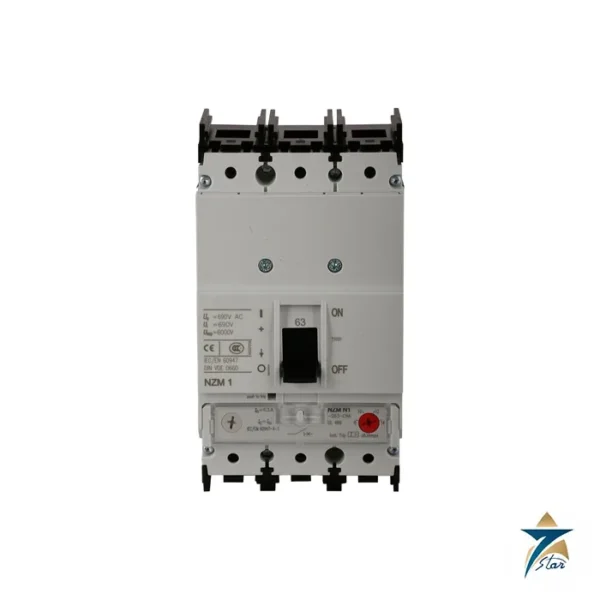
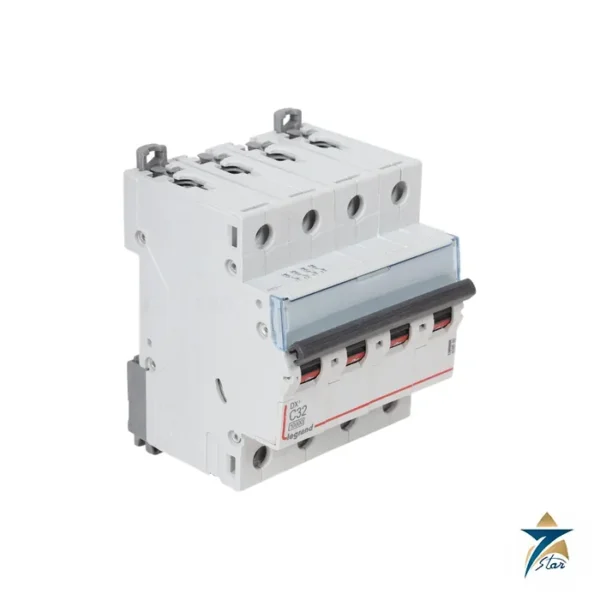
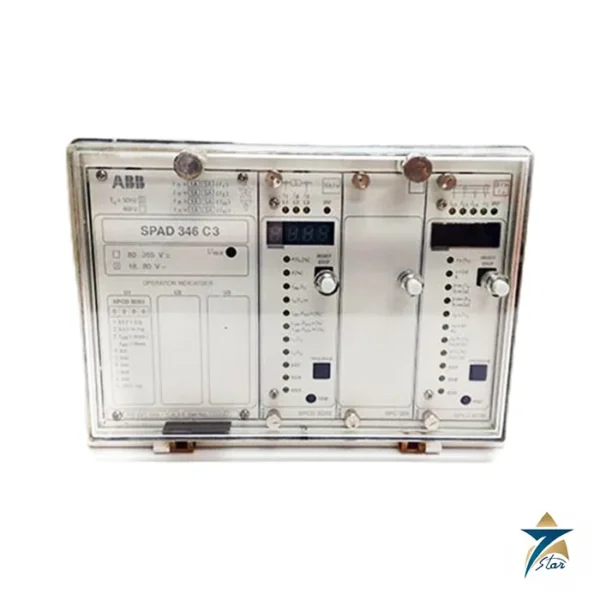

Category guide
About Circuit Breakers
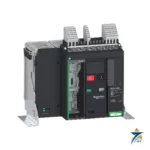
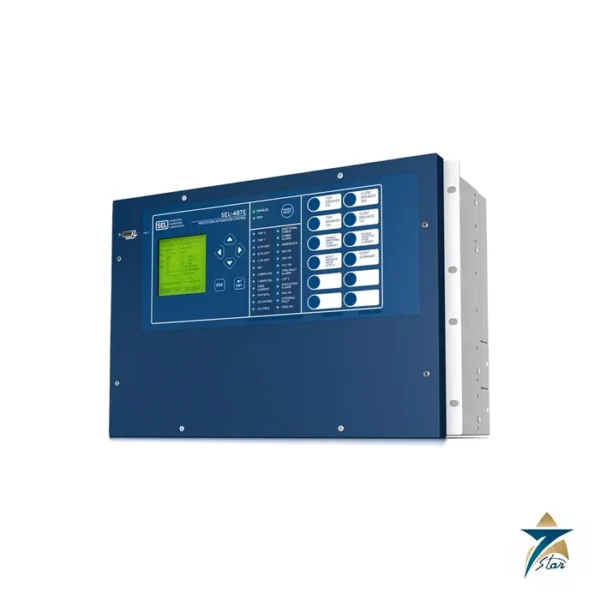
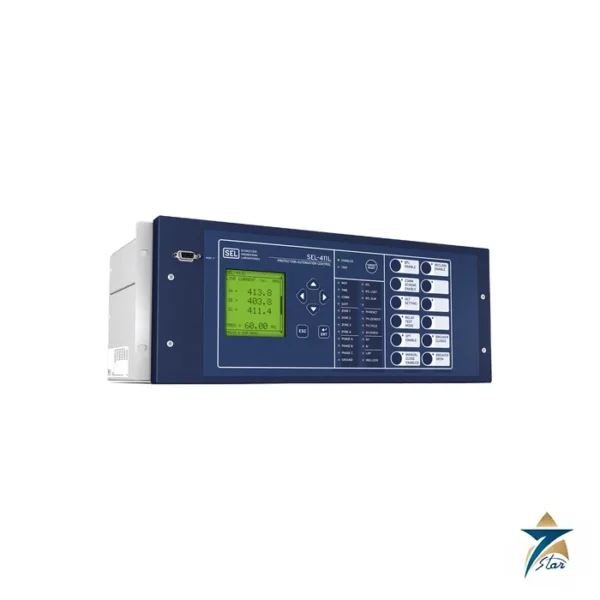
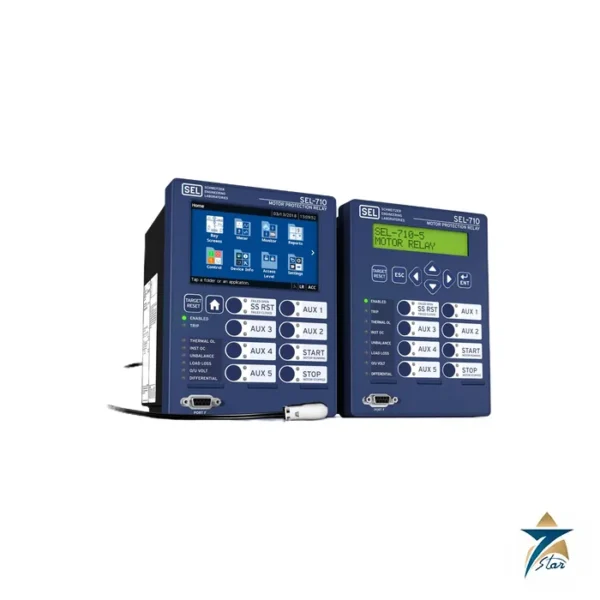
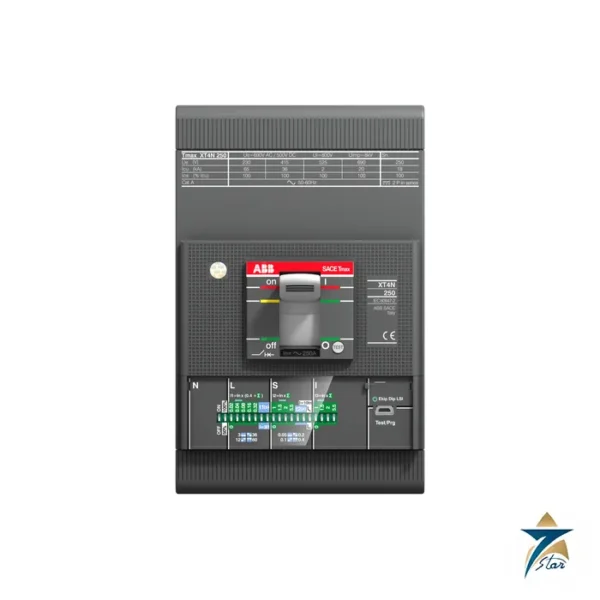
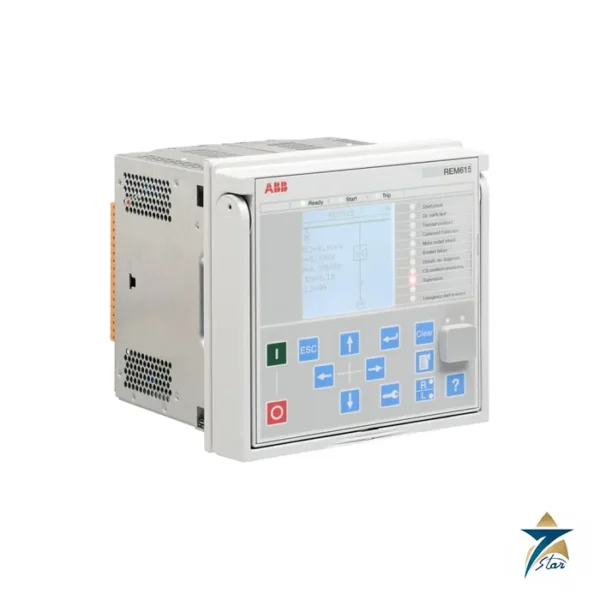
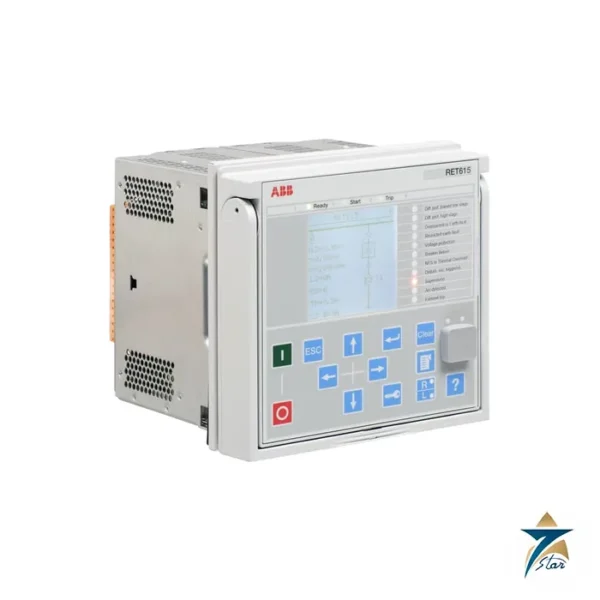
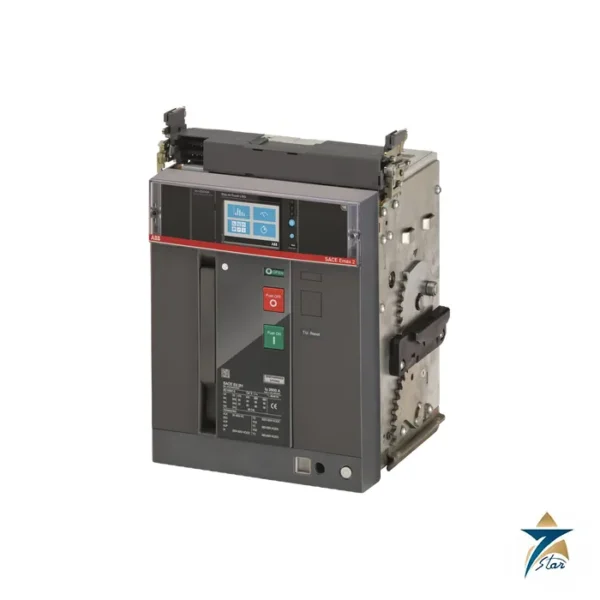
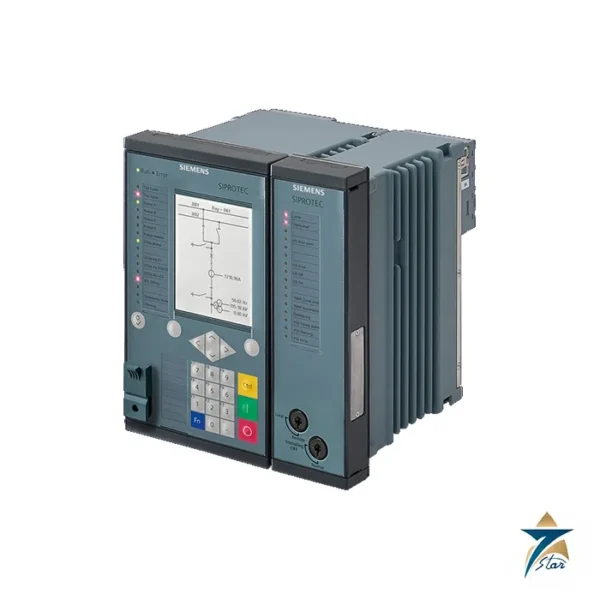
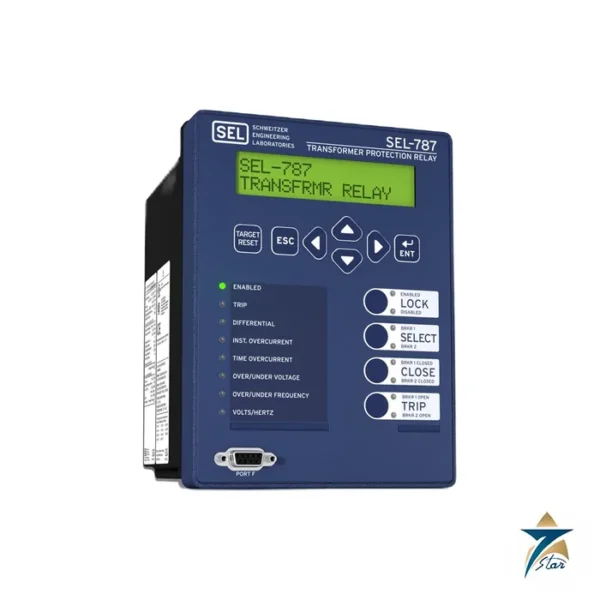
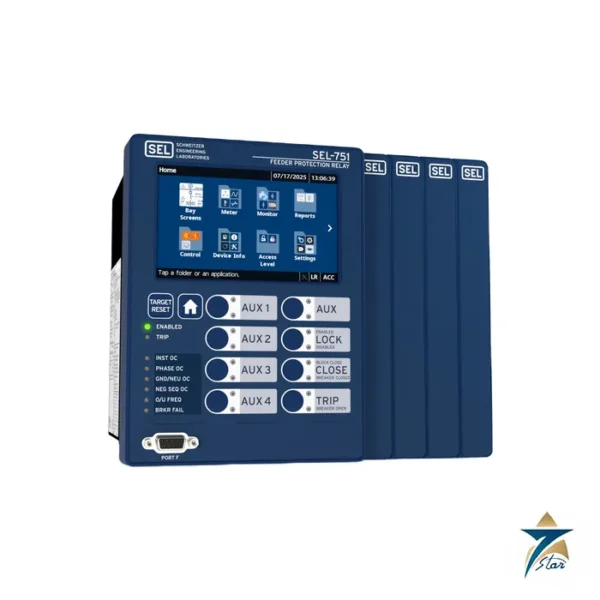
Circuit breakers interrupt overload and short-circuit currents before cables and equipment are damaged, and protection relays decide when the larger breakers should trip. Seven Star LLC supplies both to electrical contractors, panel builders and plant engineers in Oman. This category is dominated by Schneider Electric, with Compact NSX and PowerPact molded case circuit breakers, Acti9 and Multi 9 devices and TeSys motor circuit breakers, and also lists ABB breakers and relays, SEL and Siemens SIPROTEC protection relays, Eaton fuses and Legrand miniature circuit breakers.
Types of circuit breaker and protection device listed
- Miniature circuit breakers, RCBOs and RCD modules: final circuit protection against overcurrent and earth leakage.
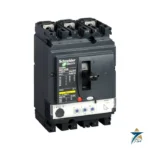
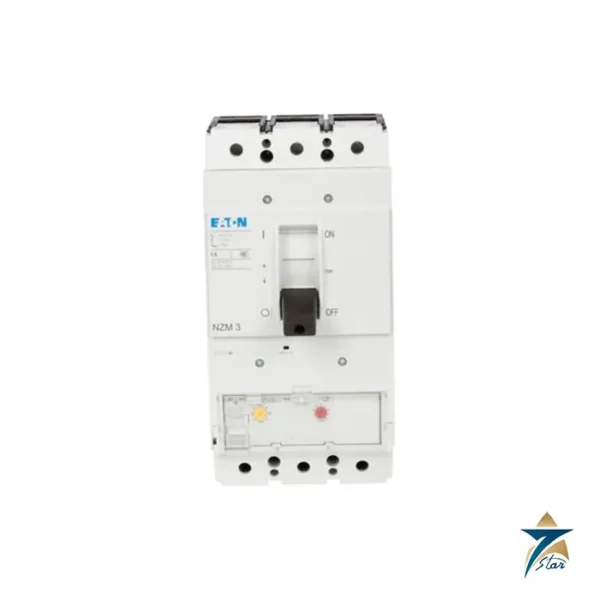
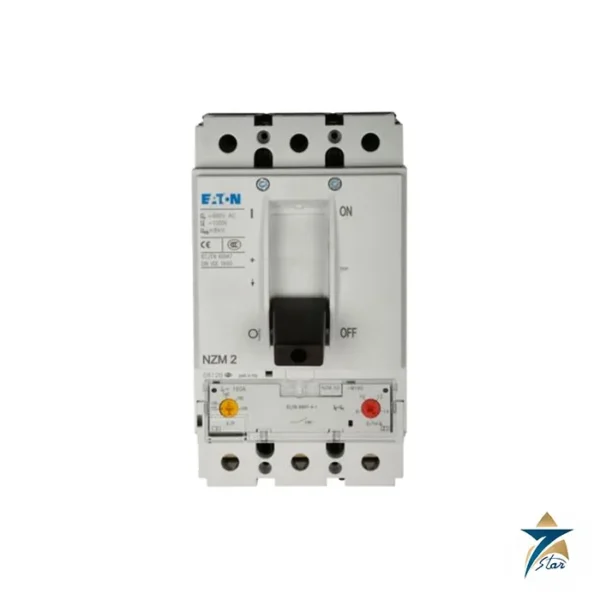
- Molded case circuit breakers (MCCB): distribution and feeder protection, with thermal-magnetic or electronic trip units such as MicroLogic.
- Motor circuit breakers: short-circuit and adjustable overload protection for a single motor.
- Load break and disconnect switches: isolation under load, without protective tripping.
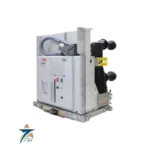
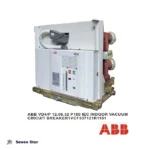
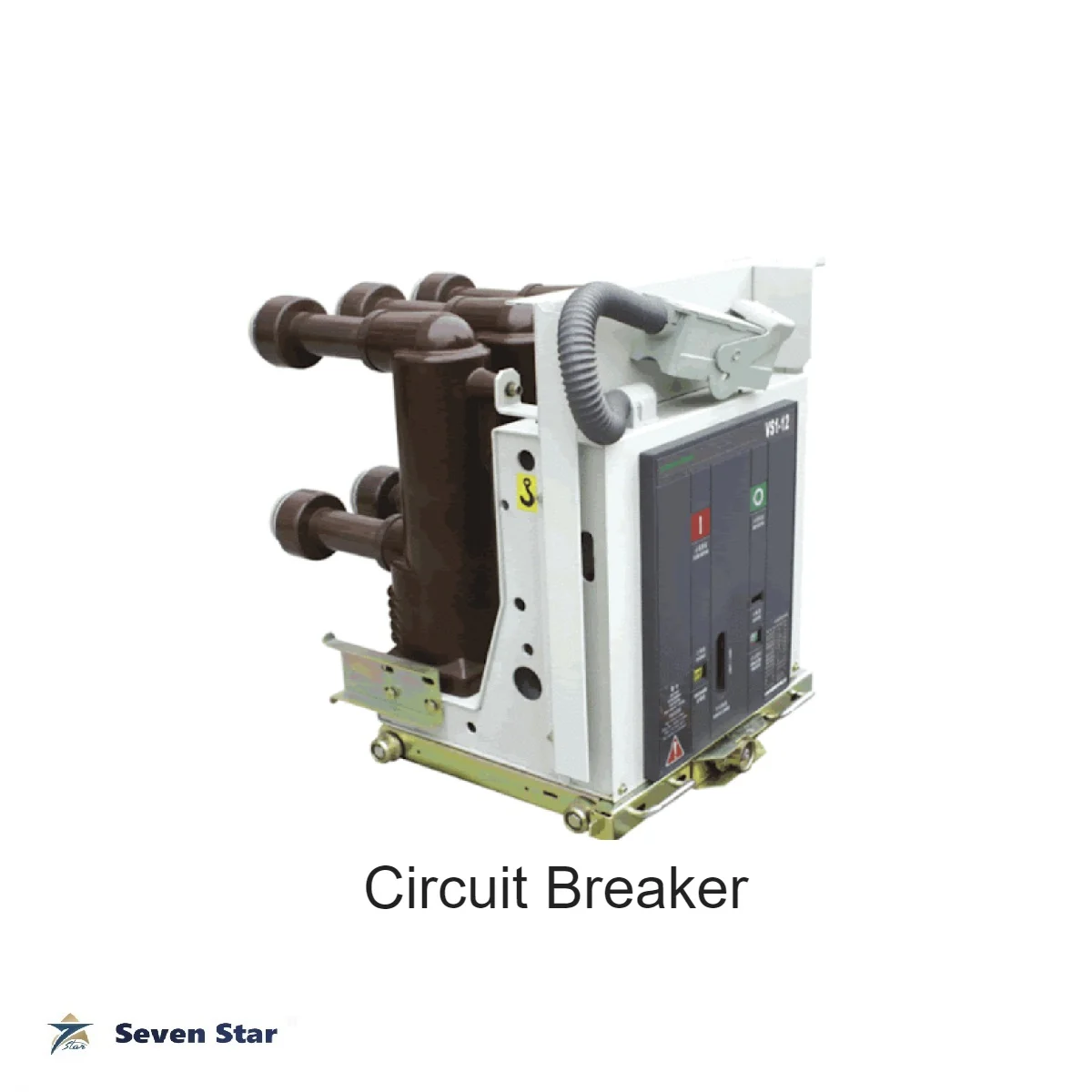
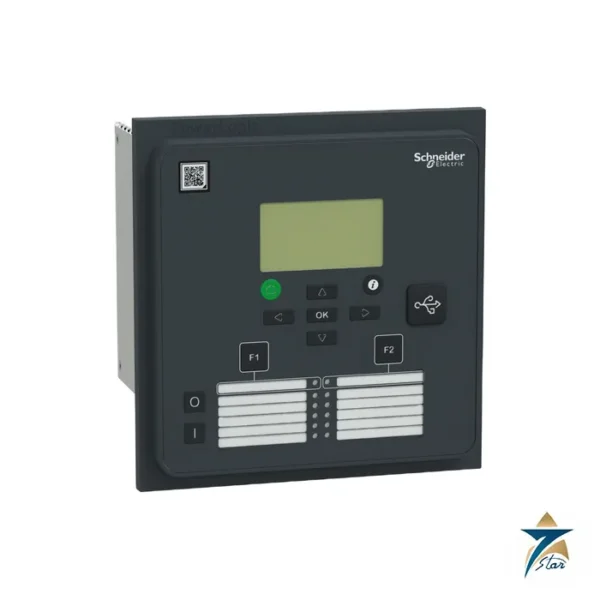
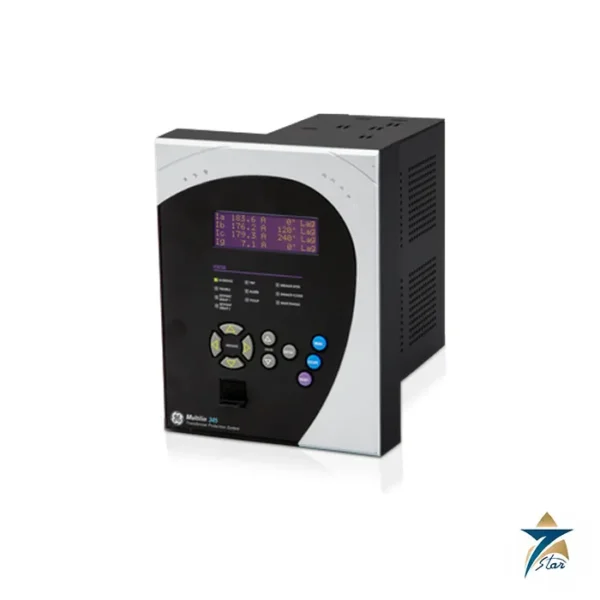
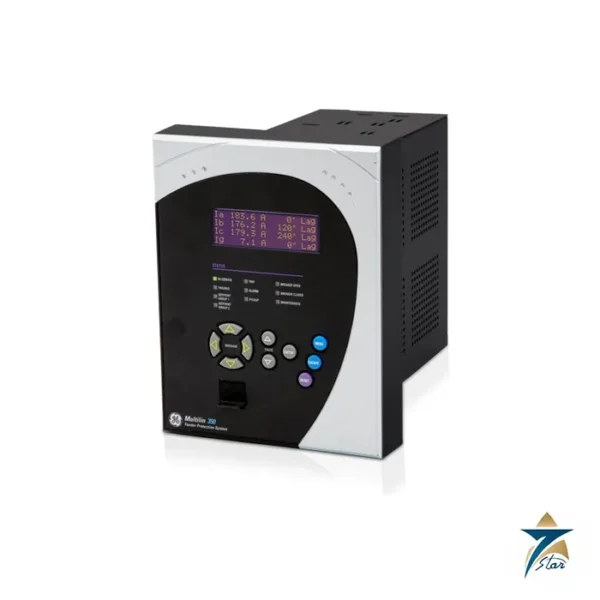
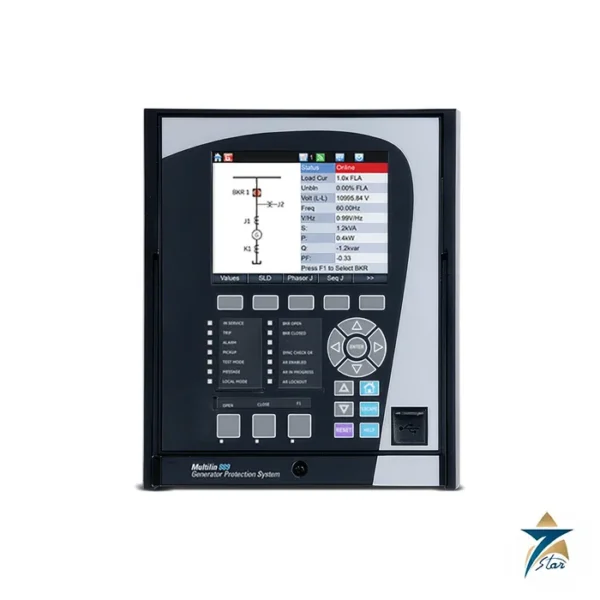
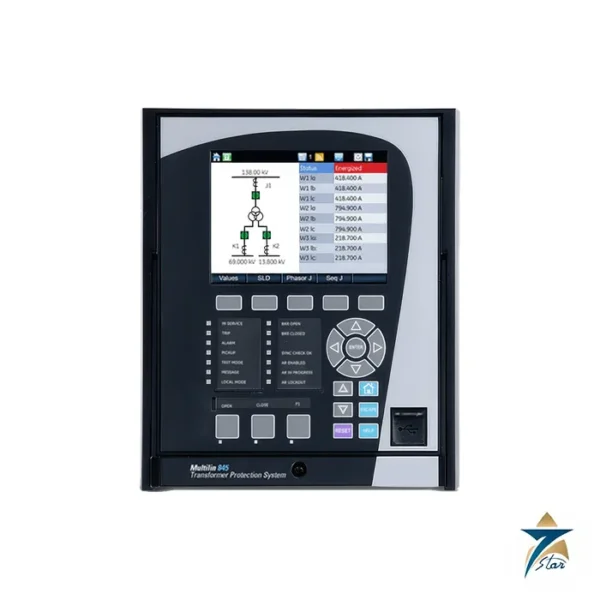
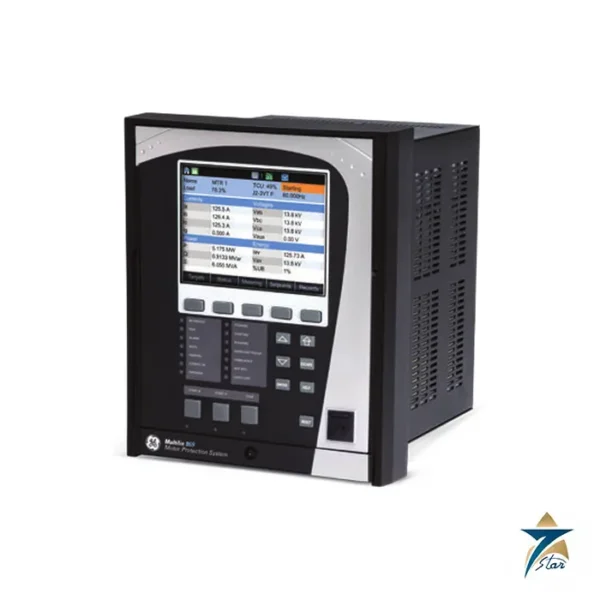
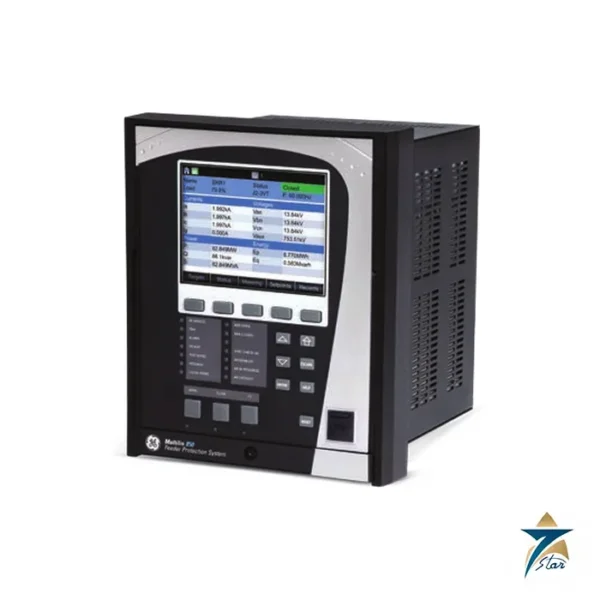
- Vacuum circuit breakers and protection relays: medium-voltage switchgear, with feeder, motor and transformer relays.
- Fuses: Class J time-delay fuses for North American style panels.
How to select a circuit breaker
Five values define a low-voltage breaker: rated current, number of poles, rated voltage, breaking capacity and the trip characteristic. The breaking capacity must be at least equal to the prospective short-circuit current at the point of use, a figure that comes from the fault level study and not from the load. The trip curve or trip unit settings are chosen so that the breaker nearest the fault opens first, which is called selectivity or discrimination, and manufacturers publish tables for combinations of their own devices. Ambient temperature affects thermal trip units, so breakers in hot outdoor panels in the GCC may need derating or an electronic trip unit. For medium-voltage breakers add rated voltage, short-time withstand current, control voltage for the coils and motor, and fixed or withdrawable construction.
Data needed to quote a breaker or protection relay
Send the full reference, including the trip unit and accessories. For relays, send the complete order code, since CT rating, auxiliary voltage and protocol are fixed at ordering.
What to include in your inquiry
These details let us quote the right item the first time.
- Manufacturer part number or catalogue reference
- Rated current and voltage
- Breaking capacity and number of poles
- Trip unit and accessories
- Quantity
Missing some of them? Send what you have. A nameplate photo or an old part number is enough to start.