- Vibration Monitoring
- Industrial Communications
- PLC & I/O Cards
- Automation Accessories
- Controllers & Data Acquisition
- AC Drives
- Industrial Computers
- Encoders
- Isolator & Barrier
- Safety Switches & Guard Locking
- Automation Software
- HMI Displays
- Motor Soft Starters
- Servo Drives
- CCTV & Security
- Robotics
- Pneumatic Cylinders
- Machine Vision
Category guide
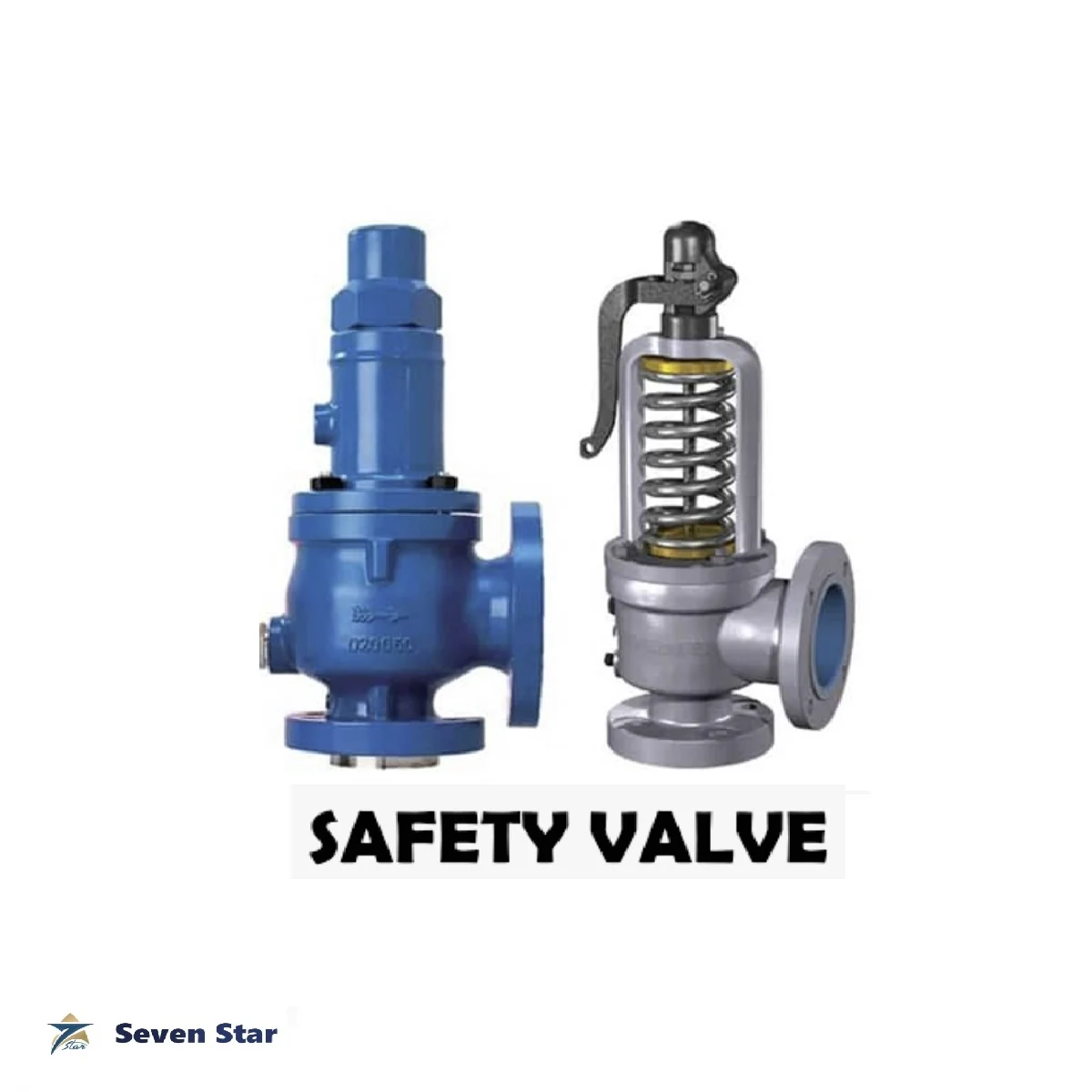
About Safety Relief Valves
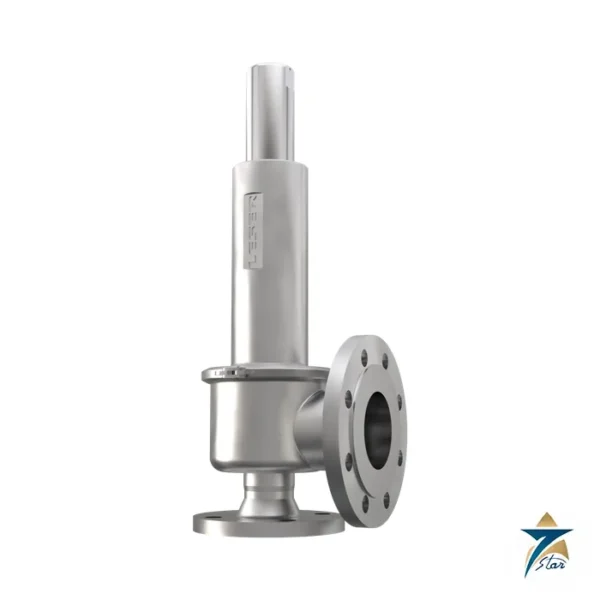
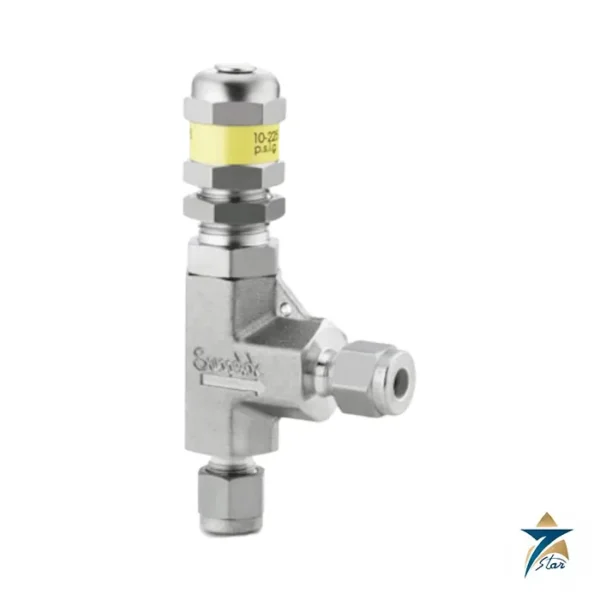
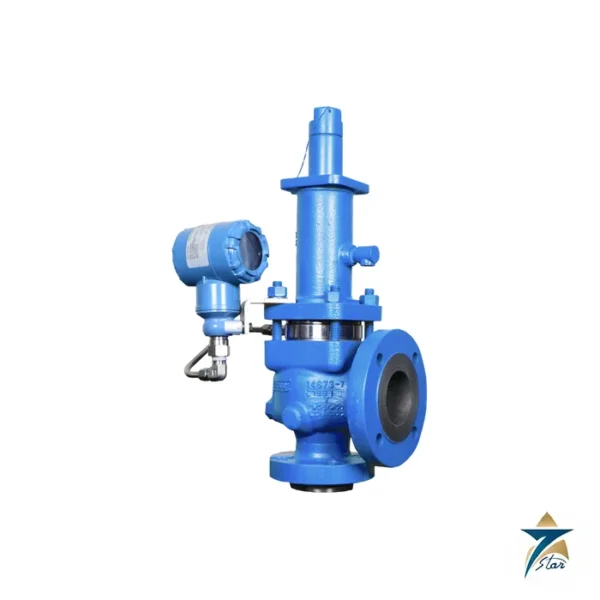
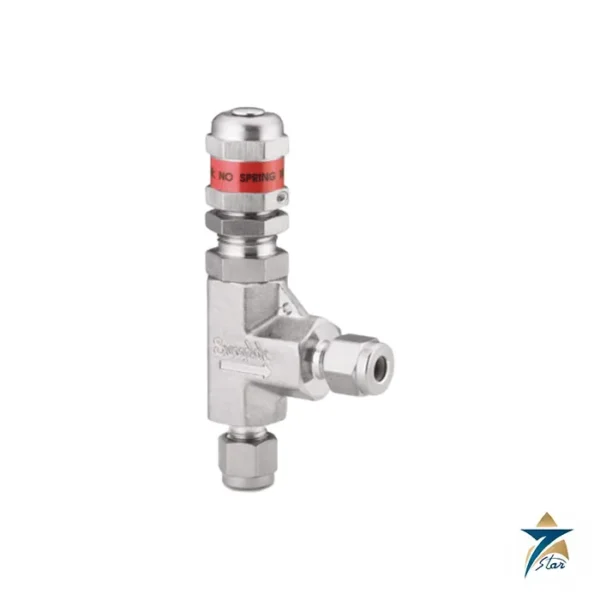
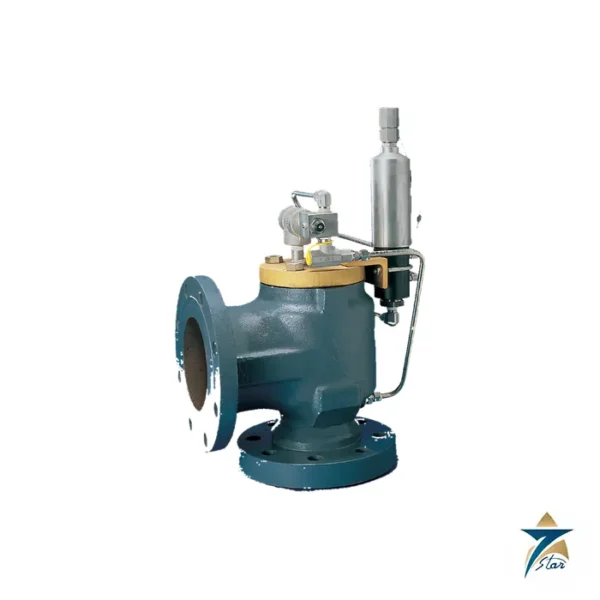
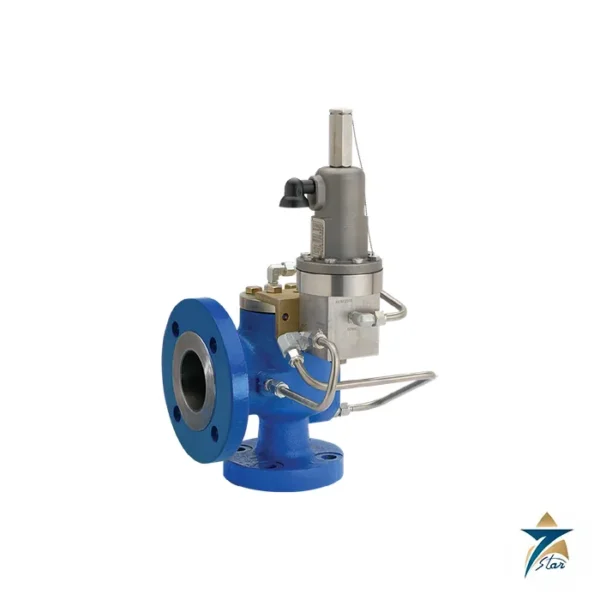
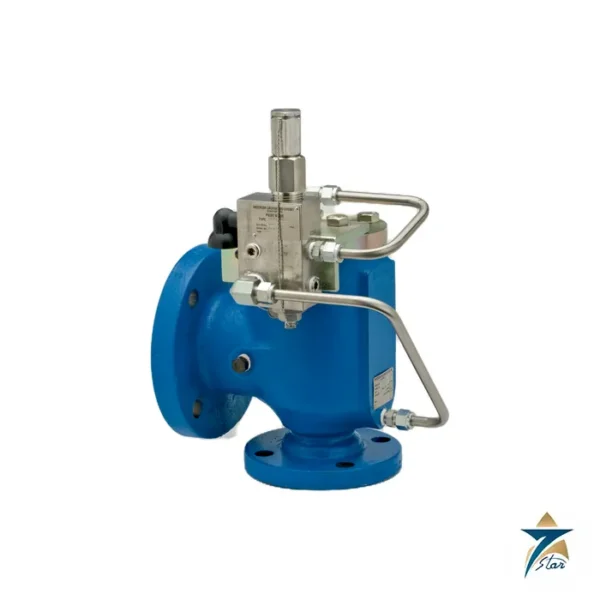
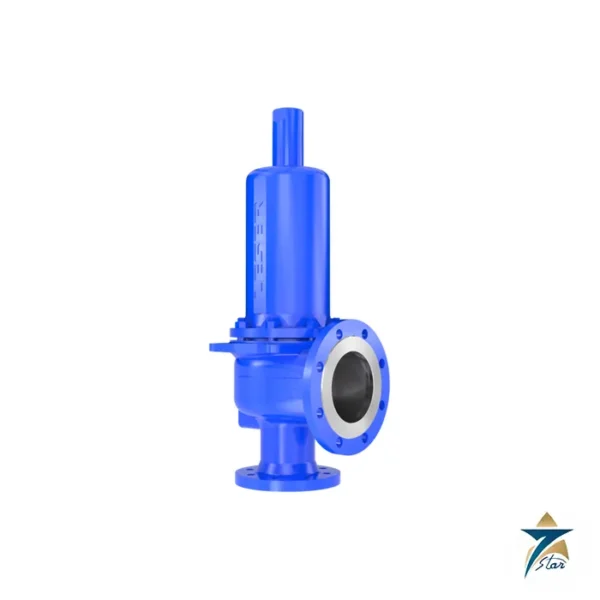
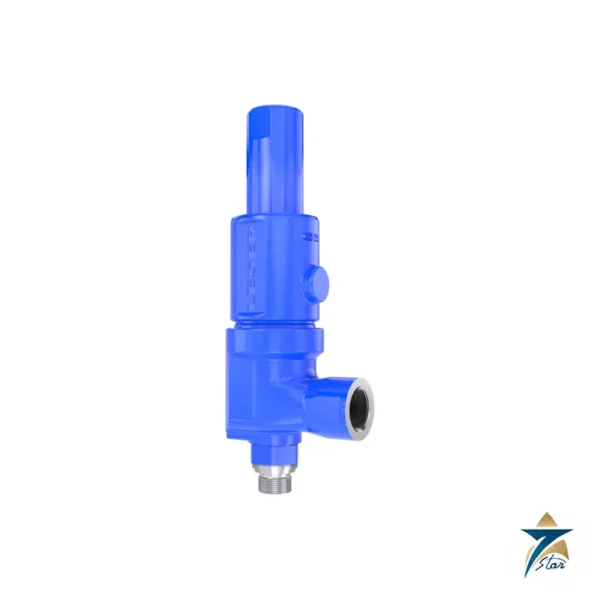
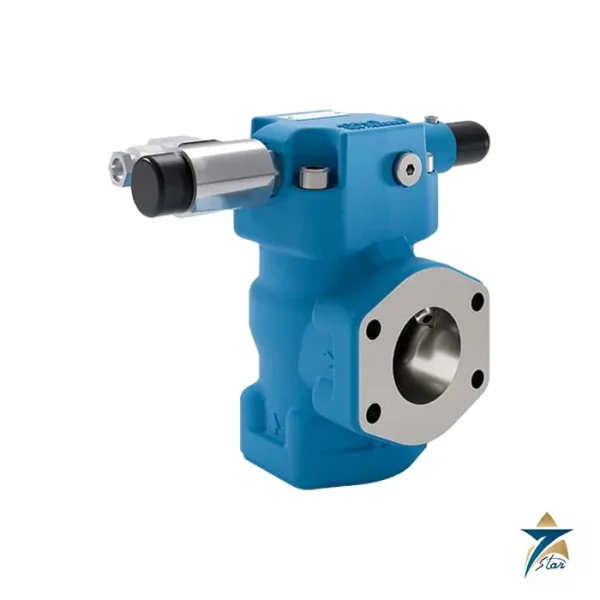
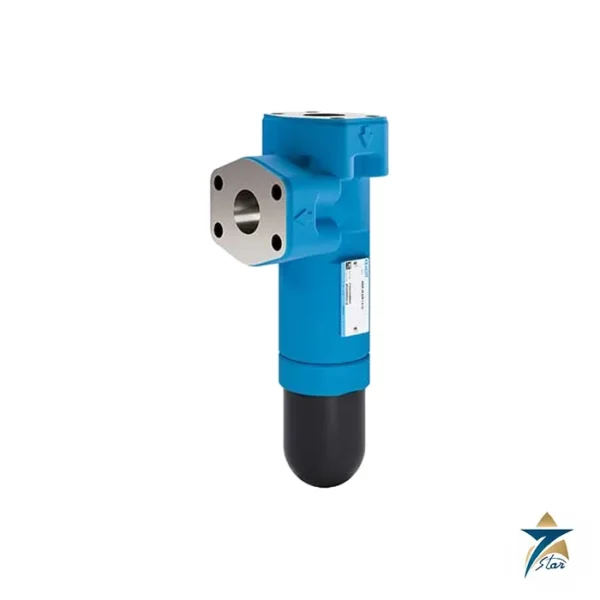
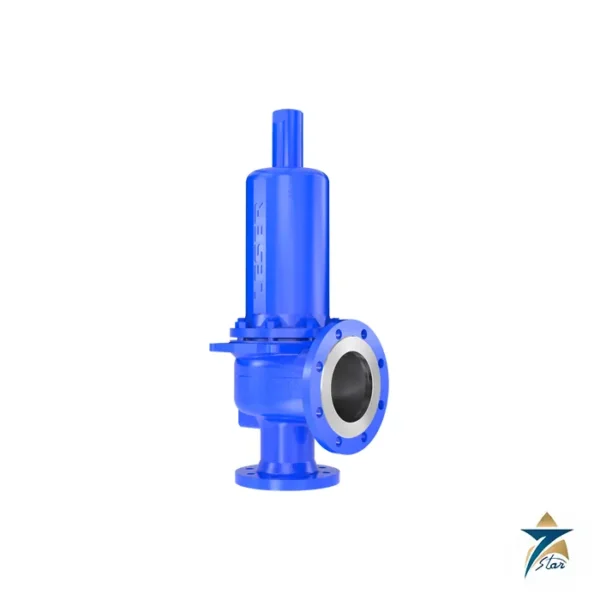
Safety relief valves protect pressure vessels, boilers and piping by opening automatically when pressure reaches the set point and closing again once it has fallen. Seven Star LLC supplies safety valves and pressure relief valves in Oman from LESER, Crosby and Anderson Greenwood, together with hydraulic relief valves from KRACHT and Bosch Rexroth.
The listed items run from small threaded safety valves to API 526 flanged valves, clean service valves and change-over valves.
Types of safety and pressure relief valves listed
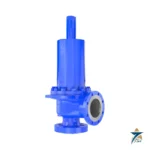
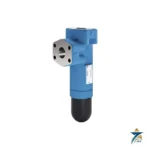
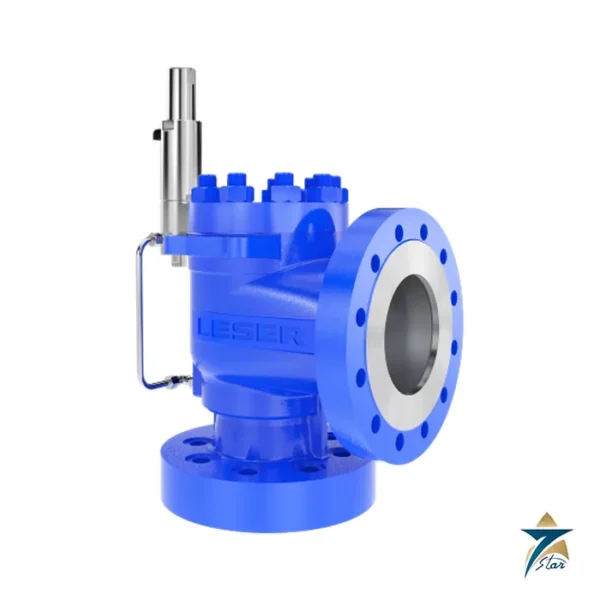
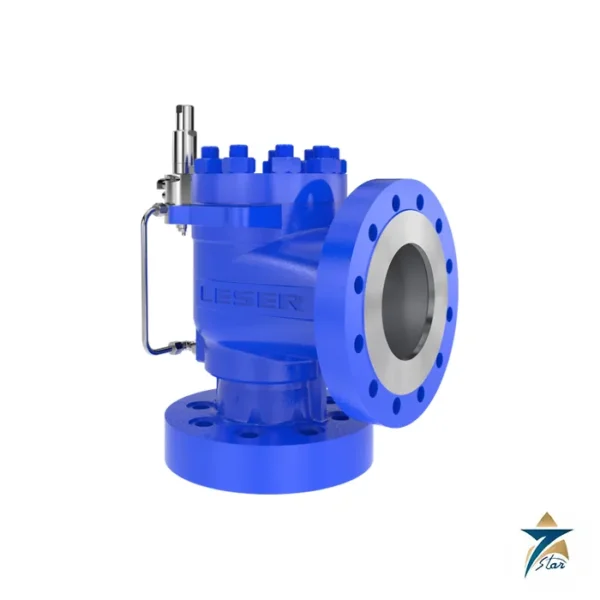
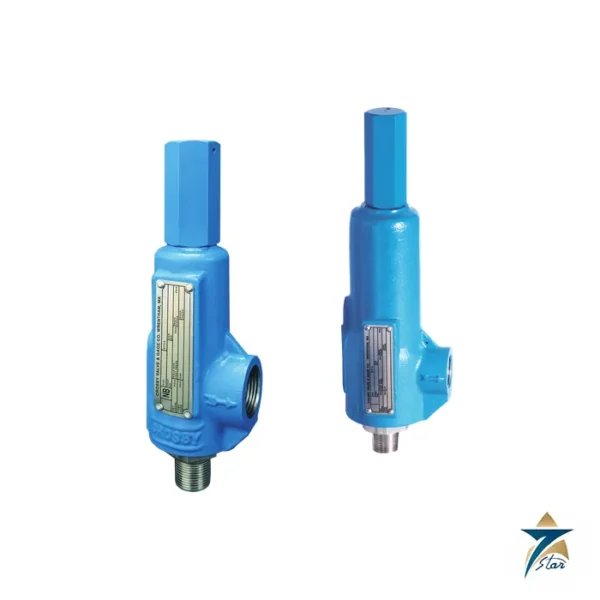
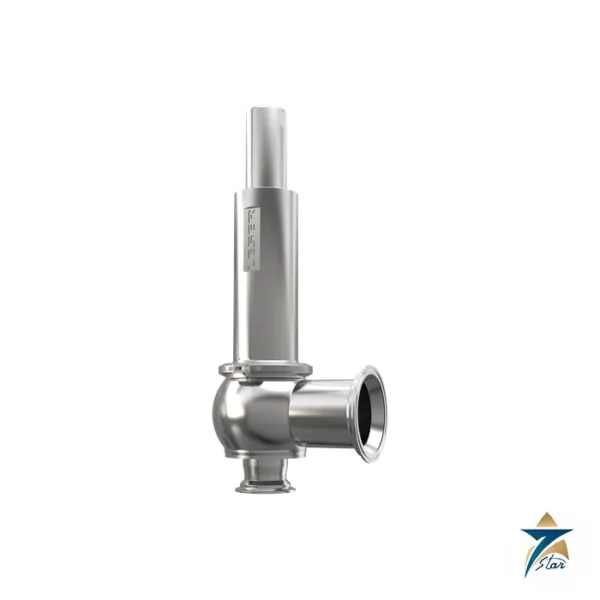
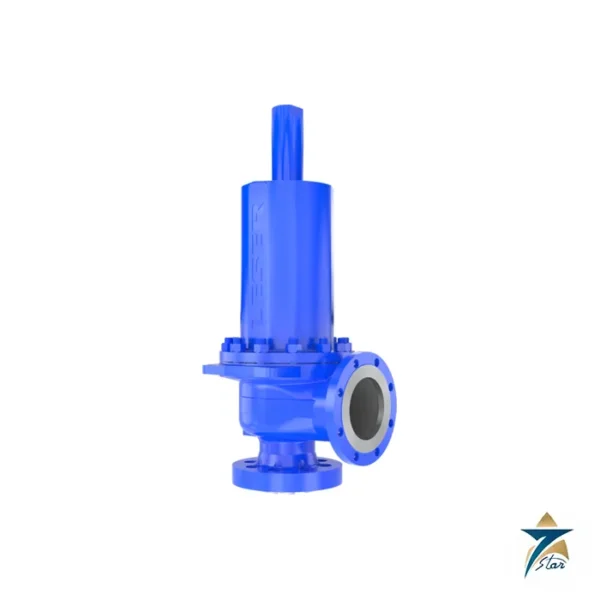
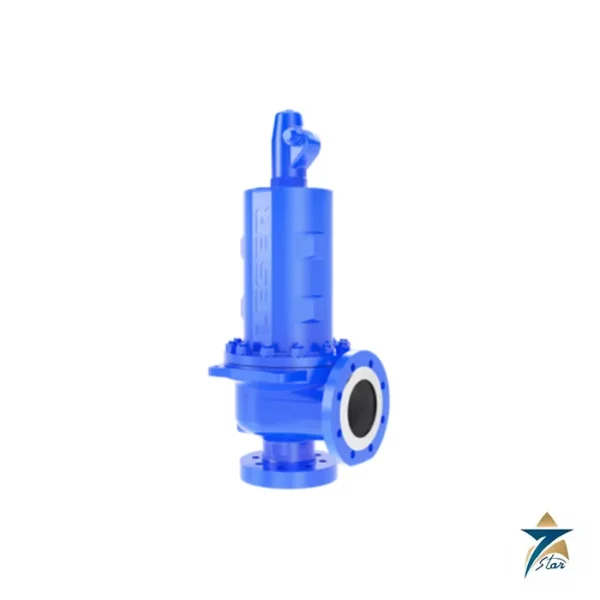
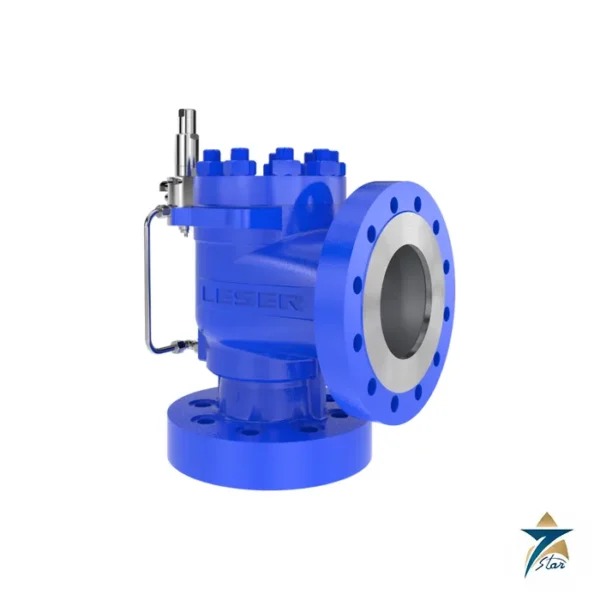
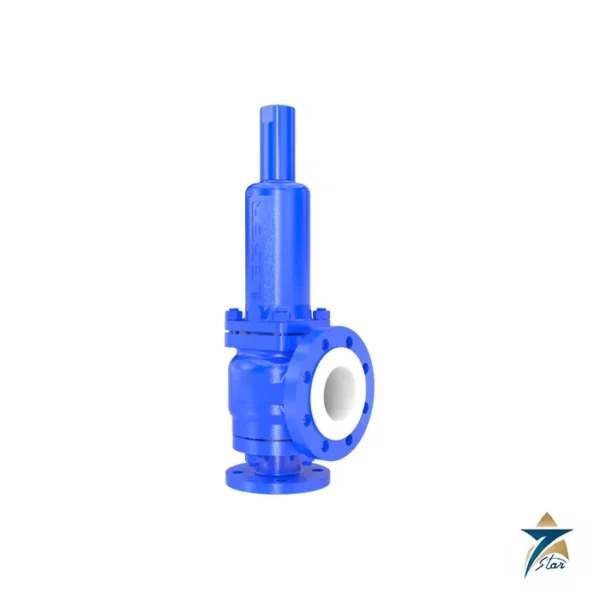
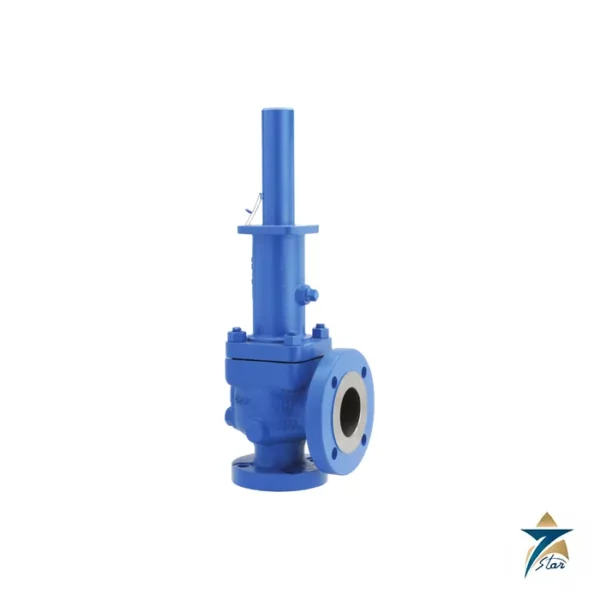
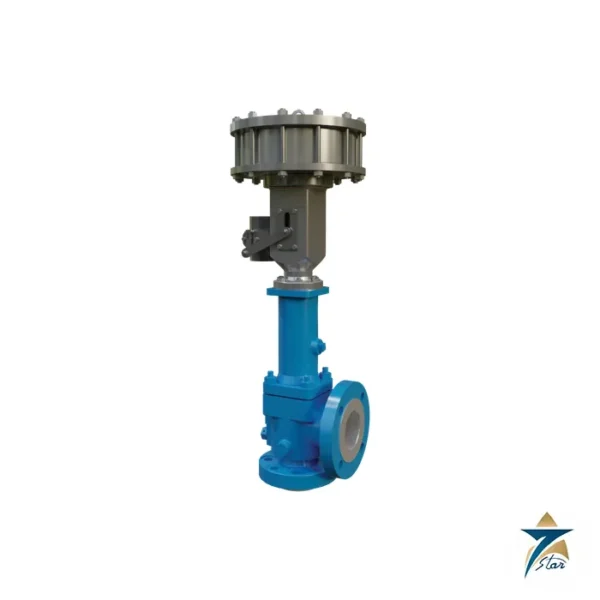
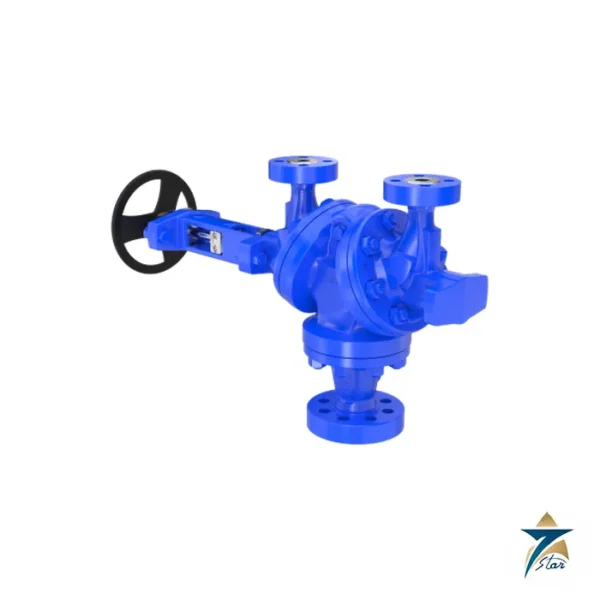
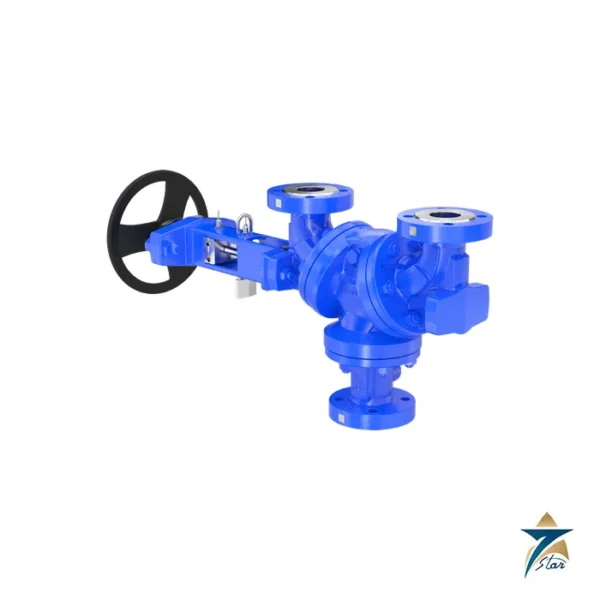
LESER makes up most of the category. The Type 526 is a flanged safety relief valve built to the API 526 dimensions and orifice designations used in refineries and gas plants. The Type 441/442 is the DIN flanged counterpart, common in European-built plants. Threaded valves such as Types 437, 459 and 462 cover small capacities, for example thermal relief, pumps and skid packages, and Types 483 and 488 are designed for clean service in pharmaceutical and food plants. Change-over valves (Types 310, 320 and 330) let two safety valves share one nozzle so that one can be removed for testing while the other stays on line. Crosby JOS-E and OMNI-TRIM valves cover spring-loaded process duty. KRACHT and Bosch Rexroth valves are a different family: they limit pressure in oil hydraulic circuits and are not code safety valves for vessels.
Codes and standards for overpressure protection
Relief devices are sized and built to recognized codes. In ASME plants, valves for unfired pressure vessels follow ASME Section VIII, with sizing to API 520 and dimensions to API 526. European practice uses the Pressure Equipment Directive and ISO 4126. The code determines the allowable overpressure, the capacity certification and the nameplate marking, so the governing code must be stated in the inquiry.
Data needed to quote a safety relief valve
- Set pressure, back pressure (constant and built-up) and relieving temperature
- Fluid, its state and the required relieving capacity, or the orifice letter if already sized
- Inlet and outlet size, rating and flange facing
- Body, trim and spring materials, and bonnet type
- Governing code and options such as a lifting lever or bellows
With an existing valve, the nameplate details and serial number let us check the configuration against the manufacturer documentation. We handle inquiries from across the GCC.
What to include in your inquiry
These details let us quote the right item the first time.
- Set pressure
- Fluid and relieving temperature
- Required capacity or orifice size
- Inlet and outlet size and rating
- Body and trim material
- Code or standard named in your specification
Missing some of them? Send what you have. A nameplate photo or an old part number is enough to start.