- Vibration Monitoring
- Industrial Communications
- PLC & I/O Cards
- Automation Accessories
- AC Drives
- Controllers & Data Acquisition
- Industrial Computers
- Encoders
- Safety Switches & Guard Locking
- Isolator & Barrier
- Motor Soft Starters
- CCTV & Security
- HMI Displays
- Automation Software
- Pneumatic Cylinders
- Servo Drives
- Robotics
- Machine Vision
Fittings & Valves
Butterfly Valves
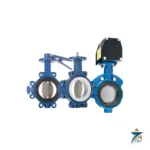
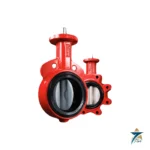
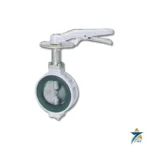
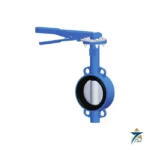
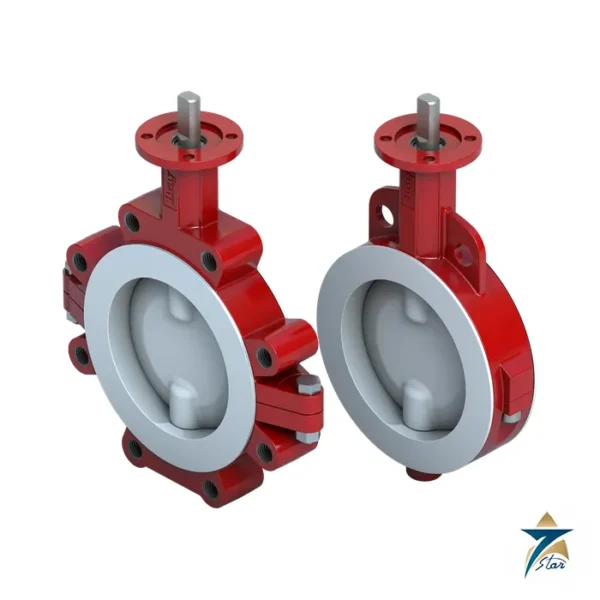
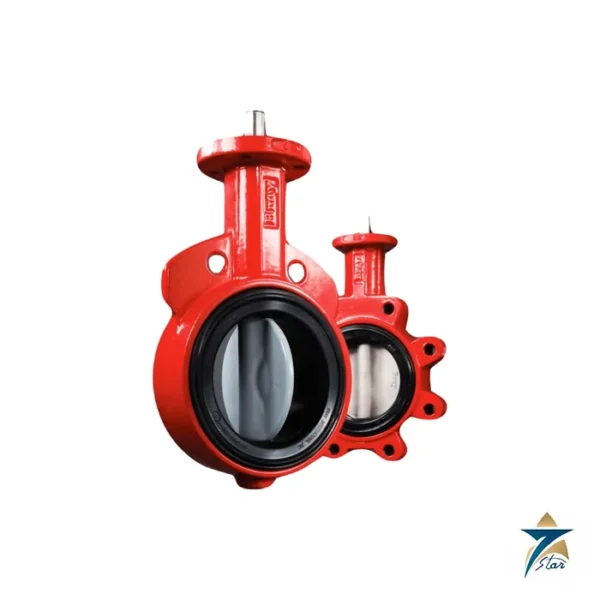
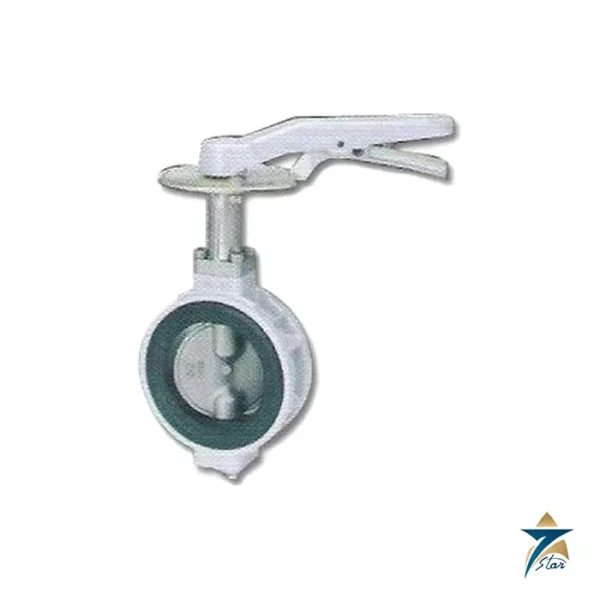
Butterfly valves isolate and regulate flow with a disc that turns a quarter turn on a shaft through the pipe. They are compact and light compared with gate and ball valves of the same size, which makes them the standard choice for large water, air and process lines. Seven Star LLC, an independent supplier in Muscat, supplies butterfly valves from Bray International, EBRO Armaturen, Weflo, Keystone, Kitz, Flowserve, Victaulic and Georg Fischer to utilities, contractors and plants in Oman and the GCC.
Read the full category guide- 13 products
- 8 brands
Category guide
About Butterfly Valves
Butterfly valves isolate and regulate flow with a disc that turns a quarter turn on a shaft through the pipe. They are compact and light compared with gate and ball valves of the same size, which makes them the standard choice for large water, air and process lines. Seven Star LLC, an independent supplier in Muscat, supplies butterfly valves from Bray International, EBRO Armaturen, Weflo, Keystone, Kitz, Flowserve, Victaulic and Georg Fischer to utilities, contractors and plants in Oman and the GCC.
Types of butterfly valve in this category
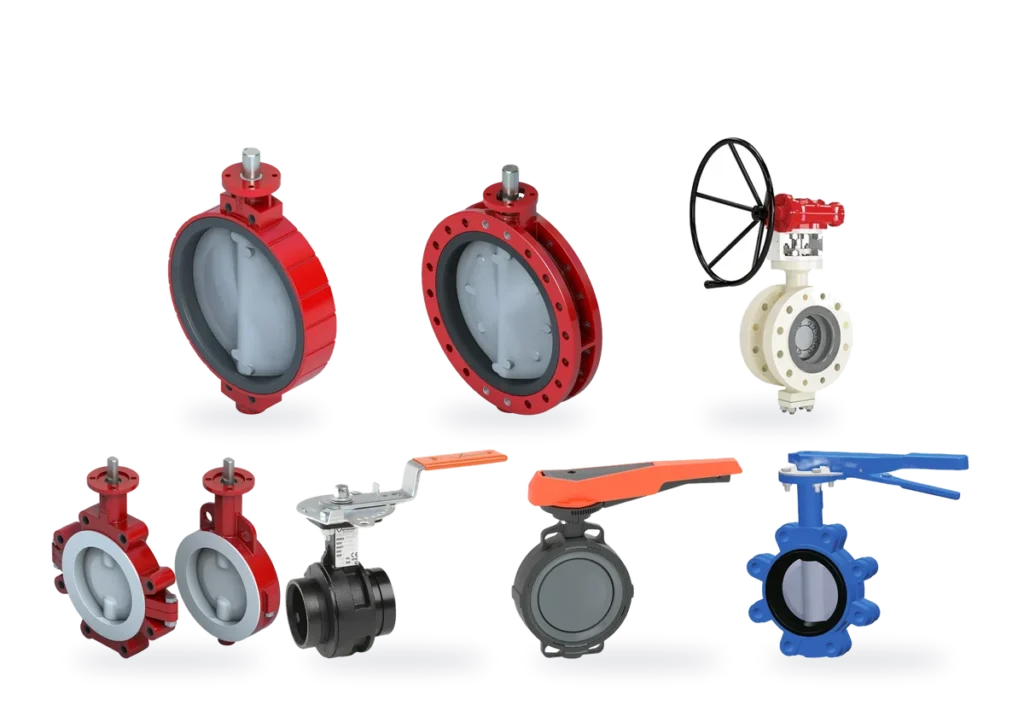
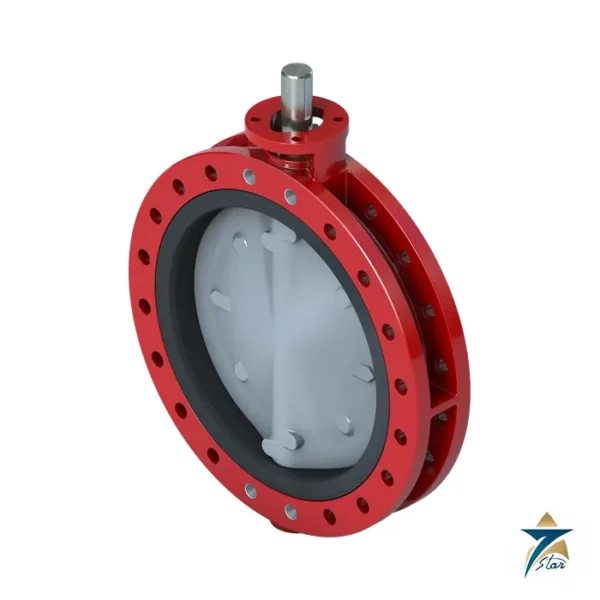
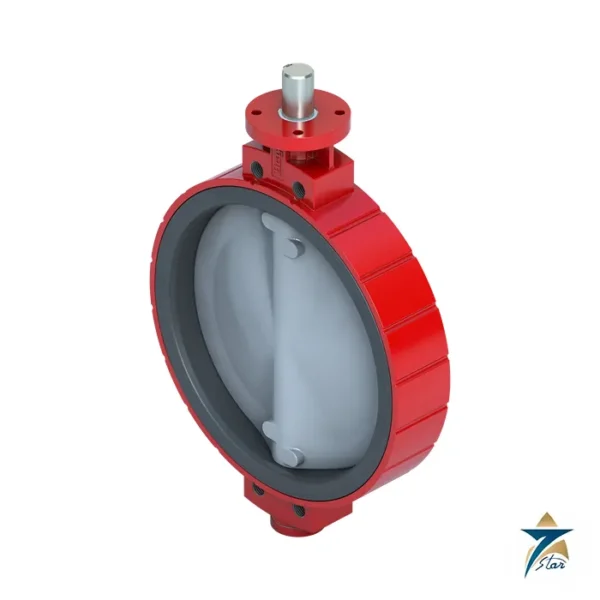
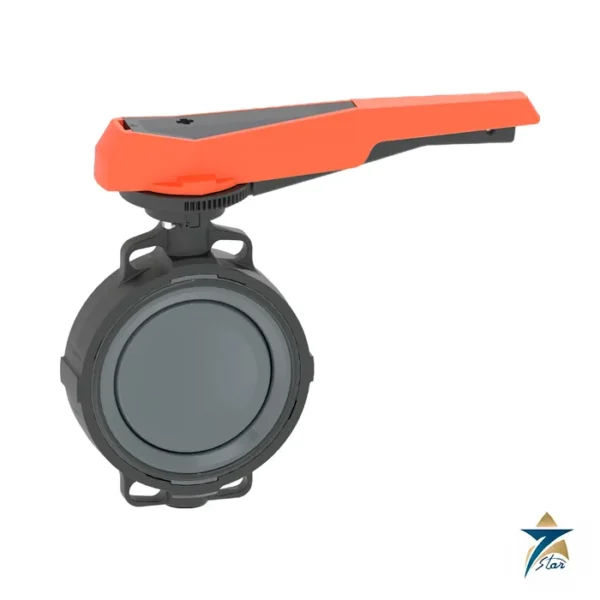
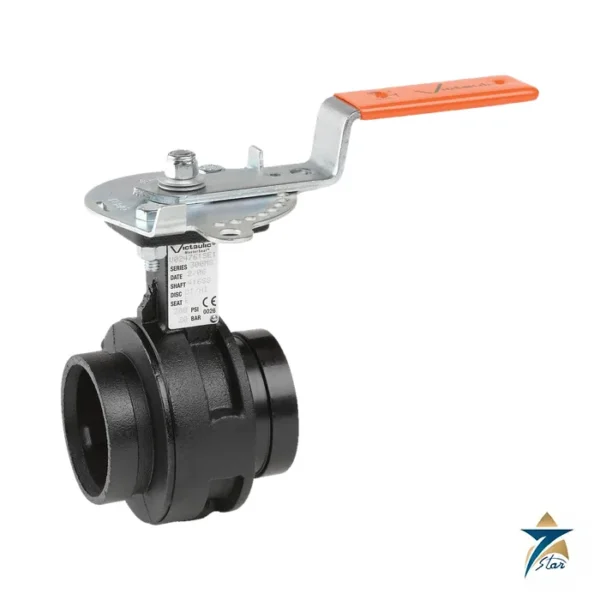
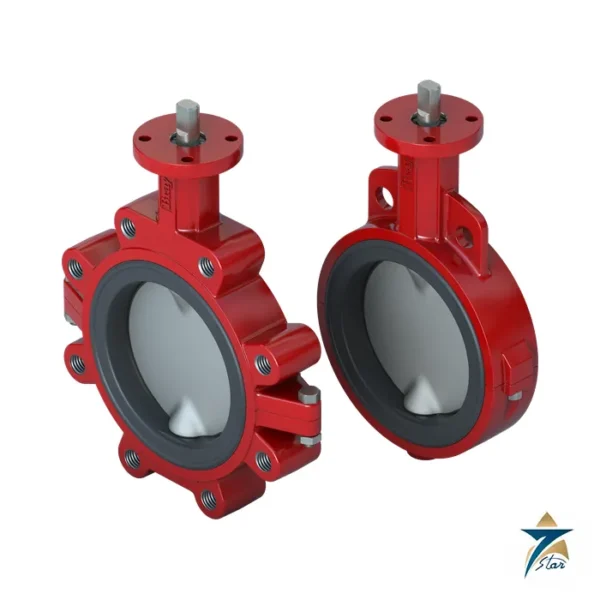
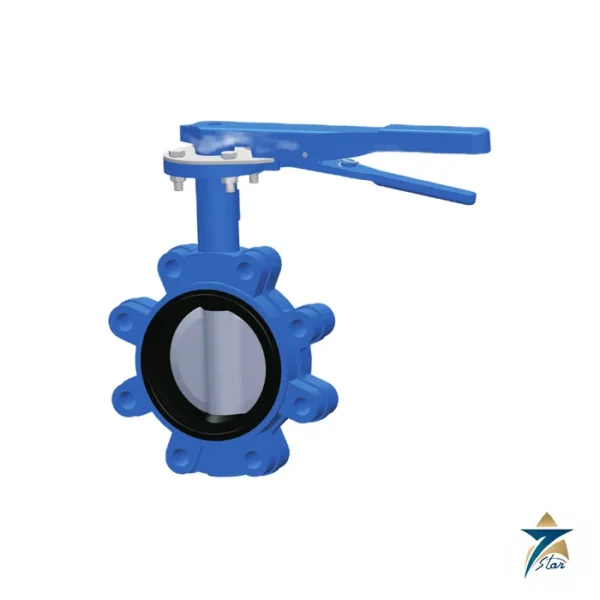
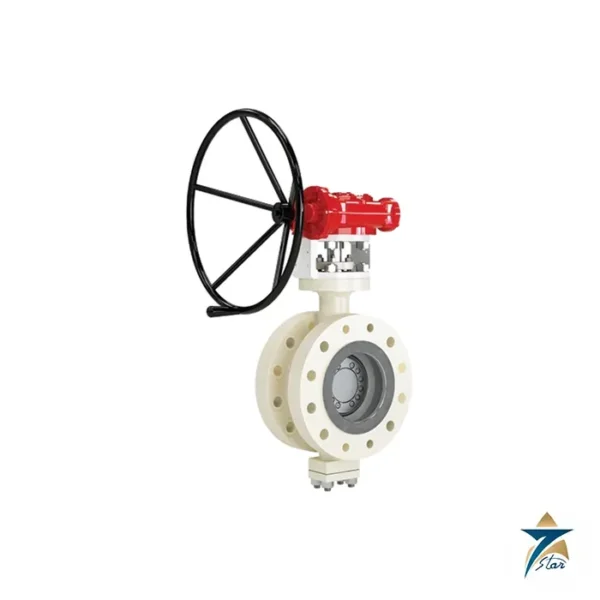
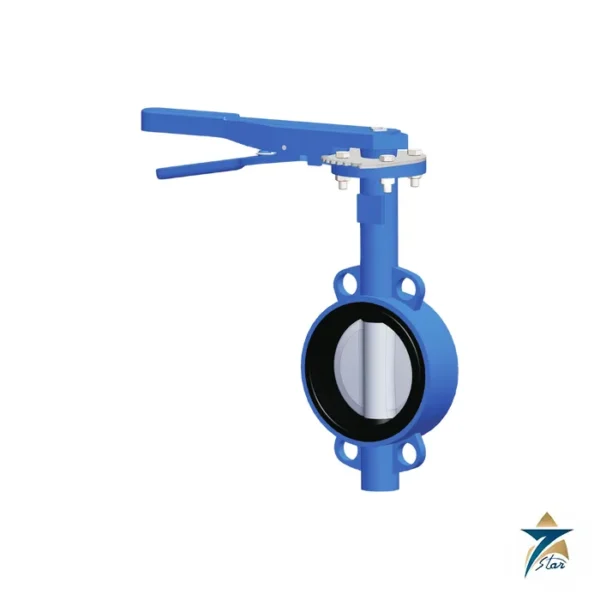
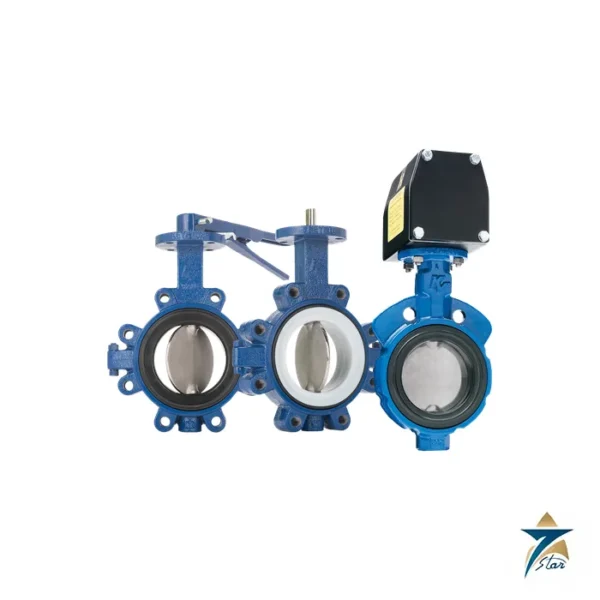
Resilient-seated valves such as the Bray Series 20/21 and 30/31 and EBRO Z 011 wafer and lug valves have a rubber liner that gives bubble-tight shut-off for water, HVAC and general service; the Keystone Figure 990/991 range and Kitz valves cover similar duties. High-performance double-offset valves like the Bray Series 40/41 and EBRO HP 111 handle higher pressures and temperatures with PTFE or fire-safe seats, and triple-offset metal-seated valves serve steam, hydrocarbons and severe service. Grooved-end valves from Victaulic connect directly to grooved pipe systems, and Georg Fischer thermoplastic valves resist corrosive chemicals and seawater. Weflo ductile iron valves are common on municipal water networks.
How to select a butterfly valve
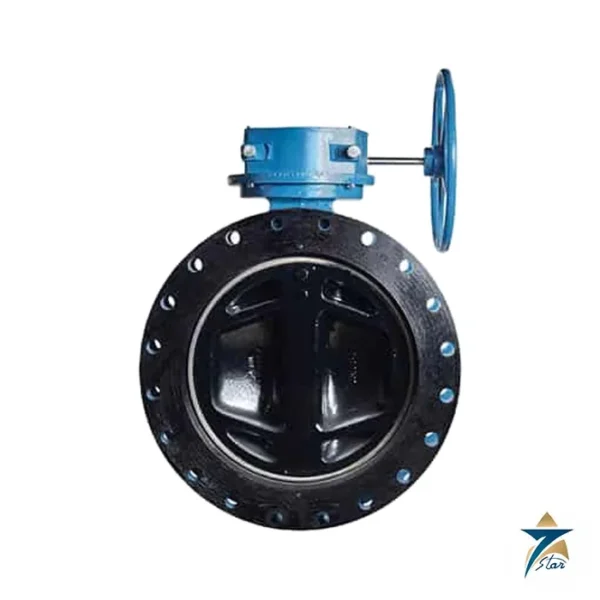
Define size, pressure class and body style first: wafer between flanges, lug for dead-end service and line disassembly, or double flanged for large sizes. Choose body, disc and seat materials for the medium: EPDM for water, NBR for oils, PTFE or metal for chemicals and high temperatures. Check the operating torque and choose the operator: lever, gearbox, or pneumatic or electric actuator. For throttling duty confirm the usable control range with the manufacturer.
Data needed for a quotation
Send the valve model, or size, pressure rating, body style, materials, medium, temperature, operator and quantity.
What to include in your inquiry
These details let us quote the right item the first time.
- Valve type and size (DN / NPS)
- Pressure class and end connection
- Body and trim material
- Fluid, flow rate, inlet and outlet pressure, temperature
- Actuator type and fail position
- Accessories: positioner, limit switches, solenoid
Missing some of them? Send what you have. A nameplate photo or an old part number is enough to start.