- Vibration Monitoring
- PLC & I/O Cards
- Industrial Communications
- Automation Accessories
- Controllers & Data Acquisition
- AC Drives
- Isolator & Barrier
- Industrial Computers
- Encoders
- Automation Software
- Safety Switches & Guard Locking
- HMI Displays
- Motor Soft Starters
- Servo Drives
- CCTV & Security
- Robotics
- Machine Vision
- Pneumatic Cylinders



Brand profile
About Rosemount
- Founded
- 1956
- Headquarters
- Shakopee, USA
- Speciality
- Process measurement instruments
- Listed with us
- 35 products in 5 categories
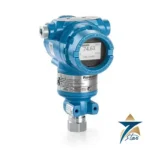
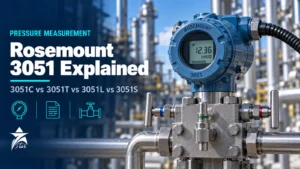
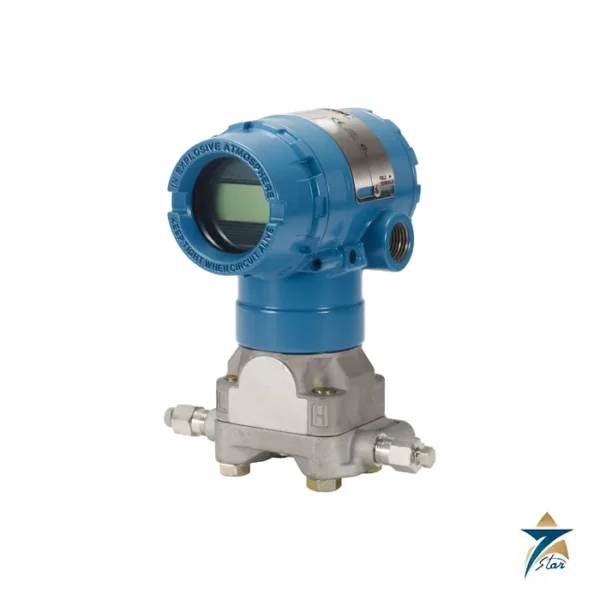
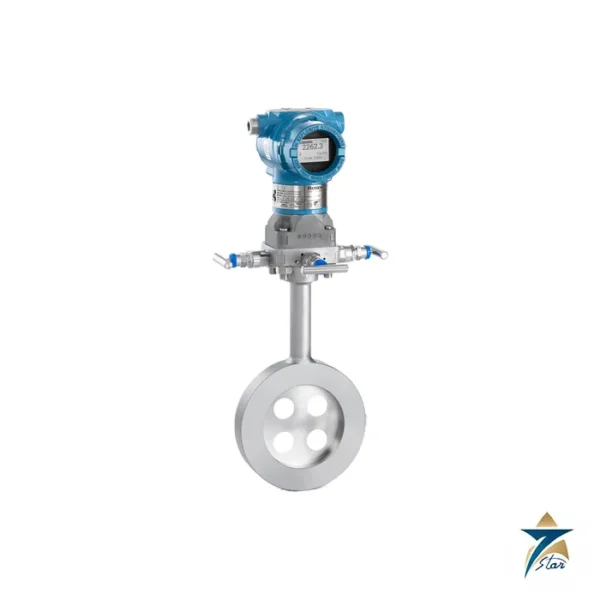
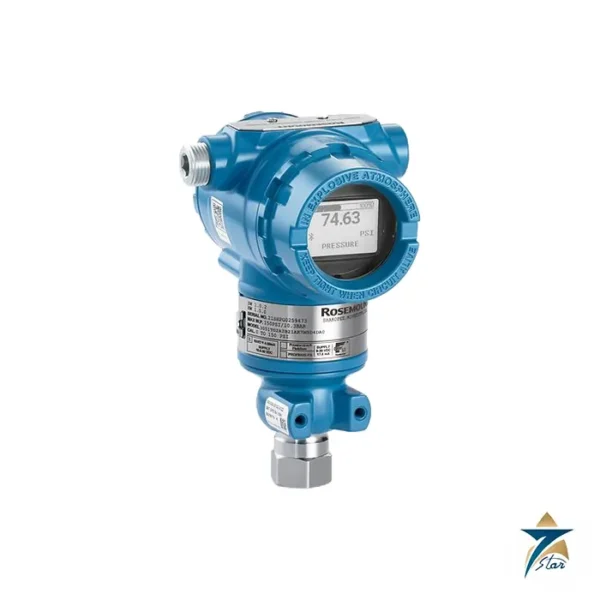
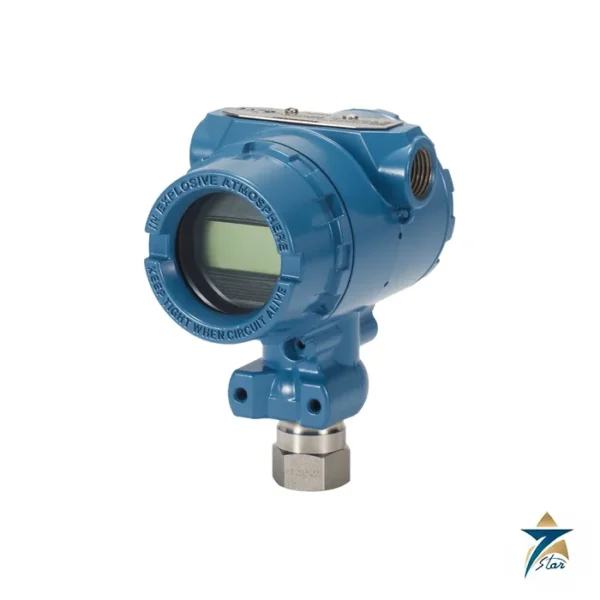
The Rosemount 3051 is one of the most frequently specified pressure transmitters in process plants, and it sits at the center of this listing. Rosemount, a measurement brand that dates from 1956 and has its home in Shakopee, USA, covers pressure, temperature, level and flow with instruments identified by a model string on the nameplate.
Seven Star LLC is an independent supplier listing Rosemount pressure transmitters, level instruments, temperature transmitters, flowmeters and analytical sensors for sites in Oman and the GCC.
Rosemount product families on this page
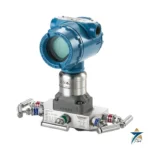
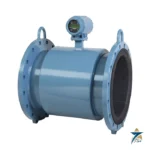
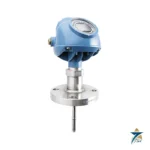
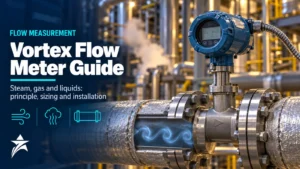
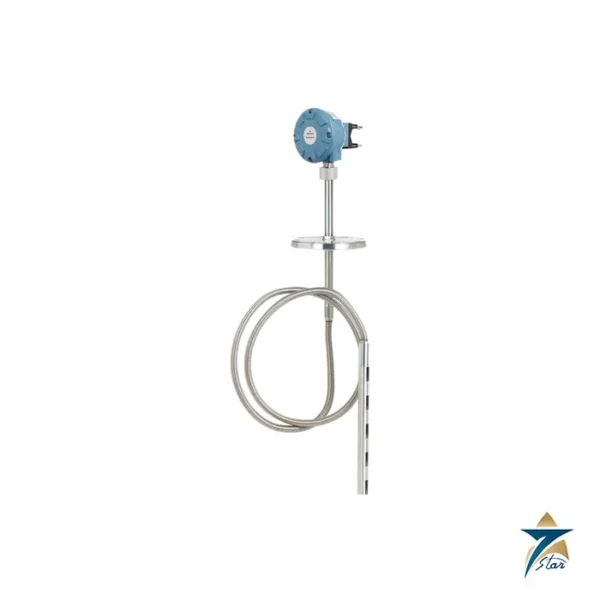
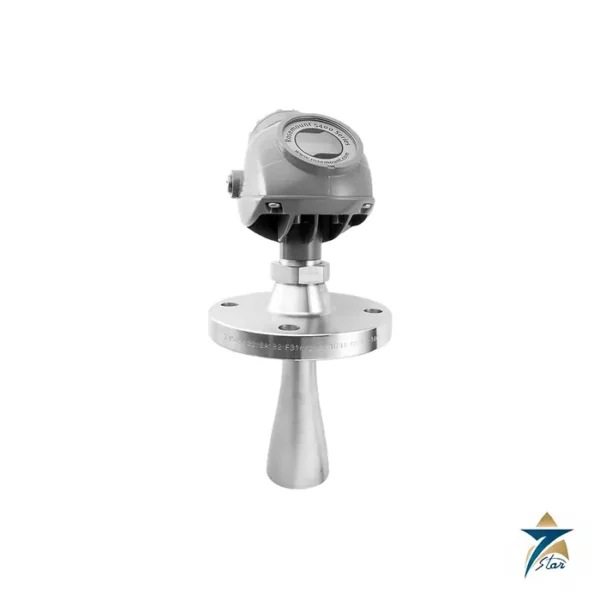
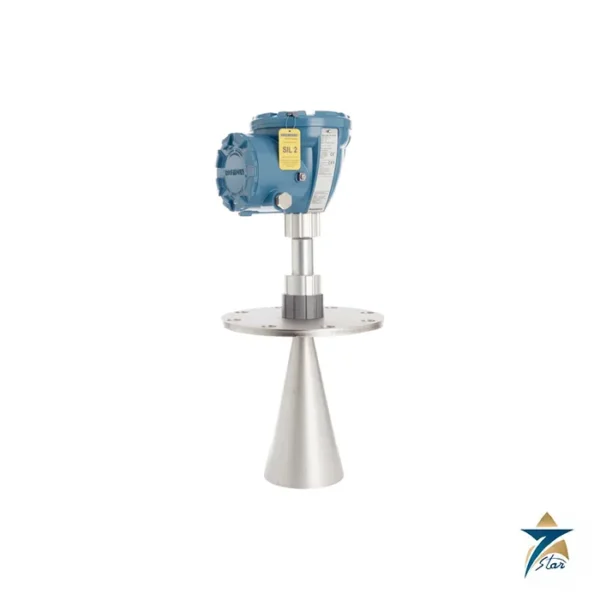
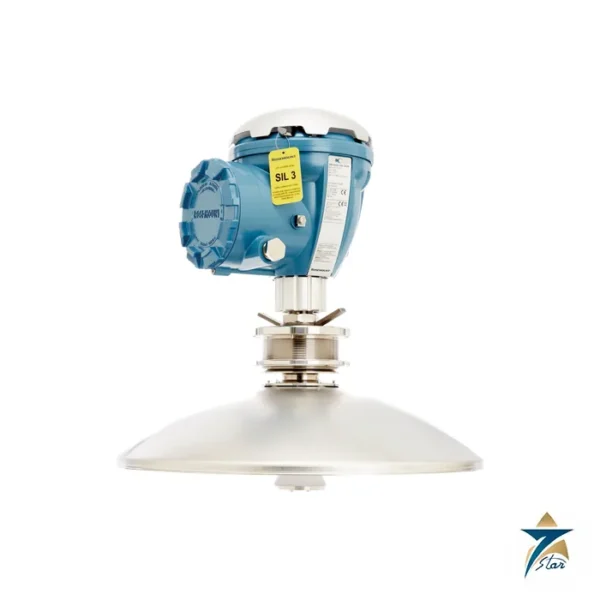
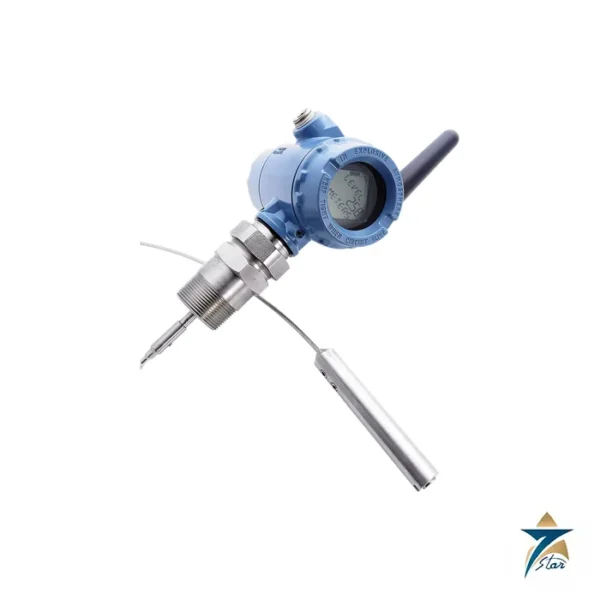
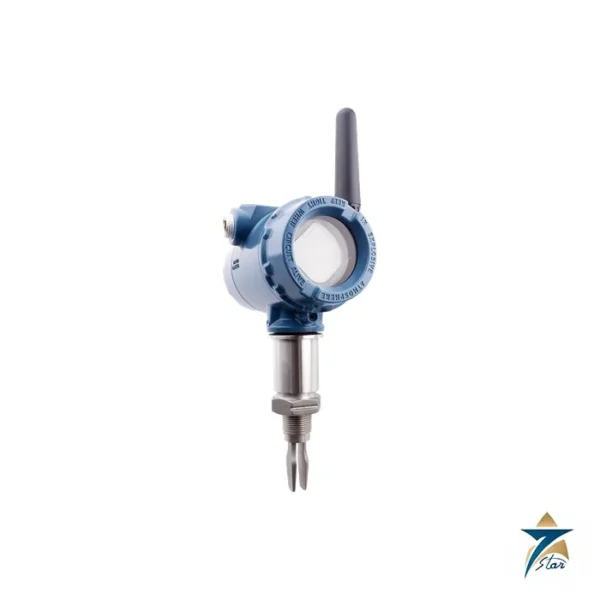
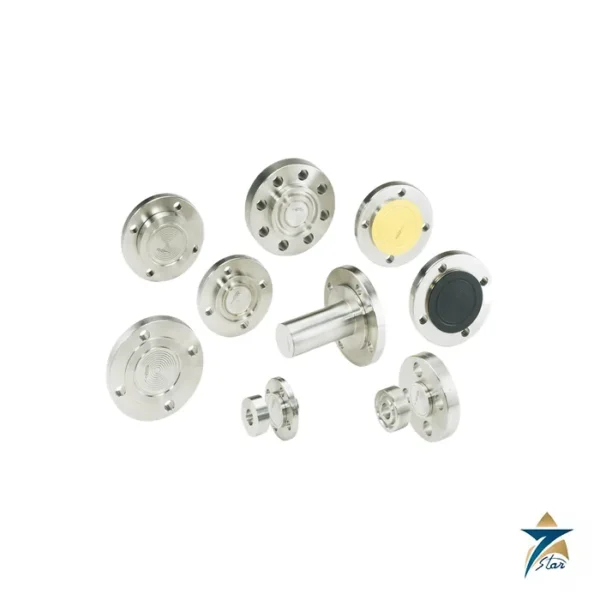
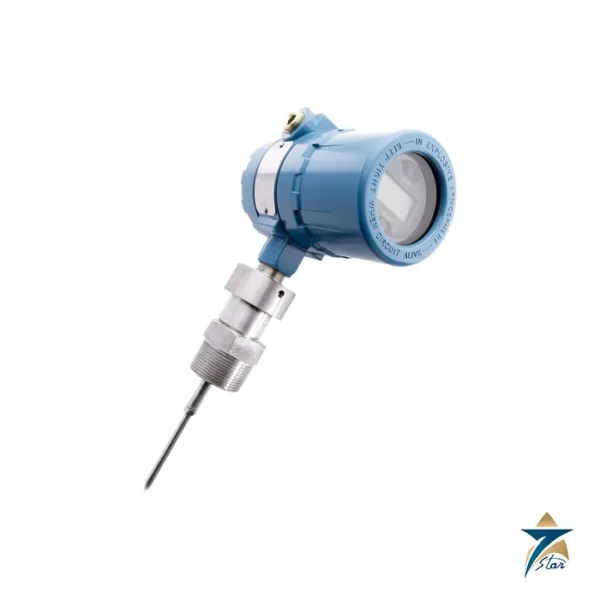
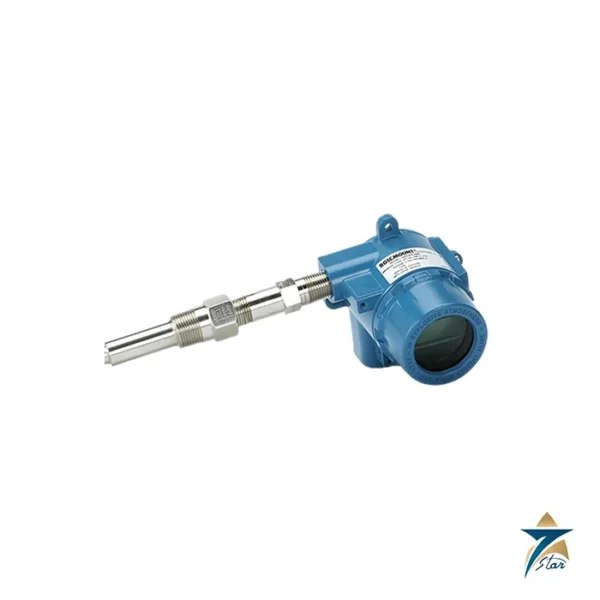
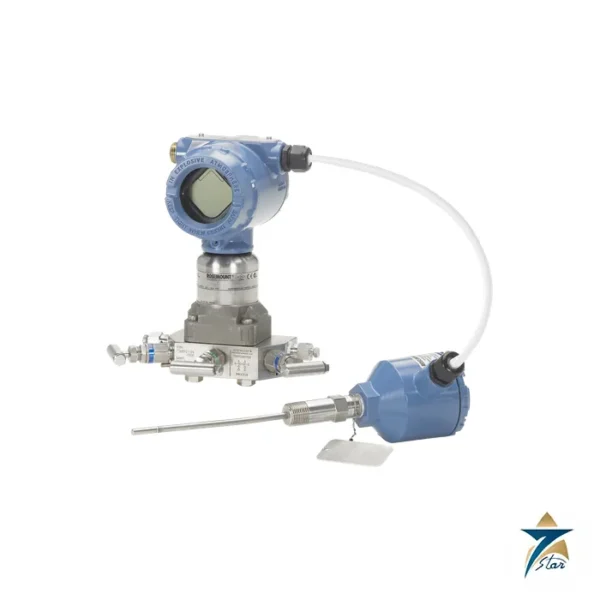
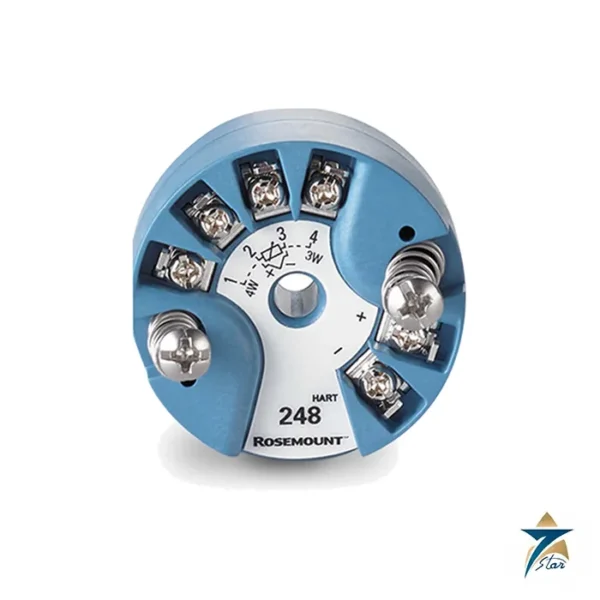
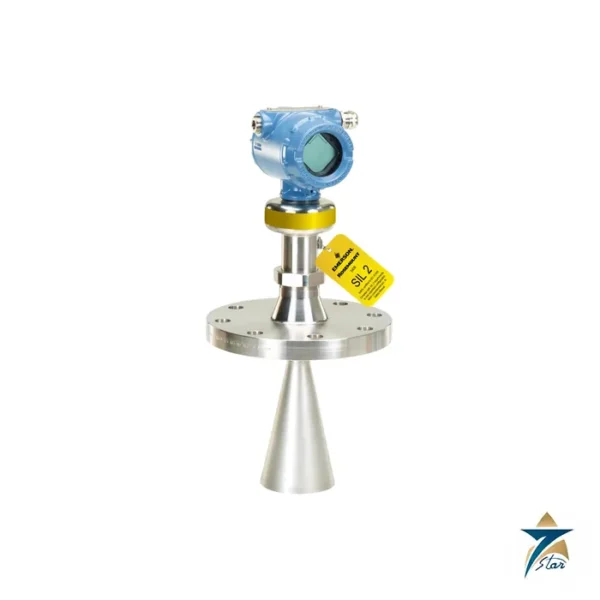
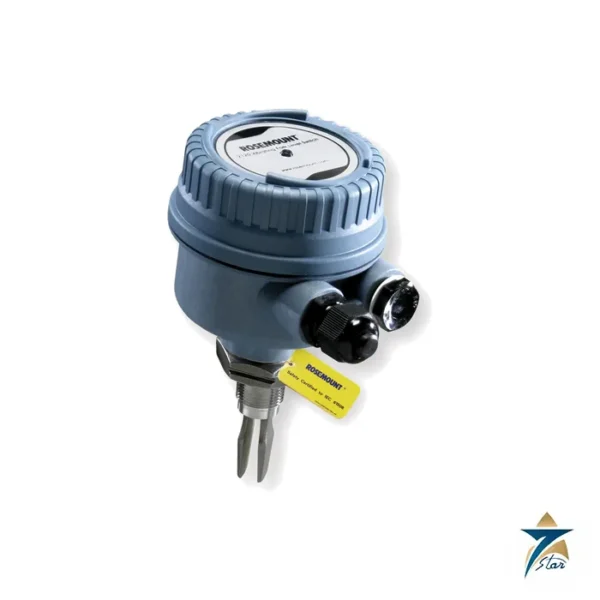
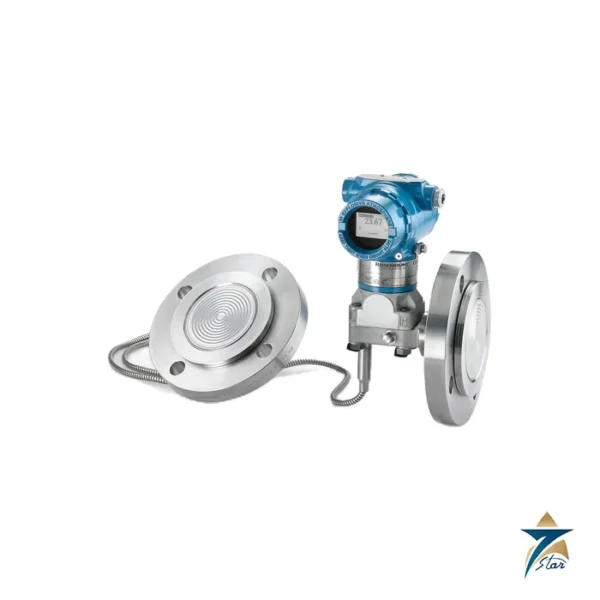
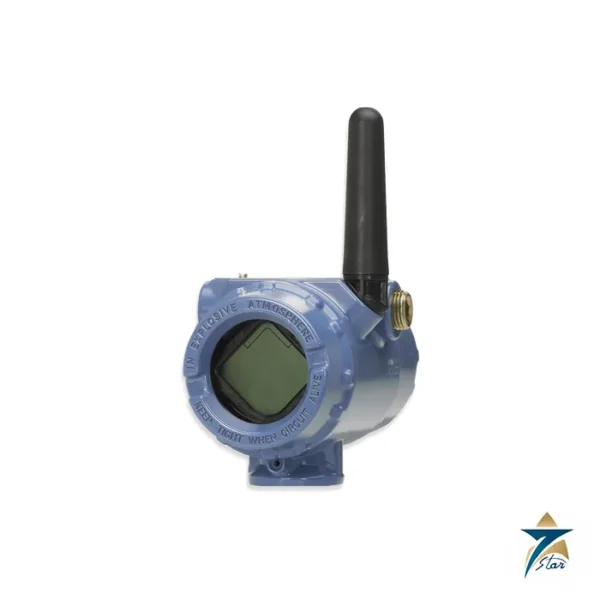
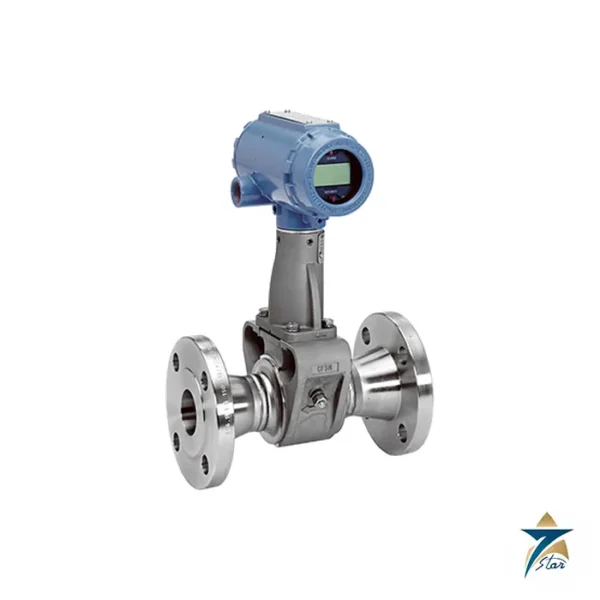
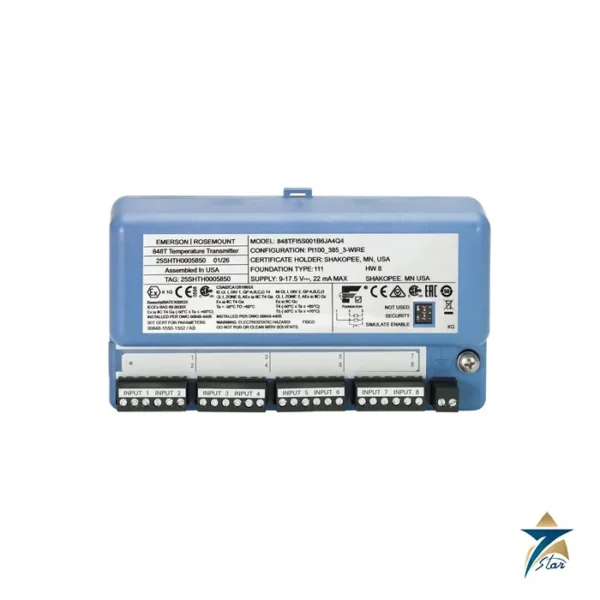
Pressure includes the 3051 in its variants (3051T in-line, 3051L for liquid level, 3051CF DP flowmeter and the 3051SMV MultiVariable transmitter), the 2051 and 1199 diaphragm seal systems. Level instruments are the 3300 guided wave radar, the 5408 non-contacting radar and the 2120 vibrating fork switch. Temperature is covered by the 248 and 644 head mount transmitters and the 848T high density transmitter for multiple sensor inputs. The 8800D vortex flowmeter and the 702 wireless discrete transmitter are also listed, along with liquid analysis sensors.
Where Rosemount instruments are used
These are standard instruments in oil and gas production, refining, petrochemical, power and water plants. Typical duties are line and vessel pressure, differential pressure flow across orifice plates, tank and separator level and interface, and temperature measurement on pipes, reactors and rotating equipment.
Ordering Rosemount transmitters: what we need
Send the complete model string and the serial number from the nameplate; a photo is ideal. Every character of the string selects something: range, output, materials of the isolating diaphragm and flange, process connection, housing, approval and options. If you are specifying a new point, give the measured variable and span, process fluid, pressure and temperature, connection, output (4-20 mA HART, FOUNDATION Fieldbus or wireless), display and hazardous area approval. For remote seals add flange size, rating and capillary length.