An intrinsically safe two-wire pressure transmitter for hazardous areas
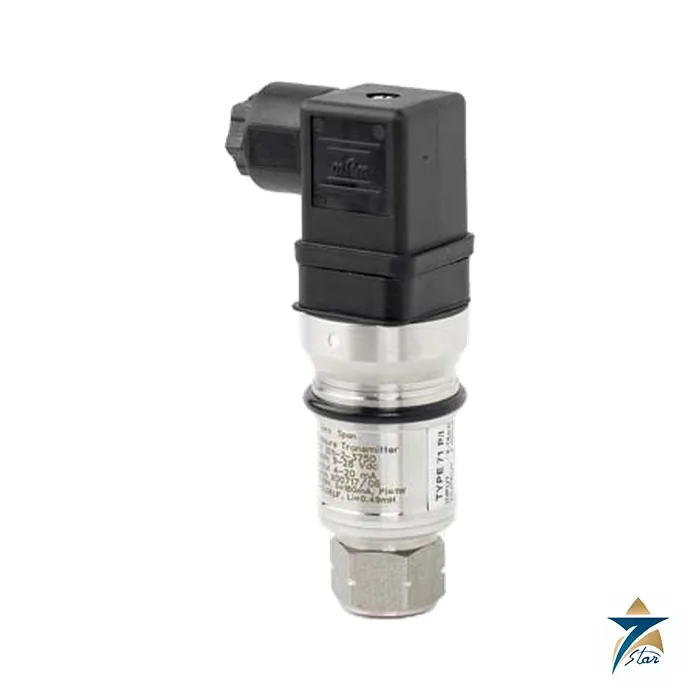
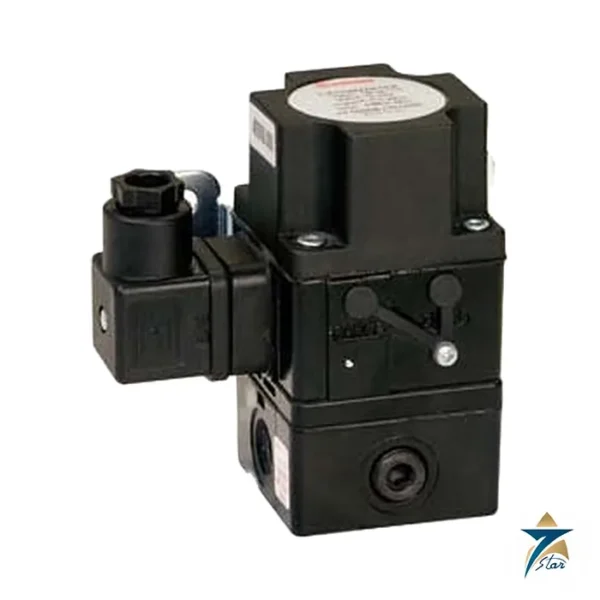
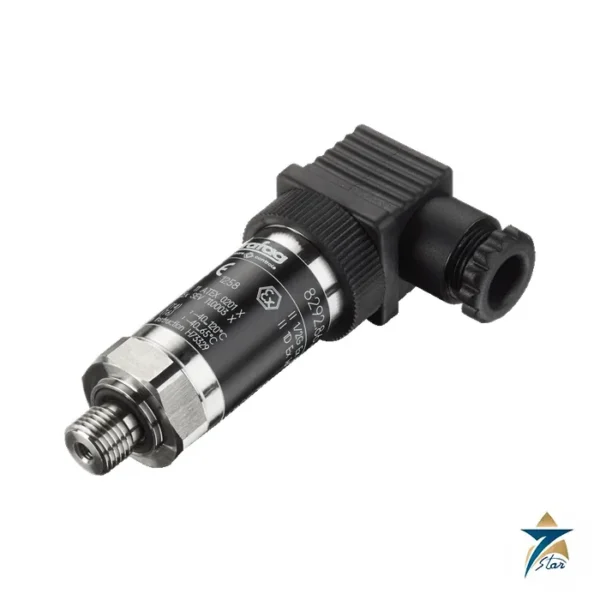
The Watson Smith Type 71 converts pneumatic pressure into a 4 to 20 mA signal and is the hazardous-area version of the P/I family. It is a two-wire device that uses a non-critical power supply, is supplied to IP65 and is approved to ATEX for hazardous areas. The electronics are encapsulated for good shock and vibration performance, and the wetted parts are stainless steel 316L and Hastelloy C276, giving a wide media compatibility. It is aimed at the same applications as the Type 68, such as dancer arm control, winders and roller tension in paper, steel, plastics and textile plants.
We found this datasheet only as a copy issued as Watson Smith Instrumentation literature (dated 10/06) and hosted by a UK instrument supplier; we did not find the product in current manufacturer literature, so treat it as an older, legacy line and confirm current availability, any replacement model and lead time before you rely on it.
Technical specifications
| Parameter |
Specification |
| Function |
Intrinsically safe two-wire pressure to current (P/I) converter |
| Output / supply |
4 to 20 mA; 9 to 28 V dc; withstands reversed supply polarity |
| Pressure ranges |
0.2 to 1.0 bar; 3 to 15 psi |
| Overpressure |
2 x full scale |
| Media compatibility |
Fluids compatible with stainless steel 316L and Hastelloy C276; air consumption nil |
| Accuracy |
Zero and span setting plus or minus 0.5 percent FS; hysteresis, linearity and repeatability plus or minus 0.2 percent FS BSL |
| Stability / temperature effect |
Better than 0.2 percent FS per year; plus or minus 3.0 percent FS total error band, minus 20 to plus 80 degrees C |
| Operating temperature |
Minus 20 to plus 80 degrees C |
| Protection / connection |
IP65; 1/4 BSP or 1/4 NPT female; DIN 43650 plug and socket |
| Certification |
Baseefa 02ATEX0235X; II 1G EEx ia IIC T4 (Tamb minus 20 to plus 80 degrees C) |
| Input parameters |
Ui 28 V, Ii 180 mA, Pi 1 W, Ci 0.08 microfarad, Li 0.49 mH |
| Mass / mounting |
210 g including socket; direct pipe mounting, 16 to 20 N m |
| Insulation resistance |
Greater than 10 MOhm at 500 V dc |
Certification and installation
The datasheet states the I.S. Type 71 complies with the essential health and safety requirements through EN 50014:1997 with amendments, EN 50020:2002 and EN 50284:1999, with the marking II 1G EEx ia IIC T4 for ambient minus 20 to plus 80 degrees C and the certificate number Baseefa 02ATEX0235X. Input parameters are Ui 28 V, Ii 180 mA, Pi 1 W, Ci 0.08 microfarad and Li 0.49 mH. The supply must come from an intrinsically safe source or diode safety barrier and must not exceed these values, and the datasheet notes that intrinsic safety is void if the cable screen is earthed at the transmitter terminals.
Installation points in the sheet: do not use tools that can cause incendive sparks, do not connect an energised circuit while an explosive atmosphere is present, use a cable with a breather tube because the reference port breathes through the plug and socket, install with a torque of 16 to 20 N m and avoid rubbing a plastic cable boot with a dry cloth because of electrostatic hazard. Do not repair locally; return the unit to the supplier. The minimum voltage across the transmitter is 9 V, so size the loop resistance as stated.
Selection
The datasheet lists pressure ranges of 0.2 to 1.0 bar and 3 to 15 psi, with a 1/4 BSP or 1/4 NPT female connection and direct pipe mounting. Confirm the range, thread, certification documents required for your project and the availability of this older model; the ATEX marking uses the earlier EEx form, so check it against your site requirements.
Loop design for the intrinsically safe circuit
Treat the Type 71 as one part of a certified loop rather than a stand-alone instrument. The barrier or isolator, the cable and the transmitter together must satisfy the entity parameters listed above, so compare the barrier output values with Ui, Ii and Pi, then add the cable capacitance and inductance to Ci and Li before checking the totals against what the barrier permits. Keep the written loop calculation in the hazardous-area dossier, because inspectors and later maintenance staff will ask for it. Since the minimum voltage across the transmitter is 9 V, also confirm that the barrier, the cable and the receiver input together leave enough voltage at the top of the 4 to 20 mA range.
Commissioning the P/I converter
Before applying air, confirm supply polarity and the screen arrangement, remembering that the screen must not be earthed at the transmitter terminals. Apply a calibrated pressure source at the bottom and top of the range, compare the output current with the expected 4 mA and 20 mA, and record the results against the zero and span tolerance in the specification table. Check that the breather tube in the cable is open and not crushed in a gland, because the reference port breathes through the plug and socket and a blocked path can distort the reading. Where the converter serves dancer arm or tension control, run the machine through its normal working range and confirm that the control system receives a steady, smooth signal.
Hazardous-area practice on Omani sites
Area classification is routine at refineries, gas plants and chemical sites across Oman, and the Type 71 marking should be compared with the classification drawing for the exact location, including gas group and temperature class. Ambient temperatures in exposed outdoor areas can approach the upper end of the rated range in summer, particularly in direct sun, so a sunshade or a position away from hot pipework is sensible. The IP65 rating protects against dust and water jets, yet wind-blown sand and washdown can still reach the plug and socket, so keep the cable boot fitted and do not rub it with a dry cloth, as the datasheet warns about static.
Maintenance and legacy planning
The datasheet says the unit should not be repaired locally, so a faulty converter is exchanged and returned rather than opened in the field. Check zero and span at intervals set by plant procedures, inspect the plug, socket and cable for damage, and keep a copy of the certificate with the instrument records. Because this is an older line, list the installed units and discuss spares and a possible replacement plan early, so that a failure does not leave a hazardous-area loop without a certified instrument.
Documents and quotation
The datasheet is attached for download. Seven Star LLC is an independent supplier in Muscat. Send the model or order code, quantity and operating conditions and we will request a quotation; availability depends on the model. Related items: Pressure Instrumentation.
















Reviews
There are no reviews yet.