Brand:

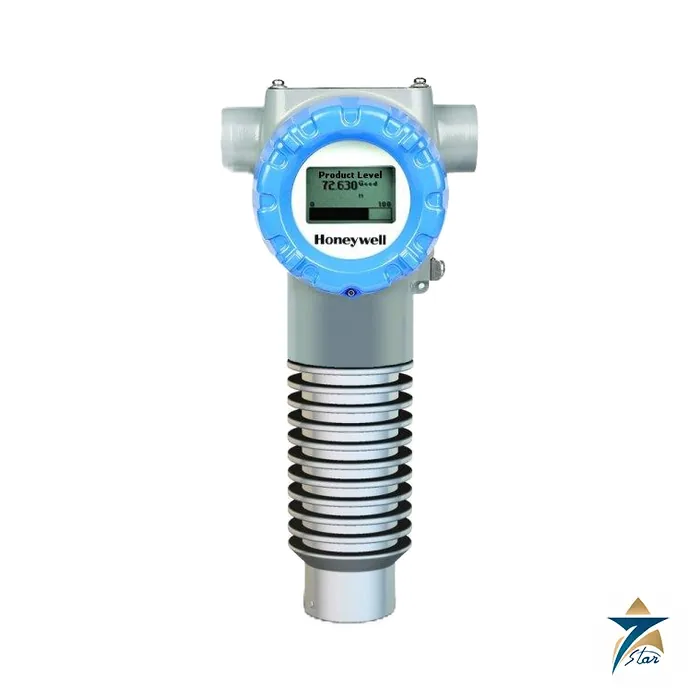
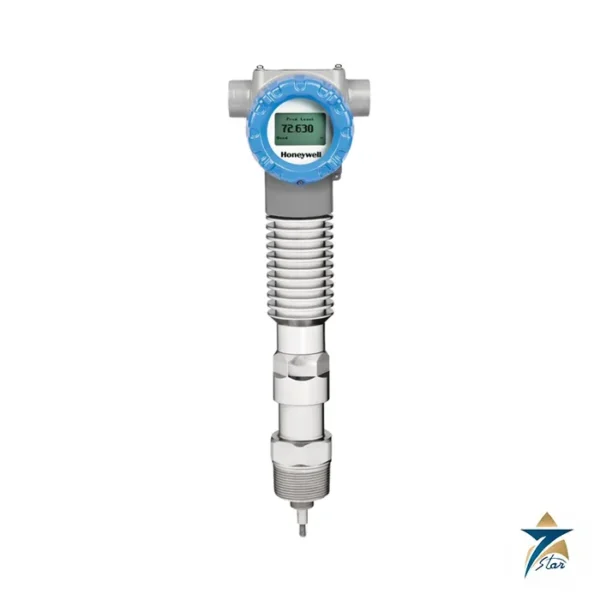
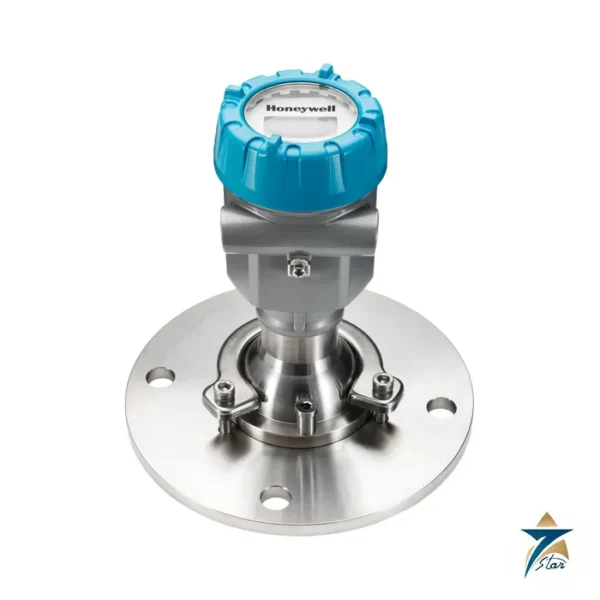
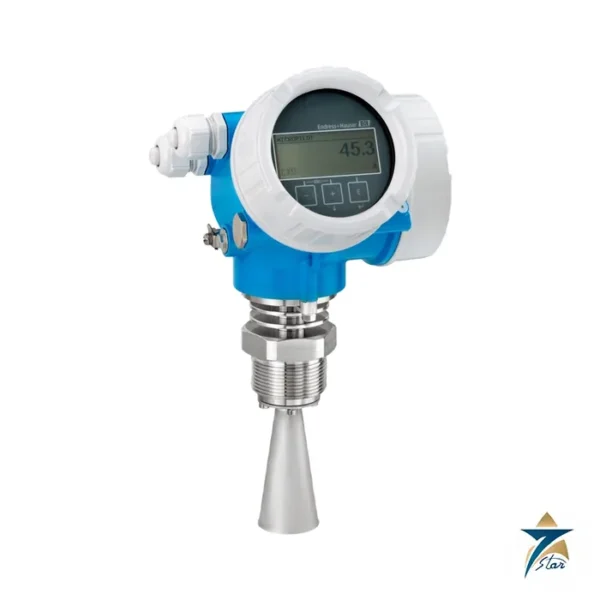
Honeywell SLG720 SmartLine Guided Wave Radar Level Transmitter

Description

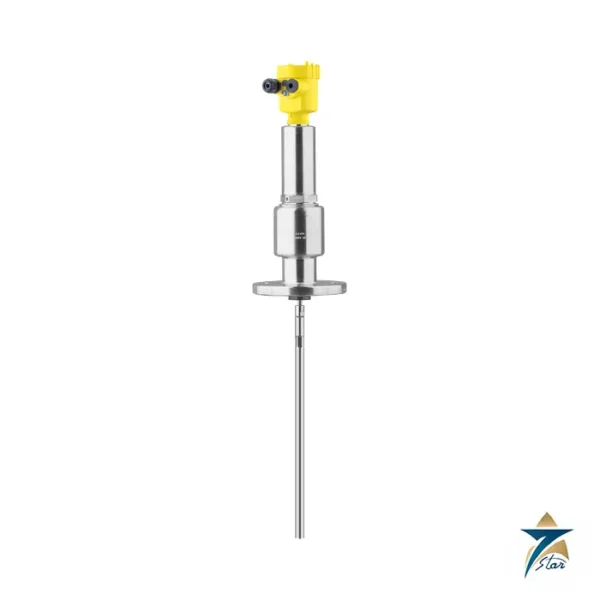
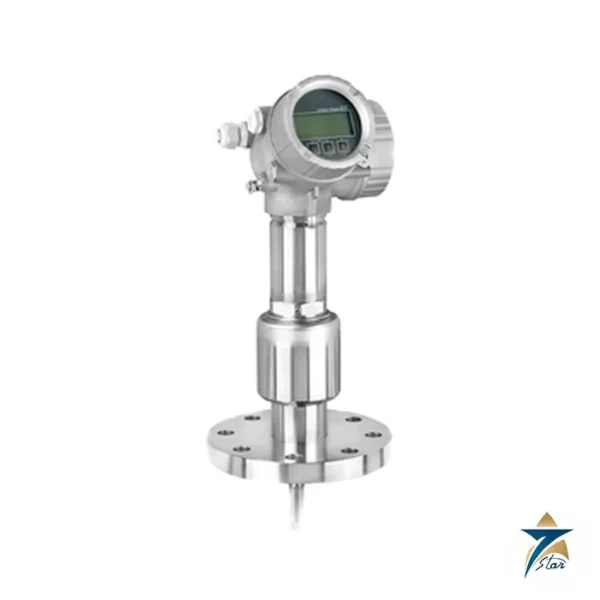
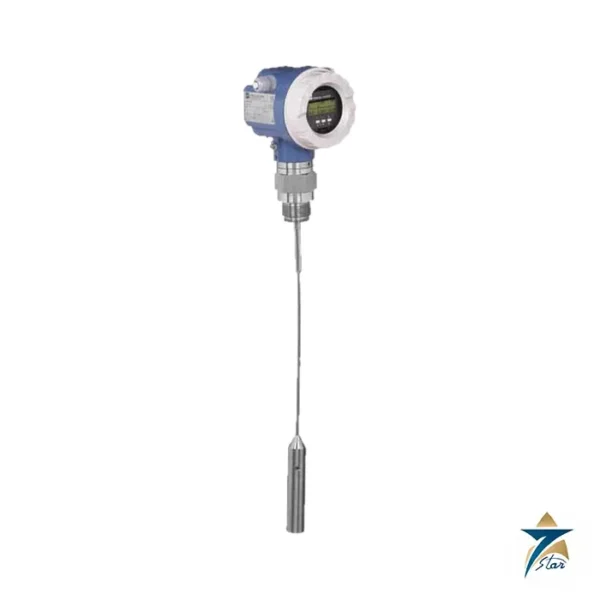
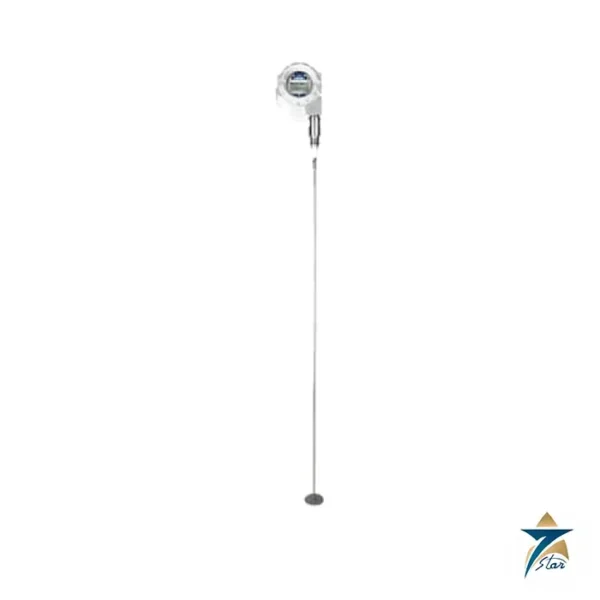
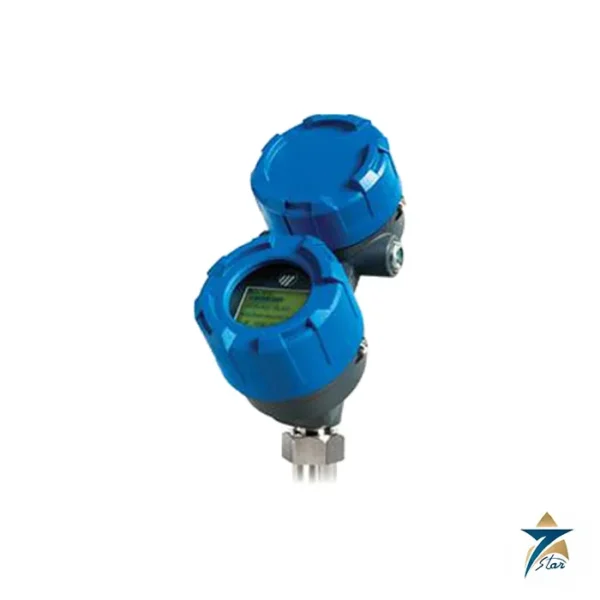
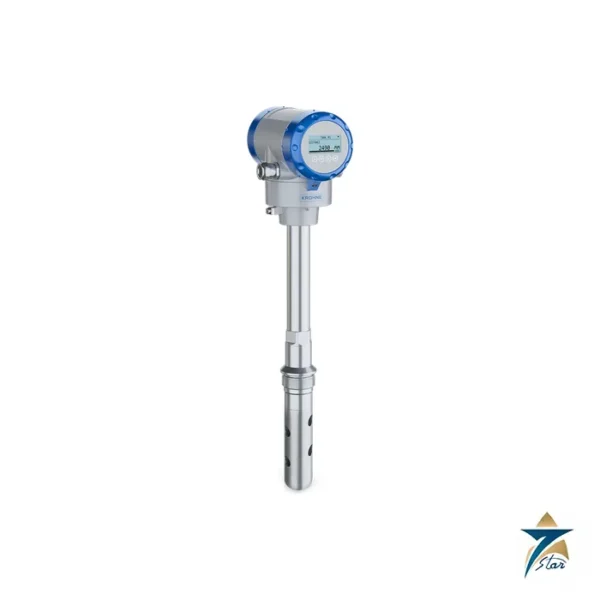
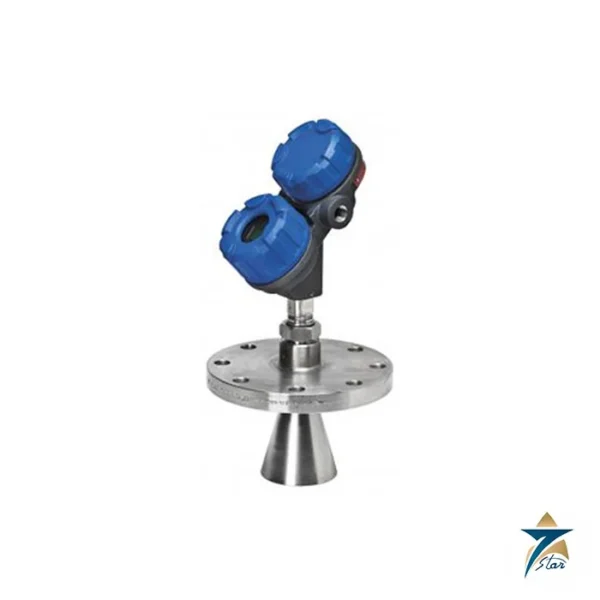
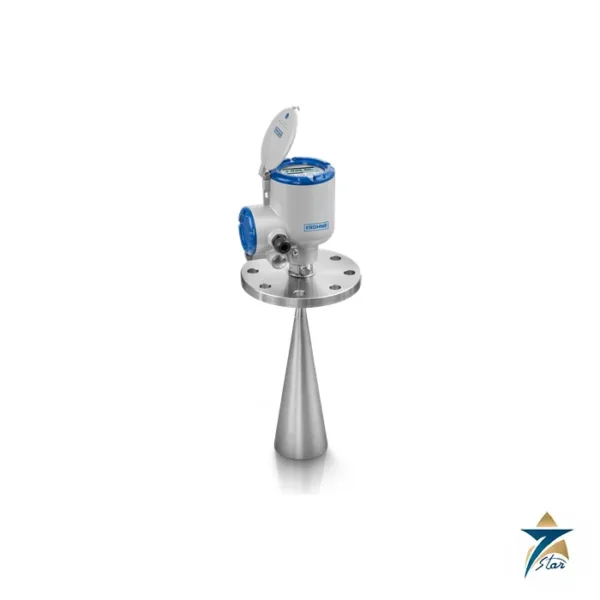
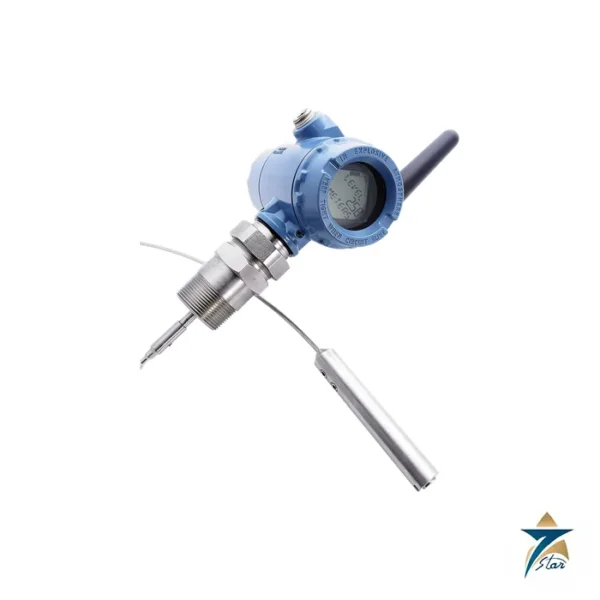
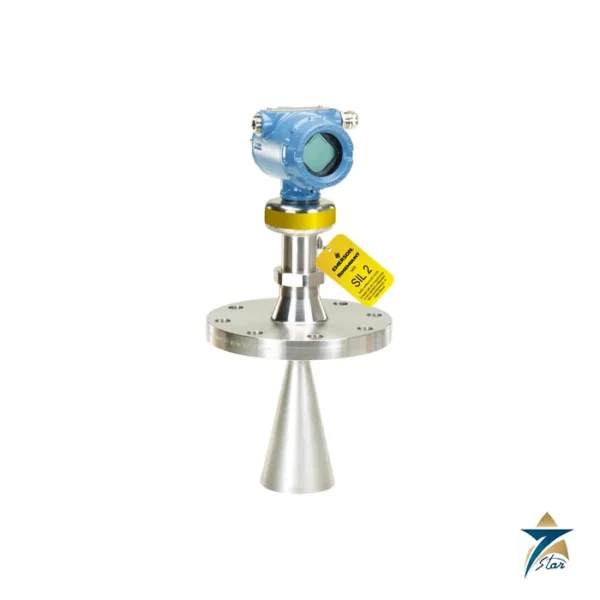
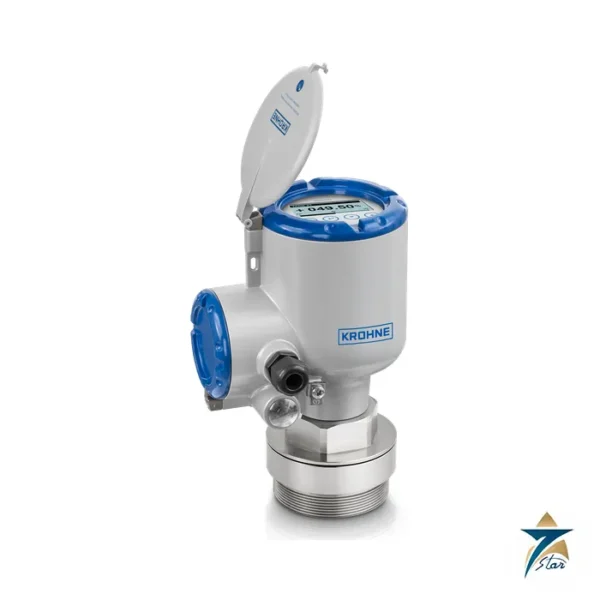
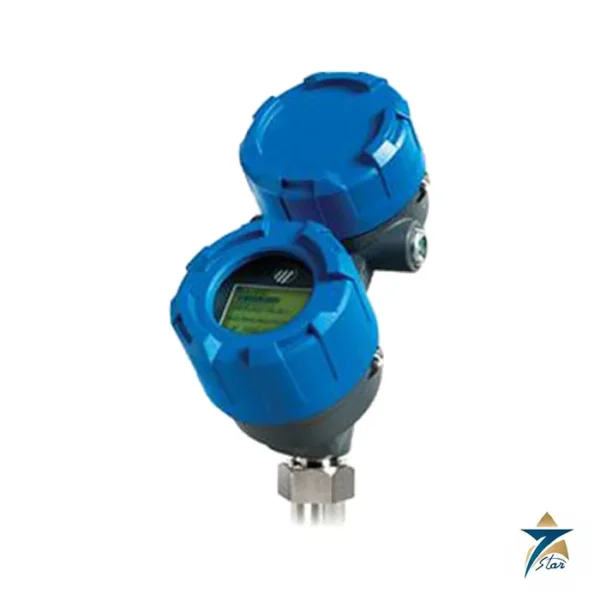
Honeywell SLG720 SmartLine guided wave radar level transmitter

Honeywell SLG720 is the standard-pressure member of the SmartLine SLG 700 guided wave radar family. It sends low-power microwave pulses down a rod, wire or coaxial probe and measures the time of the reflection from the liquid surface or an interface, so the reading does not depend on density, temperature or pressure of the vapor space in the way a differential-pressure transmitter does. It is a loop-powered two-wire device with 4 to 20 mA and HART 7 or FOUNDATION Fieldbus output.

Everything here is taken from the Honeywell SLG 700 technical specification 34-SL-03-03. Note that SLG720 is the model designation; the complete order code is built from the model selection guide in that document, so quote us the full code when you know it. Seven Star LLC is an independent supplier serving Oman and the GCC and is not affiliated with the manufacturer.

SLG720 key performance numbers

Parameter Value
Model SLG720
Process connector temperature Minus 40 to 200 C (minus 40 to 392 F)
Maximum allowable working pressure 40 bar (580 psi); overpressure withstand 1.5 times MAWP
Wetted materials PTFE, Duplex 2205 and 316L or UNS10276 (C-276); optional FEP coating
Probes Rod 0.4 to 6.3 m, wire 1.0 to 50 m, coax 0.4 to 6.3 m; 316L, C-276 or FEP coated
FEP-coated range 35 m (115 ft) maximum
Measuring principle Time Domain Reflectometry (guided wave radar)
Output Two-wire 4 to 20 mA with HART 7, or FOUNDATION Fieldbus; polarity insensitive
Accuracy Rod and coax plus or minus 3 mm; wire plus or minus 0.03 percent of range or 3 mm, whichever is greater
Repeatability / resolution Plus or minus 1 mm / plus or minus 1 mm (0.04 in)
Maximum range 50 m (164 ft)
Minimum dielectric constant 1.4 (1.2 with the optional low DC algorithm)
Supply, HART 14.0 to 42.0 Vdc at the terminals (IS versions limited to 30 Vdc); 0 to 1284 ohm loop, at least 250 ohm for HART
Supply, Fieldbus 9.0 to 32.0 Vdc (IS 30 Vdc; FISCO 17.5 Vdc)
Ambient temperature Minus 40 to 85 C (minus 40 to 185 F); LCD operates minus 20 to 70 C
Housing Polyester powder-coated low-copper aluminum, NEMA 4X, IP66, IP67; 3.2 kg (7 lb); 1/2 in NPT or M20 entries
Display 128 by 64 pixel LCD, three-button keypad, 9 languages
Safety SIL 2 non-redundant, SIL 3 redundant (IEC 61508) on nameplate-marked units

How SLG720 differs from the SLG726 variant

The SLG 700 series has two process-wetted variants in the datasheet. SLG720 is the 40 bar, 200 C unit with PTFE and Duplex or 316L wetted parts, optional FEP coating for buildup and corrosion, and the full set of NPT, BSP and flange mounts (Figures 21 to 23). SLG726 raises the limits to 400 bar and 450 C with 316L, glass, PEEK, gold and Viton wetted parts and adds the saturated steam compensation function. Choose SLG720 for process tanks, chemical storage, interface measurement and hydrocarbon tanks within 40 bar. Choose SLG726 for boiler drums and high-pressure vessels.

Probe selection and measuring limits

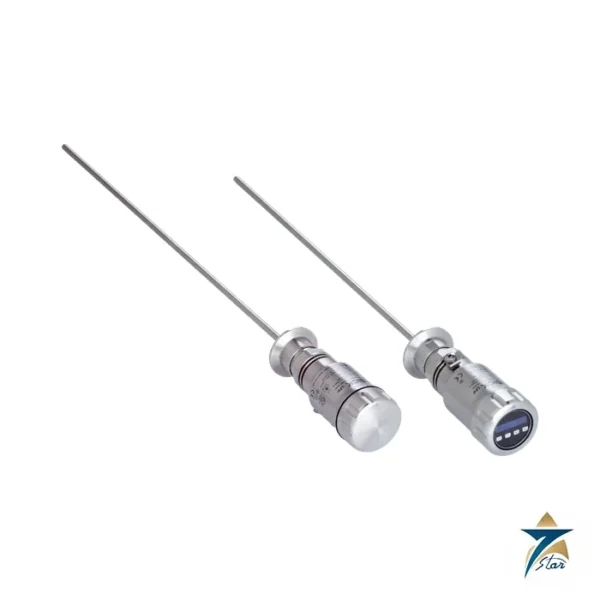
A rod probe is recommended up to 6.3 m (20 ft 8 in), and a wire probe with weight and centering disk above that. A centering disk is advised for rigid probes longer than 1 m to stop sway in strong currents. Table 3 of the datasheet gives the maximum range against dielectric constant: with a wire probe the range is 15 m at a dielectric constant of 1.4, 25 m at 1.8, and 42 m, 46 m and 50 m at 3, 4 and 6; a rod or coax probe measures 6.3 m even at 1.4. Minimum blocking distance high is 9 cm for rod or wire in water and 7 cm in oil, and 5 cm for coax in either.

Interface measurement has stated limits: maximum dielectric constant of the upper medium 9, minimum of the lower medium 10, a difference of at least 8, and an upper layer thickness of at least 7 cm, with accuracy of plus or minus 3 mm on both surface and interface.

Mounting rules for the SLG720

Keep at least 400 mm (16 in) between a single rod or wire probe and obstacles and 100 mm (4 in) from a smooth metal wall, while coax has no minimum. Recommended nozzle diameter for a single probe is 150 mm (6 in), minimum 50 mm (2 in), with a recommended height of 100 mm plus the nozzle diameter. In nozzles taller than 150 mm with a flexible probe the SWB wire probe with a 300 mm rod extension is recommended. In a bypass chamber or stillwell the recommended diameter is 3 or 4 in for a rod and 4 in for a wire, with a minimum of 2 in, and 1.5 in minimum for a coax probe. For a plastic vessel the probe needs a metal flange larger than DN50 or a metal sheet more than 200 mm across. These notes apply to every SLG720 installation.

Hazardous area and safety approvals

The datasheet lists cCSAus, ATEX and IECEx marks covering explosion-proof with an intrinsically safe probe, dust ignition proof, intrinsically safe and non-incendive variants, plus enclosure ratings of Type 4X, IP66 and IP67 with dual seal per ANSI/ISA 12.27.01. TUV overfill protection approval to German WHG, SIL 2 and SIL 3 certification by EXIDA and TUV Nord, China pattern approval and Korean registration are also listed. Verify the marking on the nameplate of the exact configuration, because only SIL-marked transmitters are certified for SIL applications.

Typical applications in Oman and the GCC

Crude and condensate storage tanks, slop tanks, chemical day tanks, desalination brine and antiscalant tanks, amine and glycol vessels, and oil-water separators using the interface function. Because the SLG 700 handles level, volume and interface variables from one device, it can take the place of several separate instruments on one tank.

Commissioning and maintenance

Configuration can be done through the three external buttons, the MCT404 handheld for HART, a DTM-based Field Service Tool, or Honeywell FDM. The online Application and Validation Tool captures tank details and feeds the order system so the transmitter arrives configured. Electronics modules can be swapped without losing in-tolerance performance. For SLG720 the O-ring choice sets the temperature window: Viton minus 26 to 200 C, EPDM minus 40 to 150 C, Kalrez 6375 minus 20 to 200 C (150 C in saturated steam), Buna-N minus 40 to 120 C.

Documents and quotation

Use the Honeywell SLG 700 specification (34-SL-03-03) as the datasheet for SLG720. For an RFQ, send the full model code or tank data, the part number SLG720, quantity and the delivery point in Oman or the GCC.

Datasheets & Documents
  • PDF Datasheet Honeywell SLG720 SmartLine Guided Wave Radar Level Transmitter Datasheet Download
Reviews (0)

Reviews

There are no reviews yet.

How would you rate this product?

It takes about 10 seconds — just tap a star. Your email is never published.

About brand

Honeywell is the American industrial technology group whose products on this site cover gas and flame detection, pressure transmitters, flow measurement, gas metering, fire alarm systems and helicopter rotor balancing equipment. Its roots go back to a thermostat business in Minneapolis in 1885 and to Mark Honeywell's heating company, which merged with it in 1927. Several brands we list have joined Honeywell over the years: Gent fire systems of Leicester (part of Honeywell since 2005), Chadwick-Helmuth (a Honeywell business unit from 2002) and Elster gas metering (acquired around the end of 2015).

Seven Star LLC is an independent supplier in Muscat. We list Honeywell gas detectors and sensors, transmitters, Elster gas meters and flow computers, Gent fire alarm equipment and Chadwick-Helmuth balancers, and supply them and their spares in Oman and the GCC by part number.

Honeywell company profile

Origins 1885, Minneapolis (Butz thermostat business); merged with Mark Honeywell's company in 1927
Brands in our range Honeywell Analytics gas detection, SmartLine transmitters, Elster gas metering, Gent fire detection, Chadwick-Helmuth rotor track and balance
Gent Founded in Leicester, UK, around 1872 by John Thomas Gent; part of Honeywell since 2005
Elster Gas, water and electricity metering; bought by Honeywell from Melrose, deal completed around the end of 2015

Milestones

  • 1885: The Butz thermostat business starts in Minneapolis.
  • 1927: It merges with Mark Honeywell's company.
  • 2005: Gent fire detection (Leicester, UK) becomes part of Honeywell.
  • 2015: Honeywell completes the purchase of Elster from Melrose around the end of the year.

Honeywell products we list

Family Models Typical use
Fixed gas detectors Searchline Excel, Searchline Excel Plus, 02104-N-XSSA, Sensepoint XCD RTD, Sensepoint XCD IR, XCD H2, Sensepoint XCL, Sensepoint XRL, OmniPoint, RAEGuard 2 PID Flammable, toxic and VOC gas detection in process areas
Sensors, flame detection and control SR-W-MP75C LEL sensor, SR-X2V O2 sensor, FS24X Plus flame detector, R4343E flame switch, System 57 card, 5704FS panel Replacement sensors, fire detection and gas detection control panels
Transmitters and flow SmartLine STG700, STG800, STR82D remote seal, VersaFlow Coriolis Process pressure and mass flow measurement
Elster gas metering Q.Sonic plus, TRZ2, Quantometer, RABO, IRM-3 DUO, EK280, EC 350, enCore FC1, enCore ZM1, gas-net F1, gas-net D2, GasLab Q2, USM display Gas meters, volume correction and fiscal flow computing
Gent fire alarm systems Vigilon Plus, Vigilon Compact Plus, Nano, Xenex, S-Quad detector, S-Cubed, ALD302 base, S4-34420 interfaces, loop card, repeat panel, mimic panel, XENS-850 call point, 74430 bell Addressable and conventional fire alarm systems in buildings and plants
Chadwick-Helmuth rotor track and balance 8500C, 8500C Plus, Vibrex 2000, Model 11, photocell system, printer, bracket, protractor Helicopter rotor track and balance and propeller balancing

Gas detection uses two basic approaches. Point detectors such as the Sensepoint XCD measure the gas at one location, with a catalytic or infrared sensor for flammable gas and an electrochemical cell for toxic gas such as H2S. Open path detectors such as the Searchline Excel send an infrared beam across an area up to a few hundred metres long and detect a gas cloud anywhere along it. Infrared sensors cannot be poisoned the way catalytic beads can, which matters on sites with silicones or H2S.

Where Honeywell products are used

In Oman and the GCC, Honeywell gas detectors protect wellheads, gas plants, refineries and tank farms. Elster meters and flow computers measure gas at city gate stations and in industry. Gent systems are installed in commercial buildings, hospitals and hotels, and Chadwick-Helmuth balancers are used by helicopter operators.

Ordering Honeywell products: what we need

Send the part number from the label (for example 02104-N-XSSA or SPXCDASMTXF). For gas detectors, add the gas, range, output and certification. For gas meters, add size (DN), flow range and pressure rating. For Gent equipment, add the panel type and loop protocol.

Facts checked against Honeywell press releases and SEC filings, and published histories of Gent and Chadwick-Helmuth, October 2026.

FAQ

Questions about the Honeywell SLG720 SmartLine Guided Wave Radar Level

Answers from our engineering team on installation, compatibility and integration.

01What pressure and temperature does the Honeywell SLG720 handle?
Maximum allowable working pressure is 40 bar (580 psi) and the process connector rating is minus 40 to 200 C.
02What accuracy does SLG720 give?
Plus or minus 3 mm for rod and coax probes, and plus or minus 0.03 percent of range or 3 mm for wire probes, with 1 mm repeatability.
03What probe types and lengths can SLG720 use?
Rod and coax probes from 0.4 to 6.3 m and wire probes from 1.0 to 50 m, with FEP coating available up to 35 m.
04Can SLG720 measure an interface?
Yes, with an upper layer of at least 7 cm, upper dielectric constant up to 9 and lower at least 10, accuracy plus or minus 3 mm.
05Is SLG720 available for SIL applications?
SIL 2 non-redundant and SIL 3 redundant certification is available; only transmitters with SIL marking on the nameplate qualify.