Rosemount 1495 orifice plate and how its model code is built
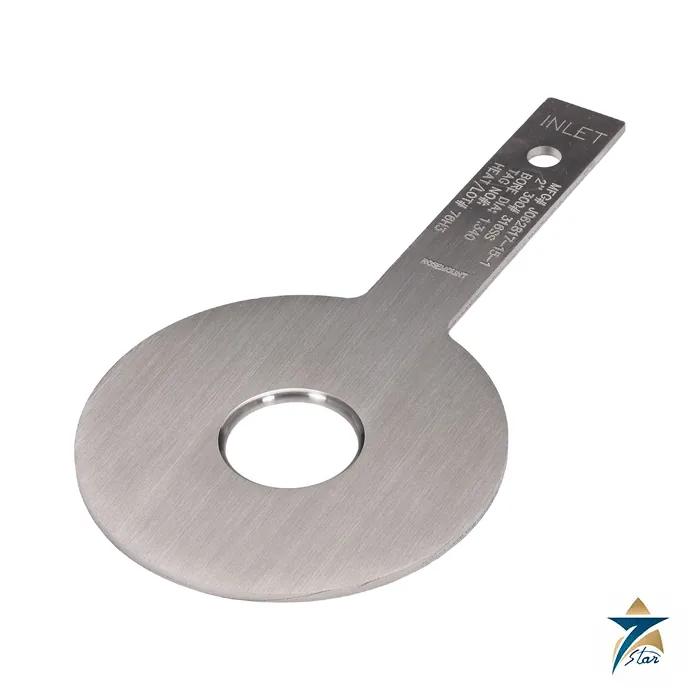
The Rosemount 1495 is a square-edged, concentric-bore orifice plate used as the primary element in differential pressure flow measurement of liquids, gases and vapor. Seven Star LLC supplies the Rosemount 1495 in Oman and the GCC as an independent supplier in Muscat. The plate itself has no electronics: it creates a pressure drop that a separate differential pressure transmitter converts into a flow signal, so the quality of the bore, the finish and the fit to the flange set decide the quality of the whole measurement.
Ordering is done through a model code, and each segment has a meaning worth understanding before you send an enquiry. The base model is 1495, followed by plate type (PC, PG or UC), line size, flange rating, plate material, thickness, and the bore dimension. A Rosemount 1495 can be sized from process data with the optional bore calculation, so the exact bore does not have to be known when you ask for a quotation.
Rosemount 1495 technical specifications
| Parameter |
Specification |
| Manufacturer / part number |
Rosemount (Emerson) / 1495 |
| Element type |
Square-edged concentric orifice plate, paddle or universal style |
| Plate type codes |
PC paddle, concentric, better than 50 Ra (1.25 µm) finish; PG paddle, concentric, 125–250 Ra (3.2–3.6 µm) finish for spiral wound gaskets; UC universal, concentric |
| Line sizes |
2 in. (DN50) to 24 in. (DN600), including 2½ in. (DN65) |
| Flange ratings |
ASME B16.36 Class 300, 600, 900, 1500, 2500 RF and RTJ; ASME B16.5 Class 150 RF; EN 1092-1 PN10, 16, 25, 40, 63, 100 |
| Plate materials |
316/316L SST, 304/304L SST, DIN 1.4571 (316Ti), Alloy C-276, Alloy 400 |
| Plate thickness codes |
A 0.125 in. (3.2 mm), B 0.250 in. (6.35 mm), C 0.375 in. (9.53 mm), D 0.500 in. (12.7 mm) |
| Standard bore sizes |
⅛ in. (3.2 mm) steps from ½ in. to 4 in.; ¼ in. (6.3 mm) steps from 4¼ to 6 in. |
| Flow regime |
Turbulent flow; minimum pipe Reynolds number 4,000 (AGA-3), or 5,000 and 170β²D (ASME MFC-3M, ISO 5167), flange taps |
| Temperature, Alloy C-276 |
–325 to 1250 °F (–198 to 677 °C) |
| Temperature, Alloy 400 |
–325 to 900 °F (–198 to 482 °C) |
| Standards |
Manufactured to meet AGA, ASME, ISO, API and DIN requirements |
Source: manufacturer DP flow product data sheet, March 2025 edition. Temperature limits for the stainless grades are given in the same data sheet and depend on the grade; confirm the exact grade against your process temperature before ordering.
How the Rosemount 1495 produces a flow signal
As fluid is forced through the bore, its velocity rises and the static pressure falls. The differential between the upstream and downstream taps rises with the square of the flow, which is why transmitters on orifice meters are normally configured with a square-root transfer function. The beta ratio, bore diameter divided by pipe inner diameter, sets the sensitivity: a small beta gives a large signal but a larger permanent loss, while a large beta keeps the loss low at the cost of signal strength and tighter straight-run needs.
A paddle plate (PC or PG) is clamped between a pair of orifice flanges and its outside diameter follows the flange rating you select, which is why the rating code matters even for a plate. The universal type (UC) is designed to sit in a plate holder, which suits RTJ flanges and fittings. Three-inch lines and below use an integral holder; four inches and above use a screw-type holder, with 316 stainless screws.
Where the 1495 fits: flange union and transmitter pairing
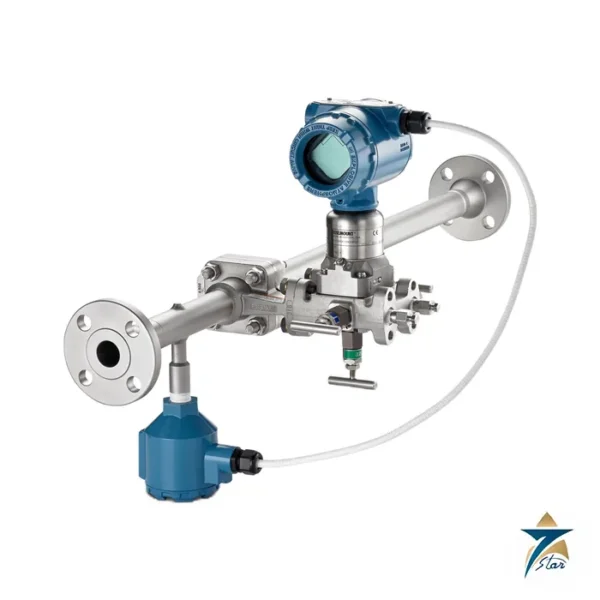
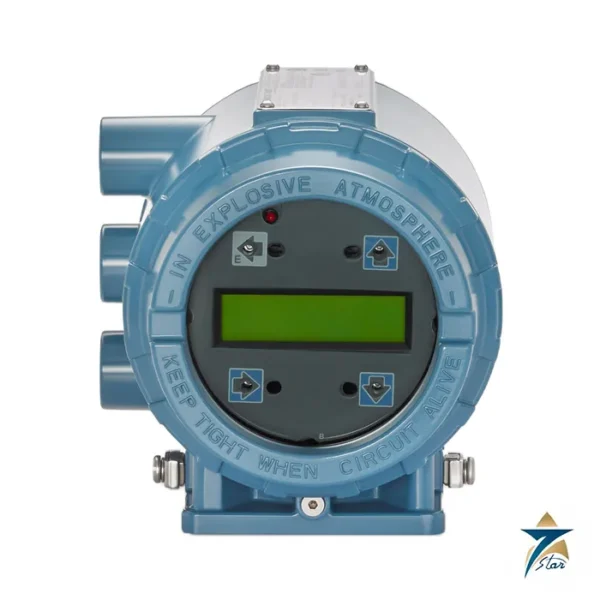
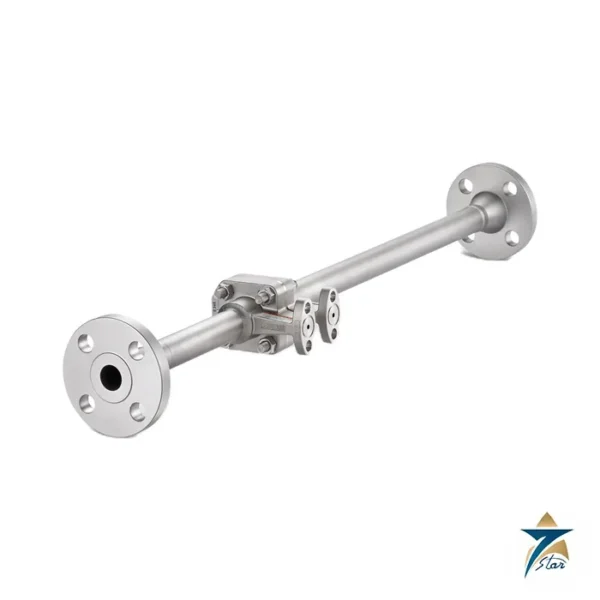
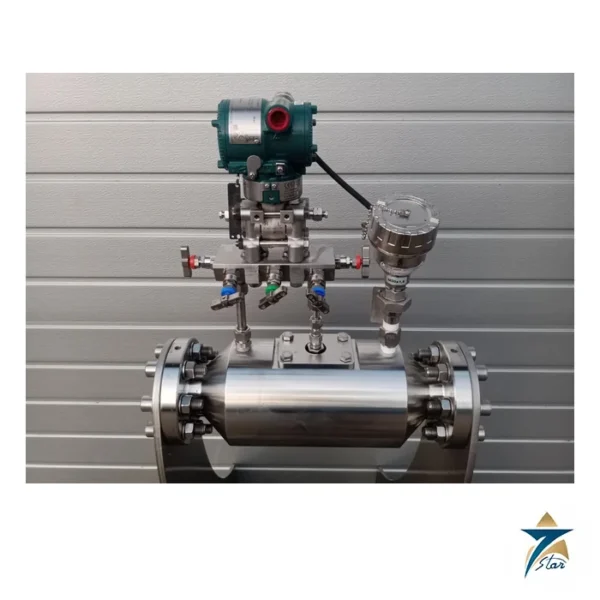
The plate is normally paired with the Rosemount 1496 orifice flange union, which is supplied with studs, nuts, jackscrews, gaskets and pipe plugs, with threaded flange taps provided 180° apart in line with ISO 5167-2, ASME MFC-3M and AGA-3. Pressure tap connections are ½ in. NPT as standard. Differential pressure is then read by a transmitter such as the 3051 series, mounted through a manifold.
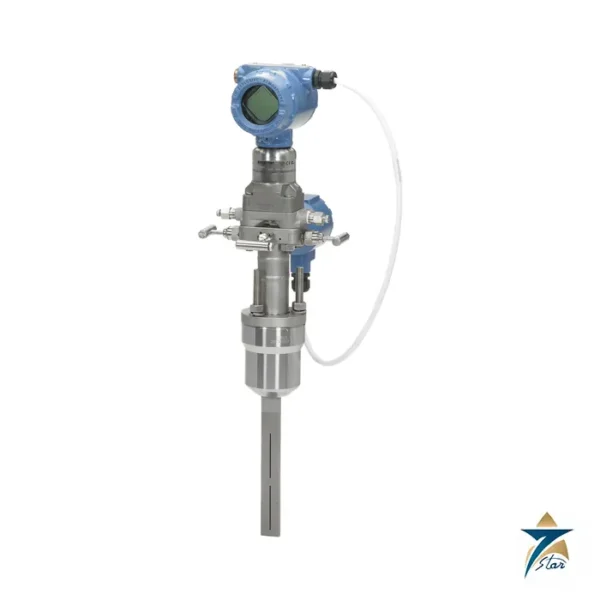
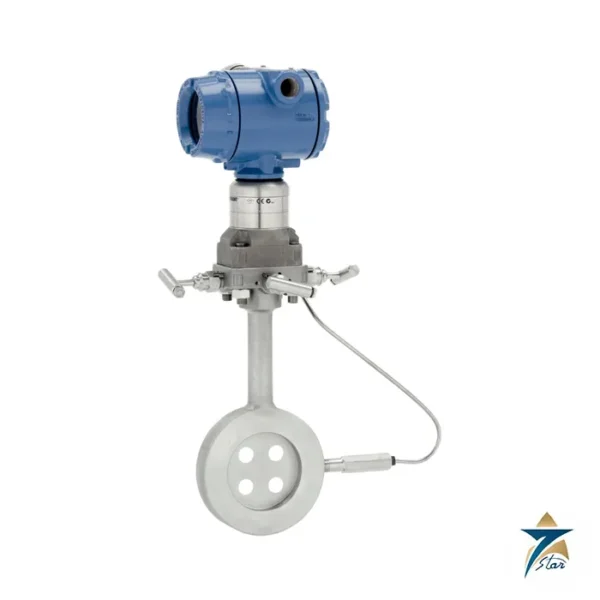
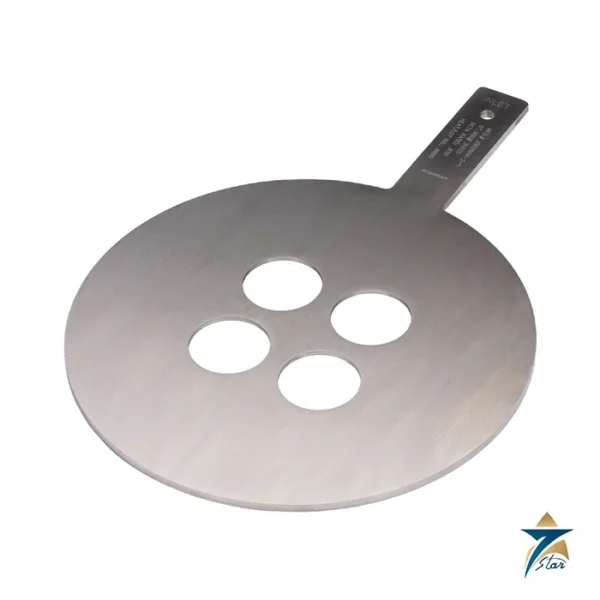
Related Rosemount primary elements include the 1595 conditioning orifice plate (four-hole design for short straight runs), the 485 Annubar averaging pitot, the 405 compact primary element and the 1195 integral orifice. If your pipe has limited straight length, ask us to compare the 1495 with the 1595 for the same duty.
Selection checklist for a Rosemount 1495
- Line size and pipe schedule or actual inner diameter; the drain or vent hole option needs the pipe inner diameter stated.
- Flange standard and rating, because it fixes plate outside diameter for paddle plates; check whether your flanges are ASME B16.36 orifice flanges or ordinary B16.5 flanges.
- Plate material compatible with the fluid, including sour service where NACE-related certification may be required.
- Plate style: PC for general use, PG where spiral wound gaskets are used, UC for plate holders.
- Minimum, normal and maximum flow, operating pressure and temperature, and base conditions for gas.
- Whether you want the bore calculated (option BC) or already have a calculated bore.
- Inspection and traceability documents needed on the project, such as material certificates or a final inspection report.
Installation, inspection and maintenance of the 1495
Orifice plates are sensitive to damage on the upstream edge, so handle them by the handle only and keep the sharp edge away from metal tools. Install the plate with the inlet marking facing upstream, centre it in the pipe, and use gaskets that do not intrude into the bore. A plate holder or spiral wound gasket suitable for the temperature should be chosen from the gasket temperature table in the data sheet.
In service, check for edge rounding, deposits and bore erosion at planned shutdowns. A rounded edge reads low flow in a way that is easy to miss, so many operators keep a spare plate and replace rather than polish. Impulse lines should be checked for plugging, and the transmitter zero verified after any maintenance on the manifold.
Typical applications in Oman and the GCC
Orifice metering remains the reference method for fiscal and allocation gas measurement on many oil and gas facilities in the region, and is widely used for steam, fuel gas and flare lines in power stations and refineries. In desalination plants, orifice plates in stainless steel or Alloy 400 meter feed, brine and chemical dosing lines. In petrochemical sites, the range of materials and flange classes allows the same plate family to be used from utility water to high-pressure hydrocarbon service. High ambient temperature, dust and humidity affect the transmitter and impulse lines more than the plate, so plan insulation or tracing and weather protection around the plate rather than on it.
Rosemount 1495 plate types compared
| Code |
Style |
Typical use |
| PC |
Paddle, better than 50 Ra finish |
General flange-tapped metering with standard gaskets |
| PG |
Paddle, 125–250 Ra finish |
Services using spiral wound gaskets |
| UC |
Universal, concentric |
Plate holders and RTJ flange sets, up to the sizes in the data sheet |
Information to send with an RFQ
- Fluid, state and composition (gas composition for fiscal work).
- Flow range: minimum, normal, maximum, with units and base conditions.
- Operating pressure and temperature, and design values.
- Line size, schedule or inner diameter, and pipe material.
- Flange standard, class and facing, and tap type.
- Plate material, thickness and any NACE, traceability or inspection requirement.
- Quantity and required delivery date.
Documents and quotation
The Rosemount DP flow product data sheet for the 1495 and related primary elements is attached on this page. It contains the full ordering tables and the temperature limits referred to above.
To request a quotation for the Rosemount 1495, send the model code or the process data listed above and our team will reply with availability and lead time.
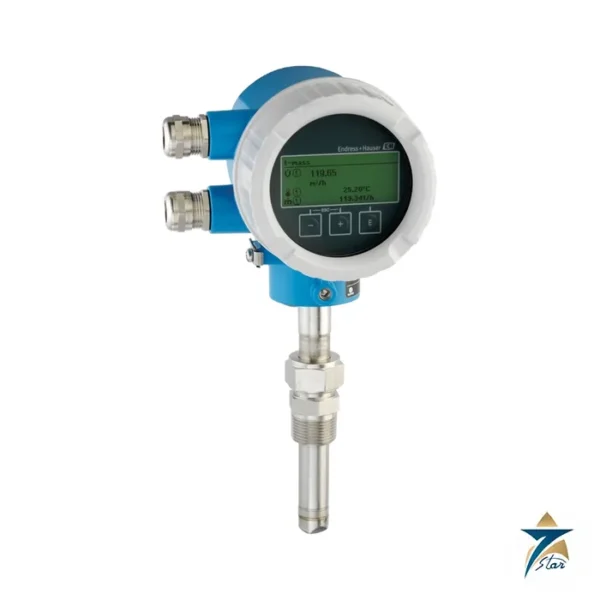
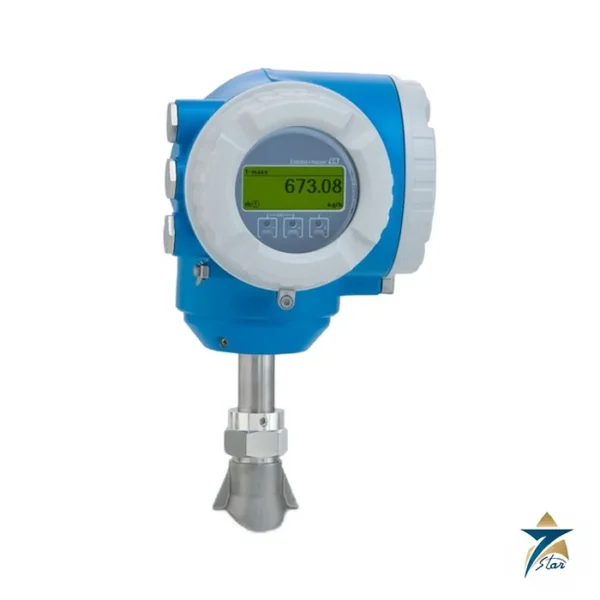
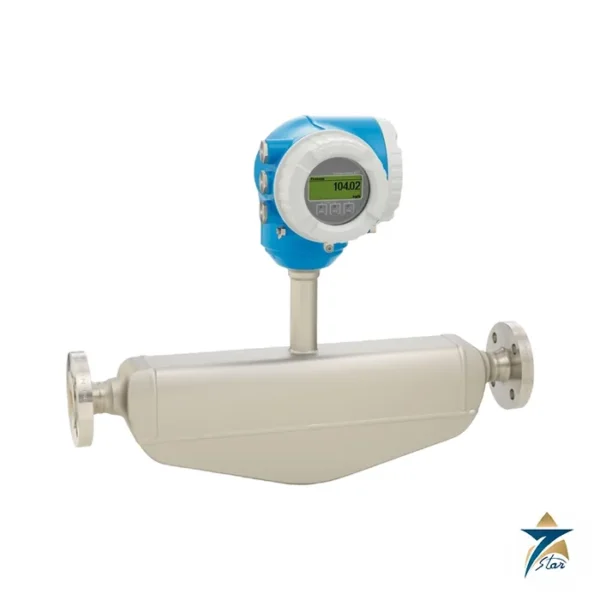
Other Models in the Rosemount Dp Orifice Range
Seven Star LLC supplies models from the Rosemount Dp Orifice range in Oman and the GCC. Compare the related models below and request a quote for the one that matches your application.




















Reviews
There are no reviews yet.