Overview
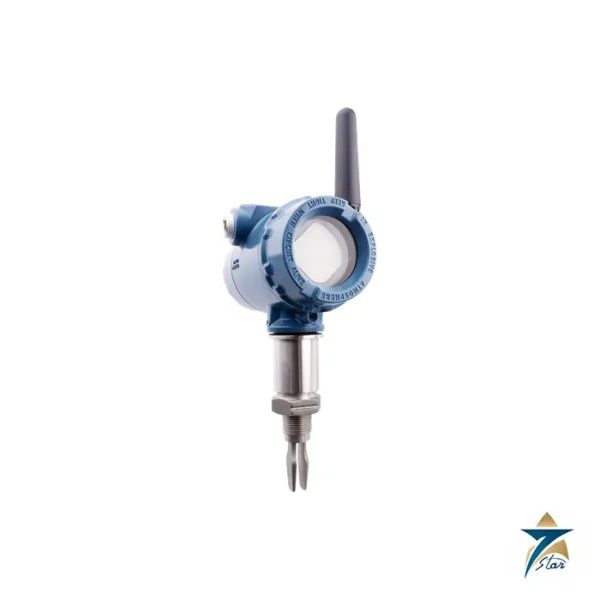
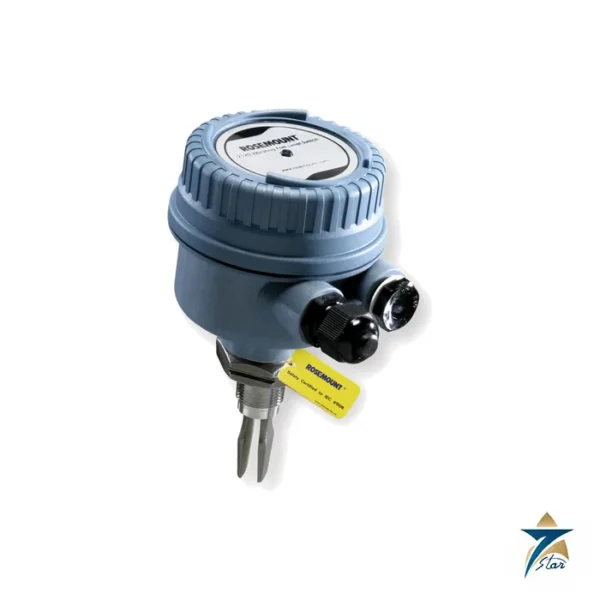
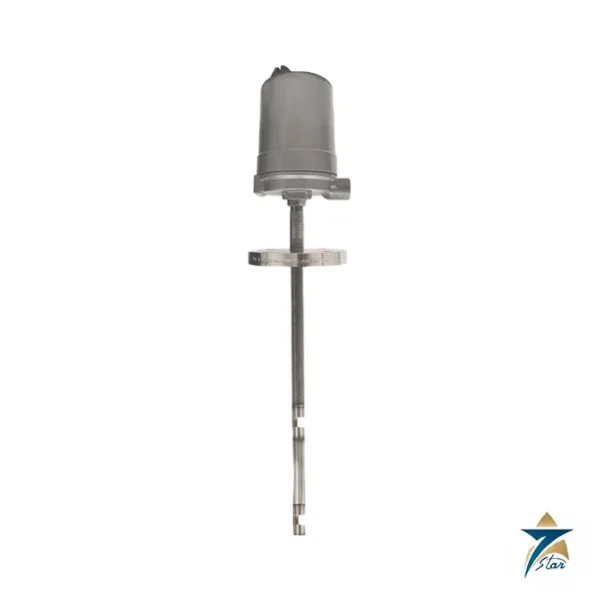
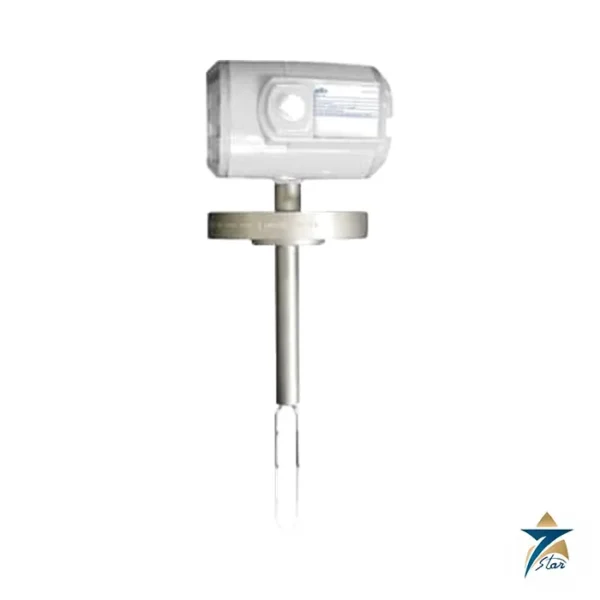
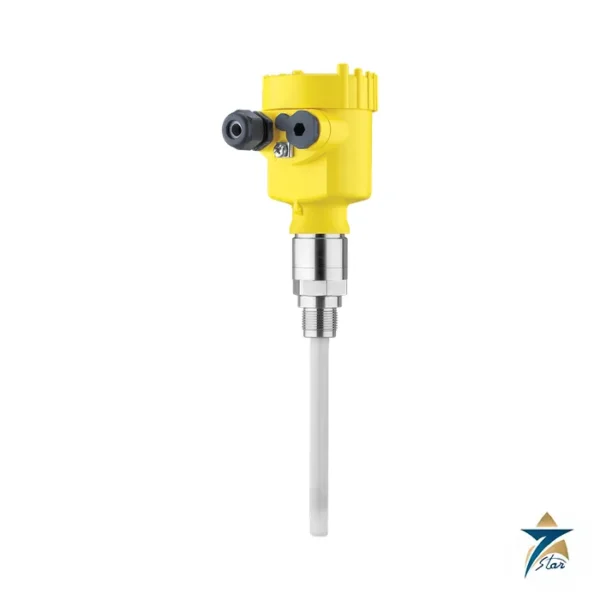
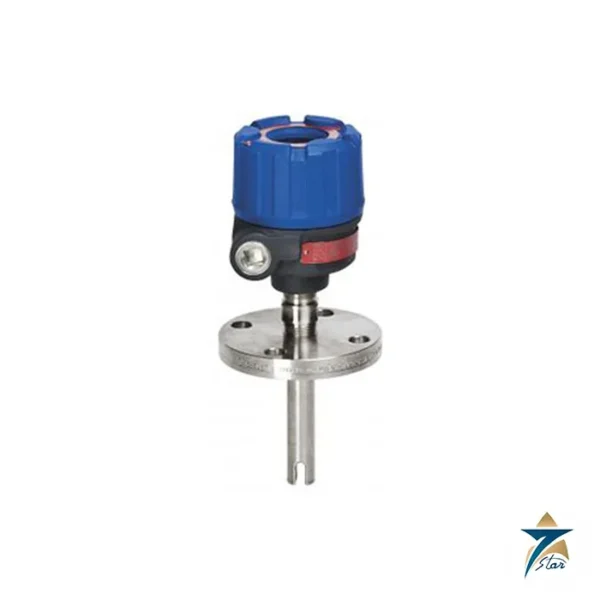
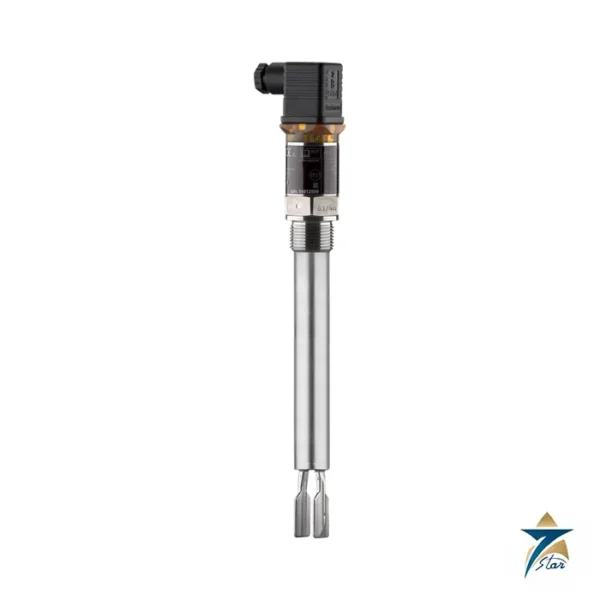
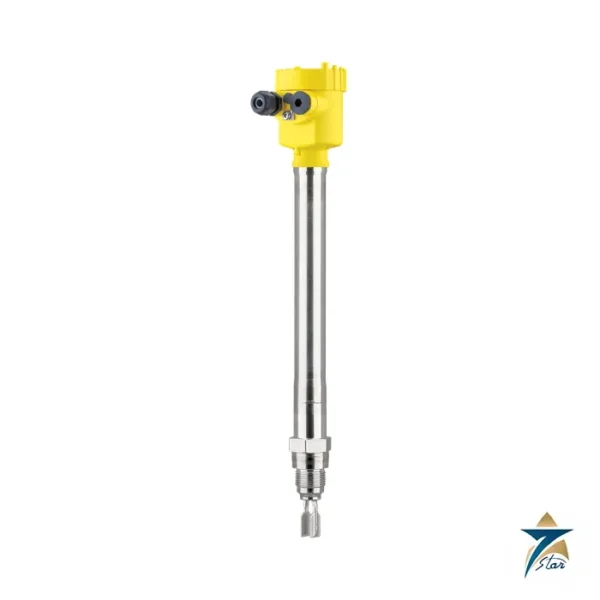
The Rosemount 2140 Level Detector is the world’s first wired HART vibrating fork level detector, purpose-built for applications including overfill prevention, high and low level alarms, and pump protection. Providing reliable level detection of all liquids as well as sediments, the 2140 offers greater ease-of-use and flexibility with smart diagnostics that continuously monitor electronic and mechanical device health, plus a fully integrated remote proof-testing capability that increases both safety and efficiency for plant and workers.
With fast quotation turnaround and technical support, Seven Star LLC proudly offers the Rosemount 2140 to tank farms, storage terminals, and process facilities across the Sultanate of Oman, Muscat, and the wider GCC. The Rosemount 2140:SIS variant is certified to IEC 61508 (SIL 2) for safety-critical applications, making it a strong choice for overfill prevention programs subject to strict regulatory compliance.
Measurement Principle
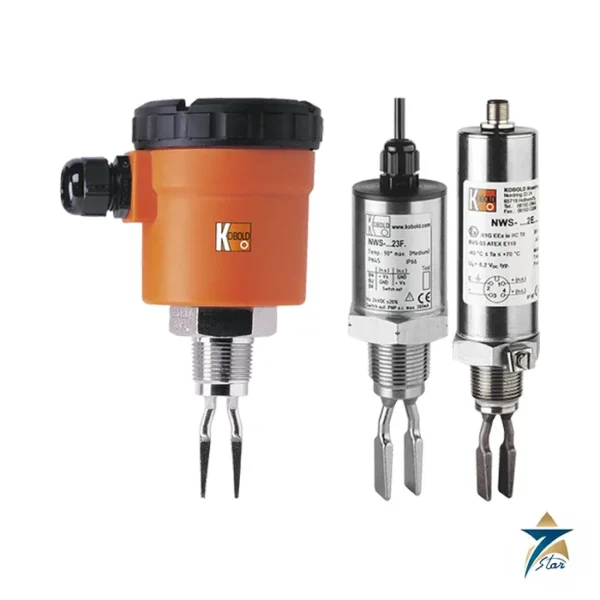
The Rosemount 2140 uses the principle of a tuning fork: a piezo-electric crystal oscillates the forks at their natural frequency, and changes to this oscillation frequency are continuously monitored by the electronics as they vary depending on the liquid medium in which the forks are immersed. The denser the liquid, the lower the oscillation frequency, giving the device a reliable physical basis for detecting media presence.
Whenever liquid in a vessel or pipe drains down past the forks, a distinct frequency change is detected and a dry condition is indicated; when liquid rises and contacts the forks, the reverse frequency change indicates a wet condition. These wet and dry conditions can be transmitted digitally as a HART signal or as a discrete output via the analog signal, and detection remains virtually unaffected by turbulence, foam, vibration, solids content, coating products, and liquid properties.
Engineering Design of the Rosemount 2140
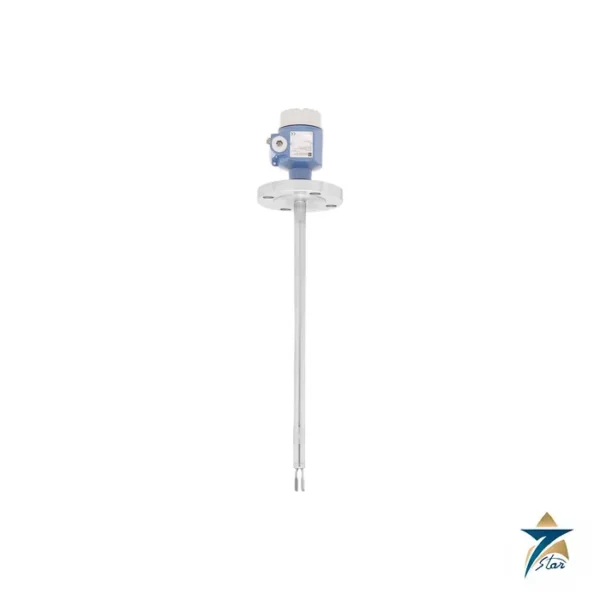
The Rosemount 2140 utilizes the wired HART protocol, allowing easy integration into automated systems without additional wiring, and can switch between HART 5 and HART 7 to meet varying system requirements. Extended fork lengths up to 157.5 inches (4,000mm) accommodate large vessels, and an adjustable detection output delay prevents false detection in turbulent or splashing applications.
The device continuously performs electronic self-checking and condition monitoring, with an optional smart diagnostics suite offering frequency profiling, power advisory, and configurable process alerts. The Rosemount 2140:SIS additionally supports remote partial proof-testing, allowing plant staff to verify device functionality from the control room and minimize tank climbs—improving operator safety while reducing testing-related downtime that would otherwise require a physical climb and manual wet/dry verification at height.
Key Features
The Rosemount 2140 combines vibrating fork reliability with smart HART diagnostics. Core capabilities include:
- World’s first wired HART vibrating fork level detector.
- SIL 2 certification to IEC 61508 available on the 2140:SIS variant.
- Remote proof-testing capability, minimizing tank climbs and improving operator safety.
- Detection unaffected by turbulence, foam, vibration, solids content, and coating products.
- Extended fork lengths up to 157.5 inches (4,000mm) for large vessel applications.
- Smart diagnostics suite: frequency profiling, power advisory, configurable process alerts.
- Sand Switch function for sand and sediment detection in separator vessels.
- Switchable HART 5/HART 7 protocol support for flexible system integration.
Industrial Applications
The Rosemount 2140 is well suited to tank farms, storage terminals, separator vessels, and pump protection applications across Oman’s oil and gas and industrial sectors. Its Sand Switch function makes it particularly valuable for managing tank and separator efficiency where sediment accumulation is a routine operational concern and undetected buildup can silently reduce usable tank capacity over time.
With engineering support in Muscat, Seven Star LLC supports storage terminals, refineries, and industrial facilities throughout the Sohar and Salalah economic zones and the broader GCC region with the Rosemount 2140’s reliable overfill prevention and level alarm capability.
Technical Specifications
Full technical parameters for the Rosemount 2140 vibrating fork level detector:
| Parameter |
Specification |
| Model |
Rosemount 2140 / 2140:SIS |
| Measurement Principle |
Vibrating Fork (Tuning Fork Frequency Detection) |
| Communication |
Wired HART (Switchable HART 5/HART 7) |
| Safety Certification |
IEC 61508 SIL 2 (2140:SIS) |
| Fork Length |
Up to 157.5 in. (4,000mm) |
| Temperature Range |
-70°C to 260°C (Model Dependent) |
| Diagnostics |
Frequency Profiling, Power Advisory, Configurable Process Alerts |
| Proof-Testing |
Remote Partial Proof-Test (2140:SIS) |
| Special Function |
Sand Switch (Sediment/Separator Detection) |
Why Choose Seven Star LLC for Overfill-Prevention Level Detection
An overfill-prevention program lives or dies on whether the level switch specified actually matches the regulatory and insurance requirements for the tank in question – the standard 2140 and the SIL 2-certified 2140:SIS variant are not interchangeable once a facility’s safety case has been written around one or the other. Seven Star LLC’s engineers confirm which variant, fork length, and proof-test interval a customer’s overfill-prevention documentation actually calls for before an order is placed, and help assemble the SIL certificate package alongside the transmitter for facilities preparing an IEC 61511 safety file. Because tank farms and storage terminals across Oman often operate multiple vessels on a shared maintenance schedule, we also help plan bulk spares purchasing across a terminal’s full fork-detector population, and coordinate delivery timing around planned tank inspection windows in Muscat, Sohar, and Salalah.
Request a Quote for Rosemount 2140 Level Detector – Vibrating Fork
To submit a formal Request for Quote (RFQ), check current availability and lead time, or arrange technical consultation for the Rosemount 2140 Level Detector, please contact Seven Star LLC today. Backed by manufacturer datasheet documentation, our engineers are ready to assist with rapid sourcing for your overfill prevention and level alarm projects.
Related Products
See also: Rosemount 5900S Radar Level Gauge for Custody Transfer.





















Reviews
There are no reviews yet.